English
 Français
 Español
400kVA–1000kVA Universal Diesel Generator Sets for Heavy-Duty Power Applications
Nov 15, 2026
Content
- 1 Understanding the 400kVA–1000kVA Power Range
- 2 Product Architecture and Core Configuration
- 3 Advantages Over Narrowly Specified Generator Products
- 4 Application Scenarios
- 5 Advanced Manufacturing and Quality-Control Process
- 6 Installation and Configuration Considerations
- 7 Maintenance, Spare Parts, and Lifecycle Support
- 8 How to Select the Correct Generator Configuration
- 9 Compliance, Reliability, and Documentation
- 10 Why Work with an Experienced Generator Manufacturer
- 11 Frequently Asked Questions
- 11.1 What does a 400kVA–1000kVA generator set provide in kW?
- 11.2 Can these generator sets operate continuously?
- 11.3 Which engine brands are available?
- 11.4 Can the generator handle large motors and inductive loads?
- 11.5 Can several units operate in parallel?
- 11.6 What enclosure formats are available?
- 11.7 Can the generator be monitored remotely?
- 11.8 How are the generator sets tested before shipment?
- 11.9 What information is needed for a quotation?
- 11.10 What after-sales support is available?
- 12 Conclusion
- 13 References
- 14 Product: 400kVA – 1000kVA Universal Diesel Generator Sets
Reliable electrical power is essential for industrial plants, data centers, transportation infrastructure, commercial complexes, mining operations, and remote construction projects. In these environments, a generator is not simply an emergency appliance. It is a central part of the power architecture, expected to start quickly, carry demanding loads, operate for long periods, and remain dependable under difficult environmental conditions.
The 400kVA–1000kVA Universal Diesel Generator Sets manufactured by Yangzhou Aiweite Electromechanical Co., Ltd. are designed for precisely these requirements. This product range combines heavy-duty industrial diesel engines, full-copper brushless alternators, intelligent control systems, reinforced structural assemblies, and project-specific configuration. The result is a flexible generation platform for prime power, continuous operation, emergency standby, and synchronized multi-unit installations.
Unlike narrowly specified generator products that are tied to one engine family or a limited installation format, this universal series allows customers to select an engine platform, alternator configuration, enclosure, control interface, fuel arrangement, and environmental adaptation according to the actual project. This flexibility helps reduce specification compromises and allows the generating set to be matched to local service resources, fuel quality, emission expectations, load behavior, and site conditions.
Manufactured in China by a company with experience in generator production, installation, testing, and international project support, the series is intended to provide stable electrical performance, long service life, and dependable lifecycle support. It is suitable for facilities where production losses, data interruption, public-service disruption, or equipment damage cannot be accepted.
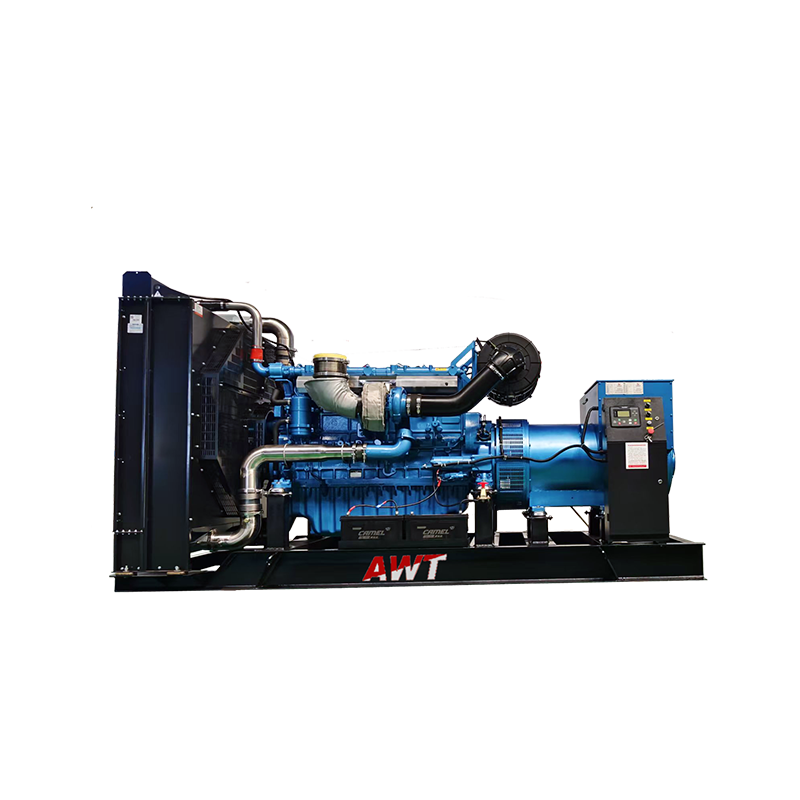
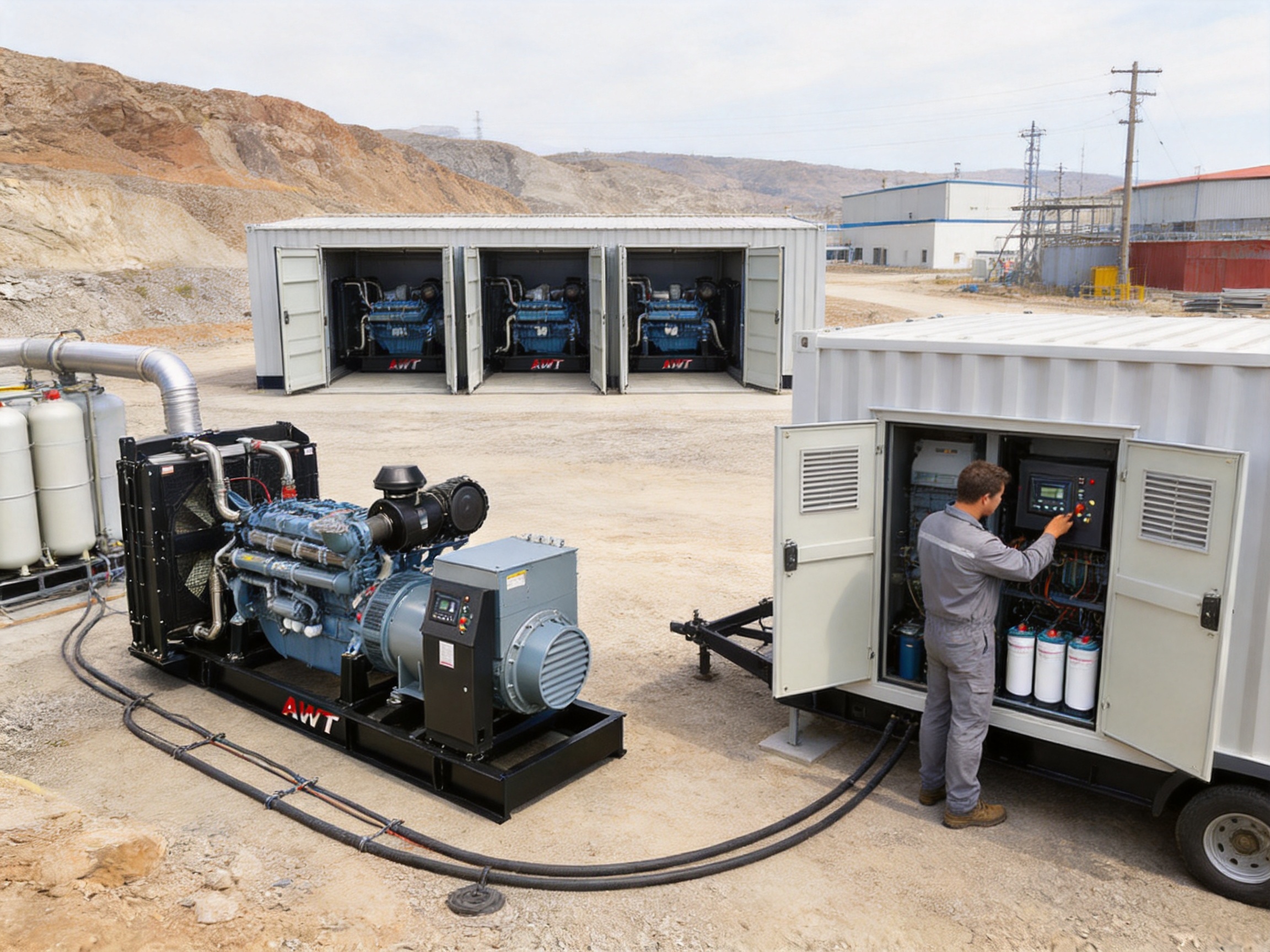
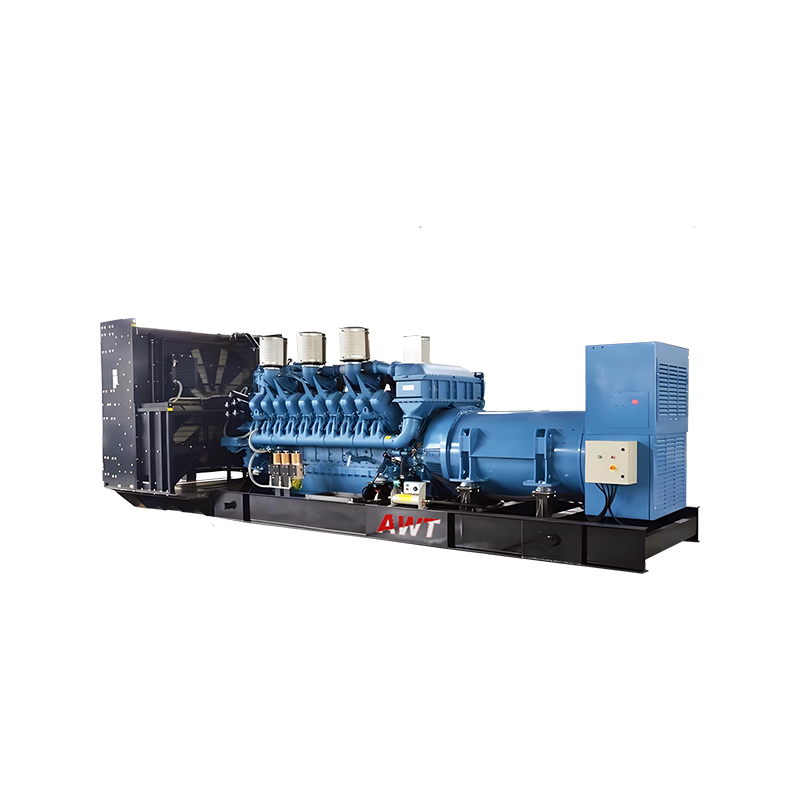
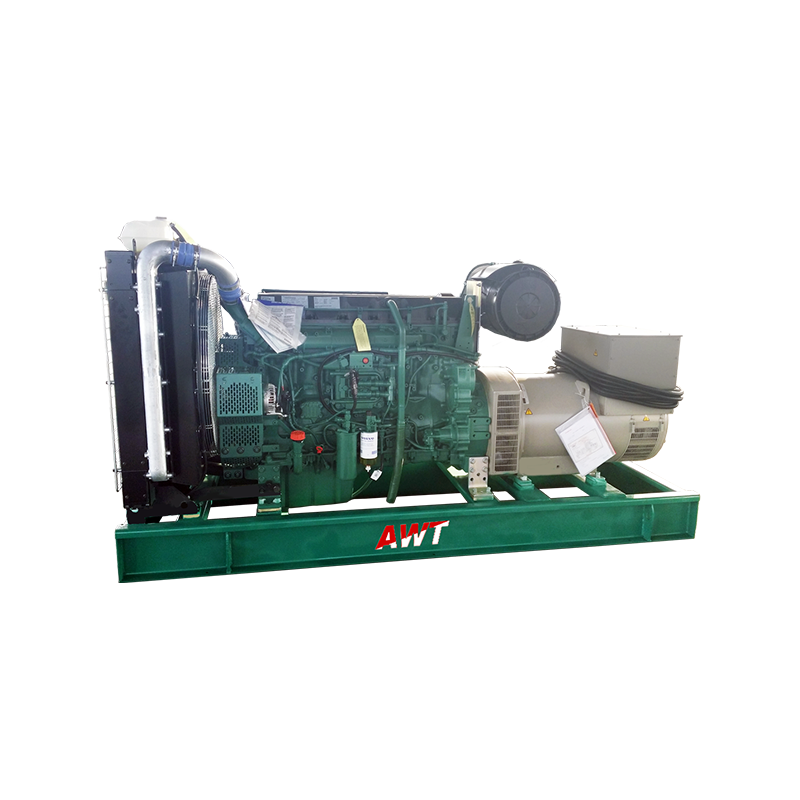
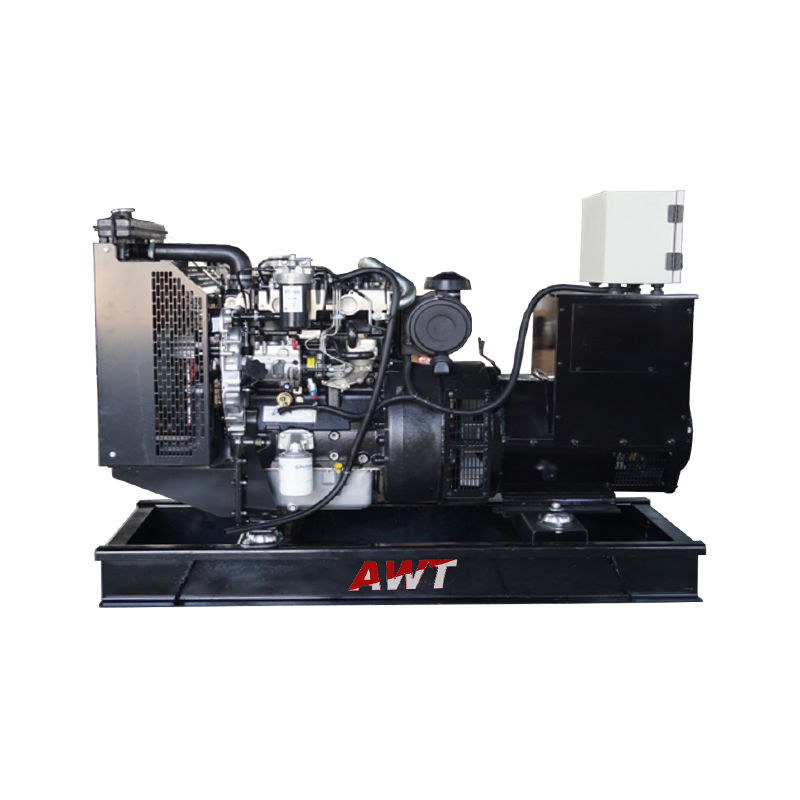
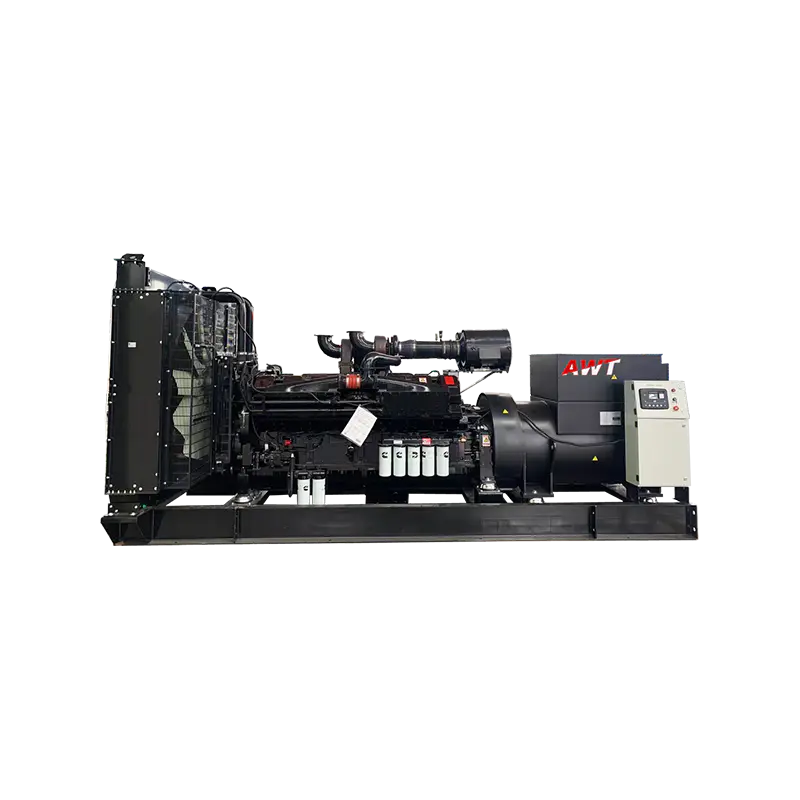
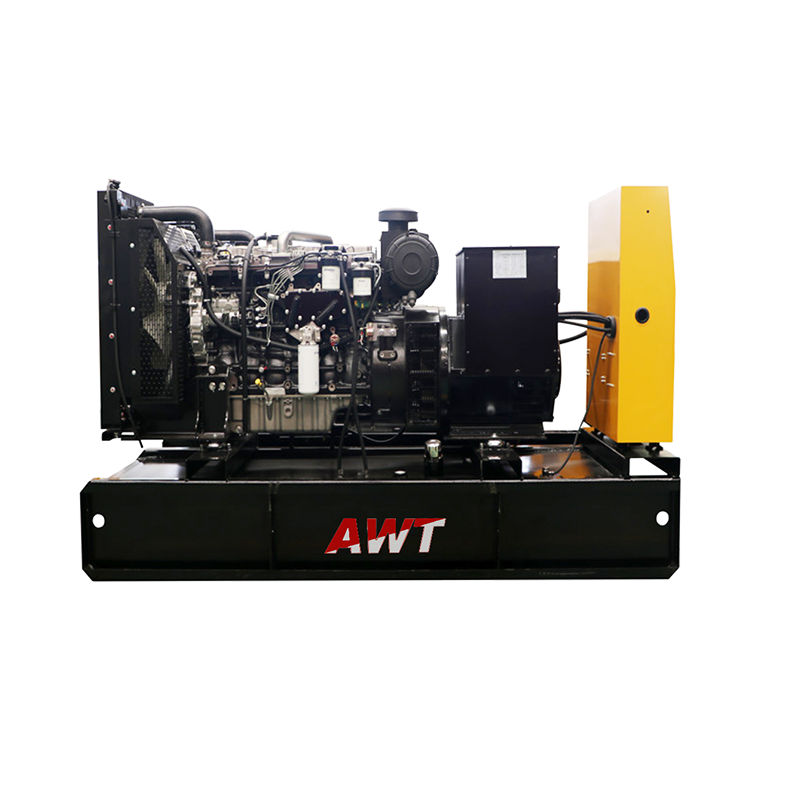
400kVA – 1000kVA Universal Diesel Generator Sets
Understanding the 400kVA–1000kVA Power Range
The 400kVA–1000kVA range occupies an important position between medium commercial generator sets and very large plant-scale generating systems. It is large enough to support substantial industrial loads while remaining suitable for modular installations, staged capacity expansion, and multiple-unit synchronization.
In generator terminology, kVA represents apparent power, while kW represents real power. At a typical rated power factor of 0.8, a 400kVA set provides approximately 320kW of real power, while a 1000kVA set provides approximately 800kW. Actual selection must consider more than the nominal rating. The load factor, motor-starting method, inductive load percentage, transient requirements, harmonic content, ambient conditions, and duty classification all influence the correct generator size.
A generator that appears adequate based only on connected kilowatts may still be unsuitable if the facility includes large motors, transformers, compressors, pumps, elevators, chillers, welding equipment, or other loads with high starting currents. The alternator excitation system, engine reserve, control response, and available short-circuit performance must also be considered.
The universal 400kVA–1000kVA platform is developed for applications including:
- Continuous and prime power for factories and industrial production lines.
- Emergency standby power for critical commercial and public facilities.
- Data center and communication hub backup systems.
- Mining, oilfield, gas field, and remote energy projects.
- Airports, railway stations, subways, water treatment plants, and municipal infrastructure.
- Large construction sites, island projects, and temporary field operations.
- Parallel generator stations requiring redundancy or future expansion.
These applications share a common requirement: the generator must deliver stable power under changing loads and remain serviceable over many years. The product range is therefore engineered as a complete system rather than as an engine and alternator mounted together without broader project consideration.
Product Architecture and Core Configuration
Heavy-Duty Industrial Engine
The engine is the primary source of mechanical energy and one of the most important factors affecting generator reliability. The units in this range use heavy-duty industrial engines with high-pressure common-rail fuel injection, turbocharging, and intercooling. These technologies help improve combustion efficiency, response under changing load, and fuel utilization across a broad operating range.
A rigid engine structure and sufficient power reserve support long-duration operation. This is particularly important for prime-power applications, where the generator may operate for many hours each day, and for emergency systems that must accept a large load immediately after starting.
High-pressure common-rail injection enables accurate fuel delivery and helps the engine respond quickly to changes in demand. Turbocharged intercooling increases the amount of air available for combustion while controlling intake temperature. Together, these features support efficient output and help maintain performance when the generator is subjected to heavy or fluctuating loads.
Engine selection remains a project-specific decision. Customers may choose from mainstream platforms such as Cummins, Perkins, Weichai, MTU, Volvo, Yuchai, Baudouin, SDEC, and Mitsubishi, subject to the selected output, configuration, destination requirements, and availability. The appropriate engine is evaluated according to service coverage, fuel quality, spare-parts availability, emission expectations, operating altitude, ambient temperature, and the customer’s maintenance strategy.
Full-Copper Brushless Alternator
The alternator converts the engine’s mechanical energy into electrical energy. The product series uses heavy-duty full-copper brushless alternators with Class H insulation and IP23 protection. These features are selected for industrial durability, thermal endurance, and stable operation under demanding electrical loads.
Class H insulation provides a high thermal capability suitable for heavy-duty operation when the generator is correctly installed and maintained. The brushless excitation structure reduces routine wear associated with brush-based systems and supports dependable long-term operation.
Low waveform distortion is important for modern facilities containing electronic controls, variable-frequency drives, communication equipment, servers, automation systems, and sensitive monitoring devices. Excessive distortion can increase heating, cause malfunction, and reduce equipment life. The alternator configuration is therefore intended to deliver cleaner power for both conventional industrial loads and more sensitive electronic systems.
Strong anti-impact load capability helps the generator handle motors, transformers, pumps, compressors, refrigeration equipment, and other inductive loads. When a large load starts, the generator may experience a temporary voltage and frequency disturbance. A properly selected alternator with adequate excitation capacity can reduce the magnitude and duration of this disturbance.
Industrial Intelligent Controller
The controller acts as the operating and protection center of the generating set. It monitors the engine, alternator, electrical output, operating status, alarms, and safety conditions. The system supports automatic start and stop, ATS transfer, fault protection, real-time monitoring, remote management, and multi-unit parallel operation.
For standby systems, the controller can receive a start signal from the automatic transfer switch when the utility supply fails or moves outside acceptable voltage and frequency limits. After the generator reaches stable operating conditions, the transfer system can connect the emergency load. When utility power is restored, the controller supports the return sequence and controlled shutdown after a cooling period.
For larger power stations, multi-unit synchronization allows generators to share load. This can provide redundancy, improve efficiency during low-demand periods, simplify future expansion, and allow maintenance to be performed on one unit while the remaining units continue supplying the facility.
Remote monitoring through a 4G communication platform can provide operating information to authorized personnel away from the generator room. Depending on the selected configuration, users may review running status, output values, alarms, maintenance information, and operating history. Controller communication protocols can also be coordinated with a site SCADA system, building management system, or industrial control network.
Reinforced Auxiliary and Structural System
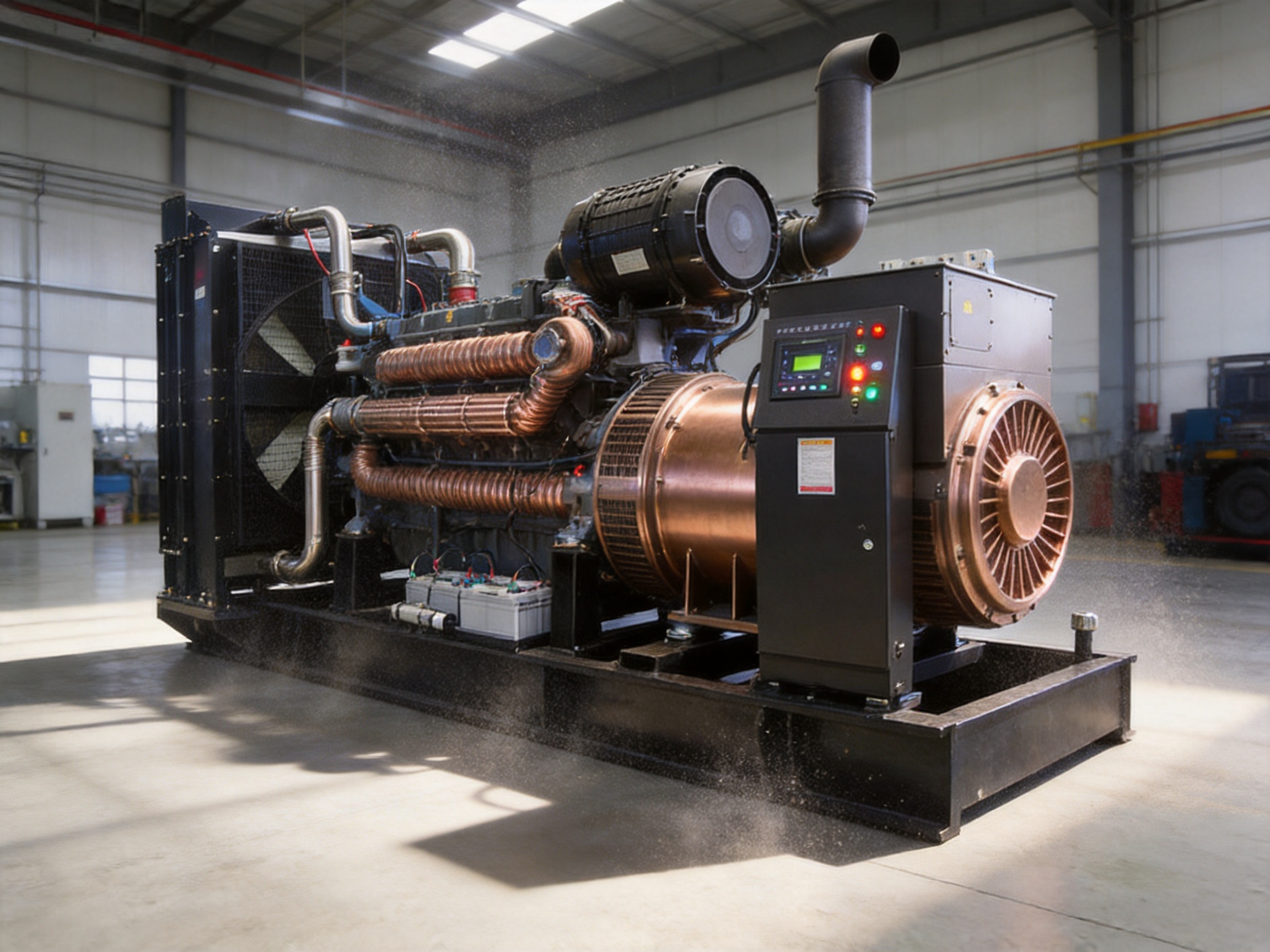
The auxiliary system has a direct influence on the long-term performance of a generator. The 400kVA–1000kVA series uses a reinforced integrated base frame, high-flow cooling system, multi-stage filtration, heavy-duty vibration dampers, and industrial mufflers.
The base frame supports alignment between the engine and alternator while providing a stable foundation for transport, installation, and operation. Heavy-duty dampers help reduce the transmission of vibration to the foundation and surrounding structure. Correct installation remains essential, but the integrated design creates a strong starting point for mechanical stability.
A large-flow cooling system is designed to remove heat from the engine and maintain an appropriate operating temperature. Cooling design becomes especially important in high-ambient locations, enclosed generator rooms, containerized installations, and sites with restricted airflow. Radiator capacity, ventilation design, air inlet area, hot-air discharge, and exhaust routing must be evaluated together rather than separately.
Multi-stage filtration supports the engine in dusty, humid, or industrial environments. Industrial mufflers and suitable exhaust components help reduce exhaust noise while maintaining acceptable back pressure. The final muffler and exhaust arrangement are selected according to the installation, acoustic limits, room layout, and applicable regulations.
Advantages Over Narrowly Specified Generator Products
Many generator suppliers offer standard units with limited choices. Standardization can simplify purchasing, but it may force a customer to accept an engine brand, controller, enclosure, or electrical interface that does not suit the actual project. The universal 400kVA–1000kVA series is designed to provide a broader engineering response.
Engine-Brand Flexibility
The ability to configure the product with multiple mainstream engine platforms is a major advantage for international customers. A facility may already use a particular engine brand, have trained technicians for one platform, or maintain a local spare-parts inventory. In another country, a different brand may provide better service coverage or meet a local procurement requirement.
Engine flexibility allows the project team to evaluate total ownership cost rather than choosing only on the initial purchase price. Fuel consumption, overhaul support, maintenance intervals, local parts availability, warranty capability, and emission expectations can all be included in the decision.
Adaptation to Complex Loads
Some generator products are suitable for simple resistive loads but may perform poorly when connected to large motors, compressors, elevators, transformers, or variable industrial loads. The heavy-duty alternator and engine reserve used in this series are selected for demanding mixed loads.
Project engineers can evaluate the largest single step load, motor-starting method, load sequence, power factor, harmonic-producing equipment, and required voltage recovery. This creates a more reliable solution than selecting a unit based solely on the total connected load.
Support for Continuous Full-Load Operation
Short-term standby operation and long-hour prime operation place different demands on the engine, cooling system, fuel system, lubrication system, and maintenance plan. These generating sets are optimized for long-duration operation and can be configured for continuous or prime duty where the project requires a stable independent power source.
Strong continuous-load capability is particularly valuable in remote locations, production facilities, and weak-grid environments. The generator can serve as a regular power source rather than merely a backup device, provided the operating conditions, loading pattern, maintenance schedule, and derating requirements are correctly defined.
Flexible Installation Formats
The same generating core can be supplied as an open-type, silent-type, containerized, or trailer-mounted unit. This reduces the need to select an entirely different product family when the installation format changes.
Open units are appropriate for dedicated generator rooms with engineered ventilation and acoustic treatment. Silent units are useful in commercial areas, urban sites, and locations with strict noise requirements. Containerized units provide weather protection and transportability for outdoor and remote installations. Trailer-mounted units support temporary or mobile operations.
Integrated Digital Monitoring
Modern facilities require more information than basic voltage and frequency readings. Intelligent monitoring can provide early warning of abnormal conditions, simplify maintenance planning, support remote troubleshooting, and improve operational visibility. The availability of remote communication and parallel-control functions gives the product an advantage over basic generator sets with limited display and protection capability.
Project-Level Configuration
A generator’s performance depends on how it is configured and installed. The manufacturer’s ability to coordinate engine, alternator, controller, cooling, exhaust, fuel, enclosure, switching, and documentation reduces interface risk. Instead of treating these items as unrelated accessories, the project can be developed as an integrated power system.
Application Scenarios
Large Industrial and Manufacturing Facilities
Factories and industrial parks often contain production lines, motors, cranes, compressors, pumps, heating systems, automation controls, and material-handling equipment. A power interruption may stop production, damage work in progress, disrupt process control, and create significant restart costs.
The 400kVA–1000kVA series can provide continuous prime power in areas with unreliable utility service or emergency standby power where the grid is normally stable. Multiple units can be synchronized to support production growth, maintenance redundancy, and staged investment.
Load studies should identify the largest motors, starting sequence, process-critical equipment, acceptable voltage dip, and the required restart strategy. These details allow the alternator and engine configuration to be matched to the actual production environment.
Data Centers and Communication Hubs
Data centers, network facilities, and communication hubs require high availability and clean electrical power. Server systems, storage equipment, cooling systems, fire protection, access control, and network equipment may all need to remain operational during a utility failure.
The low-distortion alternator, intelligent controller, ATS compatibility, and parallel operating capability support the requirements of critical digital infrastructure. Generator selection must be coordinated with the uninterruptible power supply system because UPS recharge current, harmonic behavior, and step-load characteristics can affect the generator’s operating stability.
For data center projects, the configuration may include N+1 or other redundancy arrangements. Multiple generator sets can share the load, while a failed or unavailable unit does not necessarily interrupt the entire facility.
Commercial Complexes and Intelligent Buildings
Large malls, exhibition centers, hotel groups, office towers, and mixed-use buildings require power for central air conditioning, elevators, fire pumps, emergency lighting, security systems, water pumps, ventilation, and building automation.
In these facilities, the generator must often operate close to occupied areas. Silent enclosures, acoustic treatment, low-vibration mounting, and carefully designed exhaust systems may therefore be required. Controller integration with the building management system can provide centralized status monitoring and alarm notification.
Municipal and Transportation Infrastructure
Airports, railway stations, subway systems, water treatment plants, pumping stations, and emergency service facilities cannot depend entirely on the public grid. A prolonged outage may affect transportation safety, public communication, water supply, drainage, or emergency response.
Generators for these applications are generally specified with automatic start, rapid transfer, comprehensive protection, fuel autonomy, remote monitoring, and clear maintenance documentation. The system may be installed in a dedicated power room, weatherproof container, or specially engineered outdoor enclosure.
Energy, Mining, and Resource Projects
Oilfields, gas fields, mines, and processing facilities often operate far from strong utility networks. Dust, heat, humidity, altitude, vibration, and limited maintenance access can create difficult operating conditions.
The reinforced structure, environmental adaptability, heavy-duty filtration, and engine-brand flexibility of this series make it suitable for remote resource projects. Containerized or trailer-mounted configurations can simplify transportation and relocation. Fuel storage, spare-parts planning, remote diagnostics, and service access should be considered before delivery.
Construction, Island, and Remote Infrastructure Projects
Large construction sites and island projects may require substantial temporary power before permanent utility infrastructure is available. Loads can include tower cranes, welding machines, pumps, lighting, site offices, ventilation equipment, and material-handling systems.
Trailer or container execution allows the generator to be moved as the project develops. Parallel systems can support changing loads and provide capacity as new construction phases begin. The final design should include lifting points, transport dimensions, foundation conditions, cable routing, fuel logistics, and weather protection.
Advanced Manufacturing and Quality-Control Process
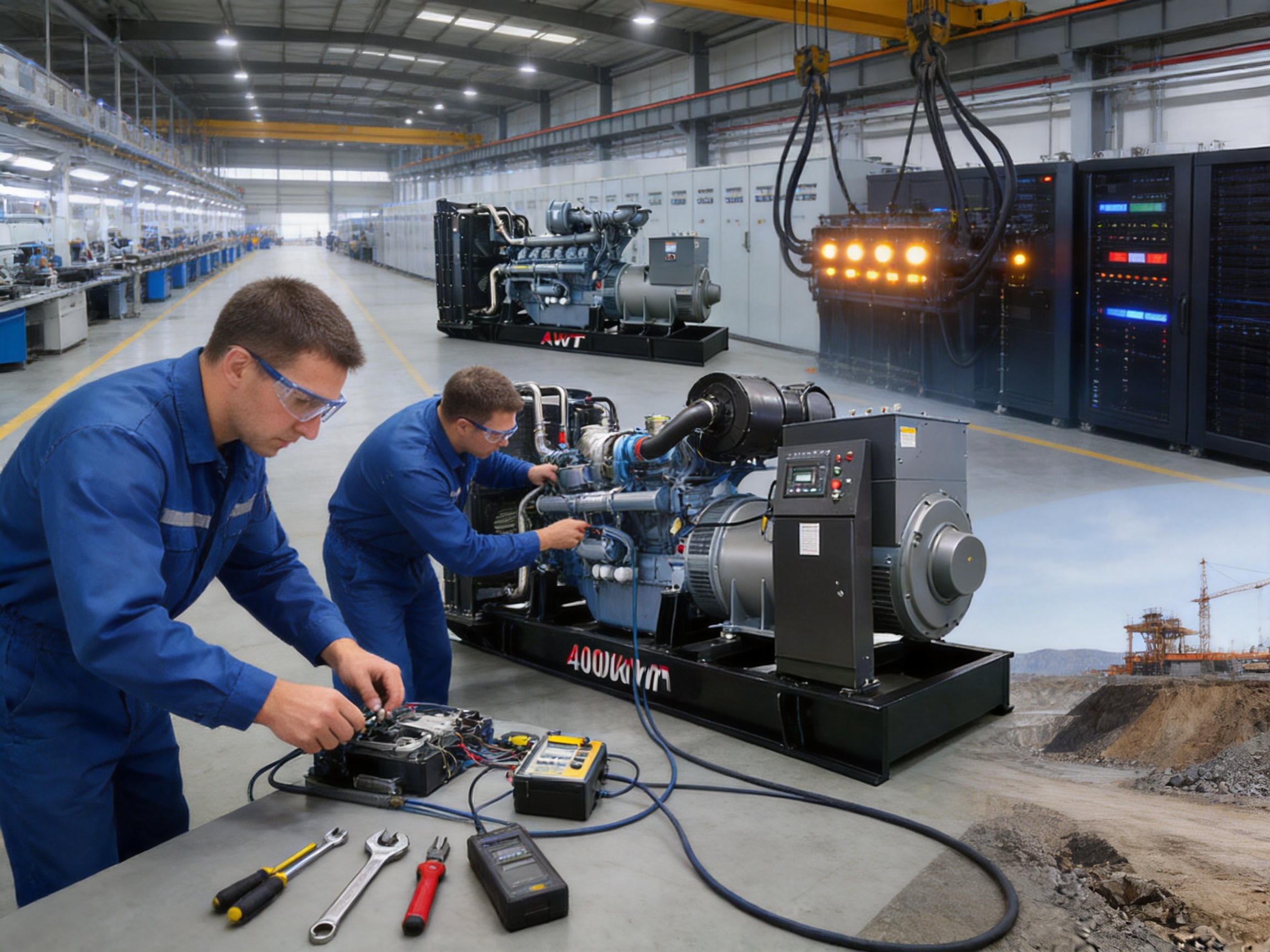
Generator reliability depends not only on component quality but also on assembly accuracy, process control, testing, and documentation. Yangzhou Aiweite Electromechanical Co., Ltd. manufactures and installs diesel generator sets from 1kVA to 2500kVA and applies a staged production approach to the 400kVA–1000kVA range.
Incoming Component Inspection
Key components are checked before they are released to production. Inspection includes verification of the engine, alternator, controller, radiator, base frame, wiring materials, electrical protection devices, fuel-system components, exhaust parts, and other specified items.
Checking components at the beginning of the process helps identify specification deviations before assembly. It also provides traceability for the main systems included in the finished unit. For project orders, incoming inspection can be coordinated with the approved technical specification and customer documentation requirements.
Mechanical Assembly and Alignment
The engine and alternator must be correctly aligned and securely coupled. Poor alignment can lead to excessive vibration, premature bearing wear, coupling damage, and unstable operation. Assembly personnel verify the mechanical fitting, mounting arrangement, coupling condition, base-frame structure, and installation of vibration dampers.
Auxiliary systems are then integrated, including the cooling package, filters, fuel connections, exhaust system, battery system, charger, control panel, and protective devices. Cable routing and terminal identification are checked so that commissioning and future maintenance can be carried out efficiently.
Electrical and Control Verification
The electrical system is inspected for insulation, wiring accuracy, grounding, protection settings, control functions, and output connections. Automatic start and stop, emergency shutdown, alarm signals, sensor inputs, ATS interfaces, and remote communication functions are tested according to the agreed configuration.
Where parallel operation is required, synchronization, load sharing, breaker control, phase sequence, and communication between units are verified as part of the control-system test. The exact test scope depends on the project design and selected controller.
Full-Load and Step-Load Testing
Each completed unit is subjected to load testing before dispatch. The generator is operated across the rated range to verify voltage stability, frequency stability, engine response, cooling behavior, exhaust condition, oil pressure, and protection functions.
Step-load testing evaluates the response when a large load is applied or removed. This is important for projects with motors, pumps, compressors, data center UPS systems, or other equipment that changes demand rapidly. Test records provide evidence that the unit has been evaluated under conditions closer to actual service.
Endurance and Protection Testing
Continuous operation testing helps verify the interaction of the engine, alternator, cooling system, fuel system, controller, and exhaust system over an extended period. Emergency shutdown and protective functions are also checked to confirm that the unit responds correctly to abnormal conditions.
Before dispatch, the delivery package can include test records, wiring diagrams, operation manuals, commissioning information, and maintenance documentation. These records help the receiving engineer verify the delivered equipment against the approved technical specification.
| Manufacturing Stage | Main Verification | Customer Benefit |
|---|---|---|
| Incoming inspection | Component identity, specification, and condition | Reduces the risk of incorrect or unsuitable components entering assembly |
| Mechanical assembly | Alignment, coupling, mounting, vibration dampers, and auxiliary fitting | Supports stable operation and reduces mechanical stress |
| Electrical inspection | Insulation, grounding, wiring, protection, and control circuits | Improves electrical safety and commissioning efficiency |
| Functional testing | Start, stop, alarms, emergency shutdown, ATS, and remote functions | Confirms that the control system responds as required |
| Full-load testing | Rated output, voltage, frequency, cooling, and engine behavior | Provides evidence of performance before delivery |
| Step-load and endurance testing | Dynamic response and extended operating stability | Better reflects demanding industrial service conditions |
Installation and Configuration Considerations
Correct installation is essential to achieving the rated performance of any generator. The design team should review foundation strength, vibration isolation, ventilation, exhaust routing, fuel storage, cable entry, access for maintenance, battery placement, and emergency safety provisions.
For indoor installation, the room must provide enough combustion air and cooling-air movement. Hot air discharged by the radiator should not recirculate into the air inlet. The heat released by the engine, alternator, exhaust system, and other equipment must be considered when determining the ventilation requirement.
Exhaust piping should be sized to control back pressure and should include appropriate supports, insulation, flexible connections, and condensate management. The exhaust outlet must be positioned so that gases do not re-enter the building or affect nearby personnel and air intakes.
Fuel storage and day-tank arrangements should provide the required autonomy while maintaining safe separation and suitable filtration. Fuel quality has a direct effect on injection equipment, combustion, maintenance intervals, and long-term reliability.
For containerized units, the design must account for weather protection, internal heat removal, access doors, lifting points, transport dimensions, ventilation louvers, acoustic materials, and fire-safety requirements. For trailer-mounted units, road regulations, axle loading, braking, lighting, and site connection arrangements may also apply.
Maintenance, Spare Parts, and Lifecycle Support
A generator set is a long-term asset. Its lifecycle value depends on fuel consumption, service intervals, spare-parts availability, ease of inspection, technical support, and the ability to restore operation quickly after a fault.
The product configuration considers access to filters, oil filling points, batteries, control panels, radiator inspection areas, and other routine service locations. Good access reduces maintenance time and minimizes the need to remove enclosure panels or dismantle unrelated components.
Maintenance intervals are established according to the selected engine platform, duty classification, operating hours, load factor, fuel quality, and environmental conditions. A generator operating continuously in a dusty or high-temperature environment may require a different maintenance schedule from a standby unit in a clean indoor room.
Aiweite provides genuine engine components, alternator parts, filters, consumables, electrical components, control-system parts, and other service items to support ongoing operation. Technical assistance can include installation coordination, operation guidance, troubleshooting, commissioning support, and maintenance planning.
For international projects, spare-parts planning should be completed before shipment. Recommended consumables may include oil filters, fuel filters, air filters, belts, hoses, fuses, sensors, batteries, and other components appropriate to the selected engine and operating conditions.
How to Select the Correct Generator Configuration
The first step is to define the duty. Standby, prime, and continuous ratings are not interchangeable. A standby unit may operate during utility failures with variable annual running hours, while a prime unit may serve as the main source of power for changing loads. Continuous-duty applications typically require stable operation at a consistent load over extended periods.
The second step is to prepare a complete load list. The list should include resistive loads, motors, transformers, UPS systems, variable-frequency drives, heating equipment, lighting, air conditioning, pumps, and future expansion. Starting methods and the largest single load step should be identified.
The third step is to confirm the electrical interface. Voltage, frequency, phase, power factor, neutral arrangement, short-circuit requirements, switchgear, ATS design, earthing method, and protection coordination all affect the alternator and control-system configuration.
The fourth step is to evaluate the environment. Ambient temperature, altitude, dust, humidity, salt spray, indoor or outdoor placement, acoustic limits, and available space can affect engine output, cooling capacity, enclosure design, filtration, and derating.
The fifth step is to define the operating philosophy. The customer should decide whether a single large generator, several synchronized generators, an N+1 configuration, or a staged expansion system is most appropriate. Parallel systems may provide better redundancy and partial-load efficiency, while a single unit may offer simpler installation and control.
| Project Information | Why It Matters |
|---|---|
| Required kVA and kW | Establishes the basic generating capacity and power-factor requirement |
| Duty classification | Determines rating basis, cooling design, maintenance planning, and operating limits |
| Motor and inductive loads | Influences transient response, alternator sizing, and engine reserve |
| Voltage, frequency, and phase | Defines alternator winding, switchgear, and site connection requirements |
| Ambient temperature and altitude | May require output derating or additional cooling capacity |
| Noise and enclosure requirements | Determines open, silent, container, or trailer execution |
| Remote monitoring and ATS | Defines controller functions, communication interfaces, and wiring scope |
| Fuel quality and autonomy | Affects fuel-system design, filtration, storage, and maintenance intervals |
| Destination and standards | Determines documentation, testing, electrical practices, and delivery requirements |
Compliance, Reliability, and Documentation
The series is designed with reference to ISO 8528 and GB/T 2828 requirements. Compliance should always be confirmed against the exact project specification, selected engine, electrical configuration, destination regulations, and required certification scope.
Reliable delivery requires more than a compliant nameplate. The customer should receive clear technical documentation covering the engine, alternator, controller, wiring, protection settings, operating procedures, maintenance intervals, installation requirements, and test results.
Documentation also supports future service. When engineers have access to accurate wiring diagrams, alarm descriptions, component information, and commissioning records, troubleshooting can be completed more efficiently. This is especially valuable for remote projects where site personnel may need to perform the first level of diagnosis.
Aiweite’s manufacturing and installation experience allows the company to coordinate the equipment package from configuration through delivery. Its product range from 1kVA to 2500kVA also supports customers whose projects include multiple generator sizes or future expansion requirements.
Why Work with an Experienced Generator Manufacturer
Working with an experienced manufacturer provides benefits beyond access to a catalog product. The manufacturer can review the load profile, recommend the correct engine platform, calculate derating, coordinate the ATS and control interface, design the enclosure, and prepare the testing and documentation package.
Yangzhou Aiweite Electromechanical Co., Ltd. was founded in 2008 and specializes in diesel generator set manufacture and installation. The company serves customers in different markets and provides support before, during, and after projects. Its foreign trade operations, established in 2022, have expanded its ability to support international customers and overseas applications.
The company’s production approach combines advanced manufacturing equipment, staged quality management, component inspection, assembly verification, load testing, and technical documentation. Its stated focus on quality, customer service, innovation, responsibility, and long-term cooperation aligns with the requirements of customers purchasing critical power equipment.
For a project buyer, the key advantage is coordinated responsibility. When the engine, alternator, controller, cooling system, enclosure, and testing process are managed as one product package, the risk of incompatible components and unclear interfaces is reduced.
Frequently Asked Questions
What does a 400kVA–1000kVA generator set provide in kW?
At a typical power factor of 0.8, a 400kVA generator provides approximately 320kW, while a 1000kVA generator provides approximately 800kW. The exact usable output depends on the selected rating, operating conditions, power factor, altitude, ambient temperature, and duty classification.
Can these generator sets operate continuously?
Yes. The series is designed for prime and continuous power applications as well as emergency standby service. Continuous operation must be based on the correct engine rating, cooling design, maintenance schedule, load factor, fuel arrangement, and environmental conditions.
Which engine brands are available?
The universal platform can be configured with mainstream heavy-duty engine brands, including Cummins, Perkins, Weichai, MTU, Volvo, Yuchai, Baudouin, SDEC, and Mitsubishi. The final engine choice depends on output, project requirements, local service support, fuel quality, emission expectations, and spare-parts strategy.
Can the generator handle large motors and inductive loads?
Yes, when correctly selected. The heavy-duty alternator, engine reserve, excitation system, and controller configuration support large motors, pumps, compressors, transformers, and mixed industrial loads. The engineering review should include motor size, starting method, starting sequence, power factor, and the largest step load.
Can several units operate in parallel?
Yes. The intelligent control system supports multi-unit synchronization, load sharing, and parallel operation. Parallel systems can provide redundancy, staged capacity, improved partial-load management, and future expansion capability.
What enclosure formats are available?
The product can be supplied as an open-type unit, silent-type unit, containerized unit, or trailer-mounted unit. The choice depends on whether the generator is installed indoors, outdoors, near occupied areas, in a remote location, or at a temporary mobile site.
Can the generator be monitored remotely?
Yes. The control system can support real-time monitoring and 4G cloud remote management. Communication protocols and interfaces can be coordinated with a customer’s SCADA, building management system, or other supervisory platform.
How are the generator sets tested before shipment?
Testing includes incoming component verification, assembly inspection, electrical safety checks, control-function testing, full-load operation, step-load response testing, endurance operation, and emergency protection verification. Test records and technical documents can be included in the delivery package.
What information is needed for a quotation?
The manufacturer normally needs the required kVA or kW, duty classification, load list, motor-starting details, voltage, frequency, phase, site altitude, ambient temperature, enclosure preference, noise limit, fuel autonomy, ATS requirements, parallel-operation requirements, remote monitoring interface, destination country, and documentation requirements.
What after-sales support is available?
Support can include installation coordination, commissioning guidance, operating instruction, technical troubleshooting, maintenance planning, and spare-parts supply. Genuine engine, alternator, electrical, control, filtration, and consumable components can be supplied according to the selected configuration.
Conclusion
The 400kVA–1000kVA Universal Diesel Generator Sets are designed for facilities that require more than basic backup power. Their value comes from the combination of heavy-duty engine platforms, full-copper brushless alternators, intelligent controls, reinforced auxiliary systems, flexible installation formats, and project-specific engineering.
The series offers clear advantages for customers comparing generator products from different suppliers. Engine-brand flexibility supports local service and lifecycle planning. Strong transient performance helps manage demanding industrial loads. Continuous full-load capability supports prime-power applications. Parallel controls create options for redundancy and expansion. Multiple enclosure formats allow the generating core to be adapted to plant rooms, commercial sites, remote locations, and mobile projects.
Behind the product is a manufacturing process that includes component inspection, mechanical alignment, electrical verification, full-load testing, step-load testing, endurance operation, and protection checks. This structured process helps ensure that the generator delivered to the project is not only correctly assembled but also evaluated under demanding operating conditions.
For industrial facilities, data centers, municipal infrastructure, commercial complexes, energy projects, and remote operations, the correct generator solution begins with a detailed understanding of the load and site. By matching the engine, alternator, controls, enclosure, cooling system, fuel arrangement, and installation method to the project, customers can obtain dependable power, improved serviceability, and better long-term value.
References
International Organization for Standardization. ISO 8528, Reciprocating Internal Combustion Engine Driven Alternating Current Generating Sets.
Standardization Administration of the People’s Republic of China. GB/T 2828, Sampling Procedures and Tables for Lot-by-Lot Inspection.
Manufacturer technical information for 400kVA–1000kVA universal diesel generator sets.
Industrial diesel engine manufacturer operation and maintenance manuals.
Alternator manufacturer technical documentation for brushless synchronous alternators.
Generator installation, ventilation, exhaust, fuel-system, and electrical protection engineering practices.
Technical guidance for standby, prime, and continuous-duty generator applications.