English
 Français
 Español
How Advanced Diesel Generator Sets Deliver Reliable Power for Critical Applications
Nov 11, 2026
Content
- 1 1. Product Overview
- 2 2. Main Technical Advantages
- 3 3. Product Design for Critical Power Applications
- 4 4. Manufacturing Process and Quality Strengths
- 5 5. Advantages Compared with Less Integrated Generator Sets
- 6 6. Installation and Commissioning Considerations
- 7 7. Maintenance and Long-Term Reliability
- 8 8. Environmental and Operating Adaptability
- 9 9. Company Manufacturing and Service Capabilities
- 10 10. Selecting the Correct Generator Set
- 11 11. Frequently Asked Questions
- 11.1 What power range is available?
- 11.2 What is the difference between standby, prime, and continuous power?
- 11.3 Why is a brushless alternator beneficial?
- 11.4 Are these generator sets suitable for data centers?
- 11.5 Can the generator sets operate in parallel?
- 11.6 How should generator-set capacity be calculated?
- 11.7 What manufacturing checks are important before delivery?
- 11.8 How often should a standby generator be tested?
- 11.9 Can the generator set be used in high-altitude or high-temperature areas?
- 11.10 What support can a professional manufacturer provide?
- 12 12. Conclusion
- 13 References
- 14 Product: Cummins Powered Diesel Generator Sets
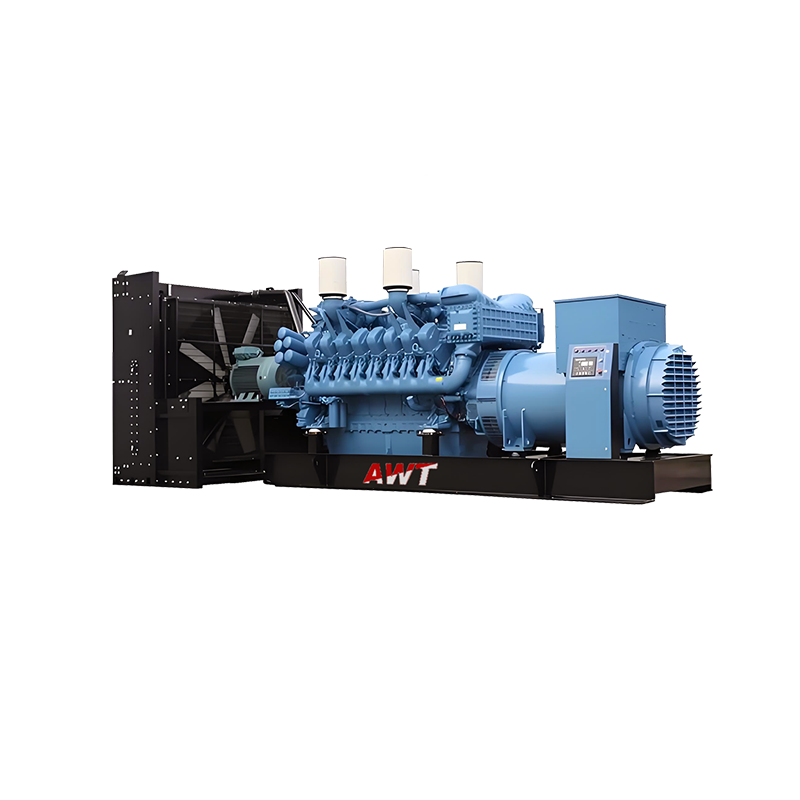
Reliable electricity is essential to modern infrastructure. Data centers, hospitals, telecommunication stations, industrial plants, mines, hotels, municipal facilities, marine installations, offshore platforms, and emergency response organizations all depend on power that remains available when the public grid becomes unstable or unavailable. In these environments, a diesel generator set is not simply a backup machine. It is a complete power-generation system that must start quickly, operate steadily, protect connected equipment, use fuel efficiently, and remain serviceable throughout a long operating life.
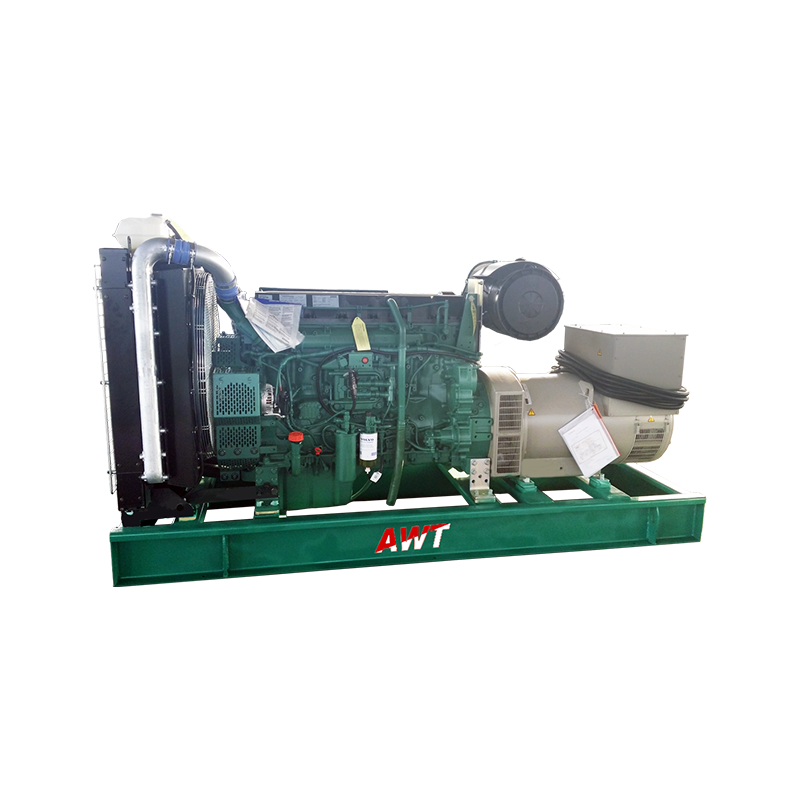
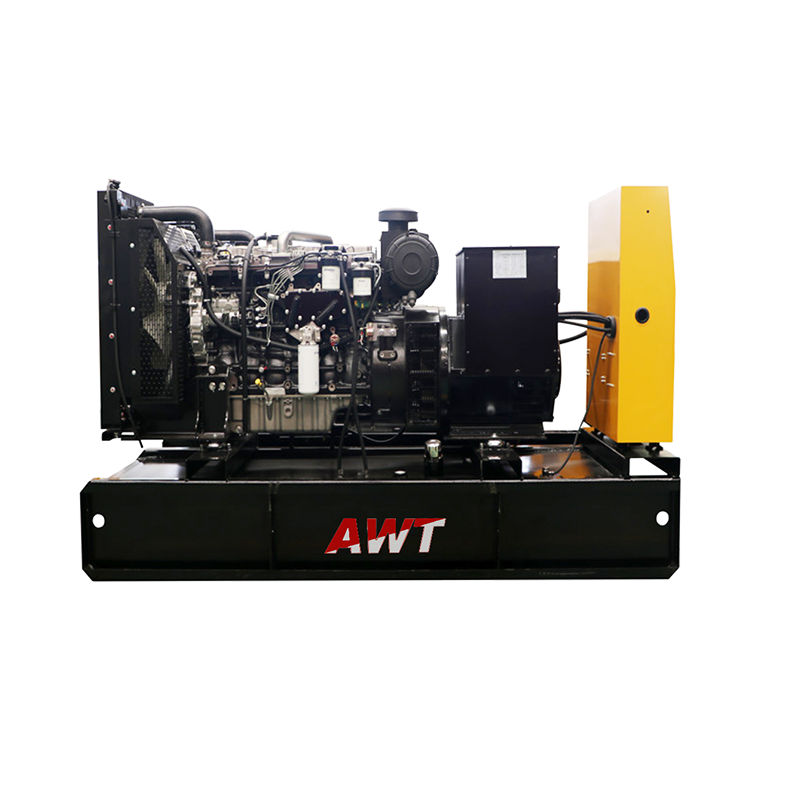
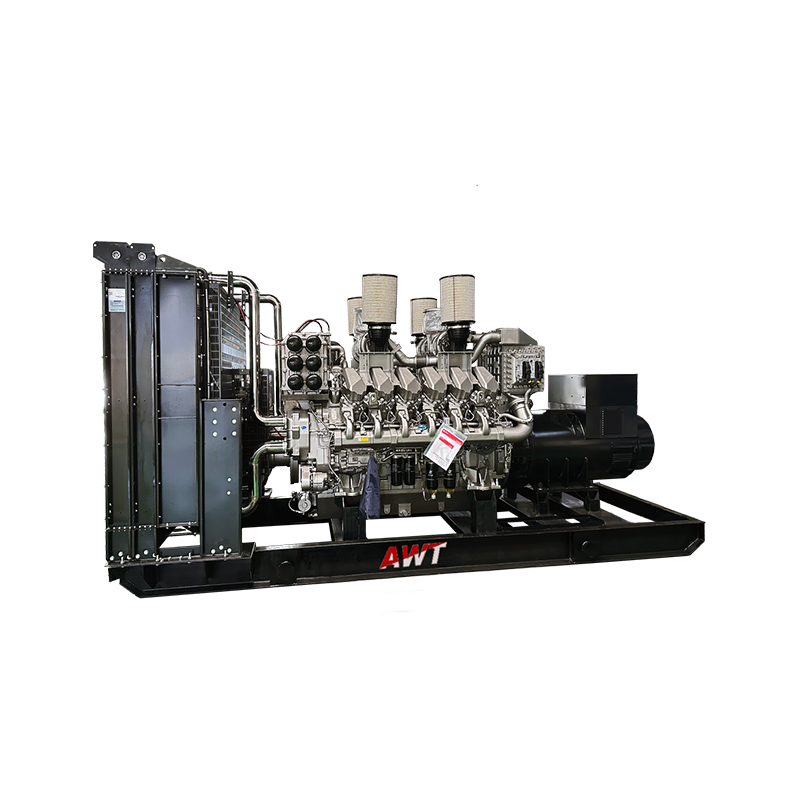
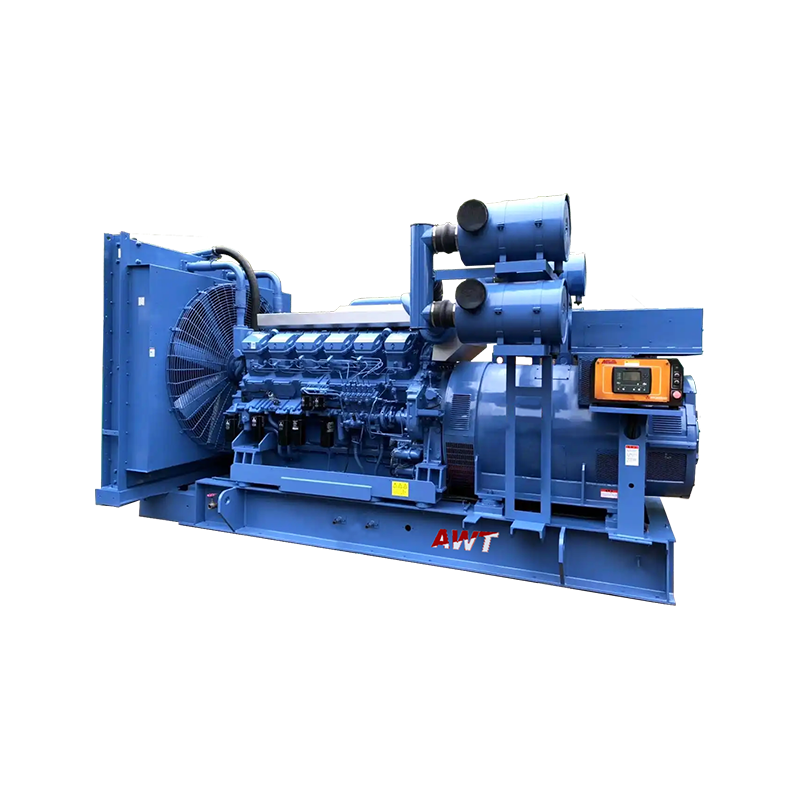
Cummins powered diesel generator sets are designed to meet these demanding requirements through the integration of original Cummins engines, high-quality brushless synchronous full-copper alternators, intelligent control systems, and carefully engineered generator-set configurations. The product series covers power outputs from 8 kW to 3,750 kW and supports standby, prime, and continuous power applications. This range allows users to select a suitable configuration for a small commercial facility, a large industrial project, or a complex multi-generator power station.
The value of this product is not based on the engine alone. A dependable generator set is the result of coordination among the engine, alternator, controller, cooling system, fuel system, enclosure, base frame, exhaust arrangement, protection functions, and manufacturing quality controls. When these elements are selected and assembled correctly, the final unit can provide stable power under difficult environmental and operating conditions.
The product is manufactured and supplied by Yangzhou Aiweite Electromechanical Co., Ltd., a professional manufacturer specializing in the production and installation of diesel generator sets. Founded in 2008, the company has developed capabilities covering generator-set manufacturing, project support, installation, quality management, and international customer service. Its product portfolio ranges from 1 kVA to 2,500 kVA, while the Cummins powered series described here covers a broader output range of 8 kW to 3,750 kW according to the selected model and configuration.
Designed to comply with ISO 8528 and GB/T 2820 requirements, these generator sets are suitable for organizations that need dependable power, manageable operating costs, convenient maintenance, and long-term technical support.
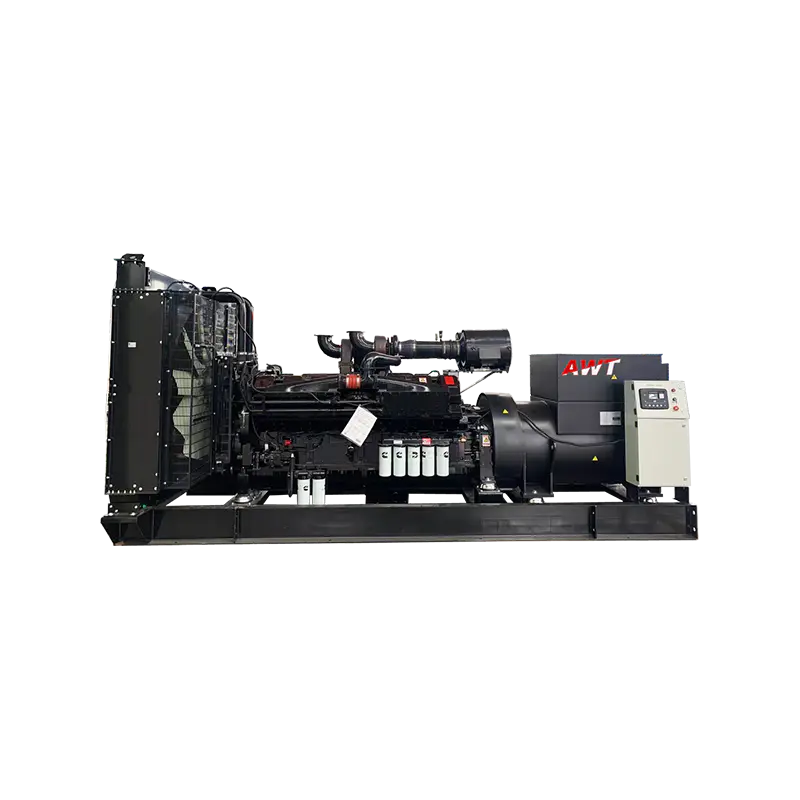
Cummins Powered Diesel Generator Sets
1. Product Overview
A diesel generator set combines a diesel engine and an electrical alternator to convert the chemical energy of fuel into usable electrical energy. The engine provides mechanical power through the crankshaft, while the alternator converts that mechanical rotation into electrical output. An intelligent controller monitors and manages the operating process, including starting, stopping, voltage, frequency, protection, alarms, and operating status.
Cummins powered diesel generator sets use original Cummins engines selected for their established performance, broad service experience, and suitability for demanding applications. These engines are paired with brushless synchronous full-copper alternators. The alternator design helps provide dependable electrical output while reducing the maintenance associated with brushed excitation systems. Full-copper windings also support effective conductivity and thermal performance when the alternator is correctly sized and operated within its rated conditions.
The series is intended for three principal operating modes:
Standby power is used when the generator set operates as an emergency source after a utility failure. The unit may remain idle for long periods and then start automatically when the main power supply is interrupted. This mode is common in offices, hospitals, hotels, telecommunications facilities, commercial buildings, and public infrastructure.
Prime power is used when the generator set serves as the main source of electricity or operates in locations where the utility grid is unavailable or unreliable. Prime-power applications may involve variable loads and extended running periods. Construction sites, remote projects, mines, agricultural facilities, temporary power systems, and isolated communities may require this operating mode.
Continuous power is used when the generator set operates for long periods at a relatively stable load. Continuous-power applications can include industrial production, remote power stations, marine projects, and other installations where the generator is expected to run as a permanent source of electricity.
Because different applications have different load profiles, ambient conditions, starting requirements, and operating schedules, the correct selection must be based on actual project information. Rated power, load type, starting current, altitude, temperature, humidity, fuel quality, noise requirements, emissions requirements, and maintenance access should all be considered during the specification process.
2. Main Technical Advantages
2.1 Original engine technology
The engine is the primary source of mechanical energy in a generator set. Original Cummins engines provide a strong foundation for the product because they are supported by extensive field experience across commercial, industrial, transportation, marine, and power-generation applications. Their established design philosophy emphasizes durability, fuel efficiency, serviceability, and stable performance under varied operating conditions.
A generator set often operates under conditions that are more demanding than those of a standard vehicle engine. It may need to accept a sudden electrical load, run for many hours, maintain a stable speed, and respond consistently to changing environmental conditions. An engine used in a power-generation configuration must therefore work effectively with the alternator and control system rather than being considered as an isolated component.
The use of an original engine helps reduce uncertainty regarding component compatibility and technical documentation. It also provides access to established maintenance procedures and replacement-part systems. For international users, this can be especially valuable because service resources and operating experience are available in many regions.
2.2 Brushless synchronous full-copper alternator
The alternator directly determines the quality of the electrical output. The product series uses high-quality brushless synchronous full-copper alternators designed to generate stable three-phase power for a wide range of loads. Brushless excitation reduces the need for routine brush replacement and helps simplify long-term maintenance.
The use of copper windings supports low electrical resistance and effective heat transfer when the alternator is operated according to its design parameters. Proper thermal management is essential because excessive heat can shorten insulation life and reduce component reliability. A suitable alternator must also tolerate motor starting, transient load changes, harmonics, and other electrical conditions that occur in real installations.
For sensitive facilities, alternator performance is particularly important. Data-processing equipment, medical systems, communication devices, automation systems, and variable-speed drives may respond poorly to unstable voltage or frequency. A correctly selected alternator, combined with an appropriate voltage regulation system and intelligent controller, helps provide a cleaner and more consistent supply.
2.3 Intelligent control and protection
The intelligent control system provides the operating interface between the generator set and the user. It can control automatic or manual starting, stopping, monitoring, alarm functions, and protection functions. Depending on the selected configuration, the controller can display key operating values such as voltage, current, frequency, engine speed, oil pressure, coolant temperature, battery condition, running hours, and load level.
Protection functions are essential for preventing damage during abnormal conditions. The controller can respond to situations such as low oil pressure, high coolant temperature, overspeed, overvoltage, undervoltage, overfrequency, underfrequency, overload, emergency stop, and charging-system faults. Early warnings allow operators to investigate developing problems, while shutdown protections help limit damage when a serious fault occurs.
Automatic transfer applications can use the generator controller together with an automatic transfer switch. When the utility supply fails or falls outside acceptable limits, the system can issue a start command to the generator. After the engine reaches stable speed and the output becomes acceptable, the load can be transferred to the generator. When utility power returns and remains stable for the required period, the load can be transferred back and the generator can complete a cooling-down cycle before stopping.
These functions reduce the need for constant manual intervention and help ensure that emergency power is available when it is needed. For unmanned sites, remote facilities, and critical buildings, intelligent control is one of the most important parts of the complete power solution.
2.4 Broad output range
The Cummins powered series covers 8 kW to 3,750 kW. Such a broad range allows the same general product family to address diverse power requirements. Smaller units can support retail premises, offices, workshops, telecommunications equipment, residential facilities, and small commercial projects. Medium-output units can serve factories, hotels, schools, hospitals, warehouses, and construction sites. Larger units can support industrial plants, data centers, mining projects, marine applications, and synchronized power stations.
Large projects may use several generator sets operating in parallel. Paralleling allows the total available capacity to be increased, provides operational flexibility, and can improve redundancy. For example, a facility may operate several units at moderate load instead of depending on one very large machine. Additional units can be started when demand increases, while one unit can be removed for maintenance without necessarily shutting down the complete power system.
The correct configuration depends on the required load, future expansion plans, redundancy target, starting-current requirements, and site conditions. A professional manufacturer can help the customer evaluate whether one unit, several synchronized units, or a combination of generator sets and other power equipment is most suitable.
2.5 Low fuel consumption and operating efficiency
Fuel is one of the largest operating costs associated with a diesel generator set. Engine efficiency therefore has a direct effect on the total cost of ownership. The product series is designed to provide low fuel consumption through the coordinated performance of the engine, fuel-injection system, combustion system, alternator, and control strategy.
Actual fuel consumption depends on the model, load level, operating mode, ambient conditions, maintenance status, fuel quality, and generator-set configuration. A unit operated at an appropriate load generally performs more efficiently than one that runs continuously at an extremely light load or is frequently overloaded. Correct sizing is therefore as important as engine design.
Efficient operation also supports longer maintenance intervals and reduces the amount of fuel that must be stored and transported. This is particularly beneficial for remote projects, temporary installations, and sites where fuel logistics are difficult. Lower fuel use can also help reduce the environmental impact associated with power generation.
2.6 Low emissions and environmental adaptability
Modern power-generation projects must consider emissions, noise, fuel storage, exhaust routing, and the impact of operation on nearby personnel and communities. The product description emphasizes low emissions and strong environmental adaptability. These features are important in urban projects, hospitals, hotels, telecommunications stations, and environmentally sensitive locations.
Environmental adaptability includes the ability to operate reliably under varying temperature, humidity, dust, altitude, and ventilation conditions. However, the final performance depends on correct engineering. High-altitude locations may require derating because the reduced air density affects combustion and cooling. High-temperature locations may require a larger radiator, improved ventilation, or a special cooling arrangement. Dusty environments may require enhanced air filtration and more frequent cleaning.
Marine and offshore projects introduce additional concerns, including salt spray, vibration, limited space, restricted maintenance access, and demanding corrosion-protection requirements. Mining sites may involve dust, uneven terrain, long operating cycles, and remote fuel supply. Emergency-response applications may require rapid deployment and dependable starting after long periods of inactivity. Each of these situations must be addressed during configuration and installation.
3. Product Design for Critical Power Applications
3.1 Data centers
Data centers require stable and uninterrupted power because servers, storage systems, networking equipment, cooling systems, fire protection, and security systems must remain operational. Even a short interruption may cause data loss, service disruption, equipment damage, or serious financial consequences.
Cummins powered generator sets can form part of a layered data-center power architecture. In a typical arrangement, the utility supply feeds an uninterruptible power supply, while the generator set provides longer-duration backup power. When the utility fails, the UPS supports the critical load immediately, and the generator starts and assumes the sustained load after reaching stable operating conditions.
Data-center applications require careful attention to step loading, harmonic currents, cooling, fuel autonomy, redundancy, synchronization, and testing. The generator set must be sized not only for the normal IT load but also for mechanical cooling systems and other essential building services. A professional design should evaluate the starting behavior of chillers, pumps, fans, and other large motors.
3.2 Hospitals and medical facilities
Hospitals depend on electricity for operating rooms, intensive-care units, imaging systems, laboratories, elevators, ventilation, refrigeration, communications, and life-support equipment. Emergency power must be available quickly and must remain stable under changing loads.
A hospital generator installation generally includes automatic starting, automatic transfer, emergency distribution, fuel storage, regular testing, and clearly defined maintenance procedures. The controller and protection system help operators monitor the generator while the alternator provides electrical output for essential circuits. Where high availability is required, multiple units can be installed for redundancy and maintenance flexibility.
Noise control and exhaust management are also important in healthcare environments. Proper enclosure design, vibration isolation, exhaust silencers, and suitable installation locations can help reduce the impact on patients, medical staff, and neighboring buildings.
3.3 Telecommunications stations
Telecommunication stations may be located in remote areas and may operate without permanent staff. A generator set for this application must be dependable after long standby periods, able to start automatically, and compatible with remote monitoring systems where required.
Telecommunications loads may be relatively stable, but they can be sensitive to voltage and frequency variations. Battery systems often provide short-term support, while the diesel generator supplies power during extended outages. Low fuel consumption is particularly valuable because service teams may need to travel long distances to refuel or maintain the site.
3.4 Industrial plants
Industrial facilities may use generator sets for emergency power, prime power, peak shaving, production continuity, or isolated operation. Industrial loads often include motors, compressors, pumps, heating equipment, welding systems, variable-frequency drives, and automation equipment. These loads can create high starting currents, harmonic distortion, and rapidly changing demand.
Industrial generator selection must therefore account for motor-starting requirements, load sequencing, transient response, short-circuit performance, and synchronization. A control system that can monitor load conditions and coordinate multiple units provides additional flexibility. The generator set should also be integrated with the plant’s protection and distribution system by qualified electrical engineers.
3.5 Mines and remote projects
Mines, construction projects, and remote industrial sites may have no reliable utility connection. They often require prime or continuous power for lighting, ventilation, pumps, conveyors, crushing equipment, workshops, accommodation facilities, and communication systems.
In these environments, generator sets must withstand long operating hours, difficult access, dust, vibration, changing loads, and challenging fuel logistics. A robust engine, efficient fuel consumption, accessible service points, and dependable control system can reduce operating interruptions. Multiple units can be synchronized to match changing production demand and provide backup during maintenance.
3.6 Marine and offshore applications
Marine and offshore facilities have strict requirements for reliability, space utilization, corrosion resistance, vibration control, and service access. Power may be needed for navigation, propulsion-related systems, pumps, winches, accommodation areas, emergency systems, and communications.
A marine or offshore generator installation must be designed around the vessel or platform’s classification, electrical architecture, ventilation, exhaust, fuel, and fire-safety requirements. The generator set itself may require special mounting, protective treatment, compact packaging, and additional monitoring. The product’s broad output range allows project engineers to select suitable units for auxiliary power, emergency power, or larger synchronized systems.
4. Manufacturing Process and Quality Strengths
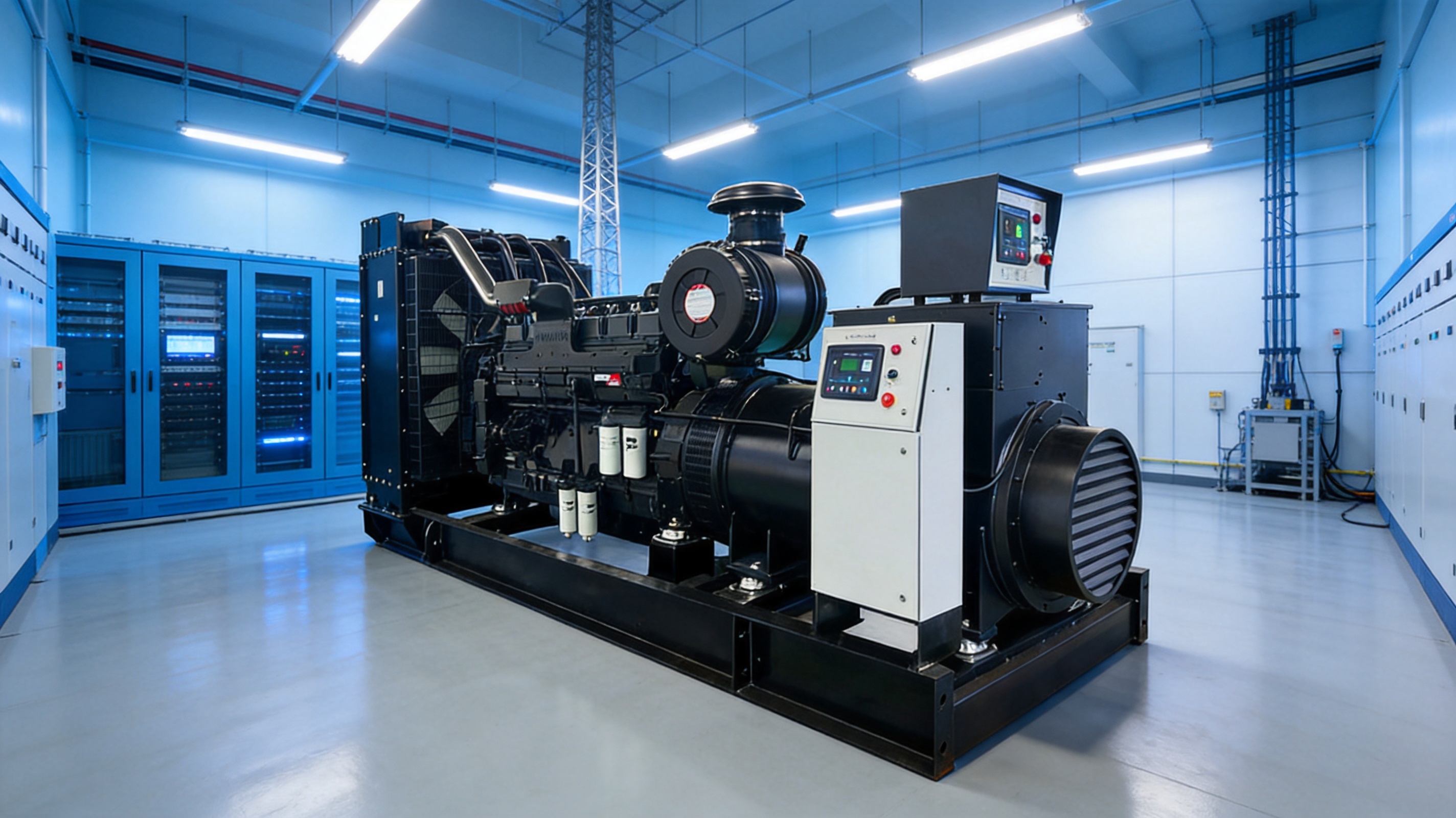
Generator-set reliability begins with manufacturing discipline. Even a high-quality engine can deliver poor results if the alternator is incorrectly matched, wiring is incomplete, cooling is inadequate, or the final assembly is not properly tested. The manufacturing process must therefore control every stage from technical review and component selection to assembly, testing, packaging, delivery, installation, and after-sales support.
4.1 Project and technical review
The first stage is understanding the customer’s application. Engineers should review the required output, voltage, frequency, phase arrangement, operating mode, load characteristics, altitude, ambient temperature, enclosure requirements, noise limits, fuel system, exhaust route, transportation conditions, and installation environment.
This review helps identify risks before production begins. A hospital may require automatic transfer and emergency distribution. A data center may need parallel operation and high redundancy. A mine may require heavy-duty cooling and dust protection. An offshore project may require corrosion-resistant treatment and special mounting. By evaluating the application at the beginning, the manufacturer can avoid unsuitable standard configurations.
4.2 Engine and alternator matching
Engine and alternator matching is a central engineering task. The engine must provide enough mechanical power to drive the alternator at the required speed while maintaining stable frequency under load. The alternator must have suitable capacity for the active load, reactive load, motor starting, and transient conditions.
Improper matching may lead to poor voltage recovery, excessive smoke, overheating, unstable frequency, or inadequate motor-starting performance. Correct matching also supports fuel efficiency because the engine can operate within an appropriate working range. The technical team must consider the generator’s rated power, power factor, duty classification, and expected load profile.
4.3 Precision assembly
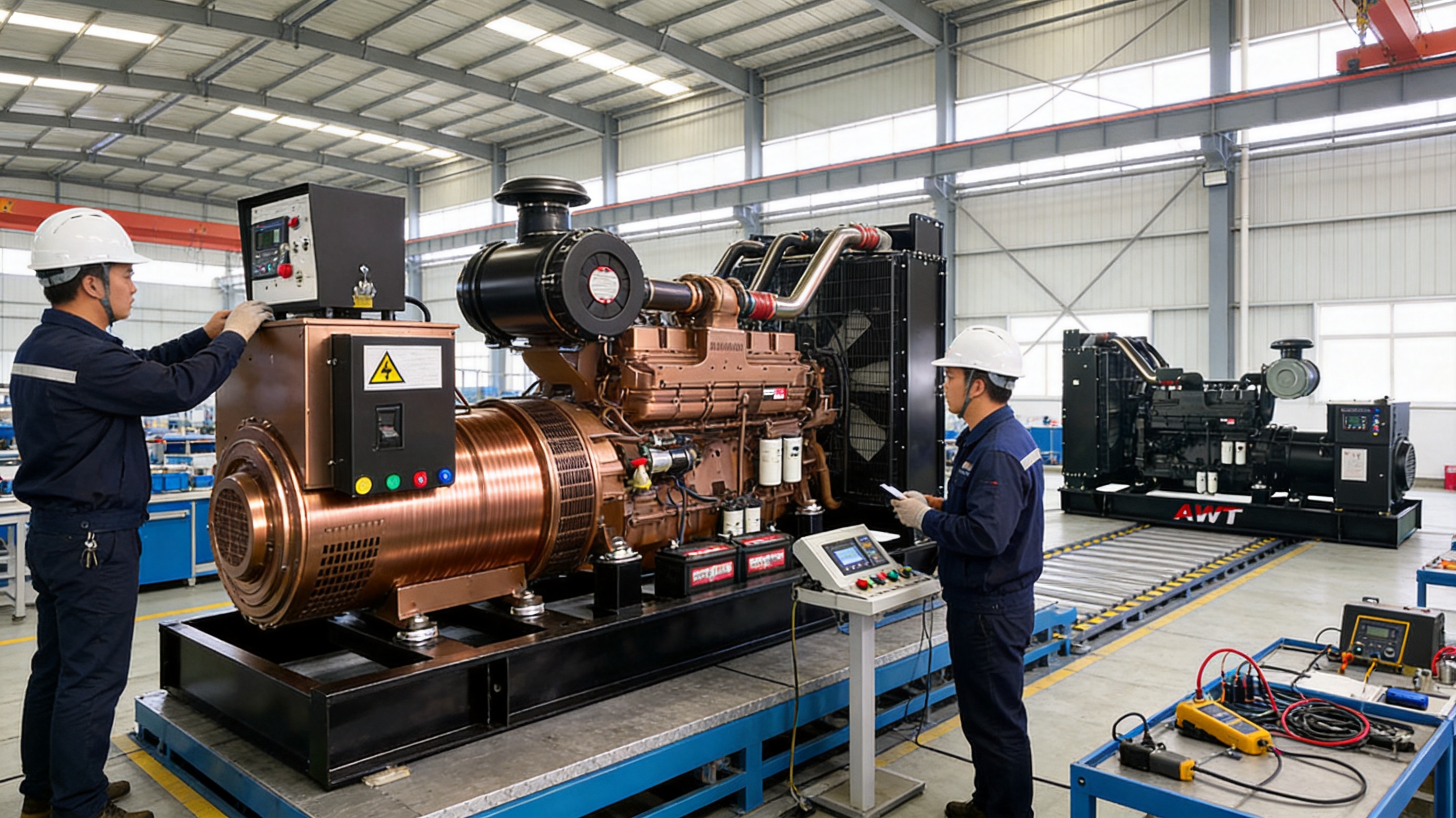
During assembly, the engine, alternator, base frame, control panel, radiator, exhaust components, fuel system, batteries, and protective devices are installed as an integrated system. Accurate alignment between the engine and alternator is important because misalignment can cause vibration, coupling stress, bearing wear, and premature failure.
The base frame must provide adequate structural strength and suitable mounting points. Anti-vibration mounts help reduce the transfer of engine vibration to the foundation. Fuel lines and electrical cables must be routed safely and protected from heat, sharp edges, and mechanical damage. Control-panel wiring should be clearly identified and secured to support future inspection and maintenance.
For enclosed units, the enclosure must balance noise reduction, weather protection, ventilation, access, and heat rejection. Inadequate airflow can cause high coolant temperature and derating, while excessive openings may reduce acoustic performance or allow water and dust to enter. Proper design requires coordination among the engine, radiator, fan, enclosure, air inlet, hot-air outlet, and exhaust system.
4.4 Electrical integration
Electrical integration includes alternator connections, voltage regulation, battery charging, control circuits, emergency stop systems, output breakers, grounding, and customer interface terminals. The control panel must present operating information clearly and provide suitable alarms and shutdown protections.
For parallel systems, additional equipment may include synchronizing controls, load-sharing functions, circuit breakers, communication interfaces, and protection relays. These components must be configured and tested as a complete system rather than treated as independent accessories.
4.5 Factory testing
Testing is one of the most important manufacturing steps. Before delivery, a generator set should be inspected for assembly quality, wiring accuracy, fluid levels, battery condition, fastener security, and visible damage. It should then be started and operated under controlled conditions.
Functional testing may include checking starting and stopping, emergency stop operation, voltage and frequency, oil pressure, coolant temperature, alarms, shutdown protections, battery charging, output breaker operation, and controller display functions. Load testing helps verify that the engine and alternator can perform at the specified output and respond to load changes.
Where the project requires it, testing may include step-load response, automatic transfer operation, parallel synchronization, remote monitoring, noise evaluation, and site-specific protection checks. Test records provide useful documentation for the customer and establish a reference point for future maintenance.
4.6 Quality management
Strict quality management should continue throughout the manufacturing process rather than being limited to the final inspection. Incoming components must be checked against specifications. Assembly procedures should be controlled. Inspection points should be recorded. Nonconforming components or workmanship should be identified and corrected before shipment.
The company’s stated commitment to advanced manufacturing equipment and strict quality management supports consistent production. Compliance with ISO 8528 and GB/T 2820 provides a technical framework for generator-set performance and classification. International standards do not replace project-specific engineering, but they help establish recognized principles for rating, testing, and performance evaluation.
| Product Element | Function | Customer Benefit |
|---|---|---|
| Original diesel engine | Provides mechanical power for the alternator | Established performance, service experience, and dependable operation |
| Brushless synchronous alternator | Converts mechanical energy into electrical energy | Stable output and reduced routine brush maintenance |
| Full-copper windings | Conduct electrical current and transfer heat | Good conductivity and thermal performance when correctly operated |
| Intelligent controller | Monitors, controls, and protects the generator set | Automatic operation, clear status information, and fault protection |
| Cooling system | Removes heat from the engine and alternator | Reliable operation under suitable environmental conditions |
| Acoustic and weather enclosure | Protects the equipment and controls sound | Improved suitability for outdoor and noise-sensitive installations |
| Factory load testing | Verifies electrical and mechanical performance | Greater confidence before shipment and installation |
| Professional installation support | Connects the generator set to the site system | Better commissioning quality and safer operation |
5. Advantages Compared with Less Integrated Generator Sets
Many generator sets may appear similar when viewed only by rated output. However, significant differences can exist in engine origin, alternator quality, controller capability, assembly accuracy, testing procedures, documentation, and after-sales support. The main advantages of this product series come from the way these elements are combined.
5.1 More dependable component integration
A generator set built from carefully matched components can deliver more predictable results than a unit assembled from unrelated parts. The engine, alternator, controller, cooling system, and protection devices must work together during starting, loading, unloading, and shutdown. Integrated engineering reduces the risk of incompatibility and makes troubleshooting more straightforward.
5.2 Better suitability for critical loads
Critical loads need more than nominal power. They need stable voltage, controlled frequency, appropriate transient response, protection against abnormal conditions, and reliable automatic starting. The combination of an original engine, brushless alternator, and intelligent controller makes the product suitable for facilities where power quality and availability are essential.
5.3 Lower maintenance burden
Brushless alternator technology reduces the routine maintenance associated with brushes and slip rings. Accessible service points, established engine maintenance procedures, clear controller information, and a professional installation process can further reduce service time. Easy maintenance does not mean maintenance can be neglected. Oil, filters, coolant, batteries, belts, hoses, fuel systems, and electrical connections still require scheduled inspection.
5.4 Greater application flexibility
The wide output range and available configuration options make the product suitable for different industries and operating modes. It can be supplied as a compact unit, an open generator set for an equipment room, a weatherproof outdoor configuration, or part of a synchronized multi-unit installation. This flexibility is useful for engineering contractors, equipment distributors, facility owners, and international project developers.
5.5 Stronger lifecycle value
The initial purchase price is only one part of a generator set’s cost. Fuel consumption, maintenance, downtime, replacement parts, installation, testing, and service support all affect the lifecycle value. A dependable product with efficient operation and accessible support can provide better long-term value than a cheaper unit that experiences frequent faults or requires difficult repairs.
6. Installation and Commissioning Considerations
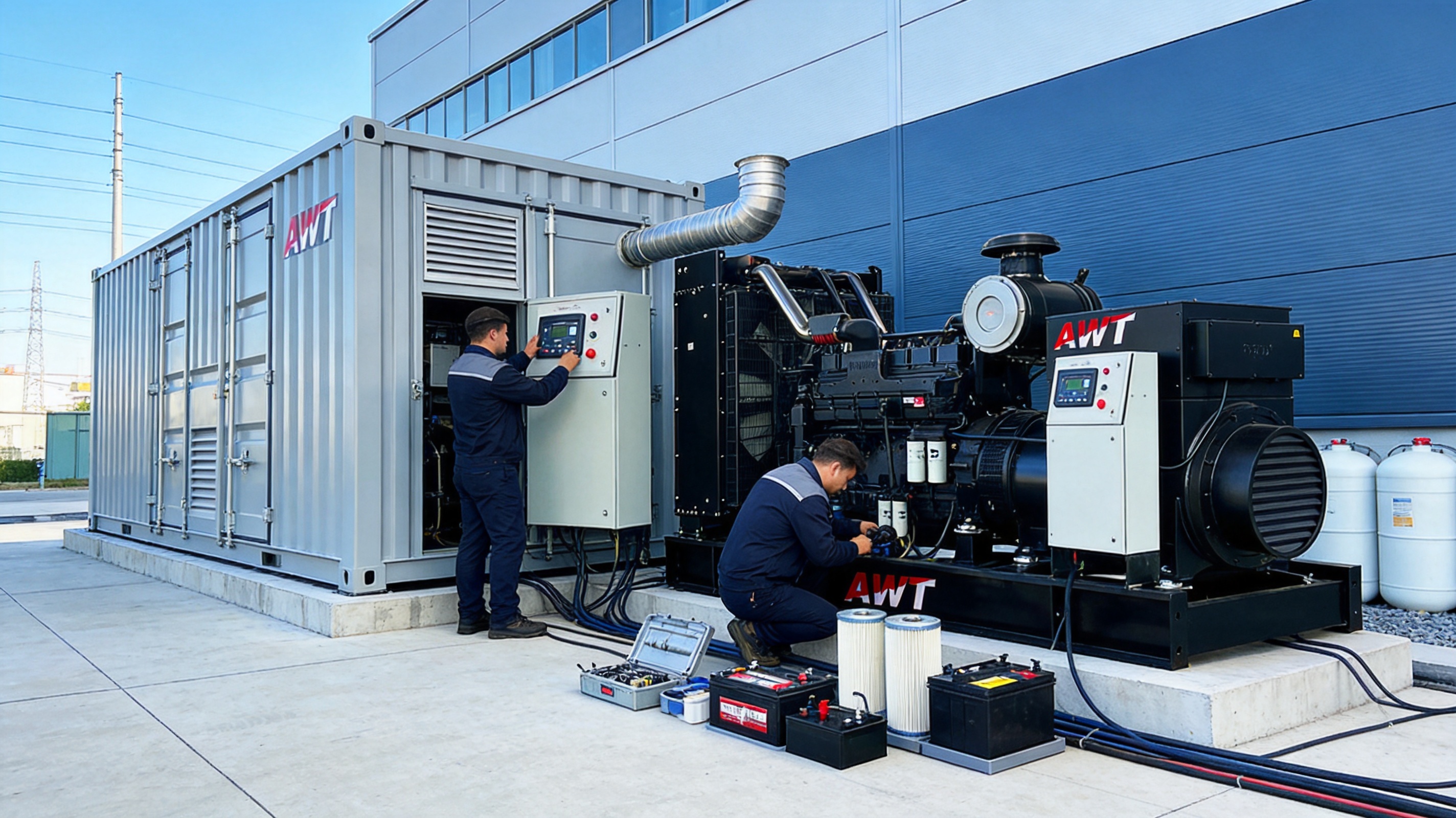
Correct installation is essential for realizing the performance of any generator set. The equipment should be installed on a foundation capable of supporting its weight and resisting vibration. Adequate clearance must be provided for inspection, maintenance, air movement, and component removal.
Ventilation must be designed to supply sufficient combustion air and remove heat generated by the engine, radiator, exhaust system, and alternator. The hot-air discharge should not return to the air inlet. In enclosed rooms, the ventilation system should account for the radiator fan, room temperature, external duct resistance, and possible operation at high ambient temperature.
The exhaust system must be routed safely and sized according to the engine requirements. It should minimize back pressure and prevent exhaust gases from entering occupied areas or air-intake openings. Exhaust components become hot during operation and must be protected from contact with personnel and combustible materials.
The fuel system should include suitable storage, filtration, piping, ventilation, and spill-control measures. Fuel quality and cleanliness affect engine performance and injector life. Long-term storage should be managed carefully because water contamination, sediment, and biological growth can create operating problems.
Electrical installation should be completed by qualified personnel. The output cable must be correctly sized for current, voltage drop, insulation, temperature, and installation method. Grounding and bonding must follow the applicable electrical regulations. The generator breaker, automatic transfer switch, distribution equipment, and protective devices must be coordinated so that faults can be isolated safely.
Commissioning should include no-load checks, load checks, automatic transfer tests, emergency stop tests, alarm verification, and confirmation of the customer’s operating procedures. Operators should be trained to understand the controller, daily inspections, emergency actions, warning indications, and maintenance schedule.
7. Maintenance and Long-Term Reliability
Preventive maintenance is essential even when a generator set operates only occasionally. Standby units may remain unused for weeks or months, but they must be ready to start immediately during an outage. Regular inspections help identify battery discharge, coolant loss, fuel contamination, rodent damage, corrosion, loose connections, and deteriorated hoses before these problems cause a failure.
Daily or weekly checks may include oil level, coolant level, fuel level, battery condition, visible leaks, control-panel alarms, and the general condition of the installation. Periodic maintenance should include oil and filter replacement, fuel-filter inspection, air-filter service, cooling-system checks, belt and hose inspection, battery testing, alternator inspection, and cleaning of the generator room or enclosure.
Standby generator sets should be exercised under load at appropriate intervals. Short no-load starts may confirm that the engine can start, but they do not fully verify the generator’s ability to carry the facility load. Load-bank testing or controlled facility-load testing can help confirm electrical performance and identify problems that may not appear during idle operation.
Prime and continuous-power units require maintenance based on operating hours and load conditions. Oil changes, filter replacement, valve inspection, cooling-system service, fuel-system maintenance, and major engine inspections should follow the applicable technical schedule. Maintenance records should include dates, running hours, measured values, replaced components, reported alarms, and corrective actions.
Using qualified service personnel and suitable replacement parts helps preserve the performance of the original engine and alternator. The manufacturer’s technical support can also assist with troubleshooting, installation reviews, commissioning, and long-term service planning.
8. Environmental and Operating Adaptability
Generator sets are frequently installed in environments that differ substantially from standard factory conditions. A professional selection process must evaluate the local climate and operating situation before the equipment is produced.
At high altitude, lower atmospheric pressure reduces the amount of oxygen available for combustion and may reduce engine output. At high ambient temperatures, the cooling system may need additional capacity. In cold climates, starting aids, suitable lubricants, battery capacity, coolant protection, and fuel treatment become more important. In humid or coastal environments, corrosion protection and electrical insulation require special attention.
Dusty environments can block air filters and radiator surfaces. Regular cleaning and an appropriate filtration arrangement are necessary. In areas with sand or construction dust, the enclosure and ventilation system should be selected to reduce the entry of contaminants without restricting airflow.
Noise may be a major issue in hospitals, hotels, residential districts, schools, and urban commercial projects. Acoustic enclosures, exhaust silencers, vibration isolation, and suitable installation locations can reduce noise. The final sound level depends on the engine, load, enclosure, distance, surrounding structures, and measurement conditions.
Environmental responsibility also includes efficient fuel use, proper handling of lubricants and filters, prevention of fuel spills, responsible battery disposal, and compliance with applicable emissions requirements. A generator set should be operated and maintained in accordance with local environmental and safety regulations.
9. Company Manufacturing and Service Capabilities
Yangzhou Aiweite Electromechanical Co., Ltd. was founded in 2008 and specializes in the manufacture and installation of diesel generator sets. The company’s stated product coverage ranges from 1 kVA to 2,500 kVA, supporting projects that require small commercial units as well as larger industrial systems. Its international business has expanded since the foreign trade operation was launched in 2022.
The company’s strengths include manufacturing experience, advanced production equipment, quality management, project support, and customer service before, during, and after delivery. These capabilities are important because generator-set projects involve more than the shipment of a machine. Customers may need technical selection, configuration confirmation, documentation, logistics coordination, installation, commissioning, operator training, and service assistance.
A long-term supplier should be able to communicate clearly about rated power, operating mode, delivery scope, testing, spare parts, warranty conditions, installation requirements, and maintenance responsibilities. The company’s stated principles of quality first and customer first provide a foundation for this type of cooperation.
For international customers, manufacturing support is especially valuable when it includes export-oriented documentation, clear technical specifications, responsive communication, and an understanding of local project conditions. A supplier that can coordinate product engineering and installation support can help reduce project delays and improve commissioning results.
10. Selecting the Correct Generator Set
Customers should begin the selection process by calculating the actual connected load and identifying which loads are essential. The total rated capacity of connected equipment is not always equal to the required generator size. Motors, compressors, pumps, transformers, welding equipment, and other inductive loads may require additional capacity during starting.
The operating mode must then be identified. A standby generator for occasional emergency operation may have a different rating from a prime-power generator expected to run continuously. The customer should also determine whether the load is constant or variable, whether future expansion is expected, and whether the generator will operate alone or in parallel with other units.
Voltage, frequency, phase configuration, power factor, harmonics, and distribution voltage must be confirmed. Environmental information should include altitude, minimum and maximum temperature, humidity, dust, corrosive atmosphere, and installation elevation. The customer should also provide noise restrictions, enclosure requirements, transportation limitations, and available maintenance space.
Fuel autonomy is another important consideration. The required tank size depends on generator load, fuel consumption, operating hours, refueling availability, safety rules, and site logistics. Critical facilities may need separate fuel storage, monitoring, and emergency replenishment procedures.
Finally, the customer should consider service support. A generator set is a long-term asset, and the availability of technical assistance, maintenance guidance, replacement parts, and trained personnel may be as important as the initial product specification.
11. Frequently Asked Questions
What power range is available?
The Cummins powered diesel generator series covers outputs from 8 kW to 3,750 kW. The exact model depends on the required operating mode, voltage, frequency, load profile, environmental conditions, and project configuration.
What is the difference between standby, prime, and continuous power?
Standby power is intended for emergency operation when the utility supply fails. Prime power is suitable for extended operation where the generator is the main or temporary power source. Continuous power is intended for long-term operation at a relatively stable load. The correct rating must be selected according to the actual duty cycle.
Why is a brushless alternator beneficial?
A brushless alternator reduces the routine maintenance associated with brushes and slip rings. It can provide dependable electrical output when correctly selected, installed, operated, and maintained.
Are these generator sets suitable for data centers?
Yes. They can be used as part of a data-center backup-power system, subject to correct sizing and integration with UPS equipment, automatic transfer systems, cooling loads, distribution equipment, and redundancy requirements.
Can the generator sets operate in parallel?
Large installations can be configured with multiple generator sets operating in parallel when suitable synchronizing, load-sharing, protection, and distribution equipment is included. The project should be engineered as a complete system.
How should generator-set capacity be calculated?
Capacity should be calculated from the essential load, motor-starting requirements, transient behavior, power factor, harmonic content, future expansion, and operating mode. Simply adding the nameplate ratings of all equipment may not produce an accurate result.
What manufacturing checks are important before delivery?
Important checks include assembly inspection, wiring verification, fluid and battery checks, starting and stopping tests, voltage and frequency verification, alarm and shutdown checks, output-breaker operation, and load testing. Additional checks may be required for automatic transfer, synchronization, remote monitoring, and project-specific functions.
How often should a standby generator be tested?
Standby units should be inspected and exercised according to the manufacturer’s maintenance recommendations and the customer’s safety or facility requirements. Periodic load testing is useful because it verifies the complete power system more effectively than a brief no-load start.
Can the generator set be used in high-altitude or high-temperature areas?
It can be configured for challenging environmental conditions, but the project must provide accurate altitude and temperature information. Derating, enhanced cooling, modified air intake, or other adjustments may be necessary.
What support can a professional manufacturer provide?
Support may include product selection, technical configuration, manufacturing, factory testing, delivery documentation, installation, commissioning, operator training, maintenance guidance, and after-sales service. The exact scope should be confirmed before the order is finalized.
12. Conclusion
Cummins powered diesel generator sets provide a dependable solution for organizations that cannot tolerate unstable or interrupted electricity. By combining original Cummins engines, brushless synchronous full-copper alternators, intelligent control systems, appropriate protection functions, and professional manufacturing processes, the series addresses the practical requirements of standby, prime, and continuous power applications.
The product’s output range from 8 kW to 3,750 kW supports a wide variety of installations, from telecommunications stations and small commercial facilities to data centers, hospitals, industrial plants, mines, marine projects, offshore platforms, and emergency power systems. Its principal advantages include established engine technology, stable electrical output, efficient operation, low emissions, easy maintenance, environmental adaptability, and flexible configuration.
However, the performance of any generator set depends on more than its catalog rating. Correct sizing, engineering, installation, commissioning, testing, operation, and preventive maintenance are all essential. A reliable manufacturer contributes value at each stage by matching the engine and alternator, controlling assembly quality, testing the finished unit, supporting installation, and providing long-term technical assistance.
With manufacturing experience since 2008, advanced production equipment, strict quality management, and a commitment to customer support, Yangzhou Aiweite Electromechanical Co., Ltd. provides a professional foundation for diesel generator-set projects. For customers seeking stable, durable, efficient, and environmentally responsible power, a correctly configured Cummins powered generator set can serve as a strong long-term solution.
References
1. ISO 8528, Reciprocating Internal Combustion Engine Driven Alternating Current Generating Sets.
2. GB/T 2820, Reciprocating Internal Combustion Engine Driven Alternating Current Generating Sets.
3. Cummins Technical Information for Diesel Engines Used in Power Generation Applications.
4. Electrical Generator Design and Application Engineering Principles.
5. International Practices for Emergency and Standby Power System Installation.
6. Manufacturer-provided product, manufacturing, and company information supplied for this article.