English
 Français
 Español
Advanced Diesel Generator Sets for Reliable Industrial and Emergency Power
Oct 02, 2026
Content
- 1 1. Product Overview and Power Range
- 2 2. Genuine Yuchai Diesel Engine Technology
- 3 3. Full-Copper Brushless Alternator
- 4 4. Intelligent Control and Protection Systems
- 5 5. Compliance, Inspection, and Quality Orientation
- 6 6. Manufacturing Strengths of the Supplier
- 7 7. Environmental Adaptability and Application Value
- 8 8. Advantages Compared with Generic or Lower-Quality Alternatives
- 9 9. Applications Across Different Industries
- 10 10. Maintenance and Lifecycle Management
- 11 11. Buyer’s Selection Checklist
- 12 12. Installation and Commissioning Considerations
- 13 13. Environmental and Economic Responsibility
- 14 14. Why Supplier Capability Matters
- 15 15. Frequently Asked Questions
- 15.1 Q1: What power range is available for the Yuchai Powered Diesel Generator Sets?
- 15.2 Q2: Are these generator sets suitable for standby and prime-power applications?
- 15.3 Q3: What is the advantage of using a genuine Yuchai engine?
- 15.4 Q4: Why is a full-copper brushless alternator beneficial?
- 15.5 Q5: What does the intelligent control system do?
- 15.6 Q6: Can the generator sets be customized?
- 15.7 Q7: What industries commonly use these generator sets?
- 15.8 Q8: How should buyers compare this product with a lower-priced alternative?
- 15.9 Q9: What information should be provided when requesting a quotation?
- 15.10 Q10: Does the manufacturer provide installation support?
- 15.11 Q11: How can generator reliability be maintained?
- 15.12 Q12: Are these units suitable for harsh environments?
- 16 16. Conclusion
- 17 References
- 18 Product: Yuchai Powered Diesel Generator Sets
Reliable electrical power is essential for modern industry, healthcare, communications, infrastructure, construction, and emergency response. When the public grid is unavailable, unstable, or unable to supply the required capacity, a diesel generator set provides an independent source of electricity that can be deployed quickly and operated under demanding conditions. For organizations that cannot tolerate prolonged downtime, selecting the right generator is not simply a matter of comparing rated output. Engine quality, alternator construction, control intelligence, fuel efficiency, serviceability, environmental adaptability, manufacturing discipline, and long-term supplier support all influence the real value of a power system.
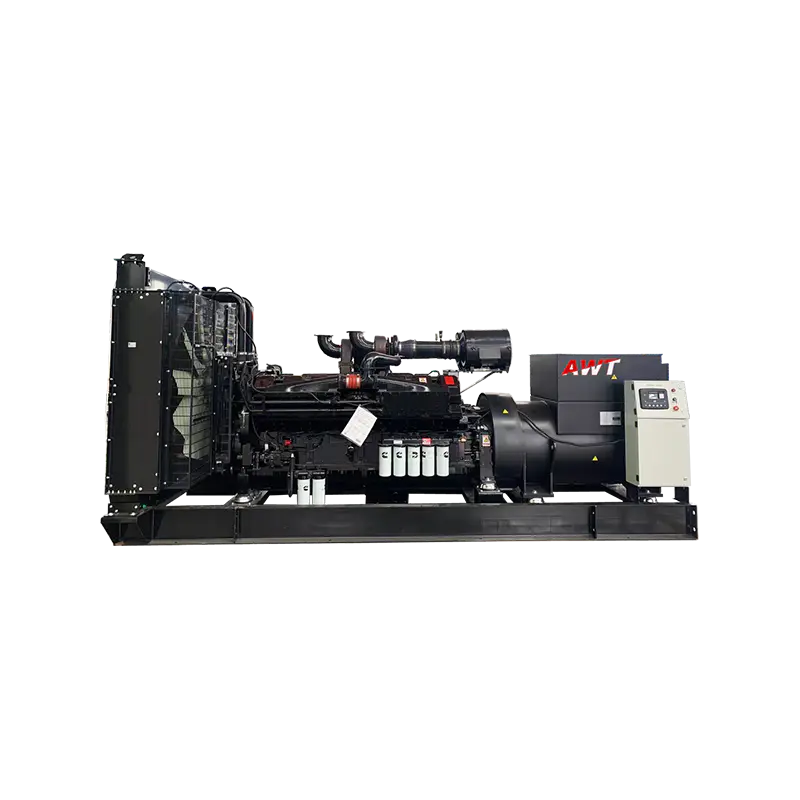
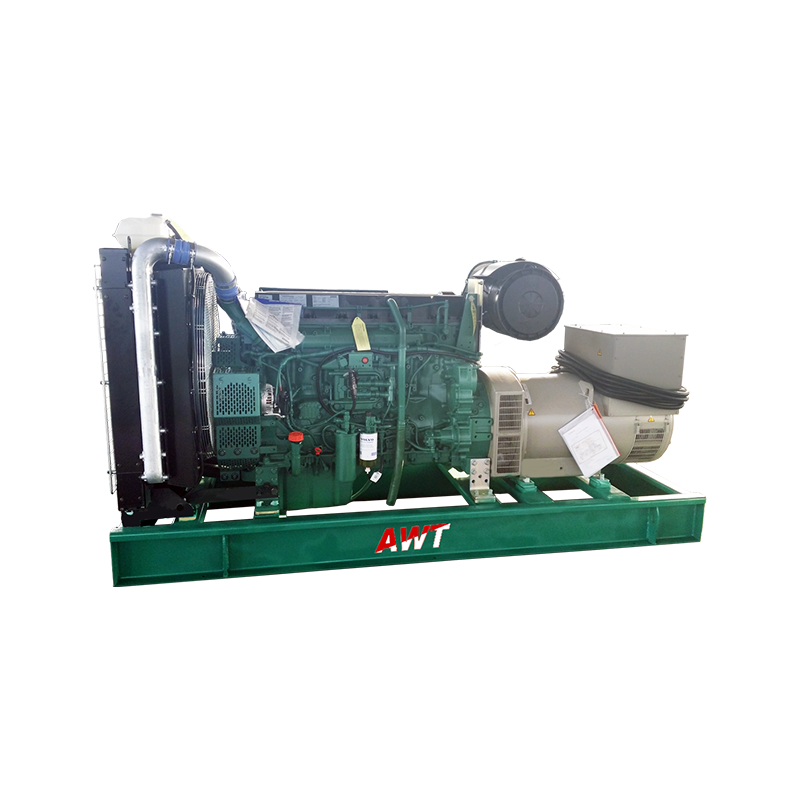
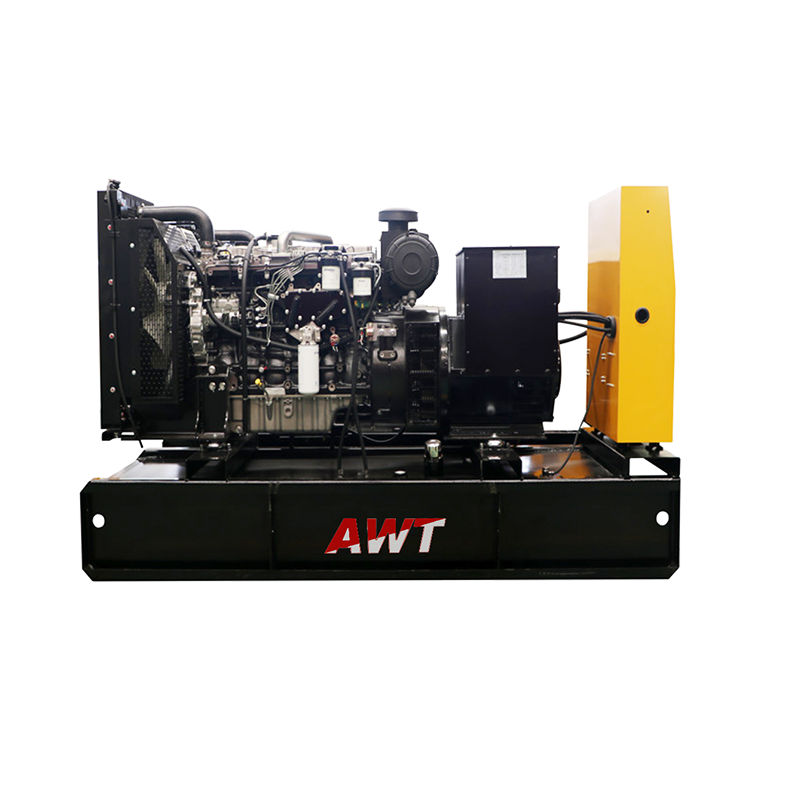
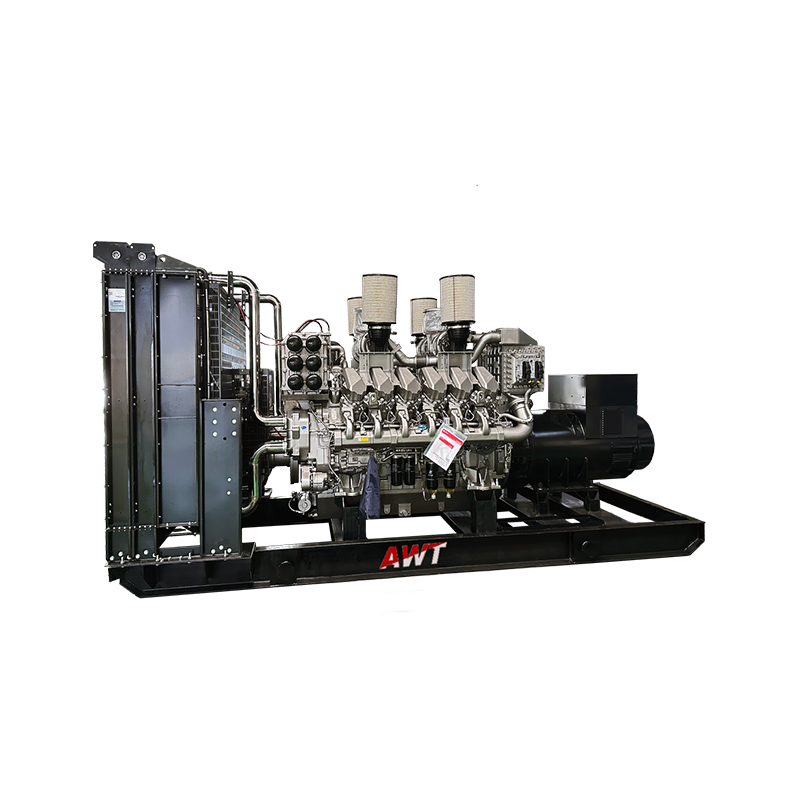
Yuchai Powered Diesel Generator Sets are designed to address these requirements through the combination of genuine Yuchai diesel engines, full-copper brushless alternators, intelligent control systems, and a broad power range from 10 kW to 4,200 kW. The product family is intended for standby, prime, and continuous power applications, allowing users to select a configuration that matches their operating profile. It is suitable for factories, hospitals, telecommunications stations, municipal projects, mines, oilfields, commercial facilities, and emergency rescue operations.
Manufactured and supplied by Yangzhou Aiweite Electromechanical Co., Ltd., these generator sets are supported by a production organization focused on stable performance, quality control, project coordination, and after-sales service. The company has specialized in the manufacture and installation of diesel generator sets since 2008 and has developed experience in serving customers across different markets. Its foreign trade business, launched in 2022, further supports international cooperation and global project delivery.
This article examines the product’s principal advantages, its component architecture, its application value, the manufacturing and quality principles behind it, and the factors that distinguish it from less integrated or lower-quality alternatives.
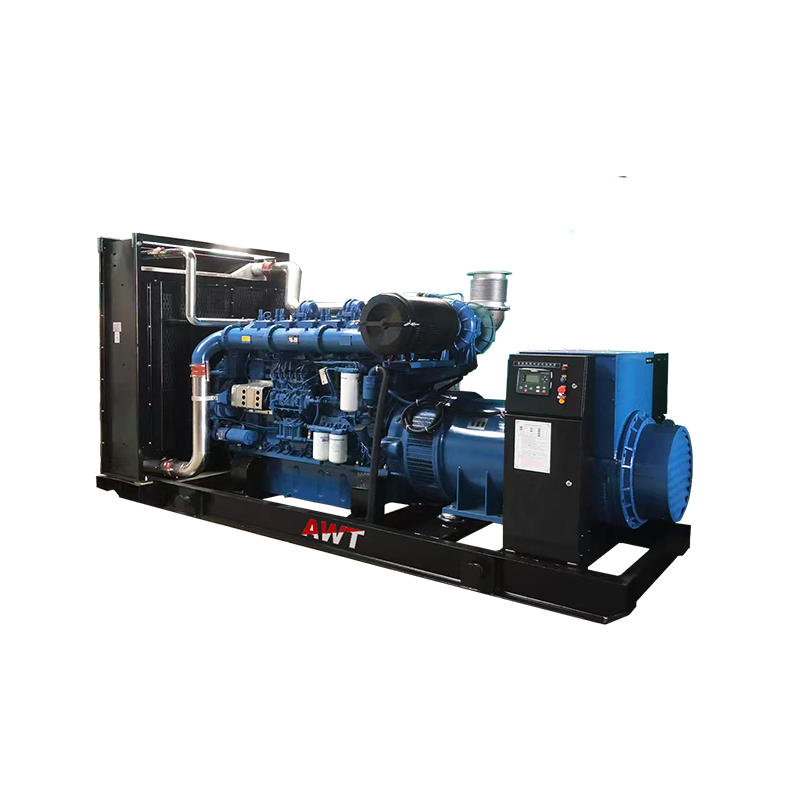
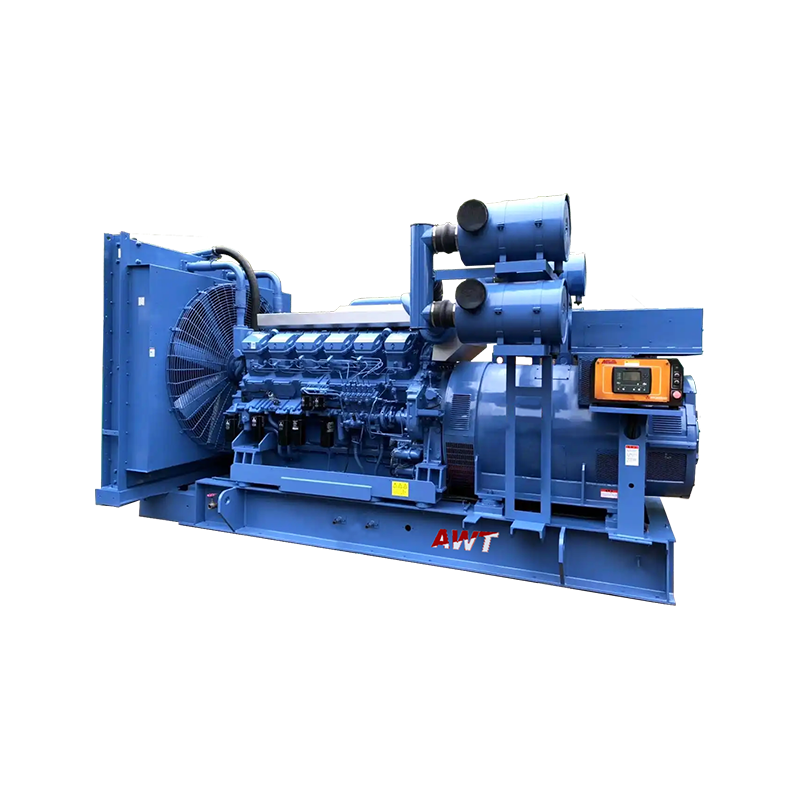
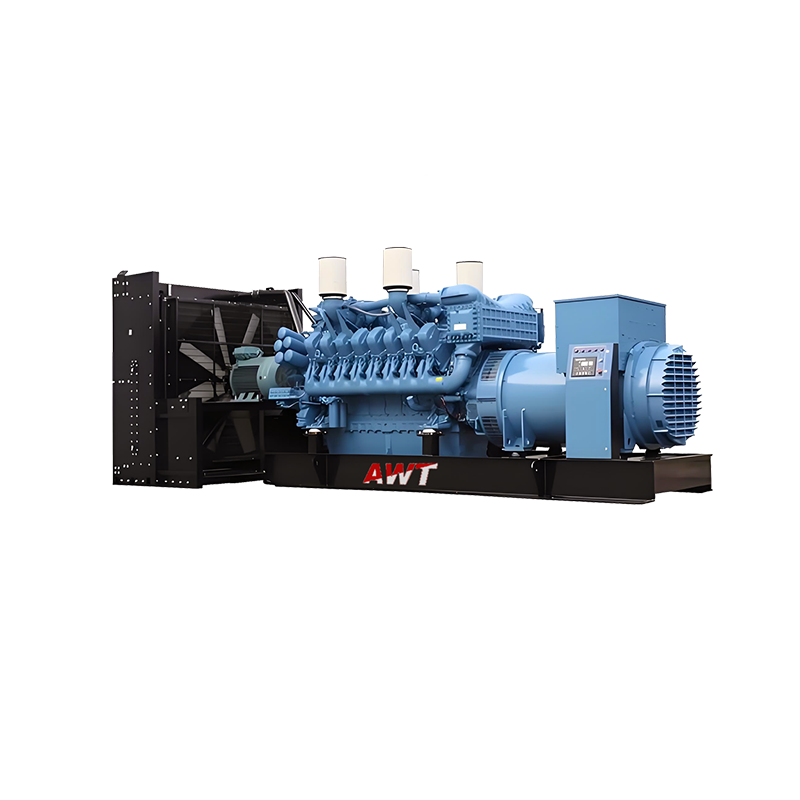
Yuchai Powered Diesel Generator Sets
1. Product Overview and Power Range
A diesel generator set is an integrated power-generation system rather than a single machine. It normally consists of a diesel engine, an alternator, a base frame, a fuel system, a cooling system, an exhaust system, a control panel, electrical protection equipment, and supporting accessories. The performance of the complete set depends on how effectively these elements are matched and assembled.
The Yuchai Powered Diesel Generator Set product range covers outputs from 10 kW to 4,200 kW. This range allows the same product family to serve relatively compact commercial loads as well as large industrial or infrastructure projects. Smaller units may be used for offices, retail facilities, workshops, communication equipment, and small medical sites. Medium-capacity units can support factories, buildings, farms, construction sites, and municipal facilities. Larger systems are suitable for industrial plants, mines, oilfields, large data-related installations, and centralized power projects.
The available power range also supports different operating modes. Standby power is used when the normal utility supply fails. Prime power is used where the generator operates as the main source of electricity and load demand may vary. Continuous power is intended for stable, long-duration operation at a consistent load profile. Correctly defining the operating mode is essential because it affects engine loading, maintenance planning, fuel consumption, expected service life, and generator sizing.
Users should select capacity based not only on the total connected load but also on motor starting currents, non-linear loads, future expansion, load diversity, ambient conditions, altitude, and the required reserve margin. An appropriately selected generator can operate efficiently and respond smoothly to load changes. An undersized set may experience overloads and excessive thermal stress, while an excessively oversized unit may run at light load for long periods, reducing fuel efficiency and potentially creating maintenance concerns.
| Application Type | Typical Power Requirement | Important Selection Considerations | Recommended Operating Focus |
|---|---|---|---|
| Small commercial or institutional backup | Approximately 10 kW to 200 kW | Essential circuits, starting loads, automatic transfer, noise control | Standby reliability and easy maintenance |
| Factories and workshops | Approximately 200 kW to 1,000 kW | Motors, welding equipment, production continuity, load sequencing | Prime or standby operation with robust protection |
| Telecommunications and critical facilities | Approximately 10 kW to 500 kW | Extended autonomy, remote monitoring, stable voltage and frequency | Automatic operation and dependable emergency response |
| Mines, oilfields, and heavy industry | Approximately 500 kW to 4,200 kW | Harsh environments, high starting loads, continuous operation, logistics | Prime or continuous power with strong environmental adaptability |
| Municipal and emergency projects | Project dependent | Rapid deployment, operational continuity, service access, safety | Standby or prime power with comprehensive support |
2. Genuine Yuchai Diesel Engine Technology
The engine is the main mechanical power source of a diesel generator set. Engine selection affects starting reliability, fuel consumption, torque response, exhaust performance, maintenance intervals, and operating life. These generator sets use genuine Yuchai diesel engines, giving users the benefit of a recognized engine platform rather than an unidentified or inconsistently sourced substitute.
Genuine engine sourcing is important for several reasons. It helps ensure that engine specifications, component quality, calibration, and maintenance requirements are traceable. It also supports the availability of technical documentation and replacement parts. In contrast, some low-cost generator suppliers may use engines with unclear origins, mixed components, or labels that do not provide sufficient information for long-term servicing. Such practices can increase the risk of inconsistent performance and difficult repairs.
Yuchai engines are selected for their suitability for generator applications in which stable speed and dependable operation are required. A generator engine must maintain a consistent rotational speed so that the alternator can produce the required frequency. It must also respond effectively when electrical loads are connected or disconnected. A well-matched diesel engine supports stable voltage and frequency by delivering predictable mechanical power to the alternator.
Fuel consumption is another major operating consideration. Fuel is often one of the largest lifetime costs associated with generator ownership, particularly in prime-power, remote-site, or emergency applications requiring extended operation. Efficient engine combustion, appropriate fuel injection, accurate speed regulation, and correct load matching can reduce unnecessary fuel use. The product information emphasizes low fuel consumption, which can help reduce operating costs and simplify fuel logistics when the equipment is deployed away from established infrastructure.
Engine durability is especially valuable in mines, oilfields, construction sites, and municipal projects. These environments may expose equipment to dust, vibration, fluctuating loads, temperature changes, and limited service access. An engine platform with proven field application experience can offer practical benefits when compared with an unfamiliar engine that lacks a mature service and parts network.
Engine Matching for Different Operating Modes
Standby applications require fast starting and dependable operation during utility interruptions. In these installations, the generator may remain idle for periods of time and then be required to accept load promptly. Battery condition, starting-system maintenance, coolant temperature, fuel quality, and automatic control settings all affect readiness.
Prime-power applications require more frequent operation and may involve changing loads throughout the day. The engine must be selected and maintained according to the expected load profile. Continuous-power applications place particularly high demands on thermal management, lubrication, filtration, and service planning because the generator may operate for long periods at a relatively stable load.
Using the correct engine rating for the intended operating mode protects the equipment and helps users achieve a more predictable lifecycle cost. During project planning, Aiweite can coordinate generator capacity, engine selection, control requirements, enclosure design, and auxiliary systems according to the customer’s operating conditions.
3. Full-Copper Brushless Alternator
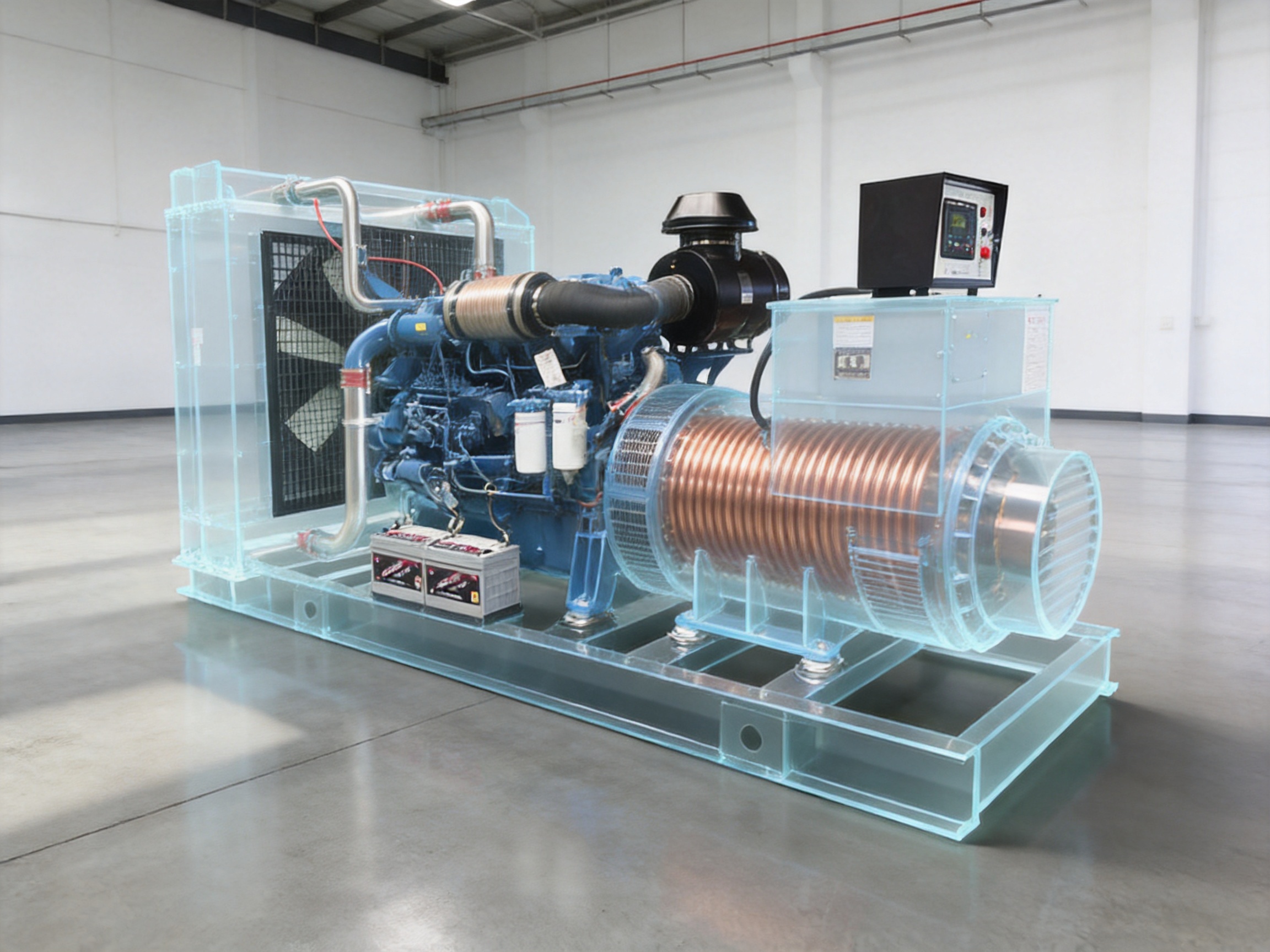
The alternator converts the engine’s mechanical energy into electrical energy. Its winding materials, insulation system, excitation method, cooling arrangement, and voltage regulation directly influence output quality and service life. These generator sets use full-copper brushless alternators, a configuration that provides several practical advantages for industrial and commercial power generation.
Copper has high electrical conductivity, enabling efficient current transmission through the windings. Full-copper construction can help control electrical losses and heat generation when the alternator is correctly designed and operated within its specified limits. Lower heat accumulation supports winding insulation life and contributes to stable operation under sustained load.
The brushless design eliminates the need for conventional brushes and slip rings in the excitation path. This reduces wear components and can lower routine maintenance requirements. Brushless excitation is particularly useful in environments where dust, vibration, or long operating periods make frequent mechanical inspection inconvenient. It also supports reliable voltage regulation and reduces the possibility of brush-related service interruptions.
Alternator performance is not limited to rated capacity. Sensitive electronic devices, variable-speed drives, medical equipment, communication systems, and automation controls may be affected by voltage fluctuation, frequency instability, waveform distortion, or inadequate transient response. A properly matched brushless alternator and intelligent control system can help maintain power quality during load changes.
Compared with basic generator sets equipped with lower-grade alternators or poorly matched electrical components, a full-copper brushless configuration offers a stronger foundation for continuous and critical-duty applications. The final result still depends on correct sizing, installation, ventilation, cable selection, grounding, and maintenance, but the alternator design provides an important product-level advantage.
4. Intelligent Control and Protection Systems
Modern generator sets require more than a start switch and a basic voltmeter. Intelligent control systems monitor operating conditions, manage automatic sequences, display performance information, and protect the engine and alternator from abnormal conditions. The control system is therefore a central part of the product’s usability and safety.
Depending on the selected configuration, an intelligent controller can monitor parameters such as engine speed, oil pressure, coolant temperature, battery voltage, generator voltage, current, frequency, power, running hours, and fault status. If an unsafe condition occurs, the controller can issue an alarm or initiate a shutdown sequence to reduce the risk of serious damage.
Automatic operation is particularly valuable in standby applications. When connected to an appropriate automatic transfer switch, the generator can detect a utility failure, start the engine, stabilize voltage and frequency, and accept the designated emergency loads. When utility power returns and remains stable, the system can transfer the load back and allow the generator to run through a cooling period before shutdown.
Control intelligence can also support load management. Where several generator sets operate in parallel, synchronization and load-sharing functions may be required. For large facilities, a modular arrangement can provide redundancy, maintenance flexibility, and capacity expansion. The suitability of parallel operation depends on the project design, controller configuration, switchgear, protection coordination, and site engineering.
Clear display and diagnostic functions make the generator easier to operate and maintain. Operators can identify warnings before they become failures, record running hours for scheduled service, and review operating data after an event. These functions are valuable for hospitals, telecom stations, municipal systems, and industrial sites where downtime and troubleshooting delays can have serious consequences.
Protection Features and Operational Safety
Generator protection should normally address conditions such as overcurrent, short circuit, high coolant temperature, low oil pressure, overspeed, under-voltage, over-voltage, under-frequency, over-frequency, and emergency stop activation. The exact functions depend on the controller and electrical configuration selected for the project.
Protection systems should be coordinated with upstream and downstream circuit breakers so that a fault is isolated selectively whenever possible. Proper grounding and neutral arrangement are also important, especially where the generator supplies medical equipment, electronic systems, or multiple distribution boards. Intelligent controls do not replace professional electrical design, but they provide the monitoring and response functions required for a dependable installation.
5. Compliance, Inspection, and Quality Orientation
The product information identifies compliance with ISO 8528 and GB/T 2828 standards. ISO 8528 is associated with reciprocating internal combustion engine driven alternating current generating sets and provides a recognized framework for generator-set performance classifications, ratings, operating conditions, and testing principles. GB/T 2828 is used in sampling inspection and quality evaluation processes. Together, reference to these standards reflects an emphasis on defined technical requirements and controlled quality assessment.
Standards are valuable because they create a common language between manufacturers, engineering contractors, and end users. A buyer can specify output, operating mode, voltage, frequency, environmental conditions, and performance expectations in a more consistent manner. This reduces ambiguity during quotation, production, inspection, installation, and acceptance.
Quality should be considered at multiple stages. Incoming materials and components must be verified. Engine and alternator specifications should match the approved technical design. Assembly should be controlled so that mounting, coupling, wiring, cooling, exhaust, and fuel systems are correctly integrated. Electrical testing and functional checks should be carried out before delivery. Documentation should identify the equipment, rated parameters, control settings, and recommended maintenance procedures.
Sampling inspection principles can help manufacturers monitor production consistency across batches. While inspection alone cannot create quality, a structured inspection process can identify variation and provide feedback for corrective action. This is particularly important when generator sets are produced in different power ranges or customized for different site conditions.
Aiweite’s quality approach is supported by advanced manufacturing equipment, continuous innovation, and strict quality management. The company’s stated objective is to provide stable, durable, efficient, and environmentally responsible power solutions. These priorities are directly relevant to generator-set users because the cost of a power failure often exceeds the purchase price of the equipment itself.
6. Manufacturing Strengths of the Supplier
Yangzhou Aiweite Electromechanical Co., Ltd. was founded in 2008 and specializes in the manufacture and installation of diesel generator sets. Its production experience provides a foundation for handling different customer requirements, from individual generator installations to project-based power systems.
A generator manufacturer’s capability should be evaluated beyond its assembly floor. It should include technical communication, application analysis, component selection, production scheduling, factory testing, packaging, shipment coordination, installation support, commissioning, and after-sales service. Aiweite’s business model covers manufacturing and installation, allowing it to participate in the complete equipment delivery process rather than simply supplying an engine and alternator separately.
Advanced manufacturing equipment improves the consistency of fabrication, assembly, wiring, and finishing. Controlled processes can help improve frame accuracy, component positioning, cable routing, enclosure quality, and service access. These details affect not only appearance but also vibration behavior, maintenance efficiency, electrical safety, and long-term reliability.
Customization is another important strength. Generator projects often differ in voltage, frequency, fuel-tank capacity, enclosure requirements, exhaust arrangement, sound attenuation, control functions, transfer equipment, and environmental protection. A supplier capable of adapting the generator set to the project can reduce the need for incompatible third-party modifications.
The company’s stated production range is described as covering generator sets from 1 kVA to 2,500 kVA, while the featured Yuchai-powered product family is presented with a power range of 10 kW to 4,200 kW. Because kVA and kW are different rating units and project configurations vary, buyers should confirm the exact model, power factor, standby or prime rating, and final project capacity during technical discussions. For larger systems, multiple generator sets can also be combined to achieve the required total output.
From Technical Inquiry to Completed Project
A professional manufacturing process begins with a clear technical inquiry. The supplier should understand the customer’s required voltage, frequency, phase arrangement, load type, altitude, ambient temperature, operating mode, fuel autonomy, noise restrictions, installation location, and expected delivery schedule.
After the load requirements are reviewed, the manufacturer can recommend a generator model, alternator configuration, control system, fuel system, cooling arrangement, and enclosure or container solution. The design should also consider transportation access, lifting points, foundation conditions, exhaust routing, ventilation, service clearance, and connection to the site distribution system.
During production, the engine, alternator, base frame, control panel, batteries, radiators, fuel components, and electrical accessories are assembled according to the approved configuration. Wiring should be labeled and routed for safe operation and future maintenance. Mechanical fastening, alignment, vibration isolation, and grounding should be verified before testing.
Factory testing provides an opportunity to identify defects before shipment. Depending on the order, testing may include starting performance, no-load voltage and frequency, load performance, alarm functions, emergency shutdown, control-panel operation, and general visual inspection. For major projects, customer or third-party inspection may be arranged according to the contract.
7. Environmental Adaptability and Application Value
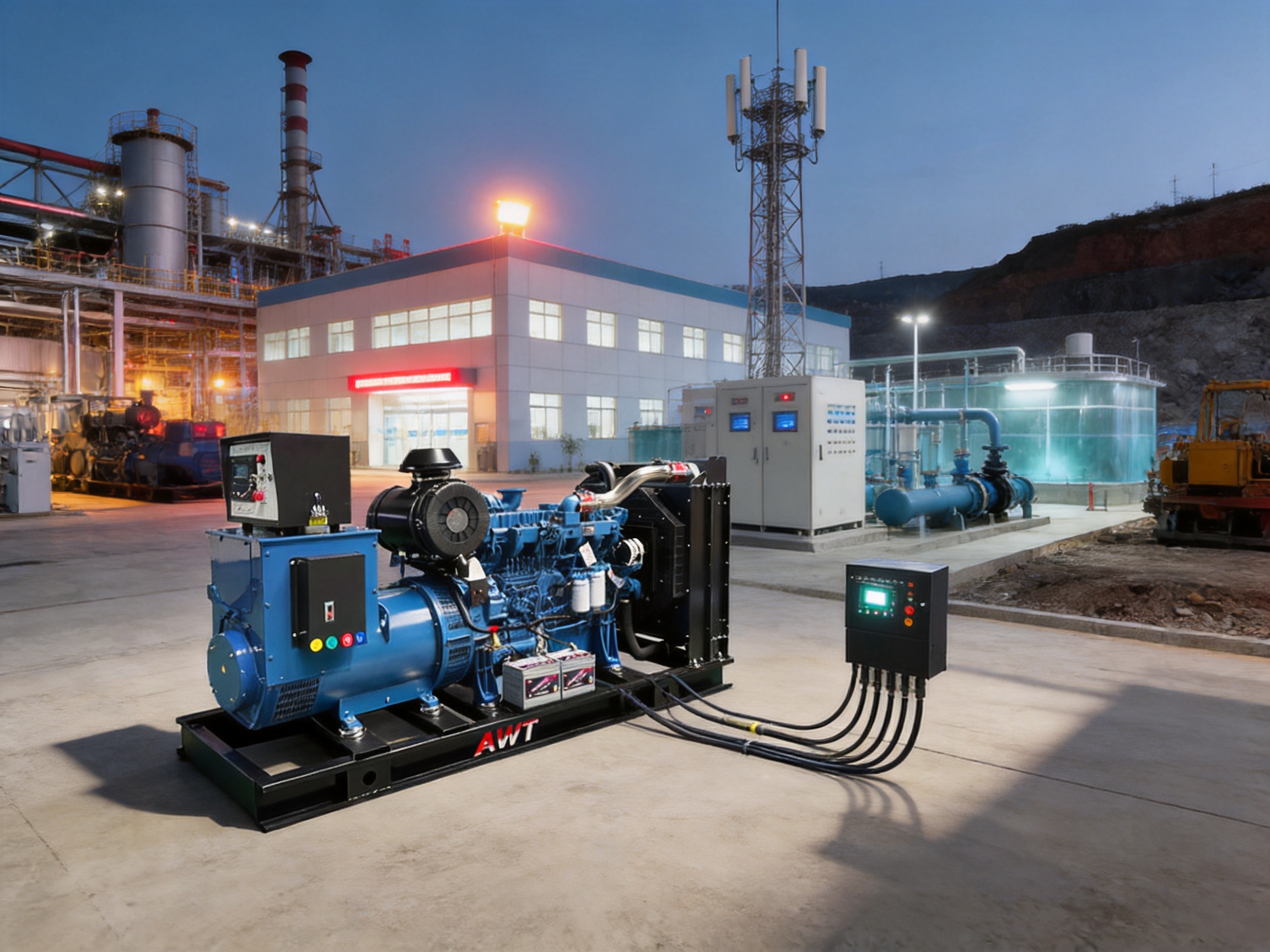
Generator sets rarely operate in ideal laboratory conditions. They may be installed in hot regions, cold climates, high-altitude areas, dusty construction zones, humid coastal environments, underground facilities, or remote industrial sites. The product description emphasizes strong environmental adaptability, which is important for applications where electrical reliability must be maintained despite changing site conditions.
Environmental adaptability begins with correct engineering. At high altitude, reduced air density can affect engine combustion and cooling performance, so derating or a different configuration may be required. At high ambient temperatures, radiator capacity and ventilation must be evaluated. In cold climates, preheating systems, suitable lubricants, battery capacity, and fuel management become more important.
Dust and sand can restrict air filters, reduce radiator efficiency, and accelerate component wear. Coastal or humid conditions can increase corrosion risks. Enclosures, protective coatings, filtration, drainage, and maintenance intervals should be selected accordingly. In mobile or temporary applications, the base frame and lifting structure must also withstand transportation and repeated handling.
For mines and oilfields, generator sets may operate far from urban service centers. Fuel delivery, spare parts, remote monitoring, emergency repair, and technician access should therefore be considered at the beginning of the project. A reliable supplier can help customers prepare maintenance schedules and recommended spare-parts lists based on the expected operating environment.
8. Advantages Compared with Generic or Lower-Quality Alternatives
Customers comparing generator sets often encounter products with similar nameplate ratings but significantly different construction quality and lifecycle value. The principal advantages of the featured product family arise from its integrated design and component selection.
Recognized Engine Source
A genuine Yuchai engine offers clearer product identity and technical traceability than an engine with an uncertain origin. This can simplify maintenance planning, parts procurement, and technical support. The engine’s established use in power-generation applications also supports confidence in its suitability for standby, prime, and continuous operation when correctly rated.
Full-Copper Brushless Alternator
The full-copper brushless alternator is a stronger choice than an alternator using lower-grade winding materials or a brush system requiring more frequent wear-part attention. Conductive copper windings and brushless excitation support efficiency, lower routine maintenance, and stable electrical output when the set is properly installed and maintained.
Broad Capacity Coverage
The 10 kW to 4,200 kW product range gives users more options within one supplier relationship. This is useful for companies managing multiple facilities or projects with different power requirements. Standardized supplier coordination can simplify purchasing, training, documentation, and spare-parts planning.
Intelligent Monitoring
Basic generator sets may provide limited information about engine condition or electrical output. Intelligent controls provide more effective supervision, alarm reporting, fault protection, and automatic operation. This reduces dependence on manual intervention and helps maintenance teams respond to developing problems.
Manufacturing and Installation Support
Some equipment sellers focus only on product shipment and leave customers to coordinate installation, commissioning, and troubleshooting independently. Aiweite’s manufacturing and installation capability supports a more complete project approach. This can reduce interface problems between the generator, transfer switch, cables, exhaust system, fuel system, and building distribution equipment.
Customization and Project Coordination
Generator applications are rarely identical. A supplier able to customize control panels, enclosures, fuel tanks, accessories, and connection arrangements can produce a more practical solution than a one-size-fits-all product. Customization can also improve service access and reduce costly site modifications.
Long-Term Operating Economy
Low fuel consumption, accessible maintenance points, reliable engine performance, and reduced brush-related maintenance can contribute to lower ownership costs. Purchase price remains important, but fuel, labor, downtime, spare parts, transportation, and emergency repairs should all be included in a lifecycle comparison.
9. Applications Across Different Industries
Factories and Manufacturing Plants
Manufacturing facilities often contain motors, compressors, pumps, production lines, welding equipment, automation systems, and climate-control equipment. A power interruption can damage work in progress, interrupt production sequences, and create safety risks. Generator sets can supply essential loads during utility failures or provide prime power in locations where grid capacity is insufficient.
Factory projects should account for motor starting currents, harmonic-producing equipment, production restart sequences, and the difference between critical and non-critical loads. Intelligent controls and appropriate distribution design can help prioritize important equipment and prevent unnecessary overloads.
Hospitals and Healthcare Facilities
Hospitals require dependable power for operating rooms, intensive-care equipment, medical refrigeration, lighting, ventilation, elevators, information systems, and life-safety equipment. Standby generators for healthcare projects must be integrated with automatic transfer systems and tested regularly. Noise, exhaust emissions, fuel storage, fire safety, and access for maintenance require careful planning.
The stable output and monitoring capabilities of a properly configured generator set support the needs of critical healthcare infrastructure. Final installation must comply with local electrical, building, fire, and healthcare regulations.
Telecommunications Stations
Telecommunications infrastructure depends on continuous power for network equipment, transmission systems, cooling equipment, and security systems. Sites may be remote and unattended, making automatic starting, battery condition monitoring, remote alarms, and fuel autonomy particularly important.
A compact or medium-capacity generator can provide backup power for a single station, while multiple units may support larger communication hubs. Regular test runs and preventive maintenance are essential because a generator that is not exercised may fail when needed.
Municipal Projects
Municipal facilities such as water-treatment plants, pumping stations, traffic systems, public-safety centers, and emergency shelters require reliable power during grid disruptions. These projects may involve formal procurement, documentation requirements, inspection procedures, and strict delivery schedules.
A supplier with manufacturing, installation, and project-support capabilities can help coordinate the generator with civil works, electrical distribution, fuel systems, ventilation, and control-room requirements.
Mines and Oilfields
Mining and oilfield operations frequently take place in remote locations where grid power is unavailable or unreliable. Generator sets may operate as the main power source for pumps, drilling systems, crushers, workshops, accommodation facilities, lighting, and communications.
These applications require attention to dust, vibration, temperature, fuel logistics, load changes, safety procedures, and service access. Depending on the location and local regulations, special equipment or protection may be required for hazardous areas. The generator set itself must be selected as part of a complete site power system.
Emergency Rescue and Disaster Response
Emergency rescue operations require equipment that can be transported, started quickly, and operated under difficult conditions. Generator sets may support temporary hospitals, shelters, rescue bases, communications equipment, pumps, lighting, and command centers.
Portability, lifting arrangements, fuel autonomy, weather protection, straightforward controls, and rapid service access are especially important. A product family covering different capacities allows emergency planners to match equipment to the scale of the response.
10. Maintenance and Lifecycle Management
Even a high-quality generator set requires disciplined maintenance. Reliability is created by the combination of sound design, correct installation, proper operation, and timely service. Maintenance programs should follow the engine and alternator manufacturer’s recommendations as well as the actual site duty cycle.
Routine checks typically include engine oil level, coolant level, fuel condition, battery voltage, belt condition, hose condition, air-filter restriction, exhaust integrity, electrical connections, and signs of leakage. The generator should be started periodically and operated under an appropriate load. Extended no-load running should be avoided unless required by a specific testing procedure.
Oil, filters, coolant, and other consumables should be replaced at the recommended intervals. Fuel tanks should be managed to reduce water accumulation, contamination, and fuel degradation. Batteries should be kept charged and inspected because starting-system failure is a common cause of standby generator unavailability.
Electrical testing should include voltage, frequency, insulation condition, protective functions, transfer operation, grounding, and load performance. Critical facilities should maintain written test records and document corrective actions. Load-bank testing may be appropriate when the site load is insufficient to verify the generator’s performance.
Maintenance access should be considered during installation. Adequate clearance around the engine, alternator, control panel, radiator, filters, and batteries allows technicians to work safely and reduces service time. A well-designed enclosure should protect the equipment without making routine maintenance unnecessarily difficult.
11. Buyer’s Selection Checklist
Before ordering a diesel generator set, buyers should prepare a complete technical specification. The following points help prevent mismatches between the product and the application.
First, define the required output in kW and kVA, the power factor, voltage, frequency, number of phases, and operating mode. Clarify whether the rating is standby, prime, or continuous. Identify the largest motors and their starting methods, as well as sensitive electronic or non-linear loads.
Second, specify the installation environment. Include altitude, minimum and maximum ambient temperature, humidity, dust exposure, salt exposure, indoor or outdoor location, ventilation conditions, and available floor space. These factors influence cooling, filtration, enclosure design, and engine rating.
Third, determine the required autonomy. Fuel-tank size should reflect the expected operating period, delivery limitations, safety rules, and available refueling arrangements. For remote sites, additional filtration and fuel-management provisions may be necessary.
Fourth, define control and communication requirements. Ask whether automatic transfer, remote monitoring, synchronization, load sharing, event recording, emergency shutdown, or building-management integration is required.
Fifth, confirm the scope of supply. The order may need to include batteries, chargers, silencers, exhaust piping, flexible connectors, fuel tanks, acoustic enclosures, weatherproof housings, circuit breakers, transfer switches, synchronization panels, cables, spare parts, installation, commissioning, and operator training.
Finally, request documentation covering rated performance, test procedures, maintenance intervals, warranty conditions, recommended consumables, spare-parts availability, and service contacts. A clear technical record protects both the purchaser and the manufacturer.
12. Installation and Commissioning Considerations
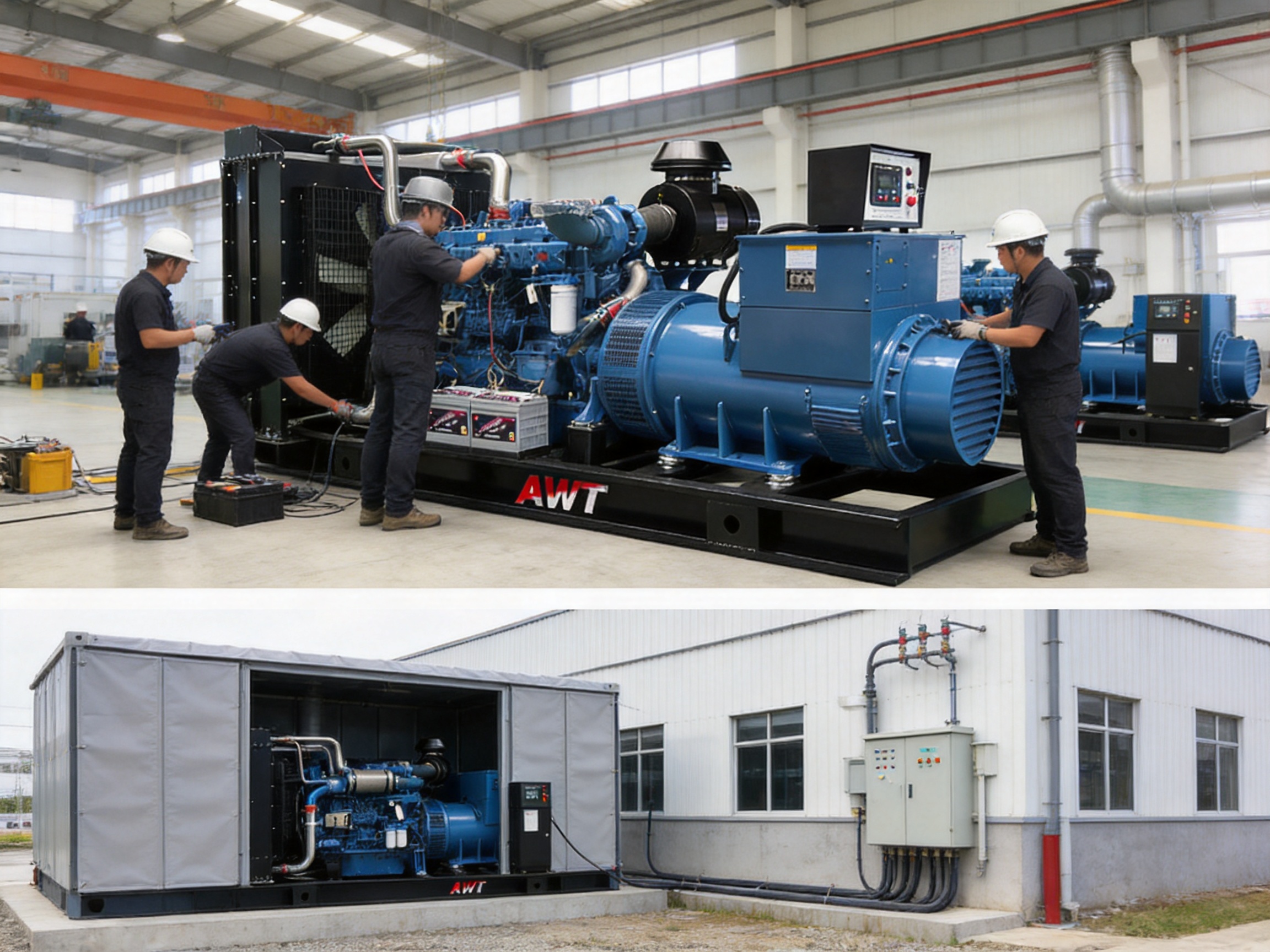
Correct installation is essential for realizing the generator’s design performance. The foundation should support the equipment’s weight and operating forces while limiting vibration transmission to the building. Anti-vibration mounts may be used where appropriate, but they should not replace proper structural design.
Ventilation must provide enough air for combustion and remove heat from the engine room. Inadequate airflow can cause high coolant temperature, reduced output, premature component wear, and automatic shutdown. Radiator discharge air should be directed away from the air intake so that hot air is not recirculated.
The exhaust system should be designed to control back pressure, safely discharge gases, limit noise, and prevent heat damage to nearby materials. Flexible connections can reduce vibration transmission. Exhaust routing must comply with local safety and environmental regulations.
Fuel systems should include appropriate storage, filtration, isolation valves, flexible connections, and spill-control measures. The fuel supply must be clean and correctly sized for the engine. Long-term storage should be managed to prevent contamination and degradation.
Electrical installation requires correct cable sizing, circuit-breaker selection, grounding, neutral configuration, phase rotation, protection coordination, and safe access. Automatic transfer equipment should be tested under realistic conditions. Commissioning should verify starting, transfer, voltage, frequency, alarms, shutdowns, load acceptance, and return-to-utility sequences.
Aiweite’s manufacturing and installation experience can help bridge the gap between factory-built equipment and site-ready operation. Customers should still ensure that local licensed professionals complete all work required by national and regional regulations.
13. Environmental and Economic Responsibility
Energy efficiency is important not only because it reduces fuel costs but also because it reduces the environmental burden associated with generator operation. Efficient combustion, correct load matching, regular maintenance, and avoidance of unnecessary idling all contribute to better fuel performance.
Users should select a generator that matches the expected load profile. If the facility’s demand varies significantly, a modular solution using multiple sets may provide better flexibility than one oversized unit. Units can be sequenced according to demand, allowing the operating machines to remain within a more efficient load range while preserving redundancy.
Environmental responsibility also includes noise management, exhaust treatment where required, spill prevention, proper disposal of used oil and filters, and responsible battery handling. Enclosures and silencers can help reduce noise in urban, hospital, residential, and commercial environments.
The company’s stated commitment to efficient and environmentally responsible power solutions reflects the broader need to consider generator ownership over its complete lifecycle. A durable product that is maintained correctly can reduce replacement frequency, resource consumption, and unexpected emergency transportation.
14. Why Supplier Capability Matters
Generator sets are long-term assets. The supplier’s ability to support the product after delivery may be as important as the initial specification. Customers should consider technical response time, spare-parts availability, warranty administration, installation capability, commissioning support, and access to trained service personnel.
A manufacturer that understands both equipment production and project installation is better positioned to identify interface problems early. It can help coordinate the engine, alternator, controller, enclosure, transfer switch, fuel system, exhaust system, and site distribution requirements.
Aiweite presents itself as a long-term partner focused on quality, customer service, integrity, responsibility, innovation, and mutual success. Its experience since 2008 and international business development since 2022 provide a foundation for serving customers in different regions. International buyers should confirm export documentation, local service arrangements, shipping requirements, voltage standards, spare-parts planning, and applicable emissions or safety regulations before placing an order.
15. Frequently Asked Questions
Q1: What power range is available for the Yuchai Powered Diesel Generator Sets?
The featured product family covers a power range from 10 kW to 4,200 kW. The exact available model, rating, voltage, frequency, and configuration should be confirmed according to the project requirements. Larger total capacities may also be achieved through multiple generator sets operating in parallel.
Q2: Are these generator sets suitable for standby and prime-power applications?
Yes. The product information indicates that the sets are designed to meet standby, prime, and continuous power demands. The correct model must be selected according to the expected duty cycle, average load, peak load, operating hours, and site conditions.
Q3: What is the advantage of using a genuine Yuchai engine?
A genuine engine provides clearer traceability, established technical specifications, predictable maintenance requirements, and better confidence in parts compatibility than an unidentified or mixed-source engine. Engine rating must still be matched to the generator’s operating mode and application.
Q4: Why is a full-copper brushless alternator beneficial?
Copper windings provide high electrical conductivity, while the brushless excitation design reduces wear-related maintenance associated with conventional brushes and slip rings. This configuration supports efficient and stable power generation when the alternator is correctly sized and maintained.
Q5: What does the intelligent control system do?
The intelligent controller can monitor engine and electrical parameters, display operating information, issue alarms, initiate protective shutdowns, and support automatic start and transfer functions when connected to suitable equipment. Advanced functions depend on the selected controller and project configuration.
Q6: Can the generator sets be customized?
Generator projects can be customized in areas such as output, voltage, frequency, control functions, enclosure, fuel capacity, exhaust arrangement, sound attenuation, transfer equipment, and environmental protection. Customers should provide complete site and load information during the inquiry stage.
Q7: What industries commonly use these generator sets?
Applications include factories, hospitals, telecommunications stations, municipal facilities, mines, oilfields, construction sites, commercial buildings, and emergency rescue operations. The appropriate configuration depends on the site’s load profile, environment, operating mode, and regulatory requirements.
Q8: How should buyers compare this product with a lower-priced alternative?
Buyers should compare more than the purchase price. Important factors include engine origin, alternator construction, controller functions, fuel consumption, rated duty, factory testing, installation support, warranty, spare-parts availability, maintenance access, environmental suitability, and expected downtime risk.
Q9: What information should be provided when requesting a quotation?
Provide the required kW and kVA, voltage, frequency, phase arrangement, standby or prime rating, load types, motor starting details, site altitude, ambient temperature, installation location, fuel autonomy, enclosure requirements, transfer-switch needs, delivery location, and installation scope.
Q10: Does the manufacturer provide installation support?
Yangzhou Aiweite Electromechanical Co., Ltd. specializes in both the manufacture and installation of diesel generator sets. The exact installation, commissioning, training, and after-sales scope should be confirmed in the commercial and technical agreement.
Q11: How can generator reliability be maintained?
Reliability depends on correct sizing, professional installation, regular exercise, clean fuel, timely oil and filter changes, battery maintenance, cooling-system inspection, electrical testing, and prompt correction of alarms or abnormal conditions. Critical facilities should maintain documented preventive-maintenance programs.
Q12: Are these units suitable for harsh environments?
The product description emphasizes strong environmental adaptability. However, high altitude, extreme temperature, dust, humidity, salt, hazardous locations, and remote access may require special engineering, derating, enclosure protection, filtration, heating, cooling, or maintenance provisions.
16. Conclusion
Yuchai Powered Diesel Generator Sets provide a comprehensive solution for organizations that require dependable independent electricity. Their principal strengths include genuine Yuchai diesel engines, full-copper brushless alternators, intelligent control systems, broad capacity coverage from 10 kW to 4,200 kW, and suitability for standby, prime, and continuous applications.
The product family is designed to deliver stable performance, low fuel consumption, easy maintenance, and strong environmental adaptability. These characteristics are valuable in factories, hospitals, telecom stations, municipal projects, mines, oilfields, and emergency rescue operations where power reliability affects safety, productivity, communications, and public services.
The product’s value is further supported by the manufacturing and project capabilities of Yangzhou Aiweite Electromechanical Co., Ltd. Since 2008, the company has focused on generator-set manufacture and installation, using advanced manufacturing equipment, quality management, continuous innovation, and customer-oriented service principles. Its ability to coordinate product production and installation can help customers achieve a more integrated power solution.
Compared with generic alternatives, the combination of a recognized engine platform, full-copper brushless alternator, intelligent monitoring, customization capability, and project support offers meaningful advantages over the complete equipment lifecycle. The best results are achieved when the generator is correctly sized, professionally installed, regularly maintained, and supported by a clear technical and service agreement.
For purchasers planning a new power system or replacing an existing generator, the selection process should begin with a detailed evaluation of load requirements, operating conditions, environmental factors, installation constraints, maintenance expectations, and future expansion. With these factors properly defined, the generator set can serve as a dependable foundation for resilient and efficient power supply.
References
ISO 8528, Reciprocating Internal Combustion Engine Driven Alternating Current Generating Sets.
GB/T 2828, Sampling Procedures and Tables for Lot-by-Lot Inspection by Attributes.
Diesel Generator Set Technical Product Information, Yuchai Powered Generator Set Series.
Yangzhou Aiweite Electromechanical Co., Ltd., Company Profile and Manufacturing Information.
International guidance on diesel engine maintenance, generator installation, electrical protection, and standby power-system planning.