English
 Français
 Español
Trailer Type Diesel Generator Sets for Mobile, Reliable, and All-Weather Power Supply
Oct 20, 2026
Content
- 1 Why Trailer Type Diesel Generator Sets Are Needed
- 2 Integrated Construction of a Mobile Power Unit
- 3 Power Module and Engine Selection
- 4 Alternator, Voltage, and Control System Configuration
- 5 All-Weather Outdoor Operation
- 6 Advantages Over Conventional and Competing Solutions
- 7 Applications Across Multiple Industries
- 8 Engineering and Manufacturing Process
- 9 Testing and Factory Acceptance
- 10 Maintenance Requirements for Long-Term Reliability
- 11 Planning the Installation and Deployment Site
- 12 Information Required for a Correct Quotation
- 13 Company Manufacturing Strengths and Project Support
- 14 Limitations and Practical Considerations
- 15 Frequently Asked Questions
- 15.1 What power range is available for trailer type diesel generator sets?
- 15.2 Can a trailer generator operate outdoors in rain and dust?
- 15.3 Can the unit be built around a specific engine brand?
- 15.4 Does the generator support remote monitoring?
- 15.5 Can several trailer generators operate in parallel?
- 15.6 How long can a trailer generator operate before refuelling?
- 15.7 What type of maintenance is required after frequent towing?
- 15.8 How is the generator tested before delivery?
- 15.9 Are trailer generators suitable for very rough terrain?
- 15.10 What makes an industrial trailer generator different from a basic mobile generator?
- 16 Conclusion
- 17 References
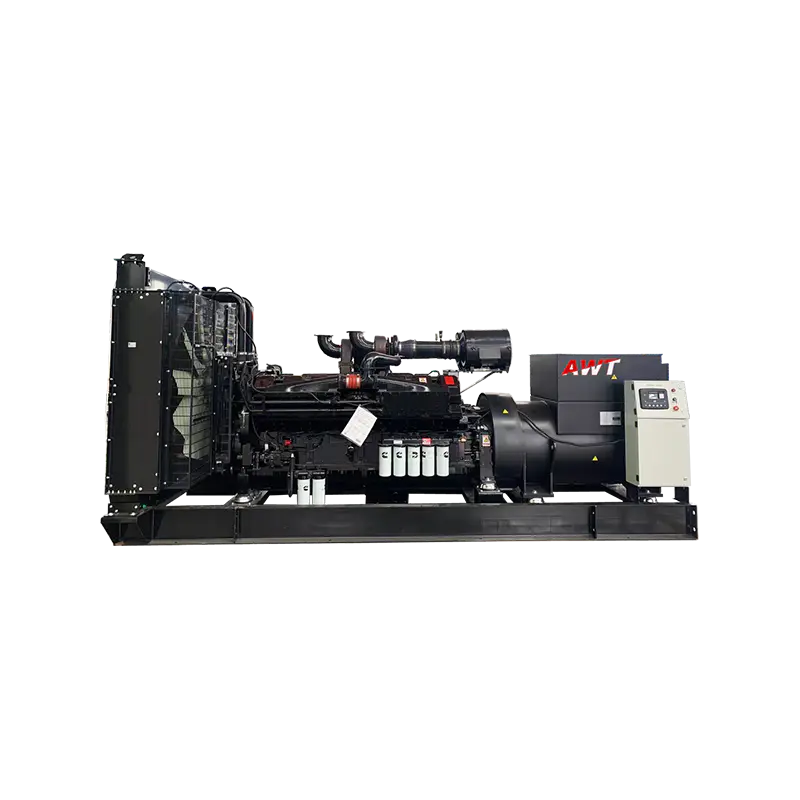
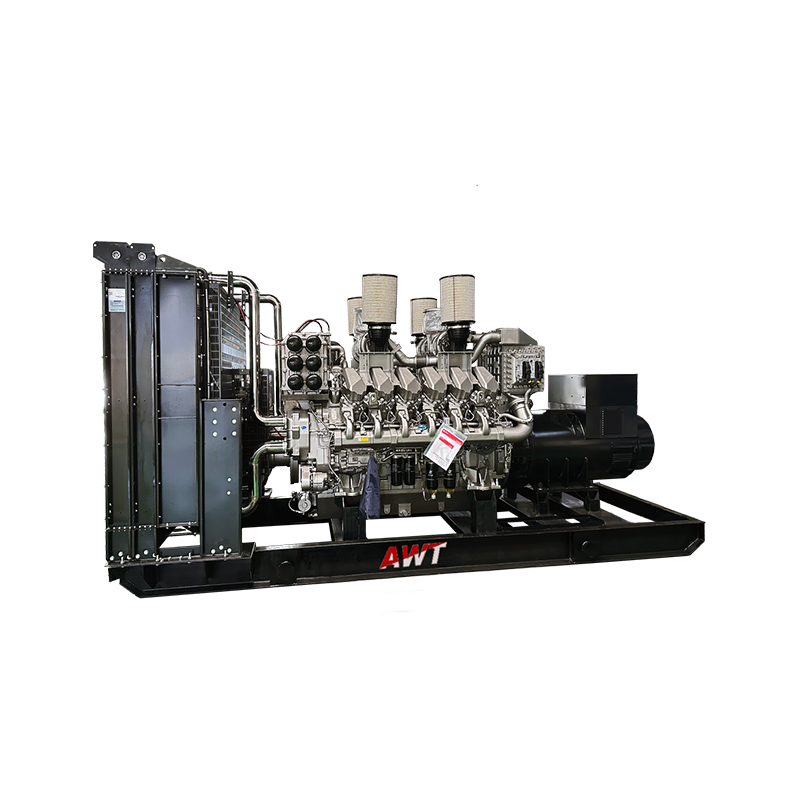
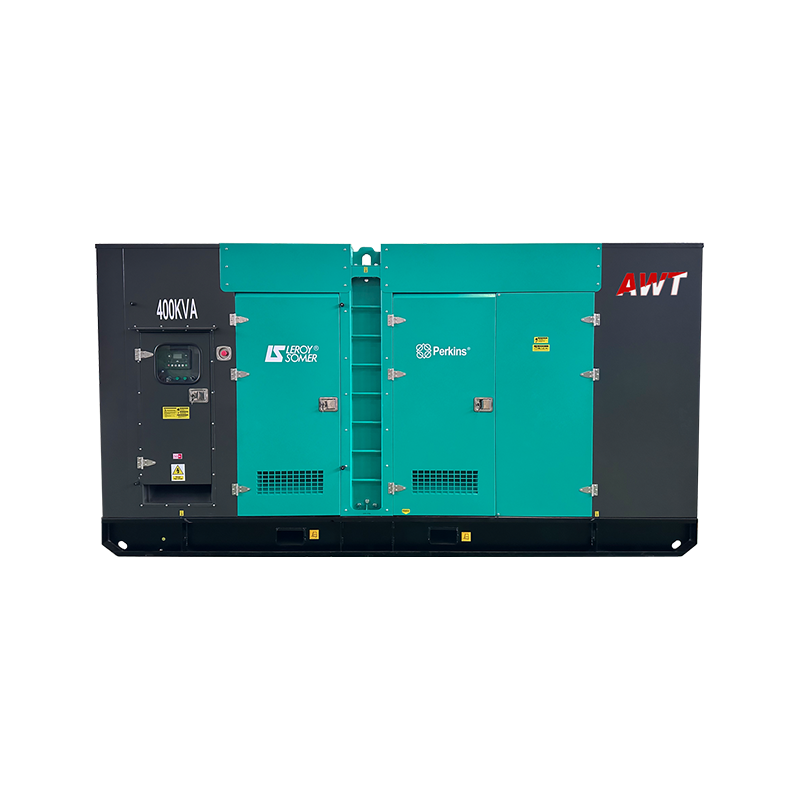
- 18 Product: Trailer Type Diesel Generator Sets
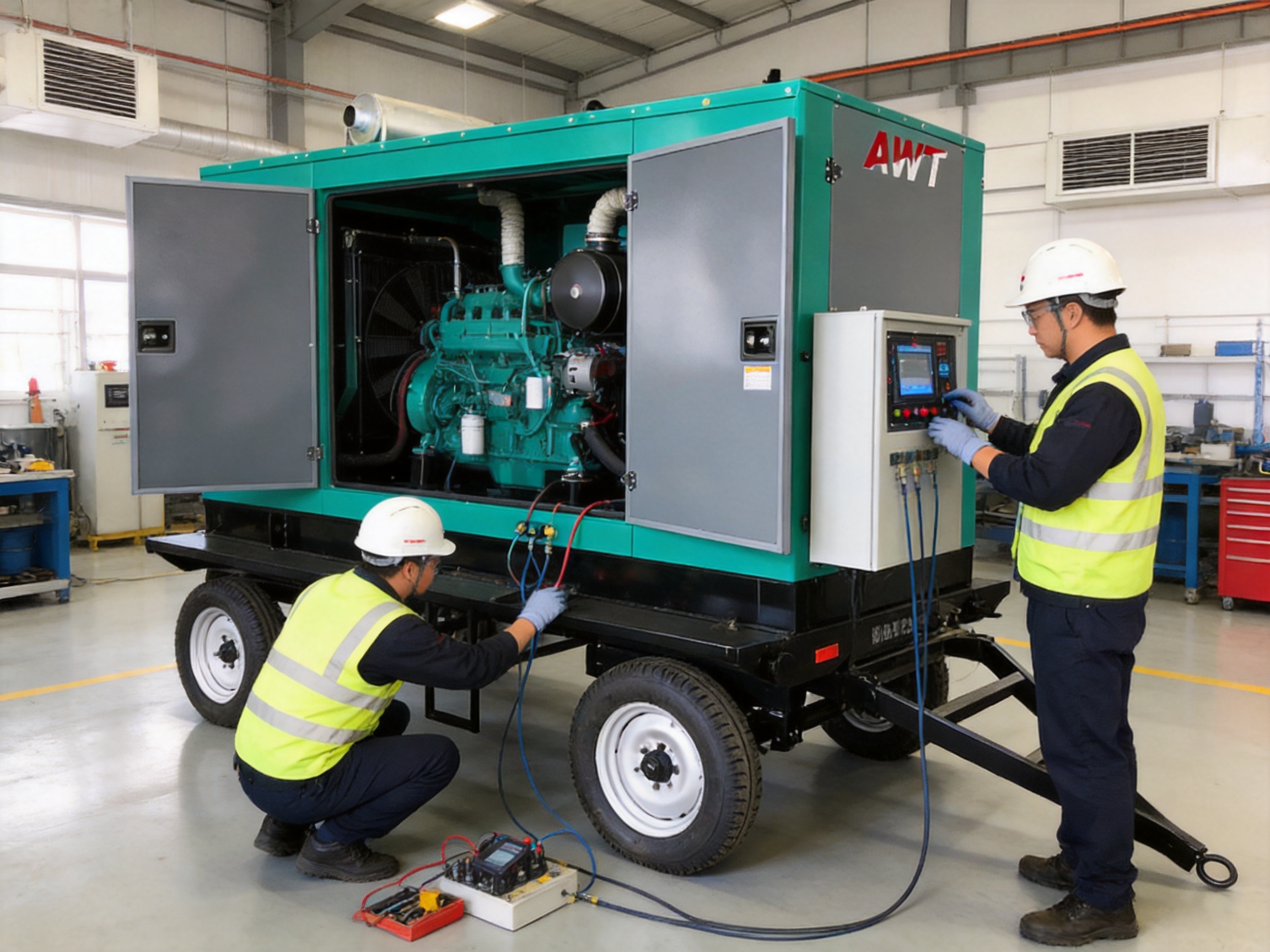
Trailer type diesel generator sets are engineered for projects where electrical power must move with the work. Unlike permanently installed generator systems, these towable power units combine a diesel engine, alternator, control system, fuel tank, weatherproof enclosure, and heavy-duty trailer chassis into one integrated solution. They are designed to arrive at a site quickly, connect with limited preparation, and provide dependable electricity in locations where grid power is unavailable, unreliable, or temporarily insufficient.
Modern mobile generator sets are used across construction, infrastructure development, emergency response, mining, oilfield operations, municipal services, outdoor events, and remote field activities. Their main value is not simply that they can be transported. A well-engineered trailer generator must remain stable during towing, perform reliably in changing weather, protect operators from moving and electrical hazards, and deliver consistent voltage and frequency after relocation.
Yangzhou Aiweite Electromechanical Co., Ltd. manufactures trailer type diesel generator sets across a broad power range from 10 kVA to 2500 kVA. The company develops the trailer structure, integrates the engine and alternator system, installs control and protection equipment, and tests the finished unit before shipment. This integrated approach allows the generator to be configured for the load, environment, towing route, noise requirement, and operating schedule of each project.
Why Trailer Type Diesel Generator Sets Are Needed
Many power projects do not remain in one location. A road construction team may move several kilometers each week. A bridge contractor may need temporary power on both sides of a river. A mining operation may shift its working area as extraction progresses. Emergency services may need a generator transported to a flood-affected community within a short period. In each case, installing a fixed generator room would consume time, require additional civil works, and reduce operational flexibility.
A trailer generator solves this problem by placing the power plant on a purpose-built mobile platform. Once the towing vehicle reaches the destination, the operator can position the unit, deploy the support legs, connect the electrical cables, check fuel and fluids, and start the generator. The system can later be disconnected and moved to another site without dismantling the complete power package.
This mobility gives trailer sets several practical advantages over conventional fixed open-type and silent-type generator sets. A fixed unit may offer a lower initial purchase price, but it usually requires a prepared foundation, a generator room, permanent cable routing, and additional lifting equipment when relocation is necessary. A trailer unit requires a more sophisticated chassis and towing system, yet it can reduce installation work and improve asset utilization across multiple projects.
For temporary or changing work sites, the relevant cost is not only the purchase price. Transportation, installation, disconnection, lifting, storage, and relocation expenses can significantly affect the total cost of ownership. A properly configured trailer generator can be moved with much less site disruption and can serve several projects during its service life.
Trailer Type Diesel Generator Sets
Integrated Construction of a Mobile Power Unit
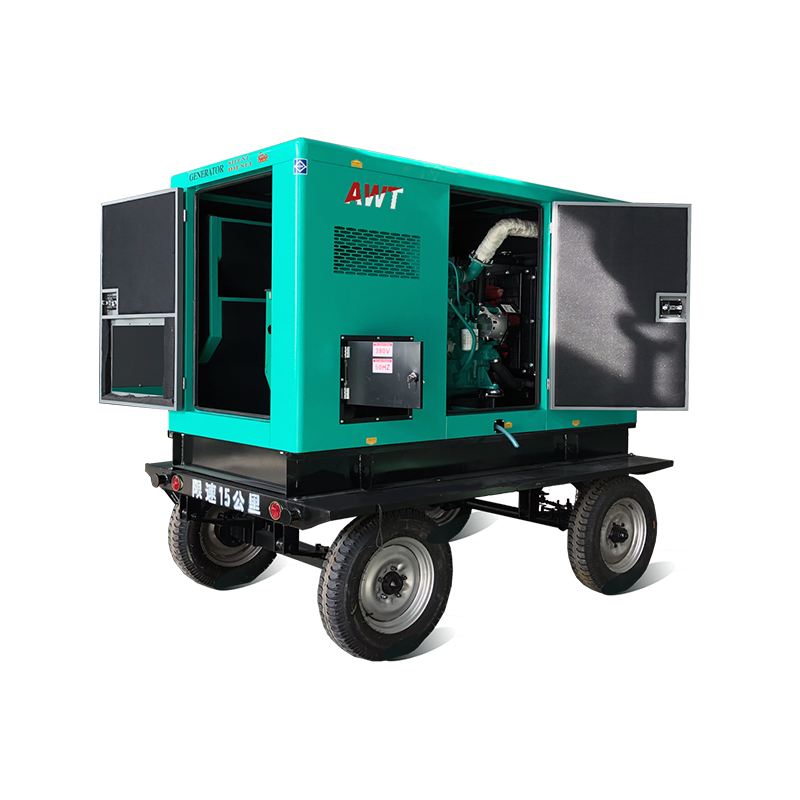
A trailer type diesel generator set is more than a conventional generator placed on wheels. Its chassis, suspension, brakes, towing eye, support legs, fuel system, enclosure, control panel, electrical outlets, and power module must function as a single engineered assembly. Each part affects the stability, safety, and serviceability of the complete unit.
The foundation of the system is a heavy-duty trailer frame. The frame supports the engine and alternator while absorbing vibration during towing and operation. It must be strong enough to carry the generator, fuel, batteries, control equipment, canopy, tools, and optional accessories without excessive flexing. Welded joints, mounting points, axle loads, and weight distribution are considered during design and production.
Traction wheels and an appropriate axle arrangement provide road mobility. Depending on the power rating and total weight, the trailer may use a single-axle, tandem-axle, or multi-axle configuration. Larger systems require more substantial braking equipment, stronger suspension components, and carefully designed weight distribution to maintain safe handling.
The towing assembly normally includes a towing eye or coupling device, safety chains, electrical lighting connections, reflectors, braking equipment, mudguards, and support legs. The exact configuration depends on the destination market, towing vehicle, road conditions, and applicable regulations. These details are confirmed during engineering review rather than selected only after the generator has been built.
During operation, support legs transfer part of the load to the ground and stabilize the trailer. Heavy-duty dampers help isolate vibration between the engine, alternator, chassis, and surrounding structure. This is particularly important when the unit is running at high load, when an engine starts a large motor, or when the ground is less than perfectly level.
Power Module and Engine Selection
The power module consists primarily of a diesel engine, an alternator, a cooling system, an exhaust system, a starting battery, and an electronic or mechanical control arrangement. The engine converts fuel energy into mechanical rotation, while the alternator converts that rotation into electrical power. The control system coordinates starting, shutdown, protection, monitoring, and, where required, synchronization with other generators.
Aiweite trailer generator sets can be configured with mainstream engine brands including Cummins, Perkins, Volvo, MTU, Weichai, Yuchai, Baudouin, SDEC, and Mitsubishi. This broad selection allows customers to choose an engine according to local service support, fuel availability, emissions requirements, operating altitude, expected duty cycle, and project budget.
Engine selection should be based on more than the nameplate kVA rating. The engineering team evaluates the type of load, starting current, running hours, ambient temperature, altitude, fuel quality, required autonomy, and maintenance conditions. A construction site with frequent motor starting may require a different engine and alternator combination than a field office with mostly balanced lighting and electronic loads.
For continuous or prime power, the engine must be capable of sustained operation under the expected load profile. For standby applications, the system may operate fewer hours but must start reliably and accept load quickly during a grid failure. Selecting the correct duty rating helps prevent overheating, excessive fuel consumption, poor transient response, and premature component wear.
Typical Power Range Applications
| Power Range | Typical Applications | Common Engine Options |
|---|---|---|
| 10 kVA–100 kVA | Small construction teams, field camps, event power, light rescue equipment, and mobile workshops | Weichai, Yuchai, SDEC, Cummins, and Perkins |
| 100 kVA–400 kVA | Road and bridge construction, municipal standby, disaster relief, and temporary commercial facilities | Cummins, Perkins, Volvo, Weichai, Yuchai, and Baudouin |
| 400 kVA–1000 kVA | Mining support, oilfield operations, large temporary sites, and cross-region field power | Cummins, Perkins, Volvo, MTU, Baudouin, and Mitsubishi |
| 1000 kVA–2500 kVA | Heavy infrastructure, remote industrial operations, high-capacity mobile standby, and large off-grid installations | Cummins, MTU, Volvo, Baudouin, and other project-specified options |
The stated range from 10 kVA to 2500 kVA enables one supplier to support both compact mobile power requirements and high-capacity field installations. For large requirements, several trailer generator sets can also be configured for parallel operation. This approach can provide capacity redundancy, staged loading, and improved service flexibility.
Alternator, Voltage, and Control System Configuration
The alternator is selected to match the engine output, operating duty, voltage, frequency, and load characteristics. Alternator performance affects voltage regulation, motor starting, short-circuit response, harmonics, and the ability to supply sensitive electronic equipment. For this reason, engine and alternator selection should be treated as a coordinated engineering task.
Trailer generator sets can be configured for 50 Hz or 60 Hz operation. Voltage, phase arrangement, and output frequency are matched to the destination market and the site distribution system. The electrical design may include a main circuit breaker, emergency stop, earth connection, cable terminals, protection relays, battery charger, and additional outlets for auxiliary equipment.
The control system serves as the operating interface between the generator and the user. Common options include Deep Sea, SmartGen, ComAp, or a customer-specified control panel. Depending on the project, the panel can display engine speed, oil pressure, coolant temperature, battery voltage, frequency, voltage, current, power factor, running hours, and alarm history.
Protection functions may include low oil pressure shutdown, high coolant temperature shutdown, overspeed protection, overcurrent protection, overvoltage protection, undervoltage protection, underfrequency protection, emergency stop, and failure-to-start alarms. These functions help reduce the risk of serious engine or alternator damage when abnormal conditions occur.
Remote monitoring is available for projects that require centralized supervision. Communication interfaces can transmit operating status, alarms, load data, fuel information, and maintenance reminders to a remote monitoring platform. Parallel operation can also be added where several generators must share a common load or where the system must operate with an existing utility supply.
These control options give trailer sets an advantage over basic mobile generators with limited instrumentation. A simple generator may provide electricity, but an industrial mobile power system must also provide visibility, protection, and communication. These features are especially valuable when the unit operates far from the main office or when multiple assets are managed by one technical team.
All-Weather Outdoor Operation
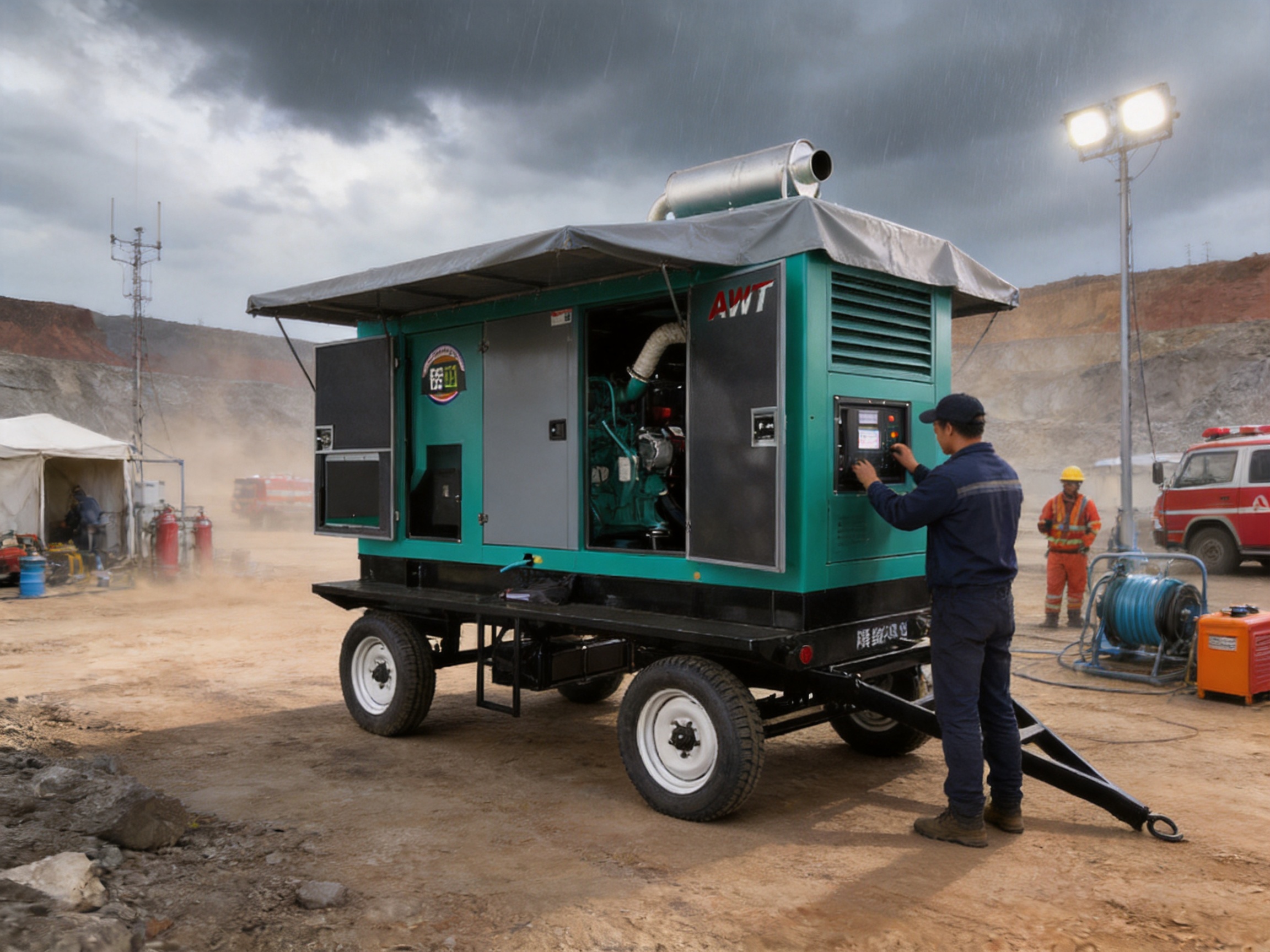
Trailer generator sets are often deployed in exposed locations. They may operate beside roads, in open fields, near temporary buildings, at mining sites, or in areas affected by rain, dust, and changing temperatures. A weatherproof enclosure protects the engine, alternator, control panel, and electrical connections from direct environmental exposure.
The canopy can be designed with dust-resistant air intake arrangements, rain protection, acoustic treatment, service doors, lifting points, and ventilation openings. The intake and exhaust system must be balanced carefully. The engine requires sufficient clean air for combustion and cooling, while hot air and exhaust gases must be discharged safely away from operators and occupied areas.
Sound attenuation is important when the generator is used near residential areas, hospitals, schools, temporary offices, public events, or municipal facilities. Acoustic insulation, low-noise fans, vibration isolation, and carefully designed air paths can reduce operating noise without restricting cooling airflow.
Outdoor operation does not eliminate the need for site preparation. The unit should be parked on level, load-bearing ground. Exhaust gases must be directed away from doors, windows, air intakes, and occupied areas. Cable routes must be protected from vehicles and standing water. Refuelling must be performed safely, and the generator should have enough clearance for inspection and maintenance.
Compared with an open generator, a silent weatherproof trailer unit offers a more complete deployment solution. It does not normally require a dedicated generator room, permanent acoustic walls, or a separate weather shelter. This can reduce civil construction requirements and shorten the time from delivery to operation.
Advantages Over Conventional and Competing Solutions
Rapid Deployment
The most visible advantage of a trailer generator is fast relocation. The unit can be towed to a new site instead of being dismantled, lifted, loaded onto separate transport, and reassembled. Integrated fuel, controls, protection, and output connections further reduce preparation time after arrival.
Reduced Installation Requirements
Fixed generators often require a concrete foundation, a generator room, exhaust ducting, permanent ventilation, fuel storage, cable trenches, and electrical installation. A trailer set still requires safe electrical connection and suitable operating space, but it normally avoids much of the permanent construction work. This makes it suitable for temporary projects and emergency deployment.
Better Asset Utilization
A fixed generator may remain unused when the project ends. A trailer unit can be assigned to another site, allowing one asset to support multiple construction teams or regional operations. For contractors and rental companies, this flexibility can improve equipment utilization and reduce the number of generators needed across a project portfolio.
Integrated Weather and Noise Protection
Many low-cost mobile generators provide basic mobility but leave the engine exposed or offer limited protection. Industrial trailer generator sets combine the chassis with a weatherproof and sound-attenuated canopy. This improves suitability for outdoor use and provides a more professional solution for public-facing or environmentally sensitive locations.
Flexible Engine and Power Choices
A manufacturer that supports multiple engine brands can configure the set around customer preferences rather than forcing every project into one standard package. Customers can select an engine based on local parts availability, service network, fuel consumption, emissions requirements, or fleet standardization.
Industrial Testing and Documentation
Quality is more than the appearance of the trailer. The generator must demonstrate stable voltage and frequency, acceptable load response, reliable protection, and safe mechanical performance. Full-load testing, step-load testing, endurance testing, and inspection of towing components provide greater confidence than a simple no-load start test.
Serviceability After Relocation
A trailer unit experiences vibration and structural loading that a fixed generator does not. A strong product design therefore includes accessible service doors, protected cable routes, inspection points, replaceable components, and a maintenance plan that covers both the power system and the chassis. These features reduce downtime and support long-term operation.
Applications Across Multiple Industries
Road, Bridge, and Railway Construction
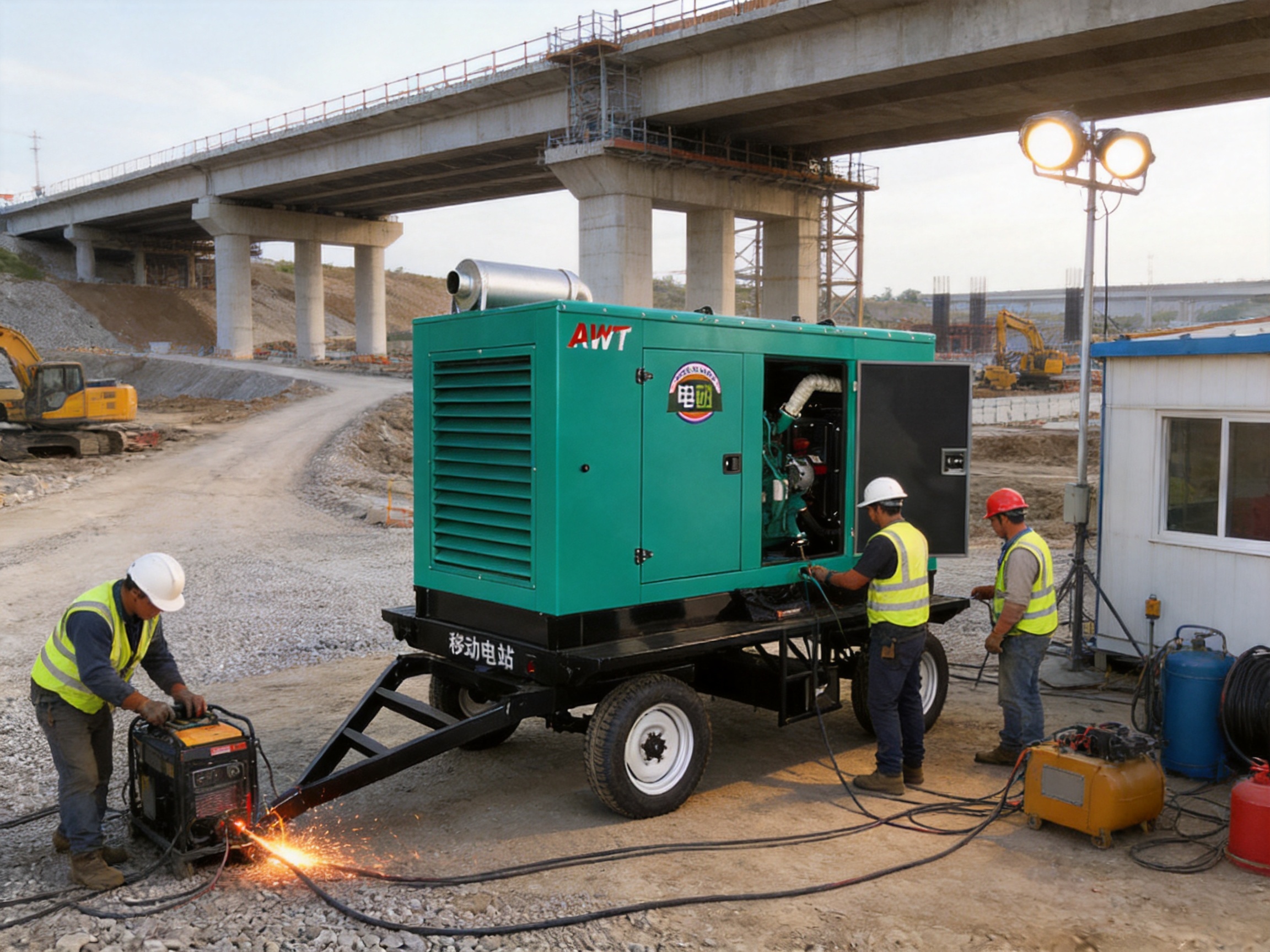
Infrastructure construction is one of the most common applications for trailer generator sets. Work areas change as roads are extended, bridges are assembled, and railway sections are completed. The generator can power welding equipment, lighting, compressors, pumps, site offices, tools, and temporary worker facilities.
For bridge projects, the generator may need to supply separate work zones on opposite sides of a river or in areas where utility access is delayed. A trailer platform allows the contractor to move the unit as access roads and construction stages change.
Municipal Construction and Public Works
Municipal contractors often work in urban or semi-urban environments where noise, space, and traffic restrictions must be considered. A silent trailer unit with appropriate acoustic treatment can support drainage projects, road repairs, water infrastructure, temporary traffic systems, and public facility construction.
Emergency Rescue and Disaster Relief
After a flood, storm, earthquake, or major grid failure, electricity may be unavailable in hospitals, shelters, pumping stations, communication centers, and temporary command posts. Trailer generator sets can be transported to affected areas and connected to essential equipment.
Emergency applications place particular emphasis on starting reliability, fast deployment, fuel autonomy, simple operation, and protection against rain and dust. Remote monitoring may also help a central response team supervise several generators distributed across a wide area.
Mining and Oilfield Operations
Mining and oilfield sites are often located far from reliable utility infrastructure. Power may be needed for pumps, lighting, ventilation, workshops, drilling support, accommodation, communication equipment, and processing systems. Trailer sets can be moved as the working area changes or as temporary facilities are established.
These sites may impose demanding conditions such as high altitude, dust, large temperature variations, poor roads, and long service intervals. The engine cooling system, filtration, fuel system, chassis, and maintenance plan should therefore be selected according to the actual site environment.
Remote Field Exploration
Geological surveys, environmental research, forestry operations, telecommunications work, and field exploration may take place far from established roads and grid connections. Compact trailer generator sets can provide electricity for lighting, instruments, communications, temporary accommodation, and small machinery.
Where terrain is particularly rugged, the towing route must be reviewed carefully. Very large trailer units may not be suitable for narrow tracks, steep slopes, weak bridges, or inaccessible ground. In such cases, a smaller generator, multiple compact units, or a different transport method may be more appropriate.
Outdoor Events and Temporary Facilities
Sports events, exhibitions, concerts, field camps, and temporary markets need reliable electricity for lighting, sound systems, refrigeration, security equipment, ticketing systems, and vendor facilities. A trailer generator provides a practical alternative when utility capacity is insufficient or when the event is held at an undeveloped location.
Noise control is especially important at public events. A sound-attenuated canopy, correct positioning, protected cable routing, and suitable load management help maintain a safe and comfortable environment for visitors and staff.
Engineering and Manufacturing Process
The manufacturing process begins with a technical review of the application. Engineers examine the required kVA, duty rating, load profile, voltage, frequency, phase, altitude, ambient temperature, noise limit, fuel autonomy, towing route, control requirements, and expected relocation frequency. These inputs determine the engine, alternator, radiator, canopy, chassis, axle, brakes, fuel tank, and control configuration.
Once the technical specification is approved, the main components are sourced and inspected. Incoming inspection helps verify model numbers, dimensions, electrical ratings, material condition, and compatibility. Critical components such as engines, alternators, control panels, circuit breakers, batteries, braking hardware, and structural materials must correspond with the approved design.
The trailer frame is fabricated using controlled cutting, forming, drilling, and welding procedures. Mounting points are positioned to match the selected engine and alternator package. The frame must provide sufficient rigidity while maintaining an appropriate center of gravity and axle load distribution.
The chassis is then fitted with wheels, suspension components, brakes, support legs, towing hardware, lights, reflectors, and safety accessories. Mechanical alignment and fastening are checked before the power module is installed. This sequence helps prevent interference between the generator, canopy, fuel tank, cable outlets, and service access areas.
The engine and alternator are installed on vibration-isolated mounts. The fuel system, exhaust system, cooling system, battery system, control panel, and output connections are integrated according to the approved configuration. Wiring is routed and secured to reduce the risk of abrasion, heat damage, water exposure, or vibration-related loosening.
The canopy is assembled after the major systems are installed. Access doors and removable panels are positioned to allow routine inspection and servicing. Ventilation openings, acoustic material, air filters, exhaust discharge, and emergency access features are reviewed as part of the enclosure installation.
Quality personnel conduct mechanical, electrical, and visual inspections throughout production. Checks may cover weld appearance, bolt torque, alignment, cable termination, earth continuity, insulation condition, fuel leakage, oil leakage, access clearance, control labeling, and safety signage.
Testing and Factory Acceptance
Testing is a critical distinction between an industrial trailer generator and a basic mobile power product. Each unit is started, inspected, and operated under controlled conditions before release. The goal is to confirm that the generator performs as a complete system rather than merely proving that the engine can run.
Aiweite performs load testing from 0 to 110 percent of rated capacity. This range allows the team to observe no-load behavior, normal rated performance, and operation above the nominal rating for a controlled period. Voltage, frequency, current, oil pressure, coolant temperature, exhaust condition, vibration, and alarm functions are monitored.
Step-load response testing evaluates how the generator reacts when significant electrical loads are connected in stages. This is important for construction machinery, pumps, compressors, motors, and other equipment that may create sudden demand. The test helps verify engine recovery, alternator excitation, voltage stability, and frequency control.
Continuous operation endurance testing provides information about thermal stability and sustained operation. During this test, the generator is observed for abnormal temperature rise, leaks, loose components, unstable output, excessive vibration, or control alarms.
Emergency protection verification confirms that shutdown and alarm functions operate as intended. The testing process may include simulated low oil pressure, high coolant temperature, overspeed, overcurrent, emergency stop, and other fault conditions according to the specified control system.
The trailer itself is also inspected. Brakes, support legs, towing hardware, chassis fasteners, suspension dampers, lights, reflectors, wheel assemblies, and structural welds are reviewed before delivery. This integrated acceptance process ensures that the mobile platform is evaluated together with the power system.
Test records and operating information are supplied with the finished unit. When a project requires third-party inspection, special performance criteria, or customer witness testing, these requirements can be agreed before production and incorporated into the factory acceptance plan.
Maintenance Requirements for Long-Term Reliability
Routine engine maintenance includes oil and filter replacement, fuel filter inspection, air filter service, coolant checks, belt inspection, battery testing, and periodic examination of hoses and electrical connections. The exact interval depends on the engine manufacturer, operating hours, fuel quality, load profile, and environmental conditions.
Trailer maintenance adds several mechanical inspection points. Operators should regularly check wheel nuts, tires, bearings, brakes, suspension dampers, support legs, towing eyes, safety chains, chassis welds, fasteners, lights, and reflectors. Any loose fastener or cracked structural component should be addressed before the trailer is moved again.
Towing vibration can gradually loosen electrical connections, brackets, control panel components, fuel lines, exhaust supports, and canopy hardware. Regular inspection helps identify small problems before they become failures. A maintenance log should record towing distance, operating hours, inspections, repairs, refuelling, and component replacement.
The canopy should be kept clean, particularly around air intake openings, radiators, cooling fans, filters, and exhaust areas. Dust accumulation can restrict airflow and increase operating temperature. Rainwater drainage points should remain clear, and door seals should be inspected when the generator operates in severe weather.
Before each relocation, the operator should confirm that doors and panels are closed, loose tools are removed, fuel caps are secure, support legs are fully raised, cables are disconnected, and the towing connection is correctly locked. After arrival, the operator should inspect the unit for transport damage before starting it.
Aiweite supports customers with engine, alternator, control system, filter, consumable, and replacement parts. Service guidance, commissioning assistance, operational support, and technical troubleshooting can be provided to help maintain performance throughout the equipment life cycle.
Planning the Installation and Deployment Site
Even a mobile generator requires proper planning. Before delivery, the towing route should be assessed for road width, bridge capacity, turning radius, slope, overhead clearance, surface condition, and vehicle restrictions. The generator, trailer, and towing vehicle must be considered as one transport combination.
The parking location should be level and capable of carrying the trailer load. Soft ground may cause the support legs to settle, resulting in instability or misalignment. In poor ground conditions, suitable load-spreading plates or a prepared surface may be necessary.
There should be sufficient space around the canopy for air circulation, exhaust discharge, refuelling, inspection, and maintenance. The exhaust outlet must be positioned away from occupied spaces. Carbon monoxide and other exhaust gases can be dangerous even when the generator operates outdoors, particularly near doors, windows, trenches, or partially enclosed areas.
Electrical connections should be planned before the generator arrives. Cable size, cable length, protection, earthing, distribution boards, and connection points must match the generator output and the site load. Cables should be protected from vehicles, sharp edges, water accumulation, and unauthorized access.
Fuel storage and refuelling arrangements must comply with local safety requirements. The integrated base tank provides useful operating autonomy, but additional fuel storage may be required for long shifts or remote sites. Fuel quality and contamination control are important for reliable engine performance.
Information Required for a Correct Quotation
A trailer generator should be configured from the actual working conditions rather than selected only from a general catalogue. The following information helps engineers recommend a suitable unit and prepare an accurate quotation.
| Project Information | Engineering Purpose |
|---|---|
| Required power and duty rating | Determines engine output, alternator size, chassis load class, and operating capability |
| Load profile and motor-starting requirements | Confirms transient response, alternator excitation, and possible oversizing requirements |
| Voltage, frequency, and phase | Matches the generator to the destination market and site distribution system |
| Altitude, temperature, and dust level | Supports cooling design, derating calculations, filtration, and canopy selection |
| Towing vehicle and route | Defines trailer dimensions, axle arrangement, braking, coupling, and support equipment |
| Noise limit and operating location | Determines the required acoustic enclosure and installation position |
| Remote monitoring and parallel operation | Determines control panel type, communication interface, and synchronization functions |
| Required fuel autonomy | Sets base tank capacity and refuelling arrangements |
| Expected relocation frequency | Influences chassis reinforcement, suspension requirements, and inspection planning |
Providing complete information at the beginning helps prevent late design changes. It also allows the manufacturer to evaluate whether the requested capacity is appropriate for the real load, whether the towing vehicle is adequate, and whether the selected unit can access the intended site.
Company Manufacturing Strengths and Project Support
Founded in 2008, Yangzhou Aiweite Electromechanical Co., Ltd. specializes in the manufacture and installation of diesel generator sets from 1 kVA to 2500 kVA. Its product scope includes open, silent, trailer, containerized, and engine-brand-specific generator systems.
The company combines product engineering, structural fabrication, electrical integration, testing, and project support. This is valuable for trailer generator projects because the chassis and power module must be coordinated from the beginning. Treating the trailer as a separate accessory can lead to poor weight distribution, insufficient service access, inadequate braking, or vibration problems.
Aiweite works with multiple engine and alternator configurations and can develop units for different voltage, frequency, control, noise, autonomy, and operating requirements. The company also supports remote monitoring and parallel operation where the project demands centralized control or higher capacity.
Manufacturing quality is supported by controlled production procedures, component inspection, defined assembly checkpoints, electrical safety checks, mechanical verification, and complete generator testing. The final release process includes both generator performance and trailer hardware inspection.
Since beginning its foreign trade business in 2022, the company has expanded its service to international customers and has focused on stable, durable, efficient, and environmentally responsible power solutions. Its customer support covers technical consultation, configuration, production coordination, commissioning assistance, spare parts, and troubleshooting.
For customers purchasing mobile generators for a mixed fleet, using a supplier with a broad product range can simplify training, maintenance, and spare-parts management. Trailer units can share engine, alternator, controller, filter, and service knowledge with other generator sets supplied by the same manufacturer.
Limitations and Practical Considerations
Trailer generator sets offer substantial flexibility, but they are not the best choice for every project. The custom chassis, brakes, suspension, towing hardware, enclosure, and mobile safety equipment generally make them more expensive than basic fixed open generators with the same electrical capacity.
Large units also have physical transport limitations. Narrow roads, weak bridges, steep gradients, soft ground, restricted turning areas, and poor access may prevent delivery. These conditions should be examined before a high-capacity trailer generator is selected.
Frequent towing increases mechanical wear. Chassis welds, fasteners, brake components, suspension dampers, wheel assemblies, support legs, and towing connections require more attention than the corresponding components on a stationary unit. A regular inspection program is therefore essential.
The unit also requires a suitable towing vehicle. The vehicle must be rated for the trailer weight and equipped with compatible coupling and braking connections. Local road regulations may restrict trailer dimensions, lighting, speed, or movement during certain hours.
For a permanent installation with stable access to the electrical grid, a fixed generator may offer a lower total cost and simpler long-term arrangement. A trailer format provides the greatest value when relocation, temporary operation, emergency readiness, or multi-site use is a central project requirement.
Frequently Asked Questions
What power range is available for trailer type diesel generator sets?
Trailer generator sets can be configured from approximately 10 kVA to 2500 kVA. Smaller units are suitable for field camps, events, light construction, and emergency equipment. Larger units support mining, oilfield operations, infrastructure projects, and high-capacity temporary power. The chassis, axle, suspension, brakes, and towing arrangement are sized according to the generator capacity and total operating weight.
Can a trailer generator operate outdoors in rain and dust?
Yes. Trailer units can be fitted with dustproof, rainproof, and sound-attenuated canopies for direct outdoor operation. However, the generator should still be parked on level, load-bearing ground, and the intake and exhaust paths must remain clear. Safe exhaust discharge, electrical protection, and proper drainage are essential in wet or dusty environments.
Can the unit be built around a specific engine brand?
Yes. Configurations can be developed around Cummins, Perkins, Volvo, MTU, Weichai, Yuchai, Baudouin, SDEC, Mitsubishi, and other approved engine options. The alternator, radiator, control system, canopy, fuel tank, and trailer are matched to the selected engine and the site requirements.
Does the generator support remote monitoring?
Remote monitoring can be included as a configuration option. The control system may transmit running status, alarms, electrical measurements, engine data, fuel information, and maintenance information to a remote platform. The available functions depend on the selected controller and communication arrangement.
Can several trailer generators operate in parallel?
Yes. Parallel operation can be designed for projects requiring higher capacity, load sharing, redundancy, or staged operation. The controllers, circuit breakers, communication wiring, synchronization equipment, and protection settings must be selected together during the engineering stage.
How long can a trailer generator operate before refuelling?
Operating autonomy depends on the generator rating, actual load, engine fuel consumption, and base tank capacity. The integrated fuel tank can be sized for the desired running period, such as a standard work shift or a longer emergency interval. Actual autonomy should be confirmed from the expected load profile rather than the rated capacity alone.
What type of maintenance is required after frequent towing?
In addition to routine engine and alternator maintenance, operators should inspect wheel nuts, tires, bearings, brakes, suspension dampers, support legs, towing hardware, chassis welds, lights, reflectors, fasteners, fuel lines, exhaust supports, and canopy panels. A pre-towing inspection and post-arrival inspection should be included in the operating procedure.
How is the generator tested before delivery?
The finished unit can undergo load testing from 0 to 110 percent of rated capacity, step-load response testing, continuous endurance operation, voltage and frequency stability checks, alarm verification, and emergency protection testing. The trailer chassis, brakes, towing equipment, support legs, and structural components are also inspected before release.
Are trailer generators suitable for very rough terrain?
Suitability depends on the unit size, road condition, towing vehicle, and access route. Small and medium units may reach many field locations, but large trailers can be restricted by road width, bridge limits, gradients, turning radius, and ground conditions. A route survey should be completed before selecting the generator.
What makes an industrial trailer generator different from a basic mobile generator?
An industrial trailer generator integrates a properly engineered chassis, braking system, suspension, towing hardware, weatherproof enclosure, fuel system, industrial control panel, protection functions, and tested power module. It is designed for repeated relocation and sustained field operation rather than occasional light-duty use.
Conclusion
Trailer type diesel generator sets provide a practical solution when electricity must follow a changing project, reach a remote site, or restore power quickly after an emergency. Their value comes from the integration of mobility, reliable diesel power, weather protection, acoustic control, safe towing, rapid deployment, and flexible configuration.
With available capacities from 10 kVA to 2500 kVA, multiple engine brands, 50 Hz and 60 Hz configurations, remote monitoring, parallel operation, integrated fuel systems, and industrial control options, these units can be adapted to a wide range of applications. They are particularly effective for construction, infrastructure, disaster relief, mining, oilfield operations, field exploration, municipal support, and temporary events.
The best results depend on selecting the generator from the actual project conditions. Load profile, duty rating, towing route, site altitude, ambient temperature, fuel autonomy, noise requirements, and control functions must all be evaluated before production. A manufacturer that manages chassis construction, generator integration, testing, and after-sales support as one process can deliver a more dependable mobile power solution.
By combining advanced manufacturing procedures, multi-brand engine compatibility, complete factory testing, and practical service support, Yangzhou Aiweite Electromechanical Co., Ltd. provides trailer generator sets designed for demanding field applications and long-term professional use.
References
International Organization for Standardization. ISO 8528, Reciprocating Internal Combustion Engine Driven Alternating Current Generating Sets.
International Electrotechnical Commission. Standards and technical guidance for low-voltage generator assemblies and electrical safety.
Diesel Engine Manufacturers. General engine operation, maintenance, fuel system, cooling system, and duty-rating guidance.
Alternator Manufacturers. Technical documentation covering voltage regulation, transient response, excitation systems, and generator performance.
Industrial Generator Set Maintenance Practices. Recommendations for engine servicing, alternator inspection, control system testing, and load-bank operation.
Trailer and Mobile Equipment Safety Practices. General guidance for towing hardware, braking systems, support legs, axle loading, road access, and pre-towing inspection.