English
 Français
 Español
High-Performance Diesel Generator Sets for Reliable Industrial and Commercial Power
Nov 07, 2026
Content
- 1 Introduction
- 2 Product Overview
- 3 Engineering Advantages Over Conventional Alternatives
- 4 Advanced Manufacturing and Quality Management
- 5 Operating Performance and Practical Benefits
- 6 Applications Across Multiple Industries
- 7 Company Manufacturing and Service Strengths
- 8 Selection Guide for Buyers
- 9 Installation, Commissioning, and Long-Term Operation
- 10 Environmental Responsibility and Efficiency
- 11 Why This Product Series Is a Practical Choice
- 12 Q&A
- 12.1 Q1: What power range is available for the SDEC-powered generator sets?
- 12.2 Q2: Are these generator sets suitable for standby power?
- 12.3 Q3: Can the generator sets be used for prime or continuous power?
- 12.4 Q4: What type of engine is used?
- 12.5 Q5: What are the advantages of a full-copper brushless alternator?
- 12.6 Q6: What does the intelligent control system do?
- 12.7 Q7: Can the generator be customized?
- 12.8 Q8: Are the generator sets suitable for outdoor installation?
- 12.9 Q9: How should a generator be sized for motor loads?
- 12.10 Q10: What standards are associated with the product?
- 12.11 Q11: What maintenance is required?
- 12.12 Q12: What support does the manufacturer provide?
- 12.13 Q13: Can several generator sets operate together?
- 12.14 Q14: Why is installation design important if the generator is factory-tested?
- 13 Conclusion
- 14 References
- 15 Product: SDEC Powered Diesel Generator Sets
Introduction
Reliable electrical power is essential for modern industry, commercial operations, infrastructure, communications, and public services. A power interruption can stop production lines, affect data systems, interrupt construction activity, damage temperature-sensitive goods, and create safety risks. For this reason, organizations require generator sets that can start quickly, carry demanding loads, operate efficiently, and remain dependable under changing environmental conditions.
Diesel generator sets powered by SDEC engines provide a practical solution for standby, prime, and continuous power applications. Designed in accordance with ISO 8528 and GB/T 2828 requirements, these generator sets combine authentic SDEC diesel engines, high-efficiency full-copper brushless alternators, and intelligent control systems. Their available power range extends from 15 kW to 3000 kW, enabling the product family to serve small commercial facilities, large industrial plants, municipal projects, mines, telecommunications stations, and general power supply applications.
The value of this product series is not limited to its rated output. A dependable generator must also provide stable voltage and frequency, strong dynamic response, manageable fuel consumption, convenient maintenance, environmental adaptability, and long-term service support. The combination of mature domestic engine technology, carefully selected electrical components, structured assembly procedures, and international field experience gives these generator sets a balanced performance profile for demanding users.
Manufactured and supplied by Yangzhou Aiweite Electromechanical Co., Ltd., the generator sets are supported by an organization experienced in the manufacture and installation of diesel power equipment. Since its establishment in 2008, the company has focused on generator sets from 1 kVA to 2,500 kVA, while the SDEC-powered product series covers a broad output range for different project requirements. Through advanced manufacturing equipment, quality management, engineering support, and international project experience, the company provides complete power solutions rather than simply supplying an engine and alternator package.
SDEC Powered Diesel Generator Sets
Product Overview
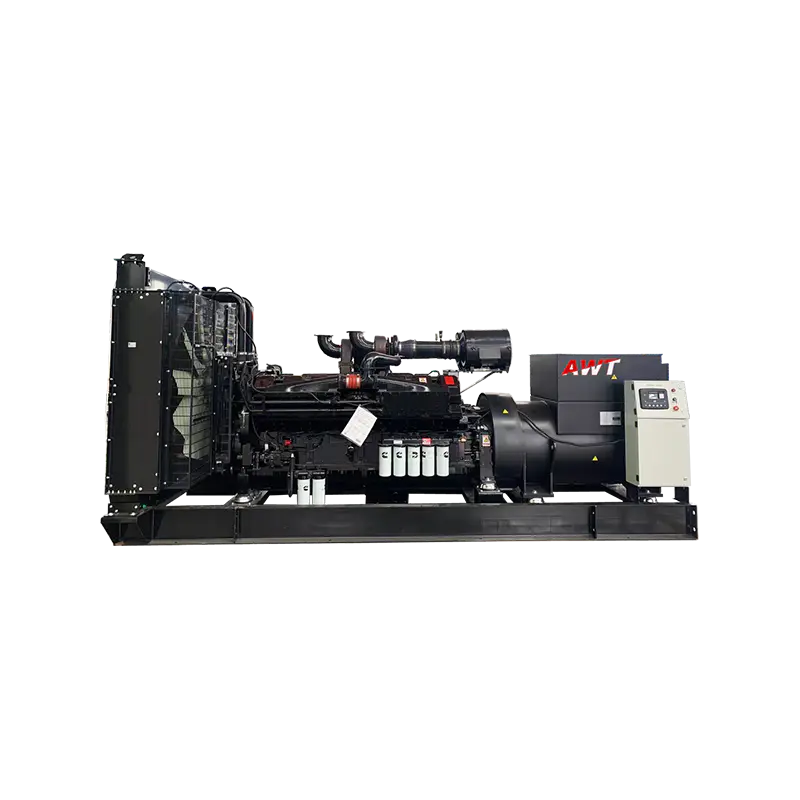
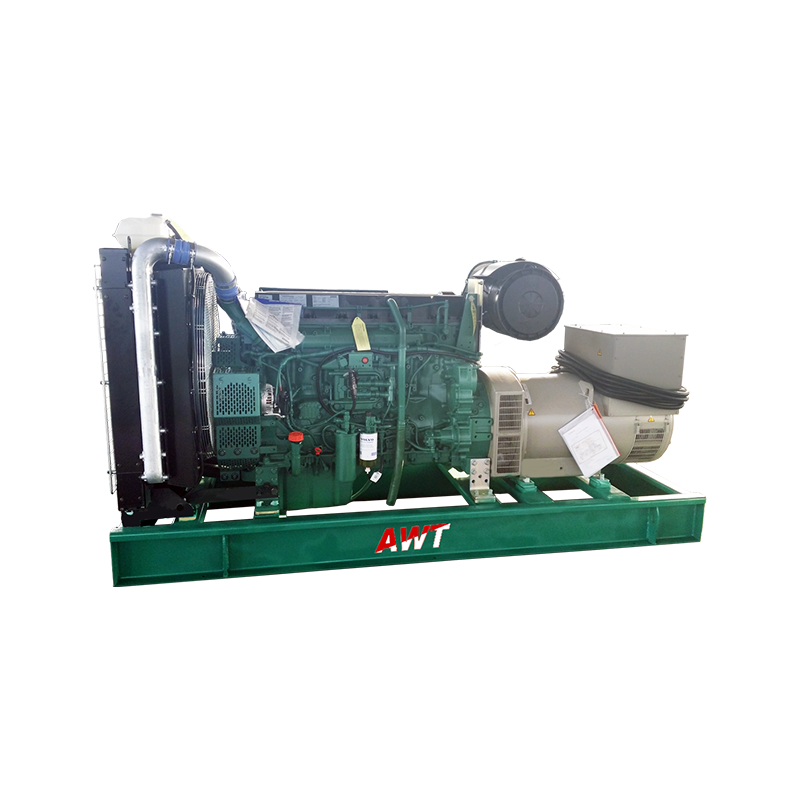
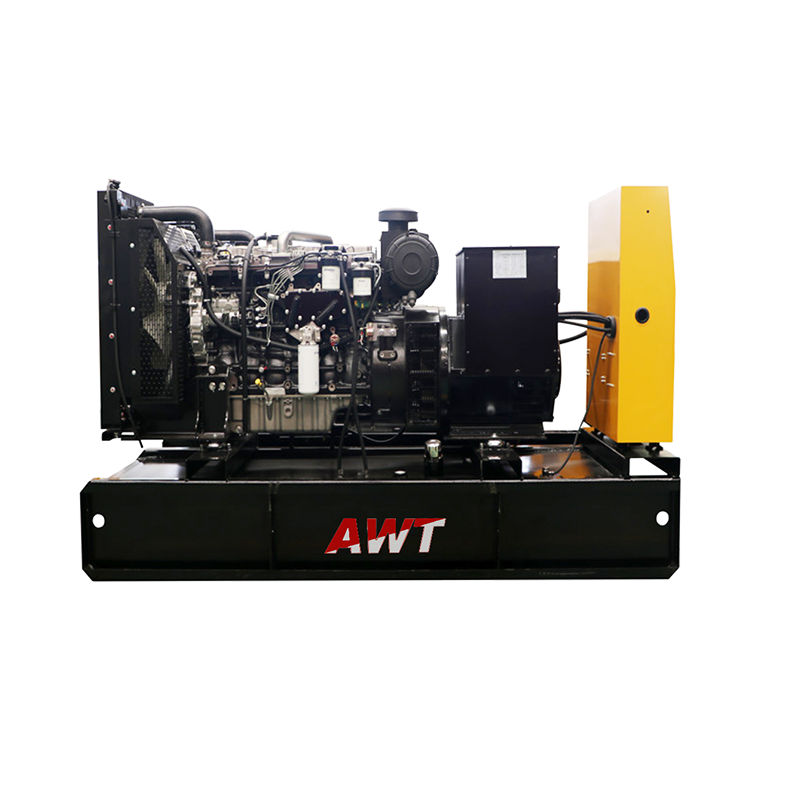
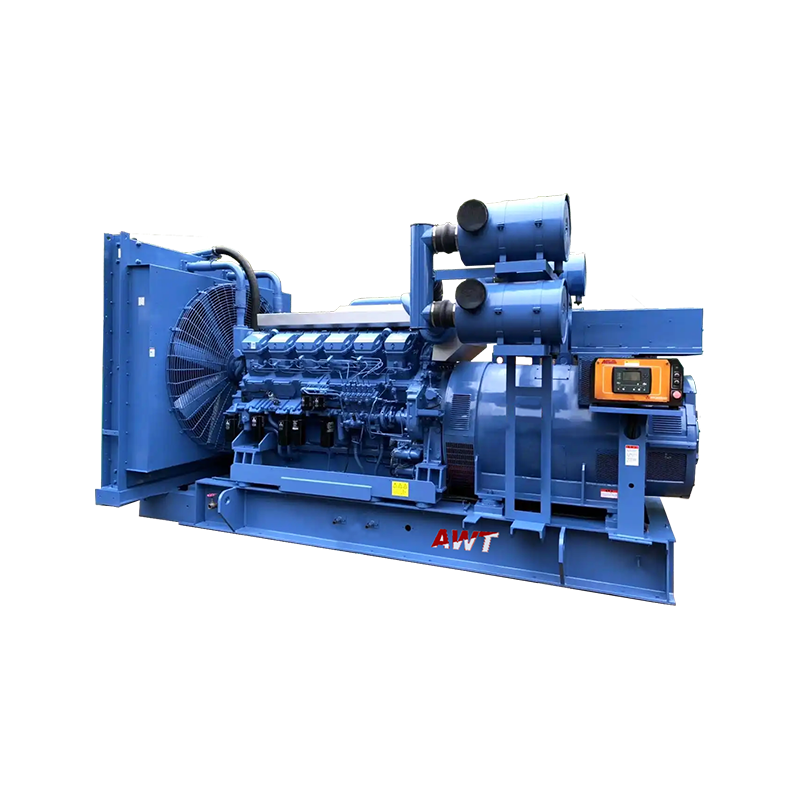
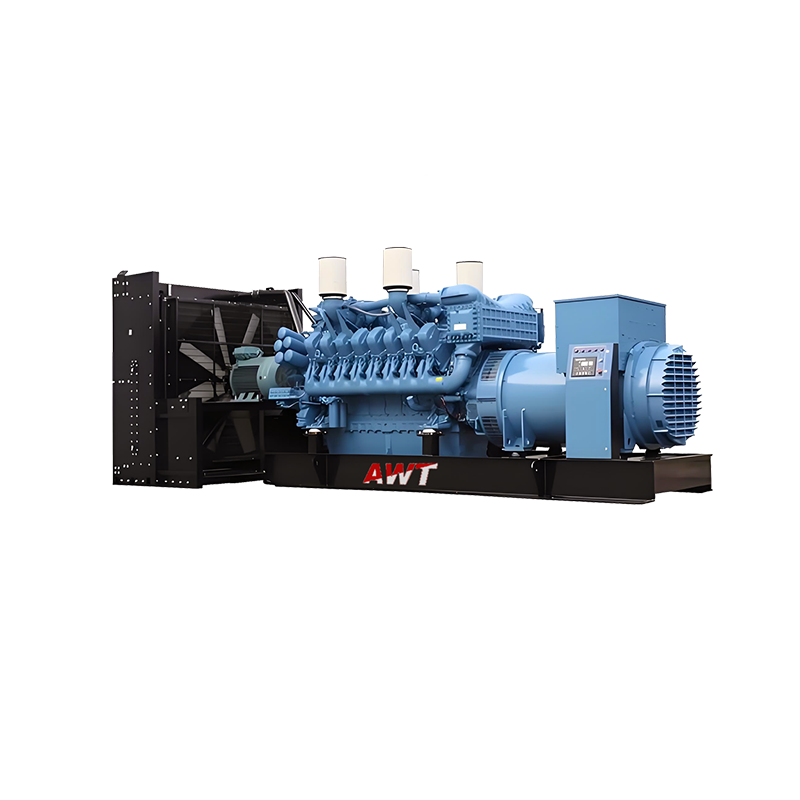
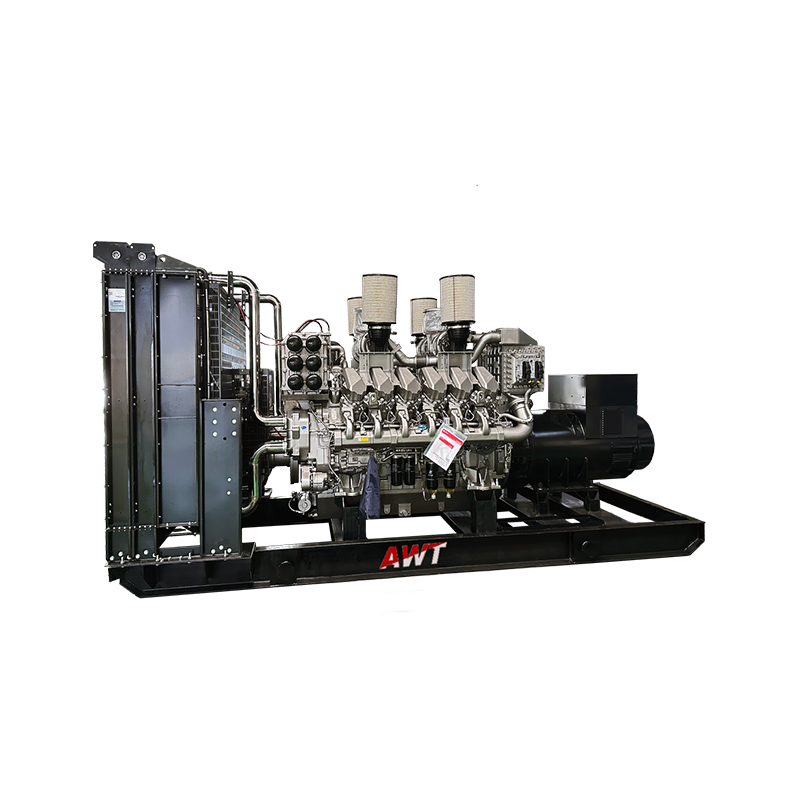
An SDEC-powered diesel generator set is an integrated power-generation system. Its main components include a diesel engine, alternator, control panel, base frame, fuel system, cooling system, exhaust system, starting system, protective devices, and acoustic or weatherproof accessories when required. Each component contributes to the generator’s ability to deliver stable electrical power and operate safely.
The diesel engine converts the chemical energy of fuel into mechanical energy. The alternator then converts that mechanical energy into electrical energy. The control system monitors operating parameters and allows users to start, stop, supervise, and protect the generator. The base frame maintains alignment between the engine and alternator, while the cooling, lubrication, fuel, and exhaust systems support continuous operation.
The product range is suitable for several operating modes. In standby applications, the generator operates during utility failures and provides emergency power to selected loads. In prime-power applications, it may operate as the main source of electricity where grid power is unavailable, unstable, or insufficient. In continuous-power applications, the generator can support regular operation for facilities that depend on independent generation for extended periods.
Because load characteristics differ widely from one project to another, a generator should not be selected only by looking at its maximum kilowatt rating. The required duty, starting current, load sequence, ambient temperature, altitude, fuel arrangements, operating hours, noise requirements, and local regulations must also be evaluated. The broad output range of this product family allows engineers to select a suitable configuration instead of forcing every customer into a single standard design.
Core Product Characteristics
The generator sets use authentic SDEC engines selected for their mature technology, practical serviceability, and suitability for industrial power applications. SDEC engines are widely recognized in the domestic power-equipment market and have accumulated extensive operating experience in different sectors. Their application in generator sets provides a proven foundation for projects requiring dependable mechanical performance.
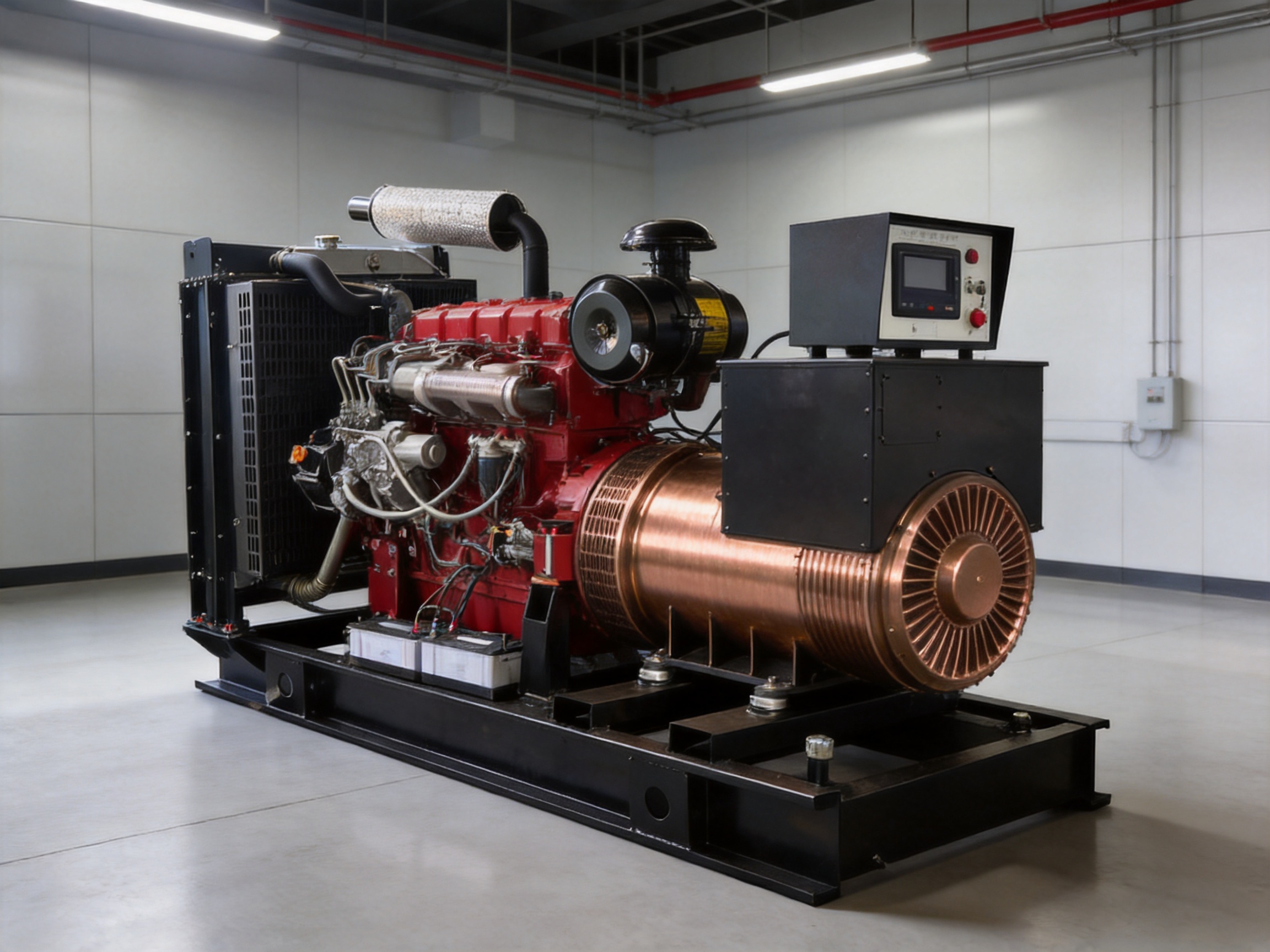
The alternators use high-efficiency full-copper windings and brushless construction. Copper has good electrical conductivity and supports efficient energy conversion. A brushless design reduces dependence on wear-prone brush components and can simplify maintenance over the operating life of the generator. Together, these characteristics help the alternator deliver stable electrical output and support reliable operation under varying load conditions.
An intelligent control system provides centralized supervision of essential operating data. Depending on the selected configuration, the controller can display parameters such as voltage, current, frequency, engine speed, coolant temperature, oil pressure, battery condition, and running hours. It can also provide alarms and shutdown protection when abnormal conditions are detected.
The generator sets are designed to provide strong dynamic response. This is particularly important when motors, pumps, compressors, elevators, welding equipment, or other high-inrush loads are connected. A generator that responds effectively to sudden load changes can help maintain power quality and reduce the possibility of voltage or frequency instability.
Engineering Advantages Over Conventional Alternatives
Many generator sets appear similar when viewed only from the outside. However, important performance differences can be found in the engine selection, alternator design, control logic, assembly accuracy, protection functions, and after-sales support. The SDEC-powered product series is designed to offer advantages in these areas when compared with basic or poorly integrated generator packages.
Authentic Engine Integration
The use of authentic SDEC engines provides a clearer technical foundation than the use of unidentified or inconsistently sourced engines. Engine authenticity matters because it affects component compatibility, service information, spare-parts availability, maintenance procedures, and long-term product traceability. A generator set based on a recognized engine platform is easier for project managers and maintenance teams to document and support.
Engine integration also requires more than placing an engine on a common base. The engine must be correctly matched with the alternator, control system, cooling package, exhaust arrangement, and intended duty cycle. Proper matching ensures that the generator can deliver the specified output without placing unnecessary stress on the mechanical or electrical systems.
Efficient Full-Copper Brushless Alternators
Alternator performance directly influences the quality of the electricity supplied to connected equipment. High-efficiency full-copper construction supports effective electrical conduction and helps reduce energy losses during power conversion. The brushless configuration avoids the routine replacement of brushes and reduces the number of friction-related components in the excitation system.
This design is valuable for users operating in dusty industrial environments, remote locations, construction areas, and facilities where maintenance access is limited. Although all generator equipment requires periodic inspection, a brushless alternator can help simplify routine service compared with older brushed designs. It also supports stable power production for lighting, control systems, motors, information equipment, and general industrial loads.
Intelligent Monitoring and Protection
A basic generator may provide only local start and stop functions. A modern intelligent controller offers a more comprehensive management interface. Operators can observe essential electrical and engine conditions, identify alarms, review operating hours, and respond more quickly to abnormal situations.
Protection functions are important because a generator may be exposed to overloads, high coolant temperature, low oil pressure, overspeed, under-voltage, over-voltage, under-frequency, over-frequency, or battery problems. When the controller detects a serious fault, it can issue an alarm or initiate a protective shutdown, depending on the condition and configuration. This reduces the likelihood that a minor fault will develop into major equipment damage.
Intelligent controls can also support automatic mains failure systems, remote monitoring, and automatic transfer equipment when these functions are included in the project design. For facilities that require unattended emergency operation, automatic starting and load transfer can significantly improve response time during a utility outage.
Wide Power Coverage
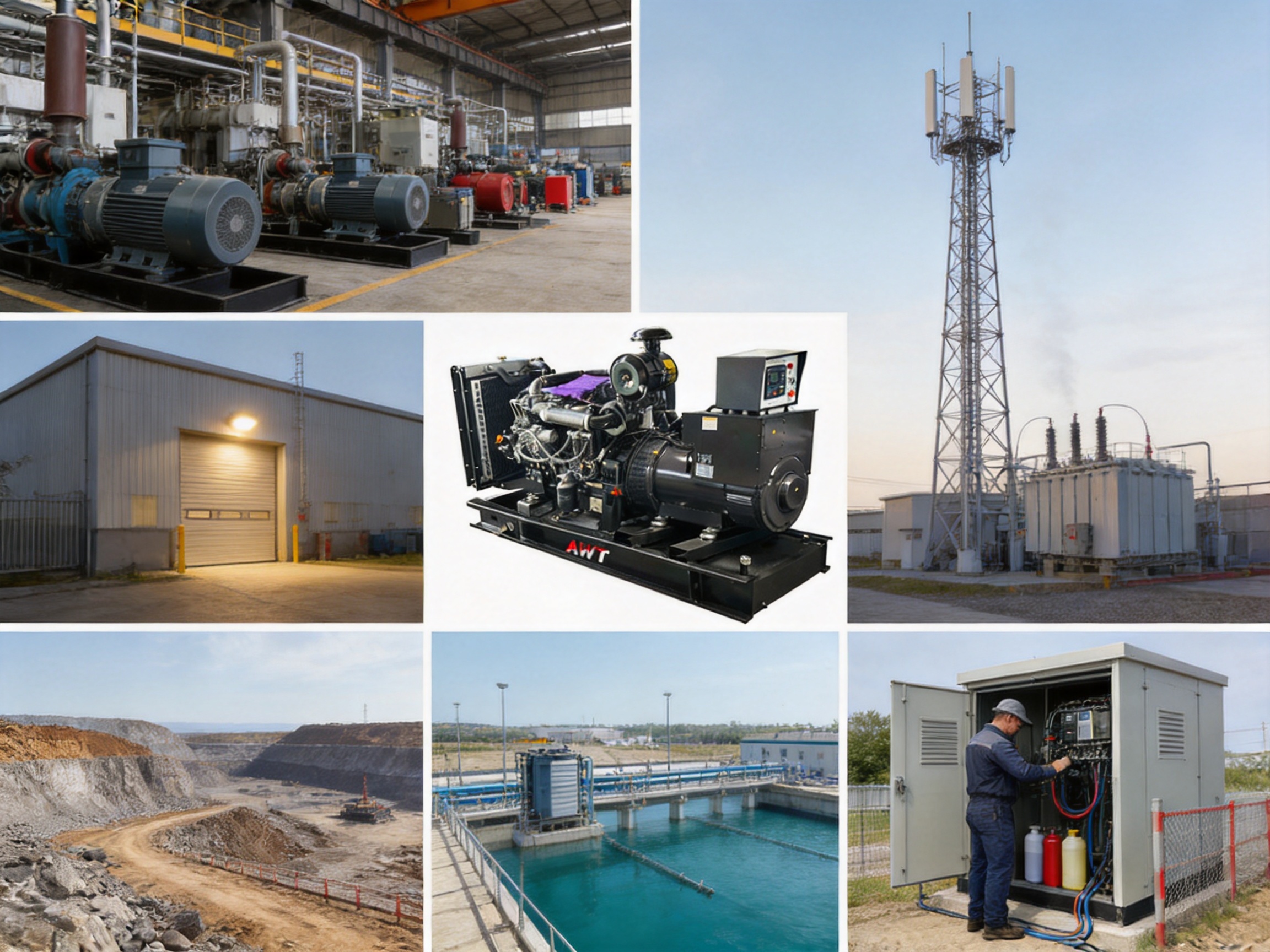
The 15 kW to 3000 kW range allows the product family to address a broad selection of applications. Smaller units may be used for offices, retail facilities, workshops, rural installations, or small communication sites. Medium-size units can serve factories, commercial buildings, hospitals, schools, warehouses, and construction projects. Larger units can be used for industrial plants, mines, infrastructure projects, municipal facilities, and parallel generator systems.
A wide range also supports staged expansion. A customer may initially require one generator for a new facility and later add additional units as production capacity grows. Depending on the project design, multiple generator sets may be arranged in parallel to improve capacity, operational flexibility, and maintenance planning.
Standby, Prime, and Continuous Power Capability
Different generator applications require different operating assumptions. Standby power generally means that the generator operates for limited periods during utility failures. Prime power may involve variable loads and extended operation, while continuous power may require a stable output for long operating periods. Selecting the correct rating is essential because the duty cycle affects engine loading, service intervals, fuel planning, and total operating cost.
The product series is designed to meet standby, prime, and continuous power requirements when correctly configured for the intended duty. Engineering teams can evaluate the customer’s load profile and select the appropriate rating, operating mode, and auxiliary equipment. This approach is more reliable than selecting a unit solely according to the highest possible output.
| Feature | Product Value | Typical Customer Benefit |
| Authentic SDEC diesel engine | Mature engine platform and identifiable technical foundation | Clearer maintenance planning and dependable mechanical performance |
| Full-copper brushless alternator | Efficient electrical conversion with reduced brush maintenance | Stable output and simplified routine service |
| Intelligent control system | Operating display, alarms, protection, and optional remote functions | Faster fault identification and safer operation |
| 15 kW to 3000 kW range | Multiple output options for different applications | Better matching between equipment capacity and project load |
| ISO 8528 and GB/T 2828 compliance orientation | Structured performance and quality expectations | Improved confidence in specification and inspection processes |
| Industrial installation support | Manufacturing, installation, and project assistance | More complete support from selection through commissioning |
Advanced Manufacturing and Quality Management
The performance of a generator set depends on the quality of its manufacturing process. Even high-quality engines and alternators can produce unsatisfactory results if they are poorly matched, incorrectly wired, inadequately tested, or assembled without attention to alignment and protection. Manufacturing discipline is therefore a major part of product reliability.
Engineering and Configuration Review
A professional manufacturing process begins with a review of the customer’s operating requirements. Engineers consider the rated power, voltage, frequency, phase arrangement, duty type, ambient conditions, installation location, noise limits, fuel storage, exhaust routing, ventilation, and control requirements.
For industrial applications, the team may also evaluate motor-starting characteristics, nonlinear loads, harmonic-producing equipment, emergency systems, automatic transfer requirements, and the need for synchronization or load sharing. This review allows the generator to be configured for its real operating environment instead of being treated as a generic product.
Configuration review is particularly important for facilities with large motors or equipment that starts and stops frequently. The generator must have sufficient transient capacity to handle starting currents while maintaining acceptable voltage and frequency. A correctly sized system can reduce nuisance trips, improve equipment performance, and support a smoother transition during power interruptions.
Engine and Alternator Matching
Engine and alternator matching is a central manufacturing activity. The engine must provide enough mechanical power to drive the alternator at the required speed, while the alternator must be capable of producing the specified voltage and frequency. The coupling, base frame, vibration isolation, and control settings must work together as one system.
Incorrect matching may cause poor load response, excessive vibration, inefficient fuel use, overheating, or unstable electrical output. A properly matched package, by contrast, allows the engine and alternator to operate within their intended ranges. This contributes to service life, operating efficiency, and predictable performance during both normal and emergency conditions.
Precision Assembly
During assembly, the engine, alternator, radiator, control cabinet, fuel components, exhaust components, and protective devices are arranged to support accessibility and safe operation. Alignment between the engine and alternator is important because misalignment can increase vibration and mechanical stress.
Electrical wiring is organized and identified to simplify inspection and future maintenance. Control circuits, sensing devices, output terminals, emergency stop functions, and protective components must be installed according to the approved design. Mechanical fasteners, pipe connections, grounding points, and cable entries also require careful attention.
The base frame provides structural support for the complete package. Where required, vibration isolators can be used to reduce the transfer of mechanical vibration to the foundation. Fuel and exhaust arrangements are designed according to the project layout, while radiator airflow and room ventilation must be considered to prevent excessive operating temperatures.
Quality Inspection and Testing
Quality management should cover incoming components, assembly operations, electrical connections, mechanical installation, and final inspection. Components are checked against the approved configuration, while the completed generator set is reviewed for visible defects, labeling, fastener security, wiring quality, fluid connections, and protective functions.
Performance testing may include starting tests, no-load operation, voltage and frequency checks, control-panel verification, alarm testing, emergency-stop testing, and load testing when specified by the project. Testing helps identify installation or configuration issues before the equipment reaches the customer’s site.
Compliance with ISO 8528 provides a recognized framework for reciprocating internal combustion engine generator sets. The reference to GB/T 2828 reflects a structured approach to sampling inspection and quality evaluation. Together with internal quality procedures, these standards support a more disciplined manufacturing and acceptance process.
Testing does not eliminate the need for proper installation and maintenance, but it improves confidence that the delivered equipment corresponds with the approved design. Documentation generated during inspection can also help the customer establish commissioning records and maintenance files.
Manufacturing Equipment and Process Consistency
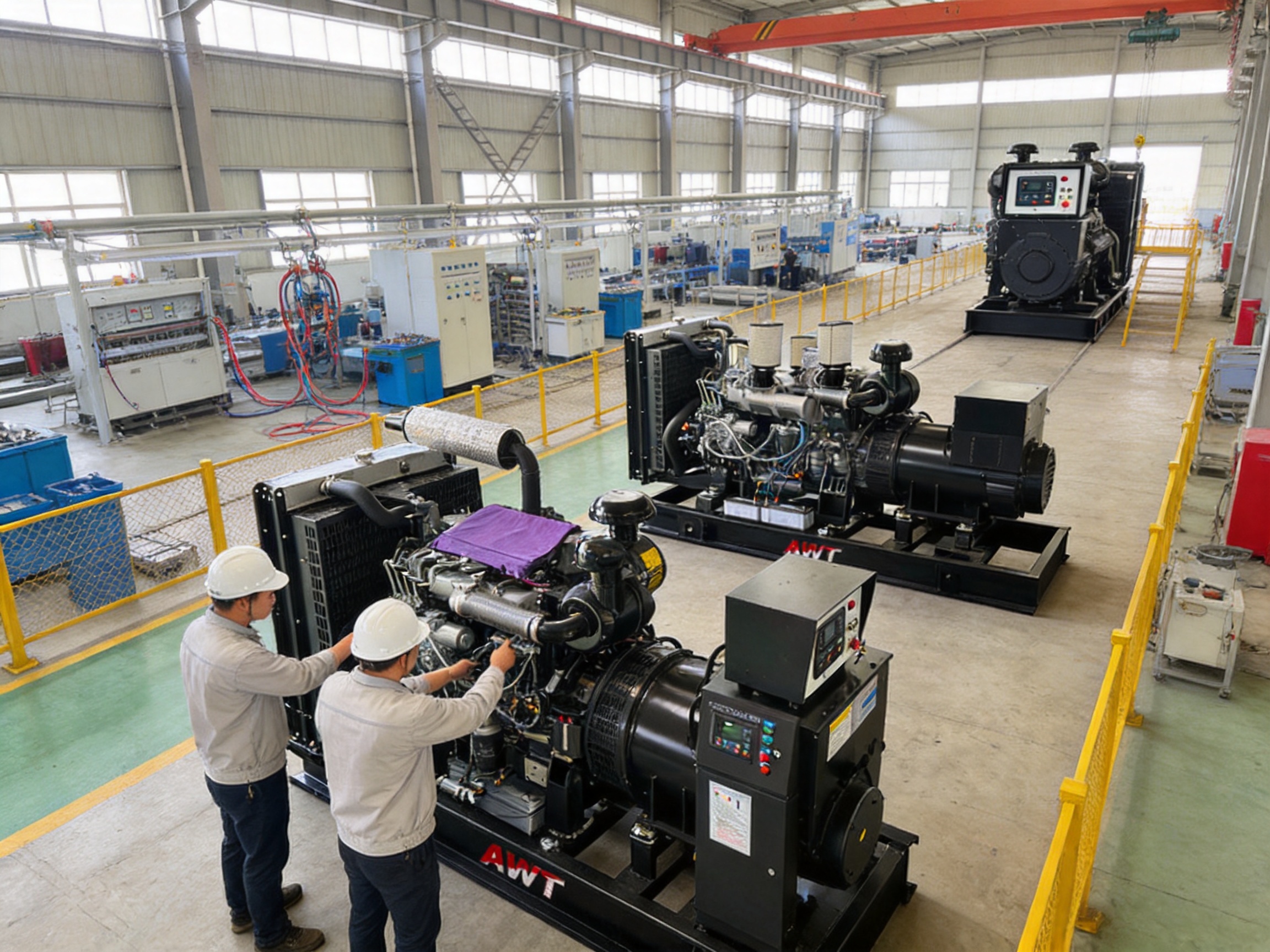
Yangzhou Aiweite Electromechanical Co., Ltd. emphasizes advanced manufacturing equipment and strict quality management. These capabilities support repeatable assembly, improved process control, and more consistent product quality. Process consistency is especially important for customers purchasing multiple generator sets or requiring similar equipment at several project locations.
A well-organized manufacturing environment also makes it easier to manage customized requirements. Customers may require different voltage levels, control functions, acoustic enclosures, weatherproof housings, fuel tanks, output terminals, automatic transfer systems, or monitoring arrangements. The ability to incorporate these requirements through a controlled process helps reduce project risk.
Operating Performance and Practical Benefits
Strong Dynamic Response
Generator sets frequently supply loads that change rapidly. Pumps may start automatically, compressors may cycle, and production equipment may connect in stages. The engine and alternator must respond to these changes without excessive speed fluctuation or voltage disturbance.
Strong dynamic response helps the generator recover more effectively after a sudden load application. This is beneficial for facilities that use motors, elevators, air-conditioning systems, fire pumps, cranes, welding machines, and other equipment with demanding starting characteristics. Load sequencing and appropriate generator sizing remain essential, but the underlying engine and alternator combination provides an important performance foundation.
Fuel Consumption and Operating Economy
Fuel is often one of the largest operating expenses associated with diesel generation. Efficient operation can reduce the cost per kilowatt-hour and extend the useful operating time between refueling activities. The product description emphasizes low fuel consumption as one of the main advantages of the SDEC-powered series.
Actual fuel use depends on the generator size, load percentage, engine condition, ambient temperature, altitude, fuel quality, maintenance status, and operating mode. For this reason, fuel-consumption claims should always be evaluated against the specific model and test conditions. In practical operation, maintaining an appropriate load level and following the recommended service schedule are important for achieving efficient performance.
For facilities operating several generators, intelligent controls and load management can help distribute demand more effectively. Units can be selected according to the current load, while additional units can be brought online when demand increases. This may improve fuel efficiency and provide operational flexibility, subject to the selected control system and project design.
Maintenance Accessibility
Maintenance affects both reliability and total cost of ownership. A generator that is difficult to inspect or service may require longer downtime and higher labor costs. The product series is designed with practical serviceability in mind, including accessible engine systems, organized controls, and a brushless alternator configuration.
Routine maintenance commonly includes checking engine oil, coolant, fuel filters, air filters, batteries, belts, hoses, electrical connections, radiator cleanliness, exhaust components, and protective devices. Operators should also start and test standby generators at planned intervals so that potential problems can be detected before an emergency occurs.
Maintenance access should be considered during installation. Adequate clearance around the generator allows technicians to reach service points, remove filters, inspect connections, and perform repairs safely. A technically advanced generator can still be difficult to maintain if it is installed in an overcrowded room.
Environmental Adaptability
Generator sets may be installed in hot, cold, dusty, humid, high-altitude, coastal, or remote environments. Environmental conditions influence cooling efficiency, air density, battery performance, fuel behavior, corrosion risk, and enclosure requirements.
The product series is intended for broad environmental adaptability. However, specific conditions should be identified during the engineering stage. High ambient temperatures may require additional cooling capacity. High-altitude locations may require derating or special engine settings. Dusty areas may benefit from enhanced filtration, while coastal installations may need additional corrosion protection.
Outdoor installations can use weatherproof or sound-attenuated enclosures when appropriate. Indoor installations require sufficient ventilation, safe exhaust discharge, fire protection, and access for maintenance. Environmental adaptability is therefore achieved through a combination of generator design, correct configuration, and professional installation.
Noise and Site Considerations
Noise control is important for residential developments, hospitals, hotels, schools, offices, and urban construction sites. The basic generator package can be combined with suitable acoustic measures, such as a sound-attenuated enclosure, flexible exhaust connection, vibration isolation, and carefully designed ventilation.
Noise performance depends on the engine, exhaust system, radiator fan, enclosure, foundation, and surrounding building structure. A complete acoustic solution must allow sufficient airflow and cooling while reducing airborne and structure-borne sound. Engineers should evaluate local noise regulations and the distance between the generator and nearby occupied areas.
Applications Across Multiple Industries
Factories and Manufacturing Plants
Manufacturing facilities depend on stable electricity for motors, conveyors, machine tools, process controls, lighting, ventilation, and safety systems. A brief interruption may result in material loss, equipment shutdown, production delays, or a lengthy restart procedure.
SDEC-powered generator sets can be used as standby units or as part of a broader independent power system. The intelligent control system allows operators to monitor generator conditions, while the strong dynamic response supports industrial loads that change during production. For larger plants, several units may be arranged to provide capacity expansion and maintenance flexibility.
Commercial Buildings
Commercial buildings require emergency power for lighting, elevators, fire pumps, security systems, access controls, communication systems, refrigeration, and selected mechanical services. Offices, shopping centers, hotels, and logistics facilities may also require power for data networks and building management systems.
For these applications, automatic mains failure operation is often important. When the utility supply fails, the generator can be configured to start automatically and work with transfer equipment to restore power to designated emergency circuits. The appropriate priority loads must be identified during system design so that the generator capacity is used efficiently.
Municipal and Public Projects
Municipal projects may include water-treatment plants, drainage stations, public buildings, traffic facilities, emergency centers, and community infrastructure. These installations often require high reliability because the supported services affect public safety and daily life.
Generator sets for municipal use may need weatherproof construction, remote monitoring, fuel autonomy, low-noise operation, and clear maintenance documentation. A supplier capable of manufacturing, installing, and supporting the equipment can help coordinate the generator with the wider electrical and civil works of the project.
Mines and Remote Industrial Sites
Mines and remote industrial sites may have limited access to utility power. They can also operate in dusty conditions, at challenging elevations, or far from service centers. Generator reliability, fuel planning, filtration, cooling, and spare-parts availability are especially important in these locations.
The broad power range allows the equipment to serve accommodation areas, workshops, pumps, ventilation systems, processing equipment, communication facilities, and emergency loads. When several generators are used, a coordinated control system can help distribute power and provide redundancy.
Telecommunications Stations
Telecommunications infrastructure requires continuous availability. Base stations, switching centers, data communication facilities, and network control sites may need backup power to maintain services during grid interruptions.
Telecom generator applications often require compact installation, automatic starting, remote alarms, long standby readiness, and efficient fuel use. The intelligent control system can support local supervision and, where configured, remote monitoring. Battery systems and generator systems can also be coordinated to provide layered backup protection.
Construction Projects
Construction sites frequently operate before permanent grid connections are available. Power may be needed for cranes, lighting, welding equipment, pumps, compressors, temporary offices, and worker facilities. The generator must tolerate changing loads, relocation, dust, and frequent operating adjustments.
Mobile or skid-mounted configurations can provide flexibility during different construction stages. As the project develops, the load may increase, making the availability of multiple power ratings valuable. Proper grounding, cable protection, fuel storage, and weather protection are essential for safe temporary operation.
Company Manufacturing and Service Strengths
Yangzhou Aiweite Electromechanical Co., Ltd. was founded in 2008 and specializes in the manufacture and installation of diesel generator sets ranging from 1 kVA to 2,500 kVA. Its business focus combines equipment production with project implementation, allowing customers to receive assistance beyond the initial product quotation.
The company’s stated objective is to become a reliable long-term partner for customers worldwide by providing stable, durable, efficient, and environmentally responsible power solutions. This objective is reflected in the importance placed on manufacturing quality, technical innovation, customer support, and project follow-up.
Experience in Generator Manufacturing
Long-term experience in generator manufacturing helps a supplier understand the practical issues that arise during selection, installation, commissioning, and operation. These issues include incorrect sizing, inadequate ventilation, unsuitable exhaust routing, insufficient fuel capacity, poor cable arrangements, and missing maintenance access.
Experience also supports better communication between the customer, electrical contractor, civil contractor, and equipment manufacturer. When a generator is part of a larger project, coordinated technical information is essential. The company’s combined manufacturing and installation capability can help reduce the gap between product supply and site requirements.
International Quality Orientation
The company emphasizes compliance with applicable international standards and strict quality management. This orientation is important for export customers, engineering contractors, and organizations that require documented inspection and acceptance procedures.
International customers may have specific expectations regarding electrical ratings, safety functions, documentation, packaging, installation, spare parts, and commissioning. A quality-oriented supplier is better positioned to review these requirements before production and to prepare the generator set accordingly.
Global Project Support
Since beginning its foreign trade business in 2022, the company has expanded its international presence. Global project support requires more than shipping equipment. It also requires clear technical communication, export coordination, reliable documentation, responsive service, and an understanding of the operating conditions in different countries.
The company’s approach is based on providing support before, during, and after each project. Pre-sales support may include power selection and configuration advice. During the project, the supplier may assist with production coordination, documentation, shipment preparation, installation, and commissioning. After delivery, support can include operating guidance, maintenance information, troubleshooting assistance, and spare-parts coordination.
Customer-Centered Corporate Culture
The company follows the principles of “Quality First, Customer First” and describes its culture through integrity, responsibility, innovation, and mutual success. These principles are relevant to generator projects because customers typically expect the equipment to operate for many years, often under conditions where a failure can be costly.
A customer-centered approach means understanding the customer’s actual power problem instead of focusing only on a product model. For example, a factory may need help with motor starting, a telecommunications operator may need remote alarms, and a construction company may need a flexible temporary-power arrangement. Each requirement should be addressed through a suitable system configuration.
Selection Guide for Buyers
Define the Required Power
The first step is to identify the total connected load and the load that must remain operational during a utility failure. Not every facility requires all equipment to operate simultaneously. Separating essential loads from nonessential loads can reduce the generator size and improve system efficiency.
Engineers should calculate both running power and starting power. Motors and other inductive loads can require substantially more current during startup than during normal operation. If several motors start at the same time, the generator may need additional capacity or a controlled load-sequencing arrangement.
Choose the Correct Duty Rating
Customers should identify whether the generator will be used for standby, prime, or continuous power. Standby units are generally used for emergency operation, while prime and continuous applications may involve longer and more frequent running periods. The selected engine and alternator must be suitable for the expected duty cycle.
Incorrect rating selection can lead to underloading, overloading, excessive maintenance, or reduced service life. A professional supplier should review the load profile and operating schedule before recommending the final model.
Confirm Electrical Requirements
Electrical requirements include voltage, frequency, phase configuration, neutral arrangement, short-circuit characteristics, connection method, and protection settings. Requirements may differ between countries, industries, and individual sites.
Customers should also identify whether the generator will operate independently, in parallel with other generators, or in coordination with the utility supply. Synchronization and load-sharing functions require appropriate controls and electrical protection, so they should be defined before production.
Review the Installation Environment
The installation location affects generator configuration. Indoor rooms require ventilation, heat removal, exhaust discharge, fire protection, and service clearance. Outdoor locations may require weatherproof or sound-attenuated enclosures, secure foundations, drainage, and protection from unauthorized access.
Temperature, altitude, dust, humidity, corrosive gases, and proximity to the sea should be identified. These conditions may influence radiator size, filtration, enclosure construction, corrosion protection, battery selection, and output derating.
Consider Fuel and Operating Autonomy
Fuel storage should be matched to the expected load and required operating duration. Standby applications may need enough fuel for emergency operation, while prime-power sites may require a more comprehensive refueling and storage plan.
Fuel quality and storage conditions also affect reliability. Water contamination, sediment, microbial growth, and aging fuel can cause starting and injection problems. A maintenance program should include fuel-system inspection and appropriate fuel management practices.
Plan for Maintenance and Spare Parts
Before purchasing, customers should ask about recommended service intervals, consumables, filters, batteries, belts, hoses, sensors, and common replacement parts. The supplier should provide operating manuals, wiring diagrams, maintenance recommendations, and commissioning information appropriate to the selected configuration.
Maintenance access should be reviewed at the design stage. Service doors, removable panels, lifting points, and adequate working space can significantly reduce future downtime. For remote sites, the customer may also wish to maintain a local stock of essential consumables and emergency spare parts.
Installation, Commissioning, and Long-Term Operation
Professional installation is necessary to achieve the performance expected from the generator set. The foundation must support the equipment, and vibration isolation should be applied where appropriate. The generator should be positioned to allow inspection, maintenance, fuel connection, exhaust routing, and safe access.
Ventilation design must provide sufficient combustion air and remove the heat produced by the engine, radiator, exhaust system, and alternator. Poor ventilation can cause high room temperatures, reduced output, protective shutdowns, and shortened component life.
The exhaust system must discharge combustion gases safely away from occupied spaces and air intakes. Flexible connections can help accommodate engine movement and reduce vibration transfer. Exhaust back pressure should remain within the engine manufacturer’s acceptable limits.
Electrical installation includes output cabling, grounding, protection, transfer equipment, battery connections, emergency-stop circuits, and control interfaces. All connections should be inspected and tested before energization. The installation must comply with applicable local electrical and safety regulations.
Commissioning verifies that the generator performs correctly in its actual installation. This may include simulated utility failure, automatic starting, transfer operation, load application, alarm verification, shutdown testing, and remote-monitoring checks. Commissioning records should be retained as part of the equipment documentation.
During normal operation, operators should monitor oil pressure, coolant temperature, voltage, frequency, battery condition, fuel level, and alarms. Any unusual noise, vibration, smell, smoke, leakage, or performance change should be investigated promptly.
Environmental Responsibility and Efficiency
Diesel generator sets must be operated responsibly because fuel combustion produces exhaust emissions and consumes natural resources. Efficient generator selection, appropriate loading, preventive maintenance, and correct operating procedures can help reduce unnecessary fuel consumption and emissions.
A properly maintained engine generally operates more efficiently than one with blocked filters, contaminated fuel, degraded lubricating oil, or incorrect settings. The alternator’s efficient electrical conversion also contributes to better overall power utilization.
Customers should follow local requirements for exhaust emissions, noise, fuel storage, spill prevention, and waste disposal. Used oil, filters, batteries, and contaminated materials must be handled according to applicable environmental regulations. Where practical, generator rooms should include measures to prevent fuel or oil from entering drainage systems.
Environmental responsibility also includes selecting a generator that is appropriately sized. An excessively large generator may run at a low load for long periods, while an undersized generator may be overloaded. Proper sizing supports both reliable operation and more efficient resource use.
Why This Product Series Is a Practical Choice
The main strength of these SDEC-powered diesel generator sets is the balance between proven engine technology, efficient alternator construction, intelligent control, broad power coverage, and project-oriented manufacturing support. Customers receive a system designed for real operating requirements rather than an isolated engine package.
Compared with basic generator products that may use unidentified engines, limited controls, or minimal inspection procedures, this product series offers clearer component identity and a more structured quality approach. Compared with highly specialized premium systems that may involve significant cost and complex service arrangements, it can provide a practical solution for customers seeking dependable industrial power with manageable ownership requirements.
The generator sets are suitable for organizations that value strong dynamic response, low fuel consumption, easy maintenance, and environmental adaptability. Their applications range from emergency backup to prime and continuous power, making them appropriate for factories, commercial buildings, municipal projects, mines, telecommunications stations, construction sites, and general industrial facilities.
The manufacturing strength of Yangzhou Aiweite Electromechanical Co., Ltd. further supports the product. The company combines generator-set production, installation experience, advanced equipment, quality management, international standards orientation, and global customer service. This combination can help customers reduce technical uncertainty from the initial selection stage through commissioning and long-term operation.
Q&A
Q1: What power range is available for the SDEC-powered generator sets?
The product series covers a broad range from 15 kW to 3000 kW. The correct model depends on the customer’s load, voltage, frequency, operating mode, environmental conditions, and installation requirements.
Q2: Are these generator sets suitable for standby power?
Yes. They are designed to meet standby power requirements when correctly configured. Standby applications commonly include commercial buildings, factories, communication sites, public facilities, emergency systems, and other locations that require backup power during utility failures.
Q3: Can the generator sets be used for prime or continuous power?
Yes. The product series is intended to support standby, prime, and continuous power requirements. However, the generator rating and configuration must be selected according to the expected operating schedule, load profile, ambient conditions, and maintenance plan.
Q4: What type of engine is used?
The generator sets use authentic SDEC diesel engines. The engines provide a mature mechanical platform for industrial power generation and are integrated with the alternator and control system during generator-set assembly.
Q5: What are the advantages of a full-copper brushless alternator?
Full-copper construction supports efficient electrical conduction, while brushless excitation reduces the need for brush-related maintenance. The combination can contribute to stable output, reliable operation, and simplified routine servicing.
Q6: What does the intelligent control system do?
The intelligent control system allows operators to monitor important engine and electrical parameters. It can provide operating information, alarms, and protective shutdown functions. Depending on the configuration, it may also support automatic mains failure operation, remote monitoring, synchronization, or other control requirements.
Q7: Can the generator be customized?
Generator sets can be configured according to power rating, voltage, frequency, enclosure type, fuel capacity, control functions, transfer requirements, noise restrictions, environmental conditions, and installation layout. The final configuration should be confirmed through technical review before production.
Q8: Are the generator sets suitable for outdoor installation?
They can be configured for outdoor use with suitable weatherproof or sound-attenuated protection. Outdoor installation also requires proper foundations, ventilation, exhaust discharge, drainage, security, cable protection, and compliance with local regulations.
Q9: How should a generator be sized for motor loads?
Motor loads require evaluation of both running power and starting current. The number of motors, starting sequence, starting method, voltage drop tolerance, and generator dynamic response should be considered. Professional load analysis is recommended before selecting the generator rating.
Q10: What standards are associated with the product?
The generator sets are described as complying with ISO 8528 and GB/T 2828 standards. Customers should confirm the specific documentation, test procedures, and applicable requirements for the selected model and destination market.
Q11: What maintenance is required?
Routine maintenance generally includes inspections of lubricating oil, coolant, filters, batteries, belts, hoses, radiator condition, fuel systems, exhaust systems, electrical connections, and protective functions. The exact schedule should follow the approved operating and maintenance documentation for the selected engine and generator configuration.
Q12: What support does the manufacturer provide?
Yangzhou Aiweite Electromechanical Co., Ltd. provides manufacturing and installation support, together with assistance before, during, and after projects. Support may include model selection, configuration review, production coordination, commissioning guidance, technical documentation, operating advice, and maintenance assistance.
Q13: Can several generator sets operate together?
Multiple units may be arranged in parallel when the project includes suitable synchronization, load-sharing, protection, and distribution equipment. This arrangement should be engineered according to the required capacity, redundancy, load profile, and operating strategy.
Q14: Why is installation design important if the generator is factory-tested?
Factory testing verifies the equipment under controlled conditions, but site performance also depends on ventilation, exhaust routing, fuel supply, cabling, grounding, foundation quality, transfer equipment, and load characteristics. Correct installation and commissioning are therefore essential for achieving reliable operation.
Conclusion
SDEC-powered diesel generator sets provide a dependable and adaptable solution for organizations that require stable independent power. With outputs from 15 kW to 3000 kW, the product family can support a wide range of standby, prime, and continuous applications. Authentic SDEC engines provide the mechanical foundation, while full-copper brushless alternators support efficient electrical conversion and reduced maintenance requirements.
Intelligent control systems improve supervision, protection, and operational convenience. Strong dynamic response supports demanding loads, while the product’s emphasis on low fuel consumption, easy maintenance, and environmental adaptability helps customers control operating risks and long-term costs.
Equally important, the product is supported by a manufacturer with experience in diesel generator production and installation. Yangzhou Aiweite Electromechanical Co., Ltd. combines advanced manufacturing equipment, strict quality management, standards-oriented production, international project experience, and customer support before, during, and after delivery.
For factories, commercial buildings, municipal facilities, mines, telecommunications stations, construction projects, and general industrial users, the most appropriate generator solution begins with a careful review of actual operating requirements. When the generator rating, engine, alternator, control system, installation environment, and maintenance plan are correctly matched, the result is a durable power system capable of supporting critical operations in a wide variety of conditions.
References
ISO 8528, Reciprocating Internal Combustion Engine Driven Alternating Current Generating Sets.
GB/T 2828, Sampling Procedures and Tables for Lot-by-Lot Inspection by Attributes.
International Electrotechnical Commission, Recommendations for Rotating Electrical Machines and Alternating-Current Generators.
Diesel Generator Set Operation and Maintenance Principles, Industrial Power Equipment Reference Materials.
Engine and Alternator Integration Practices for Standby, Prime, and Continuous Power Applications.
Manufacturer-provided product information for SDEC-powered diesel generator sets.
Manufacturer-provided company information for Yangzhou Aiweite Electromechanical Co., Ltd.