English
 Français
 Español
Mission-Critical MTU-Powered Diesel Generator Sets: Engineering, Performance, and Custom Power Solutions
Oct 04, 2026
Content
- 1 Designed for High-Importance Power Applications
- 2 Genuine Industrial Engine Technology
- 3 Fast Load Response and Stable Electrical Output
- 4 Full-Copper Brushless Alternators
- 5 Intelligent Control and Automation
- 6 Manufacturing Process and Quality Management
- 7 Testing Before Delivery
- 8 Power Ratings and Representative Models
- 9 Configuration Options for Different Sites
- 10 Fuel Economy and Lifecycle Value
- 11 Environmental Adaptability and Emission Considerations
- 12 Installation Planning and Site Requirements
- 13 Advantages Compared with Basic Generator Assemblies
- 14 Maintenance and After-Sales Support
- 15 How a Custom Generator Project Is Developed
- 16 Application Recommendations by Power Band
- 17 Frequently Asked Questions
- 17.1 What power range is available?
- 17.2 Are both 50 Hz and 60 Hz systems available?
- 17.3 Can the generator operate as prime or continuous power?
- 17.4 Can multiple generator sets operate in parallel?
- 17.5 Can a complete containerized power station be supplied?
- 17.6 What options are available for noise reduction?
- 17.7 Can the systems be used in high-altitude or coastal areas?
- 17.8 What testing is performed before shipment?
- 17.9 What information is required for a quotation?
- 17.10 Does the supplier provide spare parts and technical support?
- 18 Conclusion
- 19 References
- 20 Product: MTU Powered Diesel Generator Sets
Reliable electrical power is essential wherever interruption can affect safety, productivity, data integrity, or public services. Data centers, hospitals, petrochemical facilities, ports, industrial parks, hotels, municipal projects, and national infrastructure all require standby or continuous power systems that can start quickly, accept heavy loads, operate efficiently, and remain stable under demanding environmental conditions. MTU-powered diesel generator sets are designed for precisely these applications, combining high-performance industrial engines, precision alternators, intelligent control systems, and purpose-built auxiliary equipment in one integrated power solution.
Manufactured and configured by Yangzhou Aiweite Electromechanical Co., Ltd., these generator sets are developed for customers that need more than a basic engine-alternator combination. The product range supports standby, prime, and continuous power requirements, with configurations covering approximately 20 kW to 4,000 kW according to project specifications. Standard solutions include open-frame, silent canopy, mobile trailer, and containerized designs, while customized systems can include automatic transfer switching, synchronizing and paralleling equipment, remote monitoring, fuel storage, cold-start equipment, anti-corrosion treatment, and specialized acoustic or structural modifications.
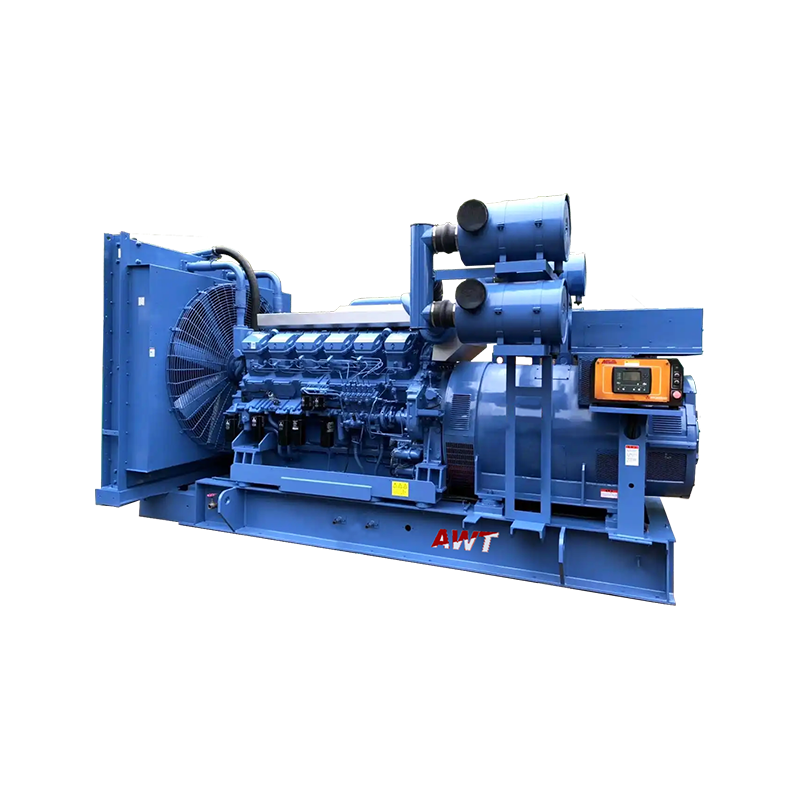
The central advantage of this product family is its system-level design. Genuine German MTU industrial engines are matched with full-copper brushless alternators, intelligent digital controllers, heavy-duty cooling systems, vibration isolation, filtration, exhaust equipment, and a robust base frame. Each major component is selected not only for individual performance but also for compatibility with the complete power plant. This approach helps improve load response, reduce operating risk, simplify maintenance, and provide dependable service throughout the generator’s working life.
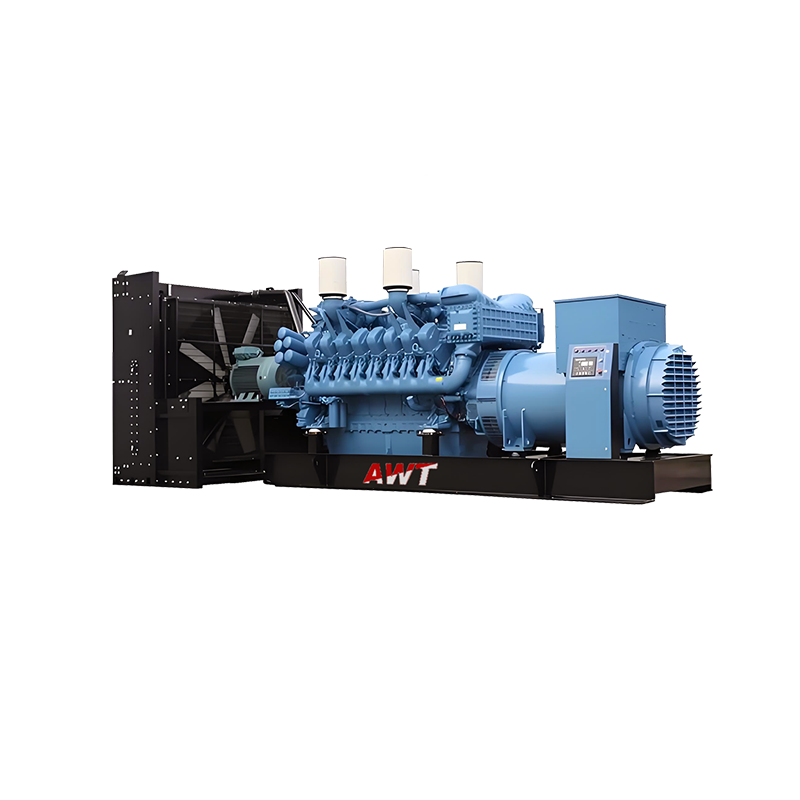
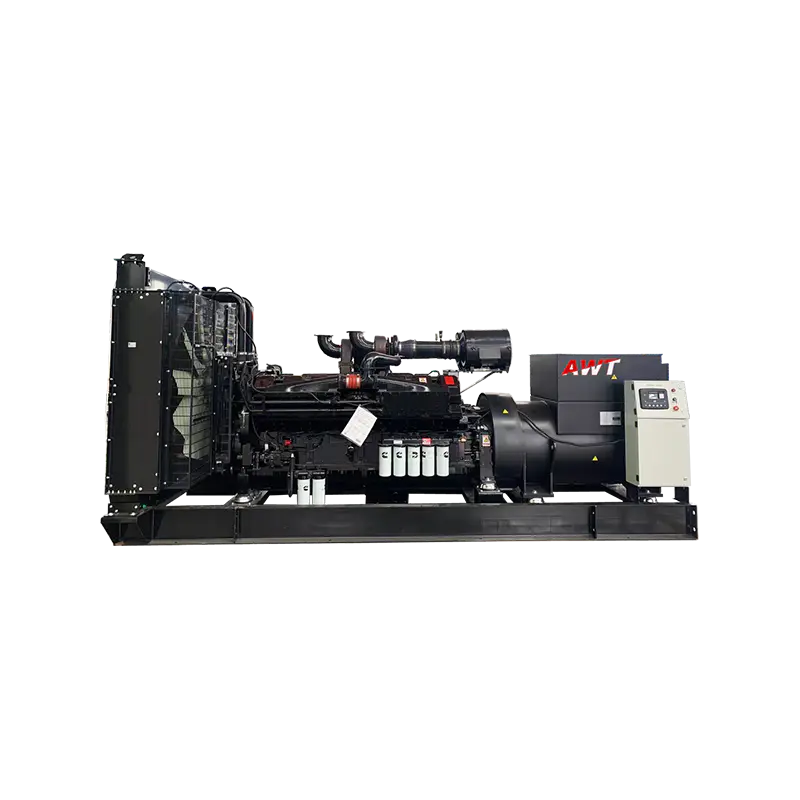
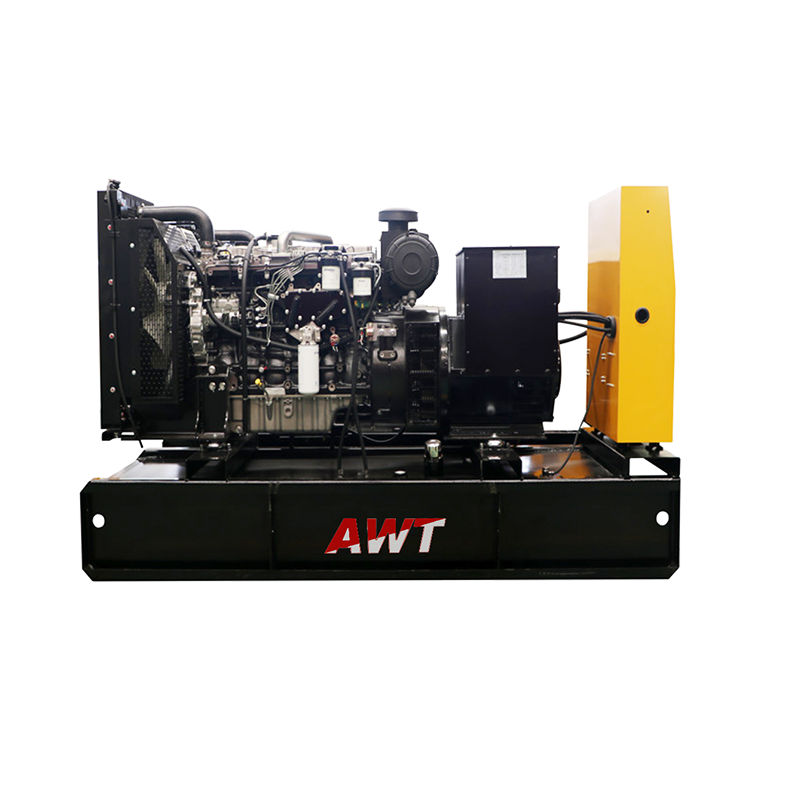
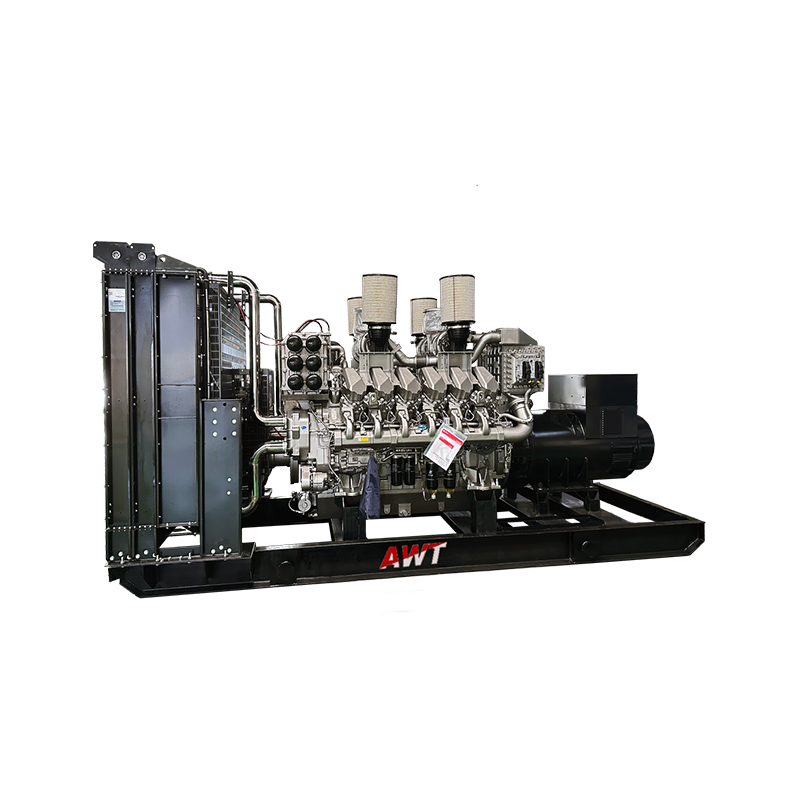
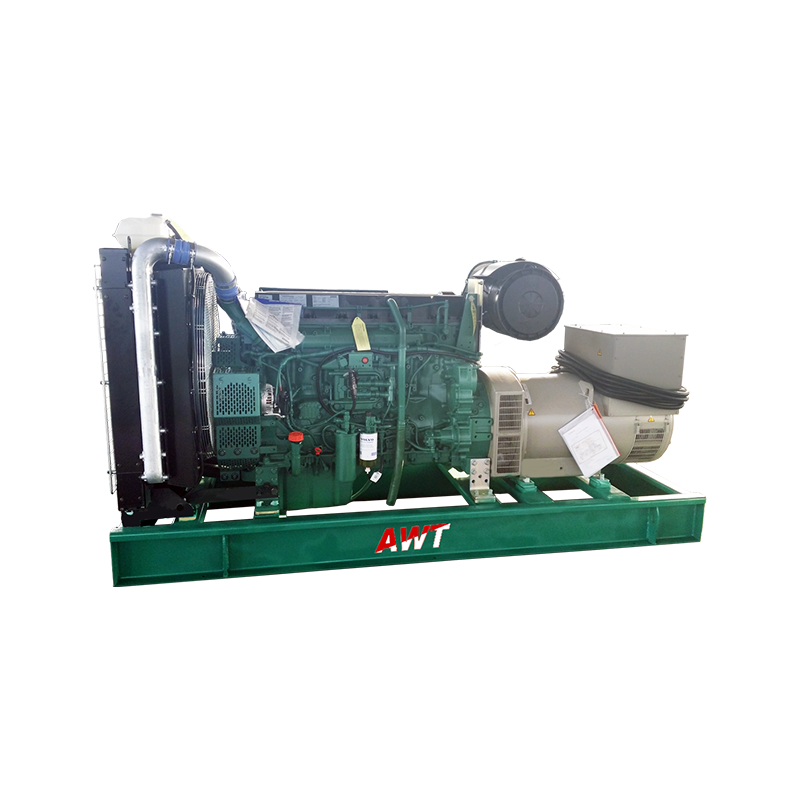
MTU Powered Diesel Generator Sets
Designed for High-Importance Power Applications
Generator selection should begin with the consequences of power failure rather than with the generator’s nameplate rating alone. A facility supporting critical medical systems may require automatic transfer and extremely stable voltage. A data center may need low transient deviation, fast load acceptance, synchronization between multiple units, and integration with a building management or supervisory control system. A petrochemical plant may require hazardous-area considerations, enhanced ventilation, emergency shutdown functions, and reliable operation in high-temperature or corrosive environments.
MTU-powered generator sets are configured to address these requirements. They are suitable for emergency standby operation, prime power operation where the generator supplies the main electrical load, and continuous operation in locations without a dependable utility grid. The system can be engineered around the customer’s load profile, including motor starting currents, nonlinear electronic loads, variable-frequency drives, server equipment, pumps, compressors, heating systems, and process machinery.
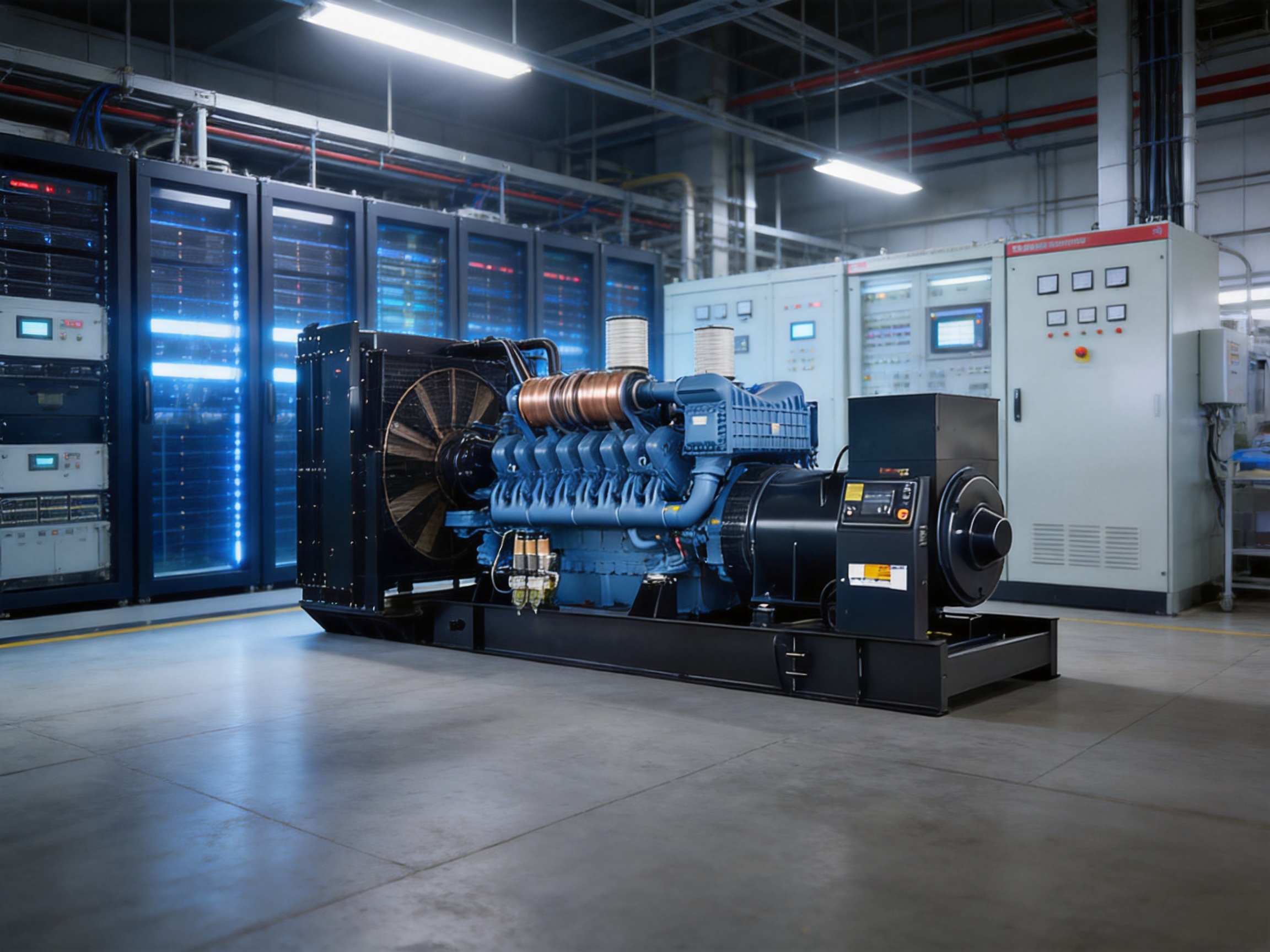
For hospitals and healthcare facilities, the generator package can be supplied with automatic transfer switching, rapid starting, emergency protection, and stable power output for sensitive medical equipment. For data centers, the system can be integrated with paralleling switchgear, redundant generator arrangements, remote monitoring, and control protocols compatible with supervisory systems. For industrial users, the generator can be adapted to high starting loads, continuous operation, dusty environments, high ambient temperatures, and demanding service schedules.
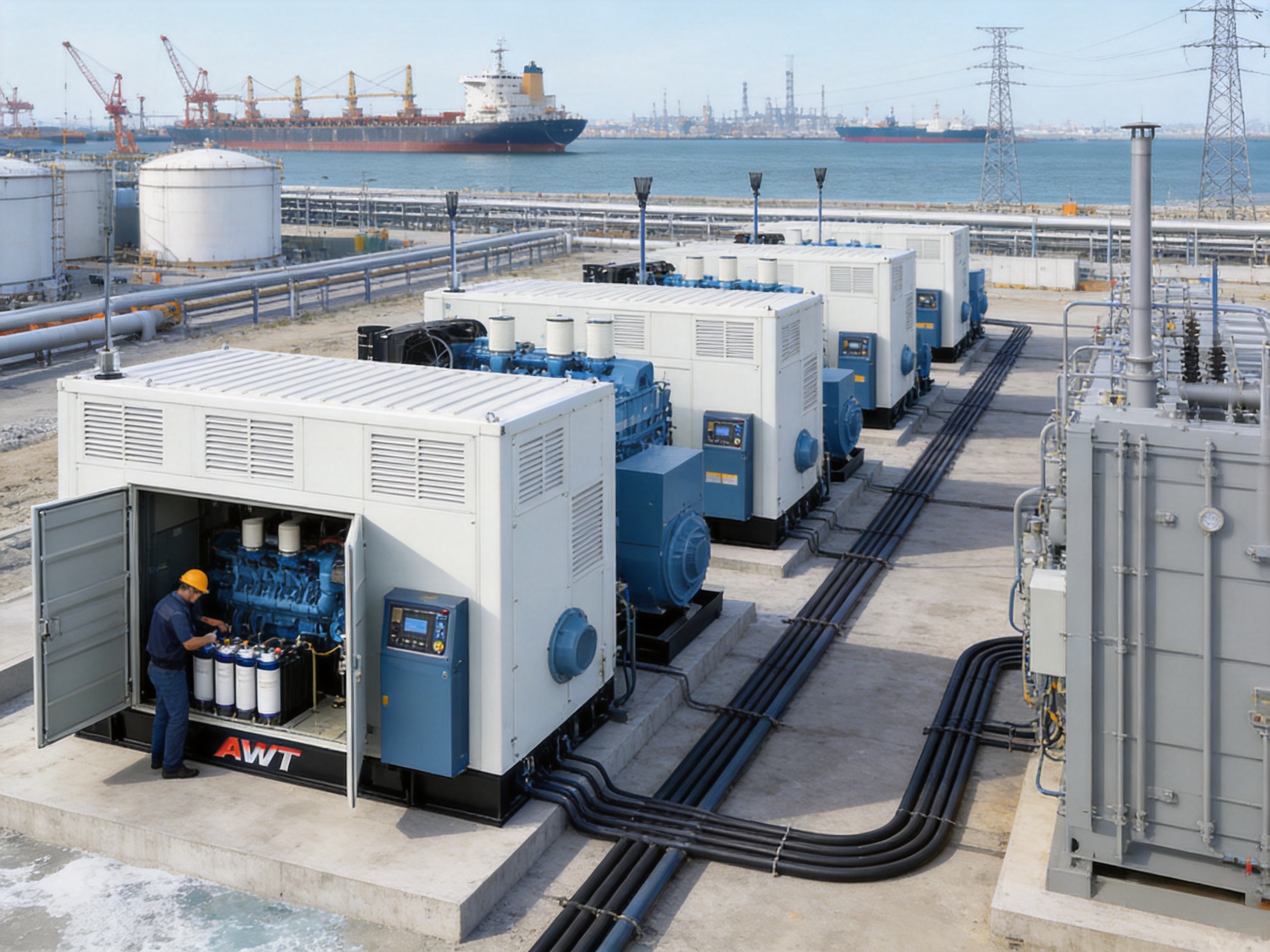
The product range is also suitable for commercial and public buildings where noise, appearance, space, and emissions are important. Silent canopy designs can reduce operational noise to approximately 75 dB(A), depending on rating, enclosure design, measurement conditions, and installation layout. Trailer and containerized versions support temporary power, emergency deployment, construction sites, mobile projects, ports, and modular power stations.
Genuine Industrial Engine Technology
The engine is the primary source of mechanical power in a diesel generator set, and its design has a direct effect on reliability, fuel consumption, service life, and load response. The MTU engines used in these systems are genuine German industrial engines selected for demanding power-generation applications. They employ electronically controlled fuel injection, turbocharged intercooling, and rigid engine structures engineered for stable operation under high load.
Electronic fuel injection allows the engine control system to meter fuel accurately according to speed, load, temperature, and operating conditions. Precise fuel delivery supports cleaner combustion, improved transient response, and more consistent engine speed. Maintaining stable engine speed is particularly important because generator frequency is directly related to rotational speed. Poor speed control can cause frequency fluctuation, nuisance trips, instability in sensitive equipment, and poor synchronization performance.
Turbocharged intercooling improves the density of the air entering the cylinders. More oxygen enables efficient combustion and supports high power output from a compact engine design. The intercooling system reduces the temperature of compressed intake air, helping improve combustion stability and thermal management. In practical terms, this technology contributes to rapid load acceptance and strong performance when large electrical loads are connected suddenly.
The rigid block structure helps maintain mechanical alignment and reduces structural movement during operation. A rigid engine foundation is important for long-term durability because it helps manage vibration, bearing loads, and mechanical stress. Combined with a correctly designed base frame and vibration absorbers, it contributes to smoother operation and reduced transmission of vibration to the foundation and surrounding equipment.
MTU engines are engineered to operate across a wide range of environmental conditions. Depending on the selected configuration, the generator can be adapted for cold climates, high-temperature regions, high-altitude sites, humid locations, and coastal or salt-spray environments. Special options may include low-temperature starting equipment, preheaters, upgraded cooling systems, anti-corrosion treatment, enhanced filtration, and dust-resistant components.
Fast Load Response and Stable Electrical Output
Mission-critical loads cannot always wait for a generator to reach a slow or unstable operating condition. When utility power fails, the generator must start, achieve rated speed and voltage, close the appropriate breaker, and accept the connected load without unacceptable voltage or frequency deviation. The quality of this transition depends on the engine, fuel system, governor, alternator, excitation system, controller, and overall system configuration.
MTU-powered sets are designed for rapid load response through the coordinated operation of electronic fuel control, turbocharged air management, engine governing, and alternator excitation. When a load is applied, the control system responds to changes in speed and electrical output. Fuel delivery is adjusted to restore engine speed, while the alternator excitation system helps maintain voltage. A well-matched engine and alternator minimize instability during this process.
Stable output is especially important for servers, medical systems, automation equipment, communications infrastructure, laboratory instruments, and industrial controls. These loads may be sensitive to short-duration voltage changes, frequency variations, harmonic distortion, or repeated fluctuations. The use of a high-quality brushless alternator and digital controller helps the generator provide clean and dependable electrical power when correctly sized and installed.
For larger facilities, multiple generator sets can operate in parallel. A paralleling system coordinates voltage, frequency, phase angle, breaker operation, load sharing, and fault protection. This allows the total available capacity to be increased while also providing operational flexibility. Units can be staged according to demand, allowing fewer generators to operate during light loads and additional units to start when the load increases or when maintenance redundancy is required.
Full-Copper Brushless Alternators
The alternator converts the engine’s mechanical energy into electrical energy. In these generator sets, the alternator is a maintenance-free brushless synchronous design with full-copper windings, Class H insulation, and IP22 to IP23 protection according to the selected configuration. These features are intended to support stable operation, long service life, and compatibility with demanding electrical loads.
Copper conductors provide strong electrical conductivity and help reduce resistive losses in the windings. Lower losses can contribute to improved efficiency and reduced heat generation within the alternator. The use of Class H insulation provides a high thermal endurance rating, offering additional resistance to heat-related insulation degradation when the alternator is operated within its specified limits.
The brushless excitation system eliminates conventional brushes and slip rings from the main excitation path. This reduces the number of wear components and helps lower routine maintenance requirements. It also improves operational reliability in dusty, humid, or industrial environments where brush wear and contamination may otherwise create service concerns.
Alternator protection against solid objects and water ingress is selected according to the application. IP22 or IP23 protection is commonly suitable for indoor generator rooms or appropriately protected installations. Outdoor and containerized applications require careful consideration of ventilation, filtration, weather protection, condensation control, and installation conditions. The enclosure or container should not be treated as a substitute for proper site engineering.
Generator performance depends on the complete electrical system, including the alternator, automatic voltage regulator, control settings, cable arrangement, grounding, protection devices, and connected loads. Aiweite’s engineering team can configure the electrical interface according to the required voltage, frequency, phase arrangement, neutral configuration, short-circuit requirements, and communication protocol.
Intelligent Control and Automation
The control system is the operating center of the generator set. A modern controller must do more than start and stop the engine. It must monitor engine parameters, generator voltage, current, frequency, oil pressure, coolant temperature, battery condition, running hours, alarms, shutdown conditions, and protective functions. It must also provide clear information to operators and communicate with external systems when required.
The standard control concept includes a Chinese-English dual-language LCD intelligent controller with multidimensional fault protection. The user interface can display operating data, alarm records, maintenance information, electrical measurements, and status indications. Clear information helps operators identify the cause of a warning or shutdown and supports faster troubleshooting.
Automatic start-stop functions allow the generator to respond to a utility failure, remote command, scheduled operation, or load-management requirement. When combined with an automatic transfer switch, the system can detect a loss or unacceptable reduction in utility power, send a start signal to the generator, verify that the generator has reached stable operating conditions, and transfer the load. When utility power returns and remains stable for the programmed period, the load can be transferred back and the generator can complete a cooldown cycle before stopping.
Four-g remote monitoring and cloud management can provide access to generator status and operating data from a remote location. Depending on the project design, users may monitor running status, voltage, frequency, load percentage, fuel level, coolant temperature, battery voltage, alarms, maintenance reminders, and historical operating information. Remote monitoring can reduce response time and support preventive maintenance, particularly for unmanned stations or geographically distributed facilities.
For industrial plants, the controller can be integrated with SCADA, building management systems, or distributed control systems. Communication and data mapping should be specified before manufacture so that alarms, measurements, start commands, stop commands, and status signals are correctly exchanged. Protocol selection depends on the project’s automation architecture and may include a customized interface selected by the customer.
Manufacturing Process and Quality Management
High-performance components alone do not guarantee a reliable generator. Assembly quality, wiring accuracy, torque control, alignment, testing, documentation, and process discipline are equally important. Aiweite manufactures and assembles generator sets at its Yangzhou facility, applying structured quality controls to engine integration, alternator installation, electrical assembly, enclosure construction, and final testing.
The production process begins with project review and technical configuration. Engineers examine the required power rating, duty classification, voltage, frequency, site conditions, load characteristics, enclosure type, control requirements, and transportation limitations. This review helps prevent the common problem of selecting a generator solely by nominal kVA without considering motor starting, nonlinear loads, altitude derating, ambient temperature, or future expansion.
Incoming inspection is performed on key components before assembly. Engine model, alternator rating, controller type, switchgear specifications, protection devices, cables, filters, batteries, radiators, fuel system components, and structural materials are checked against the approved technical documentation. Identifying discrepancies before assembly helps reduce rework and protects the consistency of the finished product.
During mechanical assembly, the engine and alternator are mounted on an integrated base frame. Alignment, mounting, fastener security, vibration isolation, fuel connections, exhaust components, cooling equipment, and access clearances are reviewed. The base frame is designed to support the combined weight and operating forces of the engine and alternator while providing practical access for inspection and maintenance.
Electrical assembly includes alternator connections, control wiring, sensors, battery systems, circuit breakers, protection devices, emergency stop circuits, terminal blocks, and communication interfaces. Wiring is organized and identified to simplify commissioning and future service. Control panels are inspected for correct labeling, secure terminations, grounding, insulation, and functional operation.
Enclosure and containerized systems require additional manufacturing controls. Ventilation openings, radiator airflow, acoustic materials, doors, locks, lifting points, cable entries, fuel connections, exhaust routing, lighting, and service access must be coordinated. The enclosure must protect the equipment without restricting cooling air or making routine maintenance unnecessarily difficult.
Aiweite operates under ISO 9001 and ISO 14001 management systems, supporting structured quality procedures and environmental management practices. The company was founded in 2008 and has developed manufacturing and installation experience in diesel generator systems. Its foreign trade business began in 2022, supporting customers in international markets with product configuration, documentation, delivery coordination, and technical assistance.
Testing Before Delivery
Testing is a key difference between a basic assembled generator and a professionally engineered power system. Before dispatch, each generator set is subjected to mechanical, electrical, control, and protection checks. The purpose is to identify faults before shipment and to confirm that the completed system performs according to its approved configuration.
Typical testing includes no-load starting, operating parameter verification, voltage and frequency checks, alarm testing, emergency stop testing, battery charging verification, sensor validation, and control panel inspection. The generator may then be tested at progressive load levels, including full-load operation and overload verification according to the applicable project requirements and equipment limitations.
Load testing from 0% to 110% of rated capacity can be performed when specified by the project. Step-load tests evaluate the generator’s response when a significant load is connected or disconnected. Continuous endurance testing helps identify overheating, fuel-system problems, vibration issues, coolant leaks, electrical instability, or control faults that may not appear during a short test.
For systems with automatic transfer switches or paralleling equipment, integrated testing is particularly valuable. The generator, switchgear, controller, and transfer system should be tested as a coordinated package rather than as separate components only. This reduces the risk of interface problems during site commissioning.
Test documentation can include factory test reports, wiring diagrams, operating manuals, maintenance schedules, inspection records, technical data sheets, and configuration drawings. Third-party inspection can also be supported when required by the customer, consultant, financing institution, or local authority.
Power Ratings and Representative Models
The product range includes 50 Hz and 60 Hz MTU series configurations. Ratings may vary according to duty classification, ambient conditions, engine model, alternator design, voltage, and project requirements. The following table presents representative models from the supplied 50 Hz and 60 Hz product information. Final ratings and dimensions should always be confirmed against the approved quotation and technical data sheet.
| Model | Frequency | Prime Power | Standby Power | Engine Model |
|---|---|---|---|---|
| AWT-M520 | 50 Hz | 480 kW / 600 kVA | 520 kW / 650 kVA | 12V1600G10F |
| AWT-M700 | 50 Hz | 640 kW / 800 kVA | 700 kW / 875 kVA | 12V2000G65 |
| AWT-M1000 | 50 Hz | 900 kW / 1,125 kVA | 1,000 kW / 1,250 kVA | 18V2000G65 |
| AWT-M1650 | 50 Hz | 1,500 kW / 1,875 kVA | 1,650 kW / 2,063 kVA | 12V4000G63 |
| AWT-M2200 | 50 Hz | 2,000 kW / 2,500 kVA | 2,200 kW / 2,750 kVA | 20V4000G23 |
| AWT-M2750 | 50 Hz | 2,500 kW / 3,125 kVA | 2,750 kW / 3,438 kVA | 20V4000G63L |
| AWT-M700 | 60 Hz | 635 kW / 794 kVA | 700 kW / 875 kVA | 12V2000G45 |
| AWT-M1200 | 60 Hz | 1,075 kW / 1,344 kVA | 1,200 kW / 1,500 kVA | 18V2000G85 |
| AWT-M1800 | 60 Hz | 1,630 kW / 2,038 kVA | 1,800 kW / 2,250 kVA | 12V4000G83 |
| AWT-M2800 | 60 Hz | 2,545 kW / 3,181 kVA | 2,800 kW / 3,500 kVA | 20V4000G83 |
The complete model range includes additional ratings and engine combinations. Open-type dimensions and weights vary significantly by model, while silent and containerized designs generally require additional length, width, height, and structural capacity. Large units may be supplied as open-frame systems, containerized modules, or multi-unit power plants rather than as conventional silent canopy sets.
Configuration Options for Different Sites
Open-frame generator sets are commonly installed in dedicated generator rooms, industrial plants, powerhouses, and facilities where acoustic treatment and weather protection are provided by the building. They allow straightforward access to the engine, alternator, radiator, control panel, and service points. Open designs are often preferred for large ratings because they simplify ventilation and maintenance.
Silent canopy generator sets include acoustic panels, ventilation arrangements, exhaust silencers, access doors, and weather protection. They are suitable for hospitals, hotels, commercial buildings, urban projects, and locations where noise must be controlled. Acoustic performance depends on the enclosure design, engine size, exhaust system, load level, distance, installation surface, and measurement method.
Trailer-mounted systems provide mobility for temporary power, construction projects, emergency response, events, field operations, and rental fleets. Trailer configuration must account for total weight, axle loading, braking, lighting, road regulations, towing equipment, fuel storage, and safe operation during transport.
Containerized power stations are suitable for data centers, petrochemical bases, port terminals, remote industrial facilities, and modular power projects. A container can incorporate the generator, fuel system, control equipment, ventilation, fire protection provisions, lighting, cable entries, and service access. For large projects, several containers can be combined with a centralized paralleling and distribution system.
Optional equipment includes automatic transfer switches, generator paralleling cabinets, remote monitoring, cloud management, cold-start preheaters, enlarged fuel tanks, rainproof canopies, mobile trailers, integrated container power stations, explosion-resistant adaptations, anti-corrosion coatings, and customized exhaust systems. The correct option depends on the site, local regulations, duty cycle, climate, and maintenance strategy.
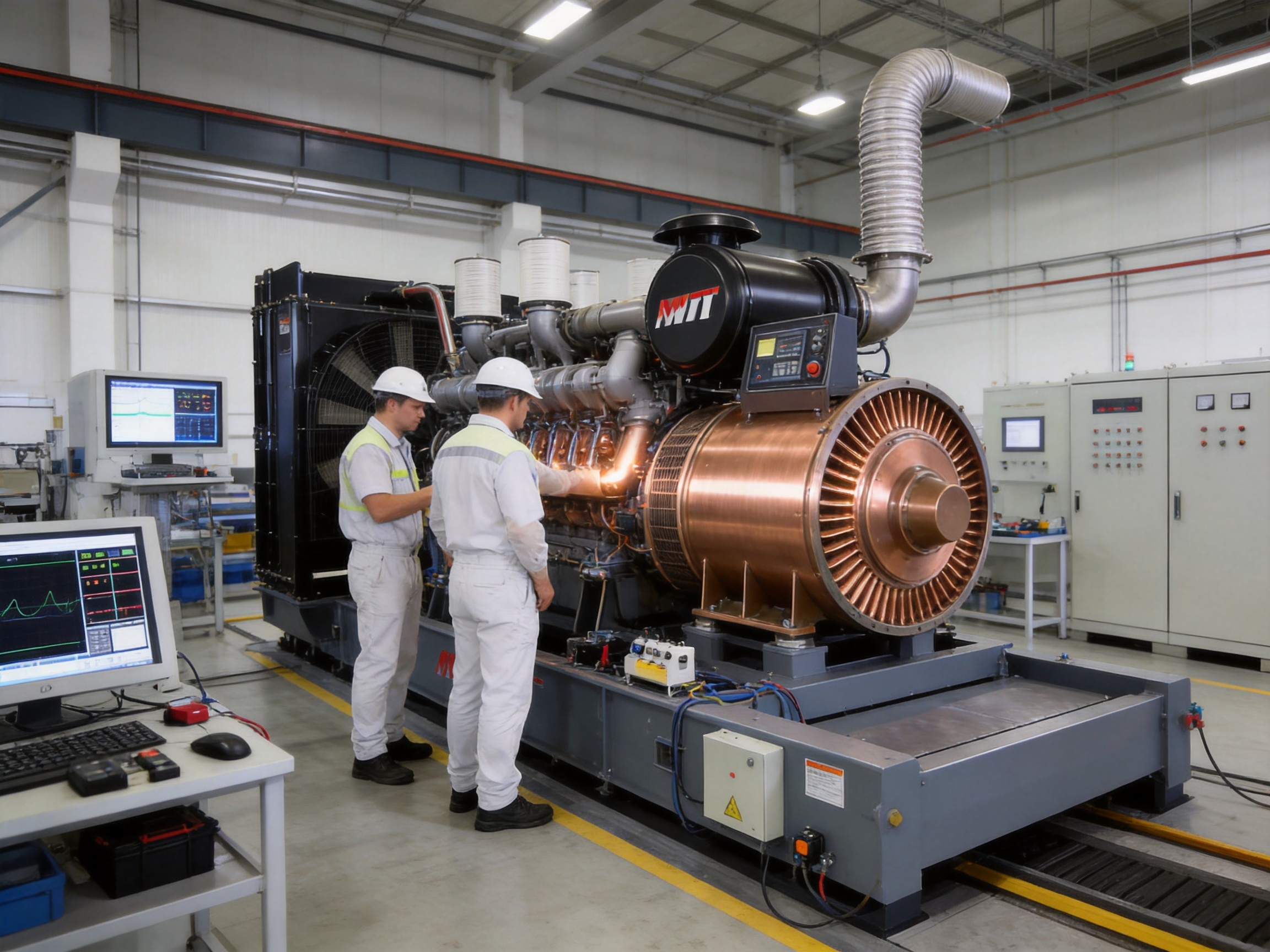
Fuel Economy and Lifecycle Value
Fuel consumption is one of the largest operating costs associated with a diesel generator. A generator that performs efficiently at its rated load can still operate inefficiently if it is oversized, lightly loaded for long periods, poorly maintained, or operated outside its intended conditions. For this reason, fuel economy should be evaluated across the complete lifecycle rather than by comparing one isolated fuel-consumption figure.
Electronic fuel injection helps deliver fuel according to the actual engine operating condition. Turbocharged intercooling supports efficient combustion and strong power density. Together with accurate engine calibration, these technologies can improve fuel utilization and reduce unnecessary fuel consumption under appropriate loading conditions.
Correct generator sizing is equally important. A unit that is too small may experience overload, excessive smoke, poor voltage recovery, and accelerated wear. A unit that is much larger than the real load may operate at low load for extended periods, reducing efficiency and potentially causing wet stacking or other maintenance concerns. Aiweite’s engineering team reviews the load profile, starting requirements, expansion plans, and operating schedule to recommend an appropriate configuration.
Lifecycle value also includes maintenance intervals, spare-part availability, service access, downtime risk, fuel storage requirements, emissions compliance, and expected operating hours. The modular base-frame layout keeps filters, belts, fluid connections, and inspection points accessible. Genuine engine components, alternator parts, filters, consumables, and control-system parts can be supplied for long-term operation.
For customers managing multiple sites, remote monitoring can improve maintenance planning. Operating hours, alarm history, fuel condition, battery voltage, coolant temperature, and load level can be reviewed before a technician is dispatched. Preventive maintenance can therefore be based on actual use and condition rather than on emergency response alone.
Environmental Adaptability and Emission Considerations
Generator installations may be exposed to extreme heat, freezing temperatures, high altitude, humidity, dust, salt spray, or chemically aggressive atmospheres. These conditions affect air density, cooling capacity, battery performance, fuel behavior, insulation, corrosion, and starting reliability. Site conditions should be supplied during the quotation stage so that the generator can be correctly rated and equipped.
At high altitude, reduced air density can lower engine power and affect combustion and cooling. High ambient temperature can reduce radiator performance and increase the temperature of intake air. Cold climates may require jacket-water heaters, battery heaters, fuel heaters, special lubricants, and cold-start programming. Coastal environments may require protective coatings, corrosion-resistant materials, improved filtration, and careful control of condensation.
The generator sets can be configured to meet applicable emissions requirements, including relevant China National III or IV non-road standards and other regional environmental regulations where supported by the selected engine and after-treatment configuration. Emission compliance is dependent on the engine model, operating conditions, fuel quality, local regulations, exhaust system, and certification requirements. Customers should confirm the required standard before purchase.
Noise control is another environmental consideration. Silent versions may achieve noise levels of approximately 75 dB(A) under specified conditions. A complete noise-control solution may also require acoustic treatment of the generator room, flexible exhaust connections, vibration isolation, silencers, sound barriers, and attention to air intake and discharge openings.
Installation Planning and Site Requirements
Even a well-manufactured generator can perform poorly if the installation is not correctly engineered. Before delivery, the customer should prepare a suitable foundation, access route, lifting equipment, ventilation system, exhaust route, fuel system, electrical distribution system, grounding arrangement, and maintenance area.
The foundation must support the static weight and dynamic forces of the generator. It should be level, structurally sound, and designed with appropriate vibration isolation. Large engines and alternators require careful consideration of floor loading, anchor points, transportation paths, lifting beams, and service clearances.
Ventilation must provide sufficient combustion air and remove the heat generated by the engine, alternator, exhaust system, and auxiliary equipment. Radiator discharge air should not recirculate into the generator room. Air intake and exhaust openings should be sized according to the generator’s requirements and protected against rain, dust, insects, and unauthorized access where necessary.
The exhaust system must control back pressure, support the exhaust piping, manage thermal expansion, and discharge gases safely away from air intakes and occupied areas. Flexible sections help isolate engine vibration from fixed piping. The final design must comply with local building, environmental, fire, and occupational safety requirements.
The fuel system should include suitable storage capacity, filtration, fuel supply and return lines, day tanks when required, leak protection, ventilation, and access for inspection. Fuel quality has a direct effect on injection equipment, combustion, filter life, and engine reliability.
Electrical installation includes generator output cables, circuit breakers, neutral arrangements, earthing, protective relays, automatic transfer equipment, synchronizing equipment, and communication cables. The cable route should accommodate current capacity, voltage drop, short-circuit withstand requirements, heat dissipation, and maintenance access.
Advantages Compared with Basic Generator Assemblies
Compared with low-cost generator assemblies that combine unverified components, a professionally engineered MTU-powered set offers greater traceability and system compatibility. The engine, alternator, controller, base frame, cooling system, fuel system, and protection devices are selected as part of a defined technical package. This reduces the risk of mismatched ratings, inadequate cooling, unstable voltage, poor starting performance, and difficult service access.
Another advantage is the quality of the engine platform. Industrial MTU engines are designed for demanding power-generation service rather than occasional light-duty use. Their electronic fuel systems, turbocharged intercooling, rigid structures, and global service concepts support high-load operation and rapid response.
The alternator specification is also important. Full-copper brushless synchronous alternators with Class H insulation provide a stronger basis for reliable power production than undersized or poorly protected alternators. A high-quality alternator can reduce voltage instability, improve compatibility with sensitive loads, and support long-term operation when correctly maintained.
Intelligent controls provide a further advantage. Basic controllers may offer only simple start and stop functions, while modern systems support automatic transfer, protection, remote monitoring, communication, event recording, and multi-unit operation. These capabilities can reduce labor requirements, improve fault visibility, and support the operational needs of critical facilities.
Finally, factory testing and documentation improve project confidence. A generator that has undergone load testing, step-load testing, endurance checks, and protection verification before shipment presents less commissioning risk than an untested unit assembled only after arrival at the site.
Maintenance and After-Sales Support
Preventive maintenance is essential for reliable generator operation. Maintenance intervals depend on engine model, operating hours, fuel quality, load profile, ambient conditions, and manufacturer recommendations. Typical service activities include oil and filter replacement, fuel filter inspection, air filter replacement, coolant checks, battery testing, belt inspection, hose inspection, exhaust inspection, alternator cleaning, control-system verification, and load-bank testing.
Generator rooms should be kept clean and dry. Airflow openings, radiator surfaces, acoustic panels, exhaust components, and fuel-system areas should be inspected regularly. Dust or debris on radiator cores can restrict airflow and cause overheating. Loose electrical connections can create heat and voltage drop. Battery terminals should be clean and secure, and the starting system should be tested even when the generator has not recently operated.
Long periods of light loading should be managed carefully. Periodic load-bank testing can help verify performance and reduce the risks associated with prolonged underloading. Emergency standby units should be exercised according to the facility’s emergency power plan, with operating records maintained for inspection and compliance purposes.
Aiweite provides genuine spare parts, filters, consumables, alternator components, electrical parts, and control-system parts. The company can also prepare a recommended spare-parts list based on the customer’s maintenance schedule, operating environment, expected service hours, and required availability.
Technical support may include installation guidance, commissioning assistance, operation training, troubleshooting, documentation, and maintenance planning. For projects requiring extended coverage, service arrangements can be defined according to the site location, response requirements, spare-parts strategy, and customer’s internal maintenance capabilities.
How a Custom Generator Project Is Developed
A successful project begins with accurate technical information. The customer should provide the site location, altitude, ambient temperature range, humidity, required power, duty classification, load profile, starting loads, nonlinear loads, voltage, frequency, phase, neutral configuration, enclosure preference, communication requirements, fuel arrangements, exhaust conditions, delivery destination, and lifting constraints.
The engineering team then evaluates the application and proposes an engine-alternator combination. The team considers whether the generator will be used for standby, prime, or continuous power; whether the load requires a single unit or parallel operation; whether the site needs a silent or containerized design; and whether environmental upgrades are required.
After the basic selection, the electrical and mechanical interfaces are defined. This includes output breaker rating, ATS arrangement, paralleling cabinet, control protocol, cable entry, fuel tank, exhaust silencer, cooling airflow, foundation loading, lifting points, and maintenance access. Drawings and technical documents can then be prepared for customer review.
Once the configuration is approved, manufacturing proceeds through component inspection, mechanical assembly, electrical wiring, enclosure construction, system integration, testing, documentation, and shipment preparation. Any required third-party inspection or customer witness test should be scheduled in advance.
At the installation stage, the customer or appointed contractor completes the foundation, utilities, cable systems, exhaust, fuel, ventilation, and grounding. Aiweite’s technical team can provide installation information and support commissioning. The final handover should include test reports, manuals, drawings, maintenance schedules, spare-parts recommendations, and operator instructions.
Application Recommendations by Power Band
Generator sets in the 500 kW to 1,000 kW range are commonly suitable for Grade-A hospitals, high-end hotels, municipal projects, fine chemical factories, medium industrial parks, and commercial buildings. These applications may require automatic transfer, stable power quality, low noise, and integration with facility management systems.
Systems from approximately 1,000 kW to 4,000 kW are suited to large data centers, petrochemical bases, port terminals, key industrial zones, national infrastructure, and large process facilities. Such installations often use multiple generator sets, centralized paralleling, high-capacity switchgear, containerized modules, redundant control systems, and large fuel-storage arrangements.
Smaller configurations can support commercial buildings, workshops, telecommunications facilities, rural infrastructure, construction projects, and emergency power applications. The appropriate rating should be selected after reviewing the actual load and future expansion requirements rather than by using the building’s connected load alone.
Frequently Asked Questions
What power range is available?
The MTU-powered product family is described as covering approximately 20 kW to 4,000 kW, depending on the selected configuration and application. The detailed model information supplied includes high-capacity 50 Hz and 60 Hz systems, with additional smaller or customized configurations available according to project requirements.
Are both 50 Hz and 60 Hz systems available?
Yes. The product range includes 50 Hz and 60 Hz models. Engine, alternator, controller, voltage, and protection settings must be matched to the required grid standard and local electrical conditions.
Can the generator operate as prime or continuous power?
Yes. The systems can be configured for standby, prime, or continuous duty. The correct rating depends on operating hours, load factor, permissible loading pattern, maintenance plan, and applicable standards.
Can multiple generator sets operate in parallel?
Yes. Multi-unit parallel operation can be provided with synchronizing and paralleling equipment, load sharing, automatic sequencing, and centralized control. The system should be designed around the required redundancy, expansion plan, fault strategy, and site distribution architecture.
Can a complete containerized power station be supplied?
Yes. Containerized systems can integrate generator sets, control panels, fuel systems, ventilation, exhaust equipment, lighting, cable entries, and service access. Containerized solutions are suitable for data centers, ports, petrochemical projects, remote facilities, and modular power plants.
What options are available for noise reduction?
Silent canopies, high-efficiency mufflers, acoustic materials, vibration isolation, and specialized ventilation designs can be supplied. Noise performance depends on the generator rating, enclosure, operating load, site layout, and measurement conditions.
Can the systems be used in high-altitude or coastal areas?
Yes, but the site conditions must be provided before configuration. High-altitude locations may require power derating or special engine settings. Coastal and salt-spray environments may require anti-corrosion treatment, improved filtration, protective coatings, and additional maintenance measures.
What testing is performed before shipment?
Testing may include starting checks, no-load operation, voltage and frequency verification, alarm and emergency shutdown testing, progressive load testing, step-load response, continuous endurance operation, protection verification, and integrated ATS or paralleling tests when included in the supply scope.
What information is required for a quotation?
Important information includes the required kW or kVA, standby or prime duty, voltage, frequency, phase, neutral configuration, load profile, motor starting requirements, site altitude, ambient temperature, enclosure type, fuel capacity, exhaust arrangement, control protocol, ATS or paralleling requirements, delivery destination, and lifting limitations.
Does the supplier provide spare parts and technical support?
Yes. Genuine engine parts, alternator components, filters, consumables, electrical parts, and control-system parts can be supplied. Technical support may include installation guidance, commissioning assistance, troubleshooting, documentation, operator support, and customized spare-parts planning.
Conclusion
MTU-powered diesel generator sets provide a complete solution for organizations that cannot accept unreliable emergency or prime power. Their strengths come from the combination of genuine industrial engines, rapid load response, full-copper brushless alternators, intelligent controls, robust auxiliary systems, flexible enclosure options, and structured factory testing.
Yangzhou Aiweite Electromechanical Co., Ltd. adds value through project-based engineering, integrated manufacturing, factory load testing, documentation, customization, and after-sales support. The company’s production experience, quality-management approach, and ability to configure open, silent, trailer, and containerized systems allow the generator sets to serve a broad range of applications.
For data centers, hospitals, petrochemical facilities, ports, industrial parks, hotels, municipal projects, and infrastructure operators, the correct generator is not simply the largest available unit. It is the system that matches the load profile, environment, electrical interface, duty cycle, maintenance strategy, and future expansion plan. With careful engineering and correct installation, an MTU-powered generator set can provide stable, efficient, and dependable power throughout its service life.
References
1. ISO 8528, Reciprocating Internal Combustion Engine Driven Alternating Current Generating Sets.
2. GB/T 2828, Sampling Procedures and Tables for Lot-by-Lot Inspection.
3. ISO 9001, Quality Management Systems Requirements.
4. ISO 14001, Environmental Management Systems Requirements and Guidance for Use.
5. International Electrotechnical Commission, Rotating Electrical Machines and Generator Performance Standards.
6. Industrial diesel engine operation, maintenance, and application principles.
7. Generator installation practices for ventilation, exhaust, fuel systems, grounding, and electrical distribution.
8. Manufacturer-provided MTU generator set technical data, model specifications, configuration information, and factory testing procedures.