English
 Français
 Español
100kVA–400kVA Universal Diesel Generator Sets: Reliable Mid-Power Solutions for Commercial and Industrial Applications
Oct 06, 2026
Content
- 1 What Makes the 100kVA–400kVA Range a Universal Mid-Power Solution?
- 2 Designed for Commercial and Industrial Duty
- 3 Engine Technology and Power Reserve
- 4 Heavy-Duty Alternator for Stable Electrical Output
- 5 Intelligent Control and Automated Operation
- 6 Manufacturing Process and Quality Control
- 7 Structural Options for Different Installation Environments
- 8 Advantages Over Low-Cost or Inflexible Competitor Products
- 9 Application Scenarios
- 10 Fuel, Cooling and Auxiliary Systems
- 11 Installation and Commissioning Requirements
- 12 Maintenance and Lifecycle Reliability
- 13 OEM and ODM Customization Capability
- 14 How to Select the Correct Generator Configuration
- 15 Frequently Asked Questions
- 15.1 What is the main difference between a 100kVA–400kVA generator and a small backup generator?
- 15.2 Can the generator operate as prime power as well as standby power?
- 15.3 Which engine brands are available?
- 15.4 Can the generator be supplied with an automatic transfer switch?
- 15.5 Is remote monitoring available?
- 15.6 Can several generator sets operate in parallel?
- 15.7 Which structure is best for outdoor use?
- 15.8 What tests are completed before delivery?
- 15.9 What information is needed for a quotation?
- 15.10 Does the manufacturer provide after-sales support?
- 16 Conclusion
- 17 References
- 18 Product: 100kVA – 400kVA Universal Diesel Generator Sets
Reliable electricity is essential for modern commercial, industrial, medical, municipal and infrastructure operations. Even a short power interruption can stop production lines, disrupt communications, damage sensitive equipment, interrupt medical services and create major financial losses. For organizations that require more capacity than a small backup generator can provide but do not need the scale of a heavy industrial power station, the 100kVA–400kVA universal diesel generator set offers a practical and highly adaptable solution.
This mid-power generator range is engineered for prime power, long-duration standby operation and applications involving frequent load fluctuations. It combines mainstream industrial diesel engines, heavy-duty brushless alternators, intelligent control systems and reinforced auxiliary components in one integrated power platform. The result is a generator set with strong overload resistance, stable electrical performance, efficient maintenance access and dependable long-term operating capability.
Yangzhou Aiweite Electromechanical Co., Ltd. manufactures and installs diesel generator sets from 1kVA to 2,500kVA. Within this broad product range, the 100kVA–400kVA series represents one of the most versatile product groups for medium-scale power requirements. It is suitable for commercial complexes, factories, hospitals, universities, municipal projects, communications facilities, construction sites and many other locations where stable electricity is essential.
Unlike a basic low-power generator designed for occasional emergency use, a 100kVA–400kVA set is built around a more substantial industrial engine, a larger alternator and a more capable control architecture. These features allow the unit to respond more effectively to motor starting currents, air-conditioning loads, pumps, compressors, production equipment and other mixed electrical demands.
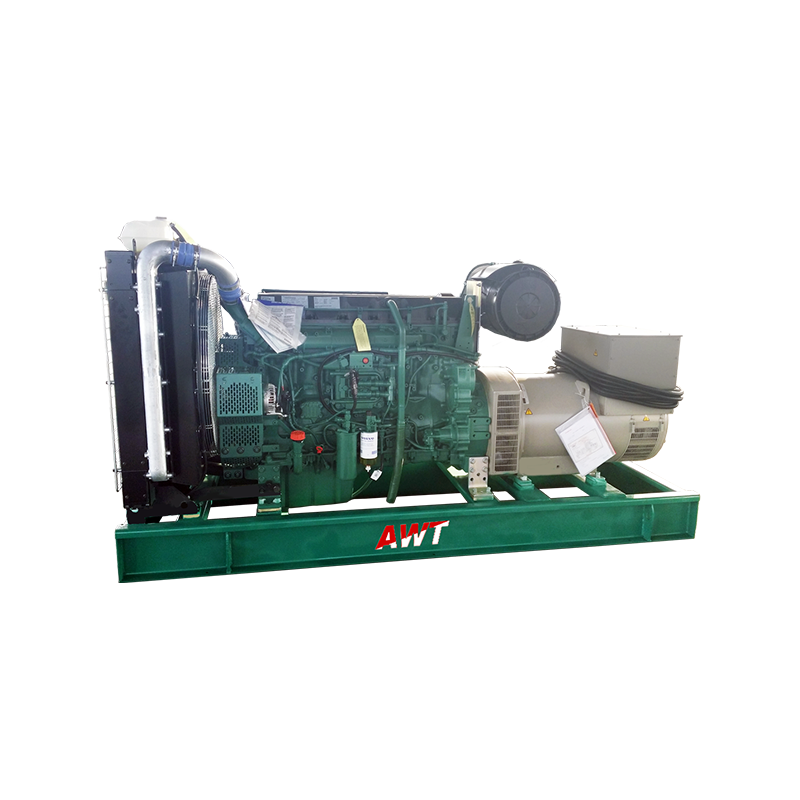
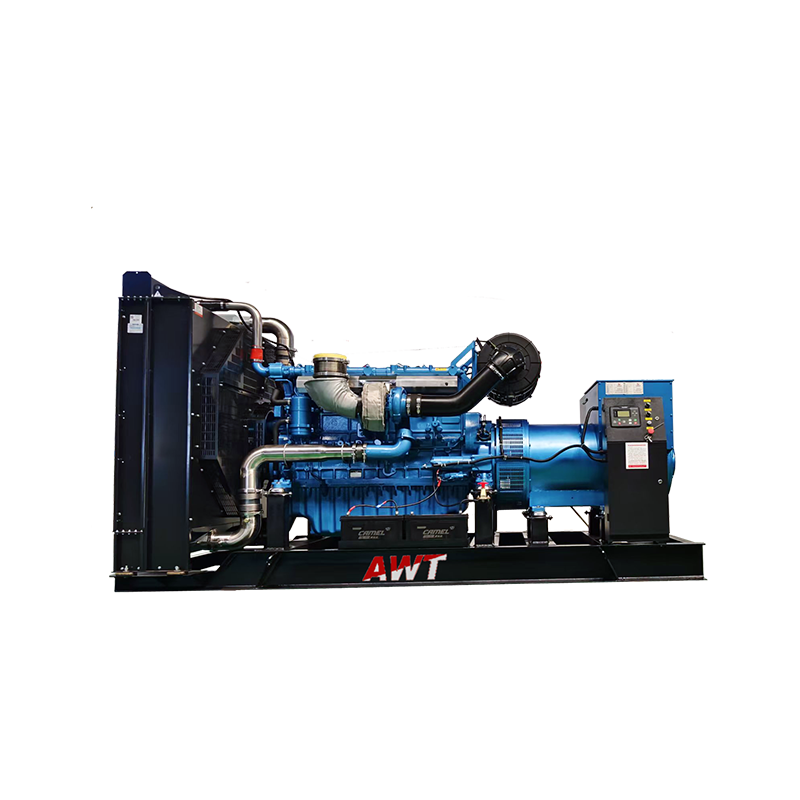
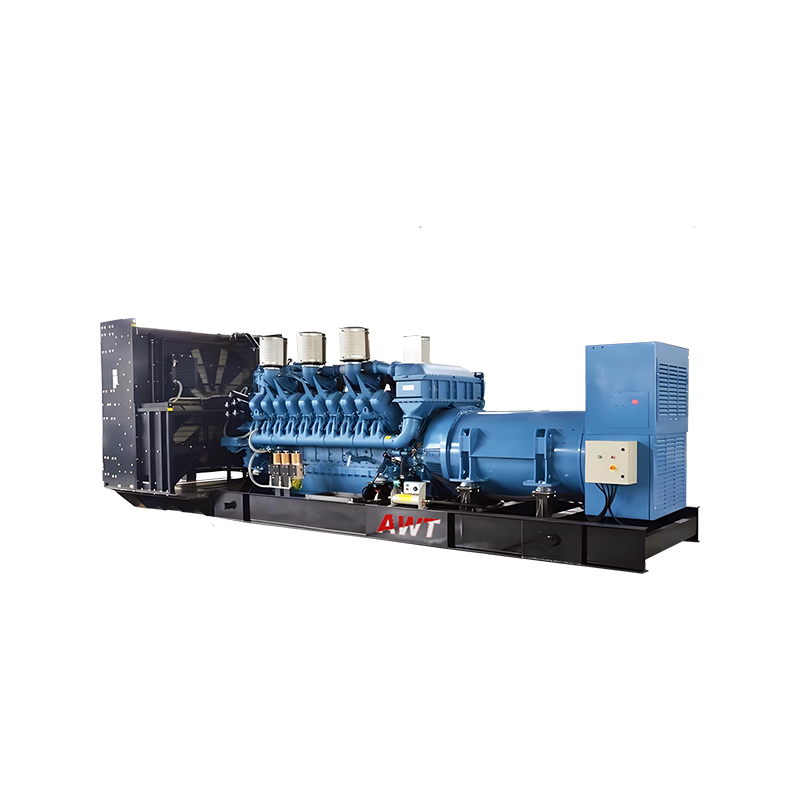
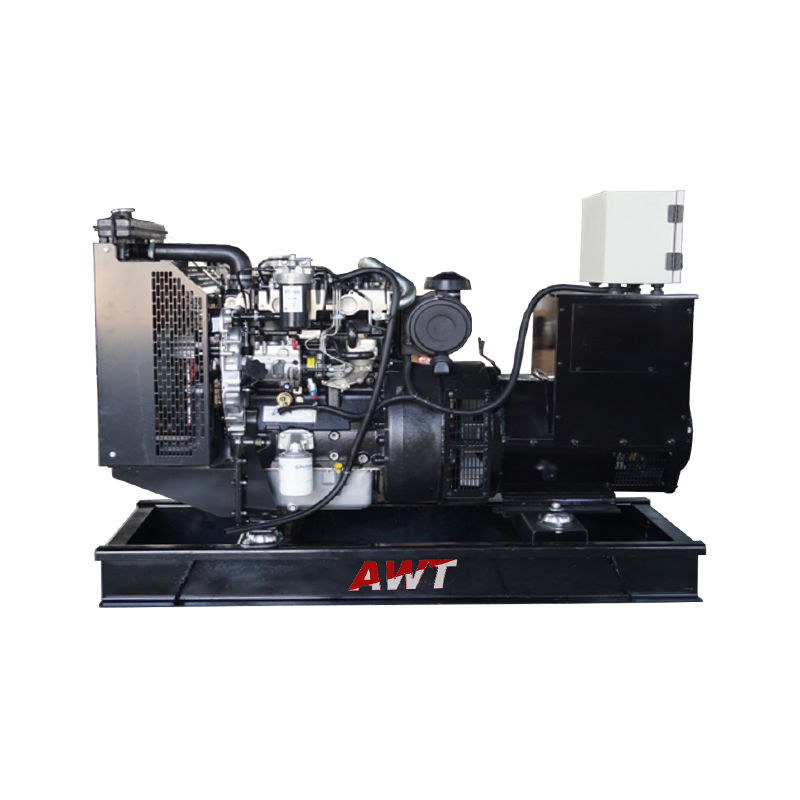
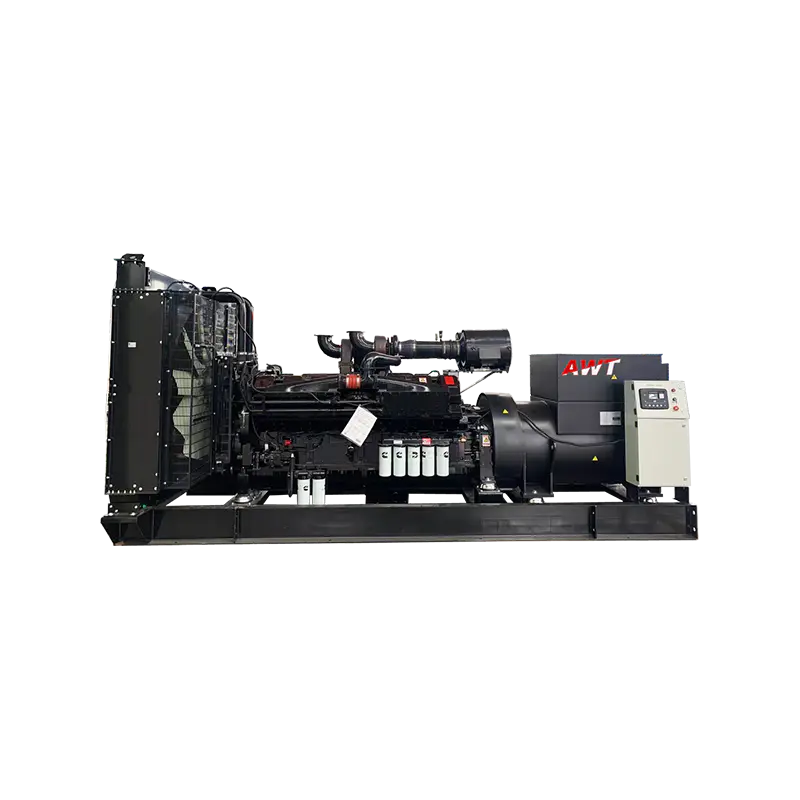
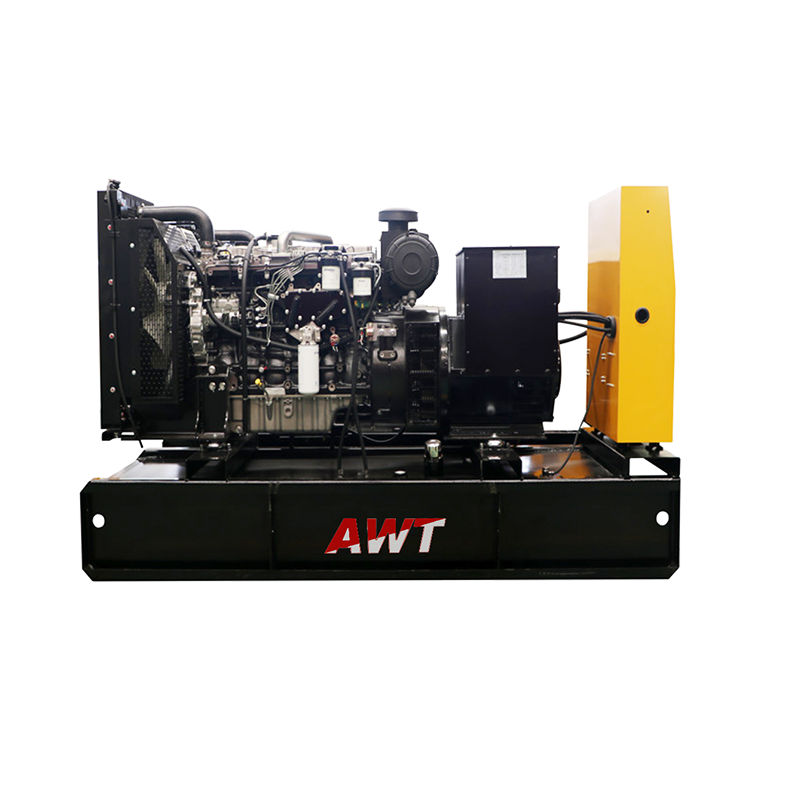
100kVA – 400kVA Universal Diesel Generator Sets
What Makes the 100kVA–400kVA Range a Universal Mid-Power Solution?
A universal diesel generator set is not limited to one narrow application or one specific engine family. It is a configurable power platform that can be adapted to different load profiles, environmental conditions, electrical standards, installation structures and service requirements. The 100kVA–400kVA range is designed around this principle of flexibility.
Depending on project requirements, the generator can be supplied in open, silent, containerized or trailer-mounted form. It can be configured for 50Hz or 60Hz operation and adjusted for global voltage standards. Customers can also select an appropriate engine brand according to fuel availability, local service capability, emissions requirements, spare-parts access and expected duty cycle.
The generator set can function as a standby unit for emergency power, a prime-power source for locations with an unstable grid, or a continuous-duty power plant for temporary and remote operations. It can also be integrated with automatic transfer switches, building management systems, remote monitoring platforms and parallel power systems.
This adaptability gives the series a significant advantage over fixed-specification generator products. A fixed product may be suitable for a limited range of loads or conditions, while a configurable platform can be engineered around the actual project. This reduces the risk of selecting an oversized or undersized machine and helps customers achieve a better balance among equipment cost, operating efficiency and long-term reliability.
Designed for Commercial and Industrial Duty
The 100kVA–400kVA range occupies an important position between small emergency generator sets and large industrial power systems. Smaller generators may be economical for lighting, office equipment or limited backup loads, but they can struggle when required to supply central air-conditioning systems, elevators, pumps, production machinery or several large motors at the same time.
At the other end of the scale, selecting a much larger generator than necessary can increase purchase cost, fuel consumption, installation requirements and maintenance expenses. Oversized generators may also operate inefficiently when the actual site load is significantly lower than the rated capacity.
The mid-power range provides a more balanced solution. It offers sufficient reserve for starting and operating demanding equipment while remaining practical for medium-sized facilities. The moderate footprint simplifies installation, and the available structural options allow the unit to be matched to indoor rooms, outdoor sites, mobile projects or noise-sensitive environments.
Each unit is designed to support stable operation under mixed loads. These may include resistive loads such as lighting and heating equipment, inductive loads such as motors and transformers, and electronic loads such as servers, communication equipment, control systems and medical devices. The combination of a heavy-duty alternator and intelligent voltage and frequency control helps maintain reliable power quality across changing demand conditions.
Engine Technology and Power Reserve
The engine is the primary mechanical power source of a diesel generator set. For this reason, the 100kVA–400kVA series uses mainstream medium-bore industrial diesel engines selected for durability, load response, fuel efficiency and serviceability. These engines are equipped with turbocharged intercooling and high-precision fuel injection systems.
Turbocharging increases the amount of air supplied to the cylinders, allowing the engine to produce more power from a compact displacement. Intercooling lowers the temperature of compressed intake air, improving combustion efficiency and helping maintain consistent performance under high-load conditions. High-precision fuel injection contributes to more accurate fuel delivery, smoother combustion and better response to changing loads.
A sufficient engine power reserve is important when a generator must start large motors or accept sudden load steps. When an air-conditioning compressor, water pump, elevator motor or production machine starts, the instantaneous electrical demand can be much higher than its normal running load. An engine with inadequate reserve may experience excessive speed reduction, voltage instability or delayed recovery.
The engines used in this product range are selected to provide strong instantaneous load response. The control system and alternator are matched to the engine so that the complete generator set can recover efficiently after a load change. This integrated matching process is more effective than simply combining unrelated components with different performance characteristics.
The engine configuration is also suitable for demanding environmental conditions. With the correct specification, the unit can operate in high-temperature, high-humidity, dusty and high-altitude environments. Site conditions must be reviewed before production because altitude, ambient temperature and air quality influence cooling, combustion and available output. Aiweite uses these project inputs to help determine the appropriate engine and auxiliary configuration.
Engine Brand Selection
The platform can be supplied with a range of mainstream engine brands, including Cummins, Perkins, Weichai, Yuchai, Baudouin, MTU, Volvo, SDEC and Mitsubishi. Brand selection is not based solely on name recognition. It should reflect the actual requirements of the project.
Important selection factors include local fuel quality, service-network coverage, spare-parts availability, emissions regulations, operating hours, ambient conditions and the customer’s maintenance preferences. A brand with excellent local technical support may be a better choice than a brand with limited regional service access, even when both engines offer similar rated performance.
Aiweite’s multi-brand capability gives customers more freedom during the specification process. It also helps the company respond to different markets, procurement policies and regional standards without forcing every customer into one engine solution.
Heavy-Duty Alternator for Stable Electrical Output
The alternator converts the engine’s mechanical energy into electrical power. In the 100kVA–400kVA range, the alternator is a heavy-duty brushless synchronous design with full-copper windings, Class H insulation and IP23 protection.
Full-copper construction supports effective electrical conductivity and thermal performance. It also contributes to the alternator’s ability to carry sustained loads without excessive temperature rise when properly selected and installed. The brushless design reduces the need for routine brush replacement and minimizes one category of mechanical wear.
Class H insulation provides a high level of thermal resistance for the winding system. This is particularly valuable in applications involving long operating hours, elevated ambient temperatures or frequent load changes. IP23 protection provides resistance against solid objects and vertically falling or sprayed water under suitable installation conditions, while additional enclosure protection can be selected for outdoor use.
A large alternator power margin helps the generator support mixed resistive and inductive loads. Low waveform distortion is important for sensitive electronic equipment, control systems, communications equipment and modern variable-speed drives. Good dynamic performance also helps reduce the impact of sudden load changes on connected equipment.
Compared with low-cost alternators that may be designed primarily for simple resistive loads, the heavy-duty alternator used in this series is better suited to comprehensive commercial and industrial facilities. It can support combinations of lighting, air conditioning, pumps, motors, information technology equipment and automation systems when the complete generator configuration is correctly sized.
Intelligent Control and Automated Operation
A generator set is only as reliable as its ability to start, monitor itself and respond to abnormal conditions. The 100kVA–400kVA series uses an industrial-grade intelligent controller with fault diagnosis, operating data display and multiple protection functions.
The controller can support automatic start and stop, automatic transfer switch operation, real-time monitoring, remote cloud management and multi-unit parallel operation. These functions reduce the need for continuous manual supervision and help facility operators respond quickly to changing operating conditions.
Automatic start and stop is especially important for standby applications. When the utility supply fails or moves outside an acceptable voltage or frequency range, the control system can initiate the starting sequence. After the generator reaches stable operating conditions, the ATS transfers the designated loads to the generator. When utility power returns and remains stable for the required period, the system can transfer the load back and shut down the generator according to the configured sequence.
Protection functions may include low oil pressure, high coolant temperature, overspeed, overvoltage, undervoltage, overfrequency, underfrequency, overload, emergency stop and charging-system faults. The specific protection list depends on the selected controller and project requirements. Clear alarm information helps operators identify the cause of a fault and reduces troubleshooting time.
For facilities with a central monitoring system, the controller can be configured to communicate with building management systems or SCADA platforms. During engineering review, Aiweite confirms communication protocols, alarm mapping, data points and remote-access requirements. This helps prevent interface problems during commissioning.
Multi-unit parallel operation is useful when a project requires higher capacity, redundancy or staged power growth. Several generator sets can be coordinated through synchronization and load-sharing controls. This arrangement can improve operating flexibility because units may be started or stopped according to actual demand instead of running one oversized generator at a very low load.
Manufacturing Process and Quality Control
Advanced generator manufacturing is more than the assembly of an engine, alternator and control panel. The quality of the final product depends on component selection, engineering review, mechanical alignment, electrical termination, software configuration, testing and documentation.
Aiweite has specialized in the manufacture and installation of diesel generator sets since 2008. Its production approach combines experienced technical personnel, modern manufacturing equipment, structured assembly procedures and strict quality management. The objective is to produce generator sets that are stable, durable, efficient and suitable for long-term service.
Project-Based Engineering Review
Before manufacturing begins, the customer’s operating requirements are reviewed. The required rating, operating mode, load profile, starting currents, power factor, voltage, frequency, phase, altitude, temperature and installation environment all influence the final design.
The engineering team also reviews whether the generator will operate independently, through an ATS, in parallel with other units or in synchronization with the utility grid. Structural requirements are evaluated at the same time. An indoor factory-room installation may favor an open generator, while a hospital or hotel may require a sound-attenuated enclosure. A road construction project may require a trailer-mounted configuration, whereas a municipal outdoor project may benefit from a containerized design.
This front-end review is a major strength compared with suppliers that offer only standard catalog products. The correct generator specification depends on how the unit will actually be used. Engineering the machine around the application helps prevent common problems such as poor motor starting, insufficient cooling, excessive noise, inadequate fuel autonomy or incompatible electrical interfaces.
Component Inspection and Traceability
Quality control begins with incoming inspection of key components. Engines, alternators, controllers, circuit breakers, radiators, fuel systems, cables, batteries and structural materials are checked against procurement and engineering requirements.
Inspection may include model verification, visual condition, dimensional checks, electrical ratings and documentation review. Components that do not conform to the required specification are identified before entering the assembly process. This reduces the possibility that an incorrect part will be installed and discovered only during final testing.
Traceability is also important for future service. Recording key component information helps technical teams identify replacement parts, review production records and provide more accurate support after delivery. For projects requiring formal documentation, inspection records and test results can be included in the delivery package.
Mechanical Assembly and Structural Integration
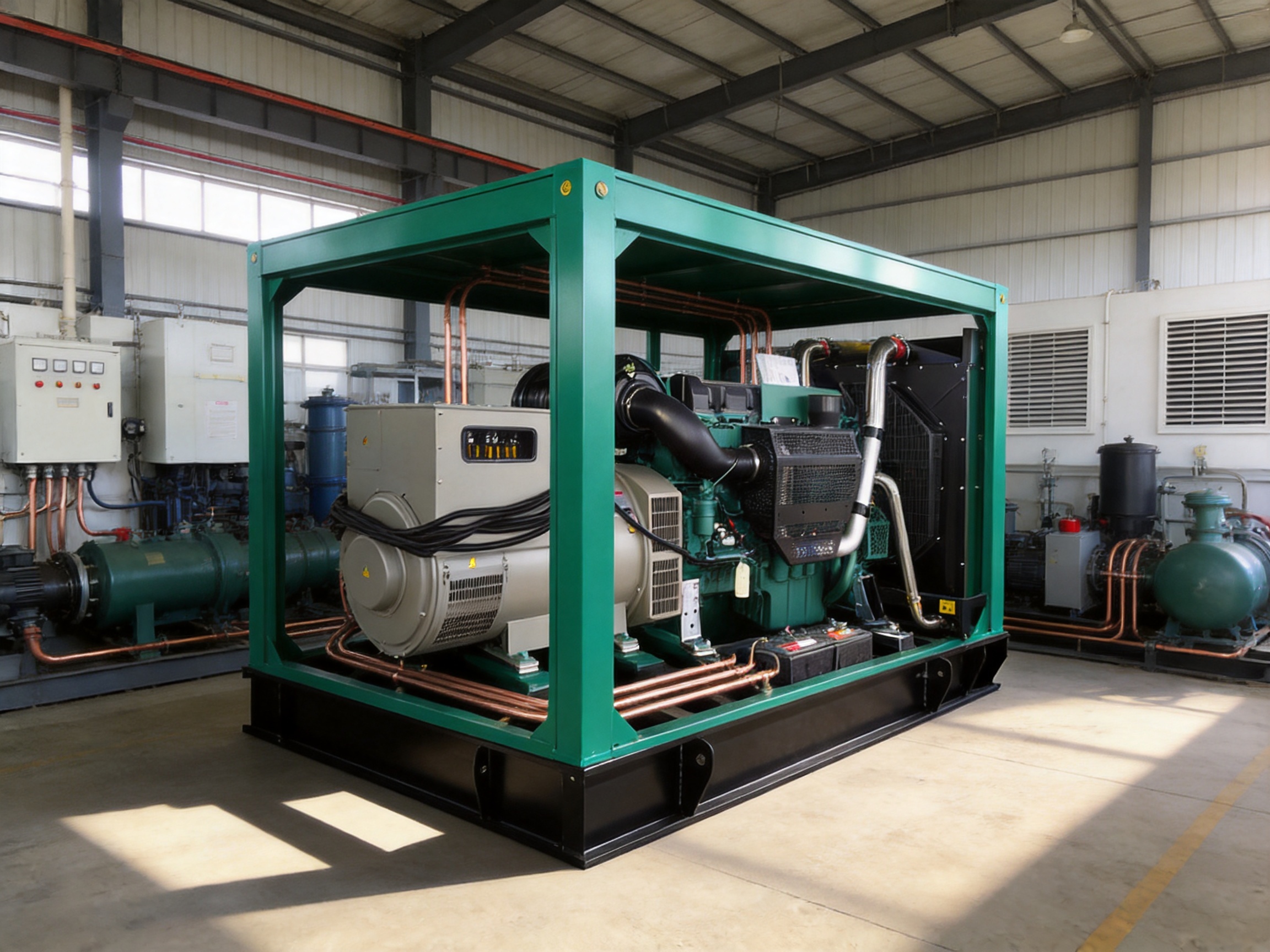
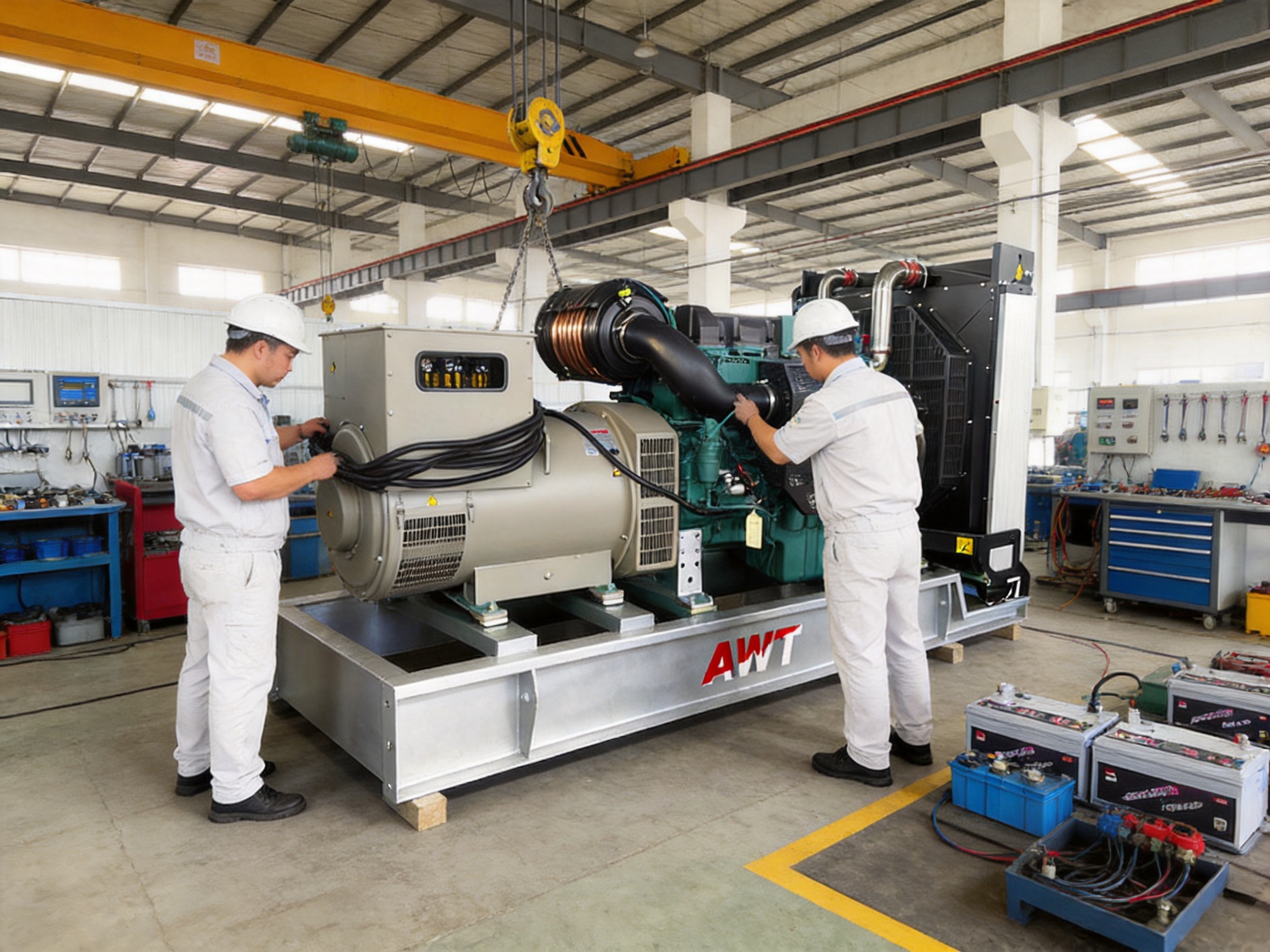
The engine and alternator are installed on a reinforced integrated base frame. Correct alignment is essential because improper alignment can increase vibration, coupling stress and bearing wear. Heavy-duty shock absorbers are installed to reduce the transmission of vibration to the foundation and surrounding structure.
The cooling system, exhaust arrangement, fuel system, battery system and control panel are integrated according to the selected configuration. The layout is planned to provide practical access for daily inspection and maintenance. Filters, oil drains, coolant connections, batteries and control components should be accessible without unnecessary disassembly.
For silent and containerized units, enclosure design includes ventilation, acoustic treatment, access doors, lifting points and service clearances. The enclosure must reduce noise without restricting the airflow required for engine cooling. This balance is achieved through engineered air inlet and outlet paths, ventilation fans where required, acoustic materials and appropriate exhaust treatment.
Electrical Assembly and Control Configuration
Electrical assembly includes alternator connections, output breakers, control wiring, battery charging circuits, emergency stop circuits, sensors and communication interfaces. Cable selection and termination are matched to the generator rating and installation conditions.
Control parameters are configured according to the selected engine, alternator, voltage, frequency and application. Protection settings must be coordinated with upstream and downstream switchgear. For systems using ATS equipment, the transfer logic, source monitoring and generator start signals are checked as part of the overall system configuration.
Where parallel operation is required, synchronization, load sharing, reverse power protection, frequency control and voltage regulation are reviewed before production. Defining these requirements early helps ensure that the generator can be integrated smoothly with other power sources.
Testing Before Delivery
Every generator set undergoes structured testing before shipment. The quality process includes assembly verification, mechanical fitting inspection, electrical safety checks, control-system inspection and operational testing.
Load testing can be performed from 0% to 110% of rated capacity, depending on the agreed test protocol and equipment configuration. Step-load testing evaluates the generator’s response to sudden changes in demand. Continuous operation testing helps verify temperature stability, lubrication performance, cooling effectiveness and general operating reliability.
Voltage and frequency stability are checked during different load conditions. Emergency protection functions are also verified to ensure that the controller responds correctly to simulated abnormal situations. If the project requires third-party inspection or witness testing, the acceptance procedure can be coordinated during order confirmation.
Testing is one of the clearest differences between a professionally engineered generator and a minimally assembled product. A generator may start successfully with no load but perform poorly when connected to a motor, compressor or large mixed load. Structured testing provides greater confidence that the complete system—not just the individual components—will perform as required.
Structural Options for Different Installation Environments
The same electrical generator can require very different mechanical structures depending on the site. The 100kVA–400kVA platform is available in four major formats.
| Structure | Typical Applications | Main Advantages | Important Selection Considerations |
|---|---|---|---|
| Open type | Factory workshops, plant rooms, temporary indoor power installations | Compact footprint, easy access and lower initial cost | Requires a ventilated, weather-protected room with suitable exhaust and acoustic treatment |
| Silent type | Hospitals, hotels, offices, schools and residential-adjacent commercial sites | Reduced noise and improved protection for outdoor or semi-outdoor installation | Required noise level, ventilation, service access and enclosure dimensions must be confirmed |
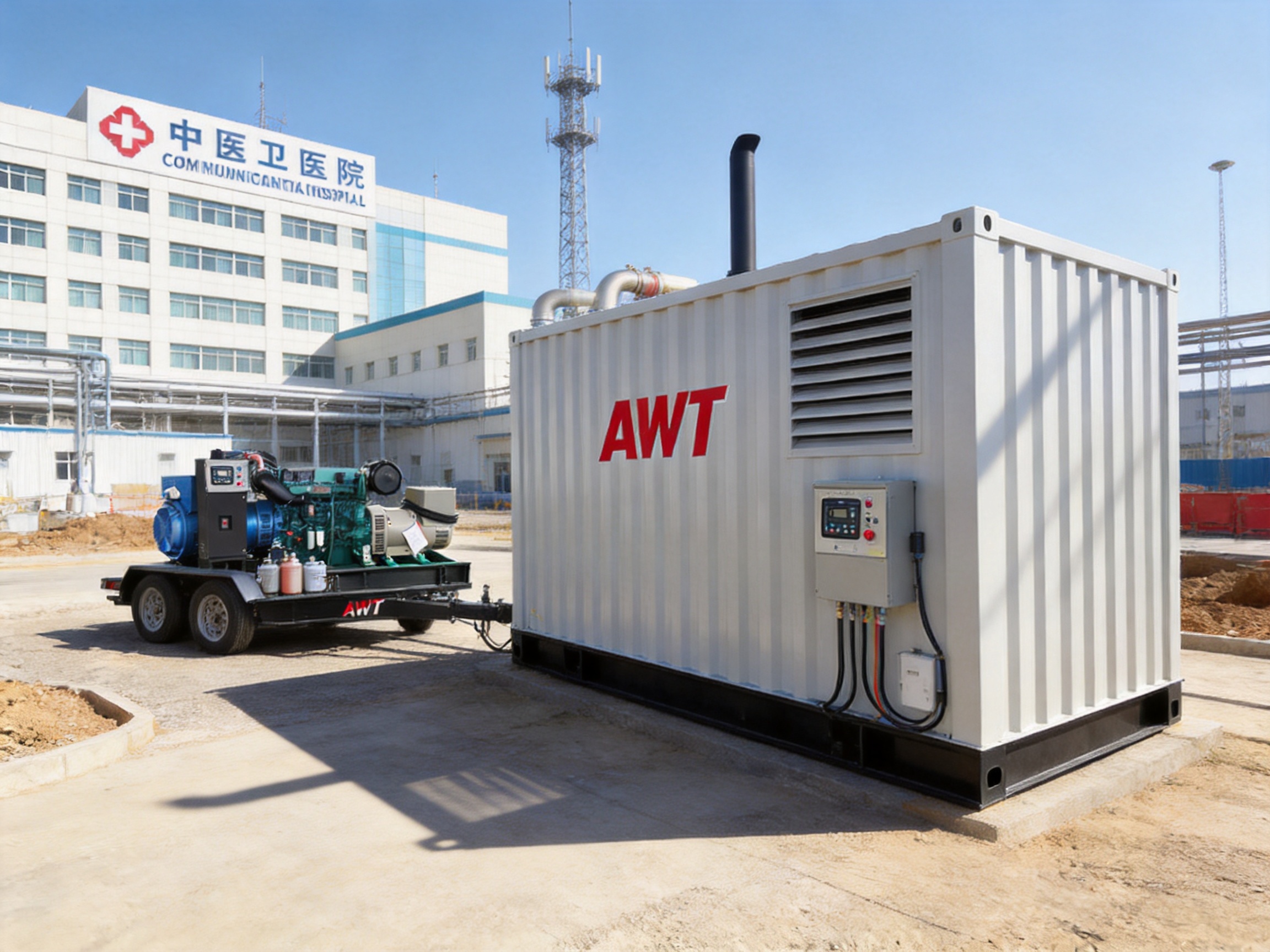
| Container type | Municipal projects, communication facilities, data rooms and outdoor industrial sites | Weather resistance, transportability, integrated control-room options and strong protection | Foundation, lifting, transport route, fuel capacity and ventilation design must be reviewed |
| Trailer type | Construction sites, bridge projects, road engineering and temporary industrial parks | Mobility and convenient relocation between work areas | Axle loading, braking, towing regulations, road dimensions and site access must be checked |
Open generators are often the most economical option where a dedicated generator room already exists. They provide easy access to the engine and alternator and can be integrated into a building’s mechanical and electrical systems.
Silent generators use an acoustic canopy to reduce operating noise. This makes them suitable for hospitals, hotels, office buildings and commercial sites located near residential areas. The required noise performance should be specified in terms of sound pressure level, measurement distance and operating load.
Containerized generators provide a robust outdoor solution. The container can include ventilation, lighting, a control room, fuel systems, fire-safety provisions and service doors. This format is particularly useful when the generator must be delivered as a complete package to a remote or temporary location.
Trailer-mounted generators are designed for movement between project sites. Their final configuration must comply with applicable road and transport requirements. Towing capacity, braking, axle loading, lighting, dimensions and local registration rules should be reviewed before production.
Advantages Over Low-Cost or Inflexible Competitor Products
Customers comparing generator sets should evaluate more than the purchase price. The long-term value of a generator depends on availability, fuel consumption, maintenance requirements, service support, load performance, component quality and suitability for the site.
Better Load Handling
The 100kVA–400kVA series uses industrial engines and heavy-duty alternators designed for changing loads. Compared with lightweight generator products intended mainly for simple backup loads, this configuration is better equipped to handle motor starting, air-conditioning demand, pumps, compressors and mixed commercial loads.
More Stable Power Quality
Low waveform distortion, appropriate alternator margins and intelligent voltage and frequency regulation help provide more stable output. This is valuable for sensitive electronic equipment, servers, communications equipment, automation systems and medical facilities.
Greater Configuration Flexibility
Many competing products are offered in only one enclosure style or with one engine brand. The universal platform allows customers to select engine families, structural formats, electrical standards, control functions and installation arrangements according to project needs.
Improved Serviceability
The modular industrial layout provides access to filters, batteries, coolant systems, electrical components and control equipment. Easier access can reduce routine service time and help technicians complete inspections more efficiently.
Strong Global Support Potential
The use of mainstream engine brands provides access to established spare-parts and service networks in many regions. Aiweite also supplies genuine spare parts for engine components, alternator parts, control systems, filters and consumables.
More Complete Project Assistance
A generator supplier should help with more than equipment shipment. Aiweite provides support for configuration, installation guidance, ventilation, exhaust routing, fuel connections, electrical termination, commissioning and technical troubleshooting. This project-oriented approach helps reduce integration risks for overseas customers.
Application Scenarios
Commercial Complexes
Shopping malls, supermarkets, office buildings, hotels, resorts and exhibition centers require reliable power for lighting, elevators, security systems, refrigeration, central air conditioning, fire-protection systems and business operations. A 100kVA–400kVA generator can support essential circuits or operate as part of a larger multi-unit system.
Silent or containerized structures are often preferred for these environments because noise, appearance and limited installation space may be important considerations. ATS integration allows the generator to respond automatically during utility failures.
Hospitals and Medical Centers
Medical facilities cannot tolerate prolonged power interruptions. Critical loads may include operating rooms, intensive-care equipment, medical imaging systems, refrigeration, ventilation, communications and emergency lighting.
Generator sizing for medical facilities requires careful load classification and starting-current analysis. The control system should be coordinated with the facility’s emergency distribution architecture. Where continuity requirements are especially strict, parallel generator systems and redundant equipment may be considered.
Educational Institutions
Universities, schools and campus parks use electricity for classrooms, laboratories, dormitories, data systems, safety monitoring, water supply and communication systems. A mid-power generator can provide emergency power for selected buildings or essential campus services.
Municipal and Public Facilities
Water-supply stations, drainage systems, traffic facilities, energy stations and public-service centers require dependable standby power during grid failures, storms and infrastructure emergencies. Containerized generator sets are useful for outdoor installations and projects that require additional weather protection.
Manufacturing and Processing Plants
Medium-sized factories may use generator power to protect production lines, control systems, packaging equipment, compressors, pumps and refrigeration systems. Even a short shutdown can cause material waste, equipment damage and restart delays.
For manufacturing applications, load sequencing is important. Large motors may need to start before smaller auxiliary loads, or the controller may need to add loads in stages. Reviewing the production process and step-load requirements helps determine the appropriate generator size and control strategy.
Construction and Engineering Projects
Construction sites, bridge projects, road works and temporary industrial parks often operate far from reliable utility infrastructure. Trailer-mounted and containerized generators provide flexible temporary power for cranes, welding equipment, dewatering pumps, lighting, offices and site facilities.
Construction environments can be dusty, humid and physically demanding. Reinforced frames, effective filtration, heavy-duty shock absorption and accessible service points contribute to reliable operation under these conditions.
Communication and Data Infrastructure
Regional communication base stations, network operation centers and medium-sized data rooms require stable power for servers, network equipment, cooling systems and security infrastructure. The intelligent controller can provide remote status monitoring and alarm transmission, reducing the need for continuous on-site attendance.
Fuel, Cooling and Auxiliary Systems
Reliable generator performance depends on the supporting systems surrounding the engine and alternator. The 100kVA–400kVA units use reinforced auxiliary systems designed for extended service and practical maintenance.
The large-flow cooling system is selected to manage engine heat during continuous and high-load operation. Radiator capacity, fan performance, airflow arrangement and ambient conditions must be coordinated. A generator installed in a poorly ventilated room may overheat even when the engine and radiator are correctly specified, so ventilation planning is an essential part of installation.
High-efficiency multi-stage filtration protects the engine from contaminants in fuel, air and lubricating oil. Filtration is particularly important in dusty industrial environments and construction sites. Maintenance schedules should be adjusted according to actual fuel quality, operating hours and environmental conditions.
The fuel system can be configured according to the required operating autonomy. Customers should specify expected runtime, fuel storage requirements, local regulations and the available space. For containerized units, the integrated fuel tank and service arrangement can be designed as part of the complete package.
Industrial silencers and exhaust systems help manage noise and exhaust discharge. Exhaust routing must consider back pressure, building penetrations, heat protection, discharge location and local environmental requirements.
Installation and Commissioning Requirements
Correct installation is essential for achieving the rated performance of a generator set. Before delivery, the customer should prepare a suitable foundation, ventilation system, exhaust route, fuel connection, electrical connection and maintenance clearance.
The foundation must support the generator’s static weight and dynamic forces. It should be level and strong enough to prevent excessive vibration. Shock absorbers reduce vibration transmission, but they cannot compensate for an inadequate foundation.
Ventilation must provide enough air for combustion and radiator cooling while allowing hot air to leave the room. Air inlet and outlet openings should be sized according to the generator’s heat rejection and airflow requirements. In enclosed rooms, improper airflow can result in high coolant temperature and reduced output.
The exhaust system should be installed with appropriate supports, flexible connections, insulation and condensate management. Excessive exhaust back pressure can reduce engine performance, increase fuel consumption and cause overheating.
Electrical termination must be completed by qualified personnel. Cable sizes, protective devices, grounding, phase sequence, neutral arrangements and short-circuit coordination should be checked. ATS equipment and building distribution systems must be tested together with the generator.
Commissioning normally includes inspection of fluid levels, battery voltage, emergency-stop circuits, control parameters, rotation, output voltage, frequency, phase sequence and load-transfer logic. A load test should be conducted after installation to verify the performance of the complete system under realistic operating conditions.
Maintenance and Lifecycle Reliability
Routine maintenance protects the investment and helps preserve generator performance. Daily or pre-start inspections should include engine oil level, coolant level, fuel level, battery condition, visible leaks, belt condition, control-panel alarms and general cleanliness.
Filters and lubricating oil should be replaced according to the engine manufacturer’s schedule and adjusted for severe operating conditions where necessary. Coolant concentration should be checked to provide suitable corrosion protection and freeze protection. Batteries require regular inspection because a weak battery is one of the most common causes of standby generator failure.
Periodic load testing is recommended for standby generators. A unit that runs only for a few minutes during monthly inspections may not be sufficiently verified under actual load. Load testing helps identify cooling problems, fuel-system problems, battery weaknesses, control faults and issues with automatic transfer equipment.
The accessible modular layout of the 100kVA–400kVA series supports efficient service work. Genuine replacement parts are available for engines, alternators, controllers, filters and electrical systems. Technical support is available for troubleshooting, operation and post-installation service.
OEM and ODM Customization Capability
Different customers require different combinations of engine, alternator, control, enclosure and documentation. Aiweite provides OEM and ODM manufacturing services for customized generator projects.
Customization may include power rating, engine brand, alternator specification, controller type, ATS configuration, parallel operation, acoustic treatment, fuel-tank capacity, trailer chassis, container layout, paint color, nameplate information and documentation language.
Engineering customization is especially valuable for export projects. Electrical frequency, voltage, phase, plug and socket arrangements, safety requirements, inspection procedures and transport conditions can vary by market. Reviewing these points before production helps ensure that the final generator is compatible with the destination site.
Customers can also request specific acceptance tests, including third-party inspection, witness testing, factory performance testing and documentation packages. The test procedure should be defined before production so that all parties understand the rated conditions, load steps, acceptance criteria and reporting requirements.
How to Select the Correct Generator Configuration
The correct generator should be selected from the actual load rather than from a simple estimate of average consumption. The following information is useful during technical review:
- Required generator rating in kVA and kW
- Standby, prime or continuous operating mode
- Voltage, frequency, phase and number of wires
- Power factor and expected load percentage
- Motor sizes, starting methods and step-load requirements
- Ambient temperature, altitude, humidity and dust conditions
- Indoor or outdoor installation environment
- Required structure: open, silent, container or trailer
- Fuel quality and required operating autonomy
- ATS, remote monitoring or parallel-operation requirements
- Applicable standards, inspection requirements and documentation language
- Delivery destination, packaging needs and project schedule
When a site contains large motors, nonlinear electronic loads or sensitive equipment, the generator should not be selected only by adding the running wattage of all devices. Starting current, harmonic content, load sequencing and future expansion should also be considered.
It is often beneficial to leave a reasonable capacity margin, but excessive oversizing should be avoided. Running a diesel generator continuously at very light load can reduce efficiency and may contribute to carbon deposits and other operating problems. A properly engineered mid-power generator provides a stronger balance between reserve capacity and normal operating efficiency.
Frequently Asked Questions
What is the main difference between a 100kVA–400kVA generator and a small backup generator?
The 100kVA–400kVA series uses medium-bore industrial diesel engines, larger heavy-duty alternators and more advanced control systems. It is designed for stronger load response, greater overload capability, longer operating periods and more demanding commercial or industrial applications.
Can the generator operate as prime power as well as standby power?
Yes. The operating mode must be specified during configuration. Prime-power and continuous-duty applications require appropriate engine ratings, cooling capacity, maintenance planning and load profiles. The generator should not be operated outside its approved duty rating.
Which engine brands are available?
The platform can be configured with mainstream brands such as Cummins, Perkins, Weichai, Yuchai, Baudouin, MTU, Volvo, SDEC and Mitsubishi. The final selection depends on local service support, fuel availability, emissions requirements, budget and operating conditions.
Can the generator be supplied with an automatic transfer switch?
Yes. ATS equipment can be integrated or supplied as part of the complete power system. The transfer sequence, source-monitoring limits, return-delay settings, bypass functions and building distribution requirements should be confirmed before production.
Is remote monitoring available?
Yes. The intelligent control system can support real-time data monitoring and remote cloud management. Communication protocols, alarm points, data requirements and network conditions should be defined during engineering review.
Can several generator sets operate in parallel?
Yes. Multi-unit parallel operation can be configured for higher capacity, redundancy or staged power management. Synchronization, load sharing, protection and control strategies must be engineered for the complete system.
Which structure is best for outdoor use?
Silent and containerized structures are commonly selected for outdoor operation. A trailer-mounted version is appropriate when the generator must move between sites. The choice depends on noise requirements, weather exposure, transport needs, fuel capacity and available service space.
What tests are completed before delivery?
Testing can include assembly verification, electrical safety inspection, full-load testing from 0% to 110% of rated capacity, step-load response testing, continuous operation testing, voltage and frequency stability checks and emergency protection verification. Third-party or witness testing can also be arranged when required.
What information is needed for a quotation?
The supplier should receive the required kVA rating, voltage, frequency, phase, operating mode, load details, site conditions, structural preference, engine preference, automation requirements, delivery destination and project schedule. More complete information allows a more accurate technical and commercial proposal.
Does the manufacturer provide after-sales support?
Yes. Support includes installation guidance, commissioning assistance, operating advice, troubleshooting and genuine spare-parts supply. Service planning can be adapted to the customer’s location and project requirements.
Conclusion
The 100kVA–400kVA universal diesel generator set is a highly adaptable solution for organizations that require stable medium-power electricity. It combines industrial diesel engines, heavy-duty full-copper brushless alternators, intelligent control systems, reinforced structures and comprehensive testing procedures.
Its greatest advantage is the ability to bridge the gap between small backup generators and large industrial power plants. The series provides stronger overload resistance and better mixed-load performance than basic low-power units while maintaining a practical footprint and manageable operating cost.
Through multi-brand engine selection, four structural formats, flexible electrical configurations, remote monitoring, ATS integration and parallel-operation capability, the generator can be tailored to commercial, industrial, medical, municipal, construction and communication applications.
Aiweite’s manufacturing strength is based on application-focused engineering, controlled component selection, precise assembly, structured testing and long-term service support. By reviewing the actual load, environment and operating mode before production, the company can provide a generator solution that is better matched to the customer’s technical and commercial objectives.
For facilities where reliable power, flexible configuration and lifecycle value are more important than a low initial purchase price, the 100kVA–400kVA range provides a dependable foundation for continuous and emergency power supply.
References
International Organization for Standardization. ISO 8528, Reciprocating Internal Combustion Engine Driven Alternating Current Generating Sets.
International Organization for Standardization. ISO 8528-5, Generating Sets and Performance Specifications.
General Administration of Quality Supervision, Inspection and Quarantine of the People’s Republic of China. GB/T 2828, Sampling Procedures and Tables for Inspection by Attributes.
Manufacturer technical documentation for medium-power diesel engines, alternators and intelligent generator controllers.
Manufacturer installation, operation and maintenance guidance for diesel generator sets.
Industry engineering practices for generator ventilation, exhaust systems, automatic transfer switching and standby power distribution.