English
 Français
 Español
10kVA–100kVA Universal Diesel Generator Sets: Compact, Reliable Power for Standby and Emergency Applications
Sep 30, 2026
Content
- 1 1. The Role of the 10kVA–100kVA Generator Range
- 2 2. Main Product Advantages
- 3 3. Engine and Alternator Engineering
- 4 4. Intelligent Control and Protection Functions
- 5 5. Structure Options for Different Environments
- 6 6. Typical Power Band Applications
- 7 7. Manufacturing Process and Quality Assurance
- 8 8. Advantages Compared with Conventional Alternatives
- 9 9. Installation and Site Preparation
- 10 10. Maintenance and Service Support
- 11 11. Selecting the Correct Generator Capacity
- 12 12. Company Manufacturing Strength
- 13 13. Information Required for a Technical Proposal
- 14 14. Frequently Asked Questions
- 14.1 What does the 10kVA–100kVA range mean?
- 14.2 Can these generator sets operate automatically during a power failure?
- 14.3 Which engine brand is best for this power range?
- 14.4 Are these units suitable for sensitive electronic equipment?
- 14.5 What is the difference between standby and prime power?
- 14.6 How quiet is the silent version?
- 14.7 Can the generator be connected to a building management system?
- 14.8 Can the generator be used outdoors?
- 14.9 What testing is completed before shipment?
- 14.10 What maintenance does a standby generator require?
- 15 15. Conclusion
- 16 References
- 17 Product: 10kVA – 100kVA Universal Diesel Generator Sets
Reliable backup power is essential wherever an unexpected grid failure can interrupt business, damage equipment, compromise safety, or affect essential services. Small and medium-sized facilities often need a generator that is compact enough for restricted installation areas, economical enough for regular standby operation, and flexible enough to support different electrical loads. The 10kVA–100kVA universal diesel generator set range is designed to meet these requirements with a balanced combination of dependable diesel-engine technology, brushless alternator performance, intelligent control, practical structure options, and simplified maintenance.
These generator sets are engineered for residential, commercial, public-service, light-industrial, agricultural, construction, communication, and emergency applications. They are suitable for standby duty, intermittent prime operation, temporary power supply, and power-failure response. Their compact dimensions and broad configuration flexibility allow them to serve locations ranging from villas and retail shops to clinics, schools, workshops, monitoring rooms, and temporary outdoor sites.
The product platform complies with ISO 8528 and GB/T 2828 requirements and can be configured with mainstream diesel engine brands, different alternator arrangements, multiple control systems, automatic transfer equipment, and open, silent, trailer, or container structures. This universal approach gives users more freedom than a fixed, single-brand package. The final generator can be matched to the required load, local service conditions, fuel quality, noise restrictions, environmental conditions, and project budget.
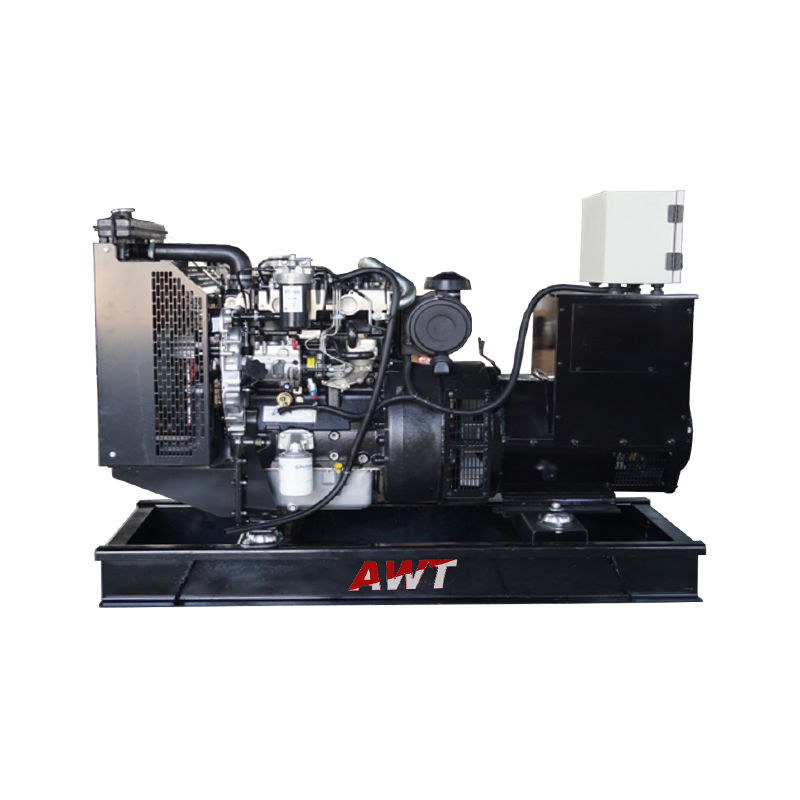
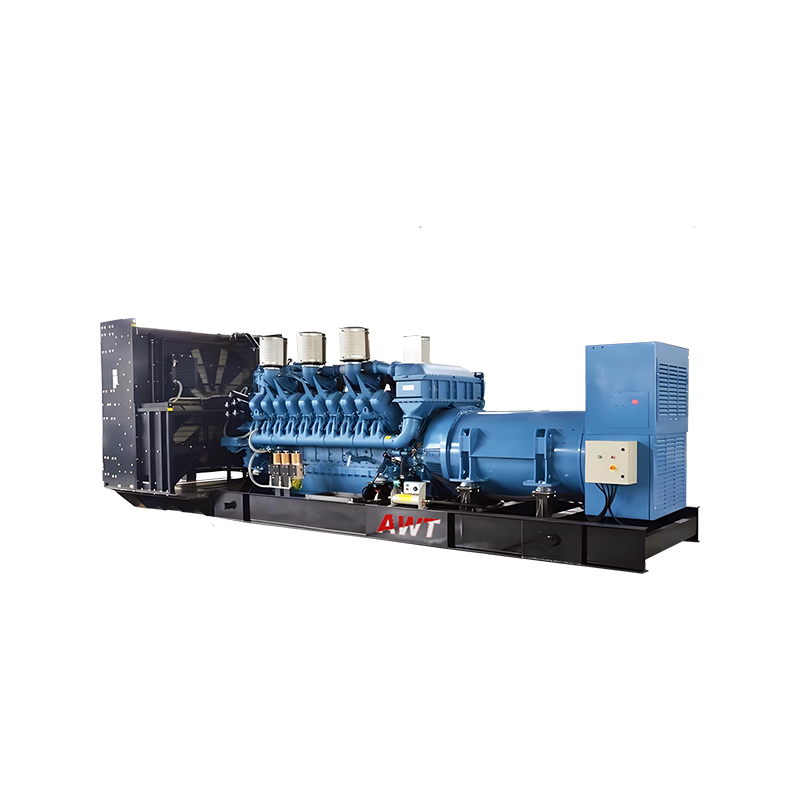
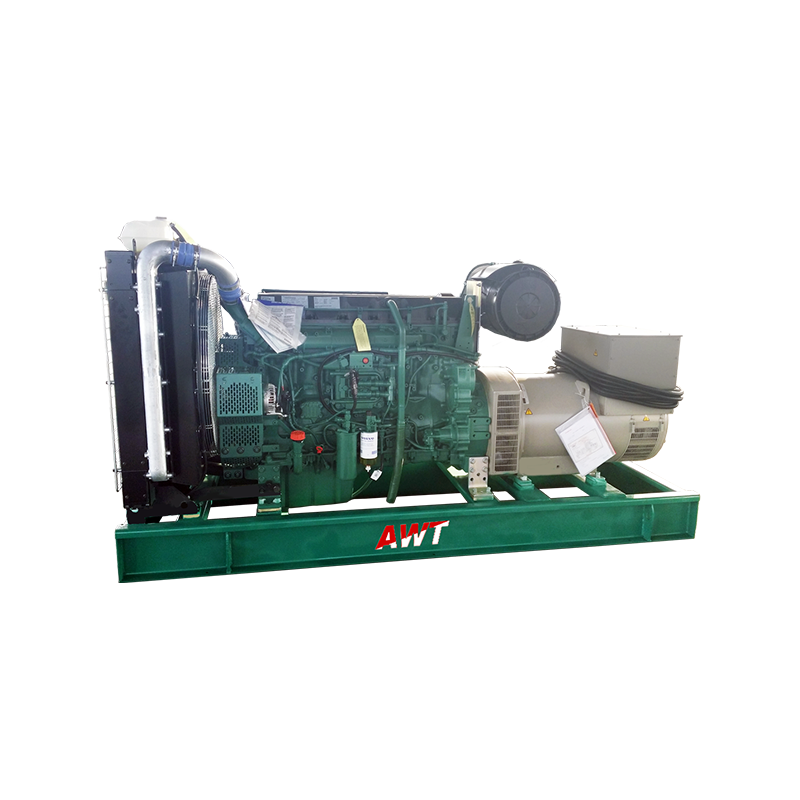
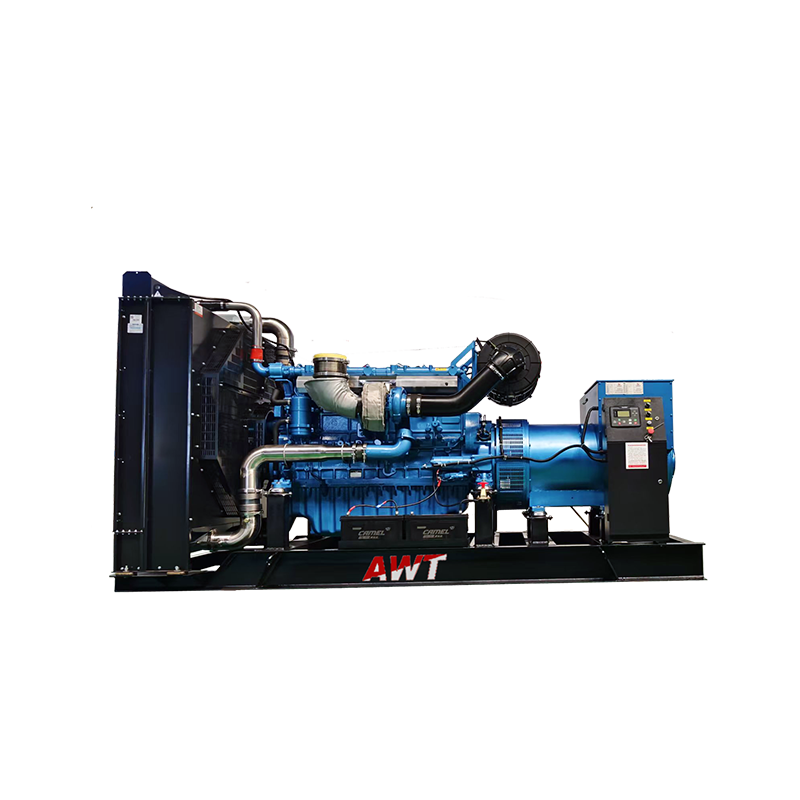
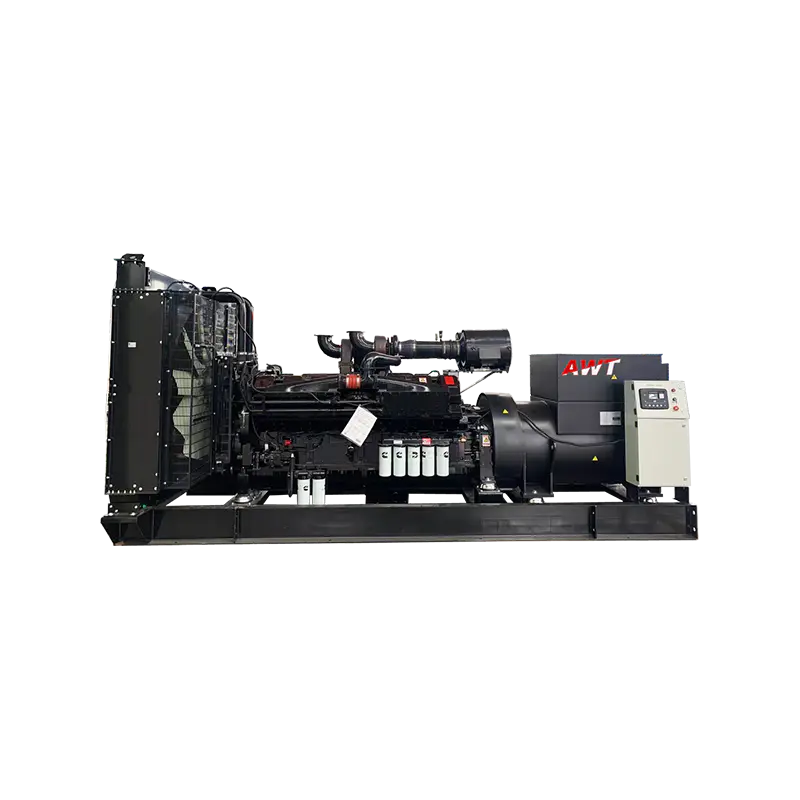
10kVA – 100kVA Universal Diesel Generator Sets
1. The Role of the 10kVA–100kVA Generator Range
The 10kVA–100kVA range occupies an important position between portable generators and large industrial power plants. Portable gasoline or small diesel generators may be adequate for light tools or short-duration household use, but they often lack the fuel efficiency, automation, durability, and electrical stability required for commercial standby applications. Larger industrial generator sets can provide substantially more output, but they require more installation space, higher investment, larger fuel systems, and more complex site preparation.
A 10kVA–100kVA diesel generator set provides a practical middle solution. It can power essential household circuits, commercial lighting, office equipment, refrigeration, communication systems, pumps, small medical equipment, monitoring systems, and selected workshop loads. Depending on the configuration, the unit can operate as an automatic standby source or as a mobile power supply for temporary work.
The range is especially valuable for facilities that cannot justify a large generator but still require dependable automatic backup. A shop may need to protect point-of-sale equipment, refrigeration, lighting, and security systems. A clinic may require continuous support for medical devices, communication equipment, and emergency lighting. A school or community facility may need power for information systems, lighting, pumps, and security installations. A small workshop may require short-term production continuity or temporary power during maintenance of the public grid.
Rather than treating every customer as a standard application, the universal platform allows the supplier to assess the actual load profile. This includes the running load, starting current of motors, power factor, required autonomy, site altitude, ambient temperature, noise limit, installation structure, and control requirements. The result is a generator package selected for the application instead of an oversized or poorly matched unit.
2. Main Product Advantages
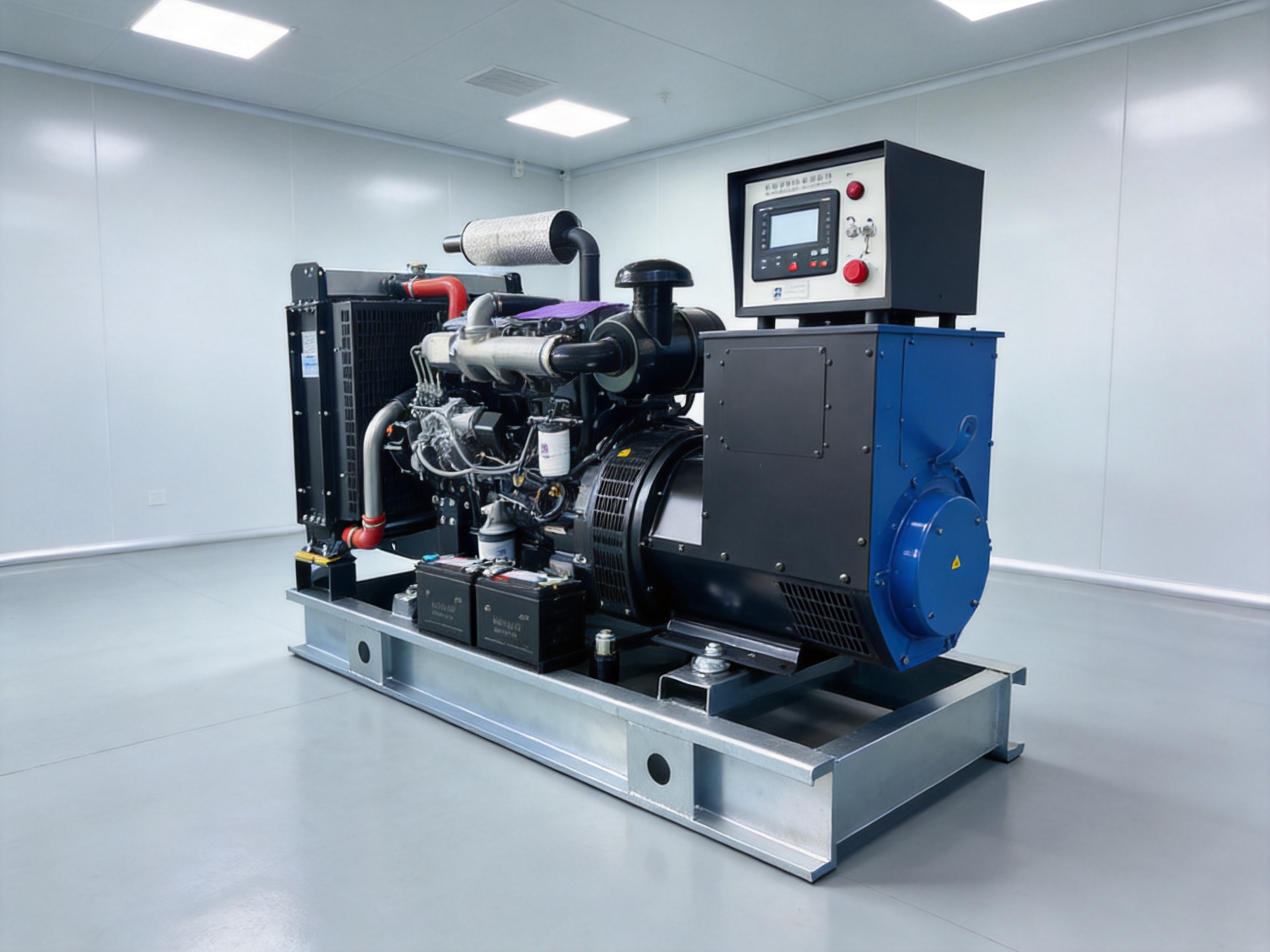
The strongest advantage of this generator series is its combination of compact design and industrial-grade functionality. It is not merely a small engine attached to an alternator. Each set integrates a diesel engine, brushless alternator, control panel, cooling system, exhaust system, filtration system, starting system, base frame, protective devices, and optional transfer or monitoring equipment into a coordinated power-generation package.
Compact Installation Footprint
Space is often one of the most important limitations in small and medium-sized projects. Equipment rooms may already contain electrical distribution panels, water systems, storage equipment, or other mechanical installations. Rooftops and commercial back-of-house areas may have strict limits on available floor area. The compact construction of the 10kVA–100kVA platform helps users install backup power in locations where a larger set would be impractical.
The equipment is suitable for plant rooms, equipment rooms, rooftops, shops, small offices, workshops, and temporary outdoor sites. An integrated base frame reduces the need for complicated structural components. Carefully arranged auxiliary systems make daily access easier while maintaining a relatively small overall footprint.
Low Operating Cost
Diesel engines are widely used in standby and industrial applications because they provide strong torque, reliable starting, and effective fuel utilization. The engines selected for this range use precision fuel injection and, where applicable, turbocharged intercooling to improve combustion and operating stability. Their design supports efficient operation across variable loads while helping reduce fuel consumption during long standby periods or intermittent use.
Operating cost is also affected by service accessibility. Filters, fluid inspection points, batteries, electrical connections, and control components are arranged for practical maintenance. Easy access reduces service time and helps operators complete routine inspections before a problem develops. The availability of universal spare parts across mainstream engine platforms can also simplify local servicing and long-term ownership.
Flexible Engine Selection
A major distinction between a universal generator platform and a fixed product line is the ability to select the engine according to the project. Available engine families may include Cummins, Perkins, Weichai, Yuchai, Volvo, Baudouin, MTU, SDEC, Mitsubishi, and other mainstream manufacturers, subject to the required output and project specification.
Engine selection can be based on several factors. A remote site may benefit from an engine brand with a strong local service network. A project in an area with variable fuel quality may require a platform selected for its fuel-system suitability and operating tolerance. A facility with frequent motor starting may require additional torque and cooling margin. A customer with an existing fleet may prefer to standardize filters, lubricants, diagnostic tools, and spare parts across all generator sets.
This flexibility offers an advantage over suppliers that provide only one engine brand or one standard configuration. It allows the generator to be optimized for service availability, initial cost, operating conditions, and long-term maintenance requirements.
Stable Electrical Output
The generator sets use maintenance-free brushless full-copper alternators with Class H insulation and IP22–IP23 protection. The alternator is responsible for converting mechanical energy from the diesel engine into electrical energy, and its performance directly affects the safety and reliability of connected equipment.
Stable voltage and frequency are important for household appliances, office electronics, communication equipment, monitoring systems, lighting, medical devices, pumps, and small industrial machinery. Low voltage distortion helps reduce the risk of abnormal operation in sensitive loads. The brushless design also reduces routine maintenance because there are no carbon brushes requiring regular replacement.
Alternator configuration is finalized according to voltage, frequency, phase arrangement, neutral requirements, and destination standards. Both single-phase and three-phase arrangements can be considered for suitable applications. Frequency can be configured for 50Hz or 60Hz, depending on the electrical standard of the installation site.
Automatic Operation and Remote Monitoring
The standard intelligent LCD controller supports automatic start and stop, real-time operating information, fault protection, and integration with automatic transfer switch equipment. When the utility supply fails, the system can detect the outage, issue a start command, allow the engine to reach stable operating conditions, and transfer the connected load according to the programmed sequence.
The controller can display and record information such as voltage, current, frequency, power factor, fuel level, engine speed, coolant temperature, oil pressure, operating hours, and fault status. This information helps operators understand the condition of the generator without manually checking every mechanical and electrical component.
Remote start contacts, communication ports, dry contacts, and optional cloud-management functions allow the generator to connect with building management systems, supervisory control and data acquisition systems, security rooms, or centralized facility-management platforms. These functions are particularly valuable when the generator is installed in an unmanned equipment room or at a remote communication or agricultural site.
3. Engine and Alternator Engineering
Diesel Engine Configuration
The engine package is selected according to the generator rating and operating duty. Mainstream small-bore industrial diesel engines are used across this power band because they combine compact dimensions with dependable torque and fast starting. Turbocharging and intercooling, when included in the selected engine, improve air intake and combustion performance while supporting stable output under changing load conditions.
Precision fuel injection helps the engine deliver a controlled quantity of fuel at the correct injection timing. This contributes to more consistent combustion, responsive load acceptance, and improved fuel economy. It also helps the engine operate effectively when the connected load changes between light standby consumption and higher temporary demand.
Engine cooling is designed for reliable operation in variable-temperature environments. However, correct site ventilation remains essential. Even a well-designed engine requires sufficient cooling-air intake, proper hot-air discharge, suitable exhaust routing, and enough space for maintenance. During the configuration stage, the installation plan should account for ambient temperature, altitude, enclosure type, exhaust back pressure, and expected duty cycle.
Alternator Construction
The brushless full-copper alternator is designed for stable output and reduced maintenance. Copper windings provide effective electrical conductivity, while Class H insulation provides a high thermal-resistance rating suitable for demanding operating conditions. IP22–IP23 protection helps protect the alternator against the entry of solid objects and vertically or diagonally falling water, depending on the final design.
Alternator selection must consider more than nominal kVA. The alternator must be capable of handling the expected running load, motor-starting requirements, unbalanced loads where applicable, harmonic content, power factor, and acceptable voltage dip. For this reason, the largest motor and its starting kVA should be identified before the final generator size is confirmed.
Mechanical and Electrical Matching
Reliable performance depends on the correct matching of the engine and alternator. The engine must provide sufficient mechanical power at the required speed, while the alternator must deliver the required voltage and frequency under the intended load. The cooling system, fuel system, exhaust system, control logic, and circuit protection must also be matched to the package.
Factory assembly and load testing help verify that these systems operate together correctly. This is an important advantage compared with assembling unrelated components at the installation site. A coordinated package reduces the risk of incompatible control signals, incorrect protection settings, unsuitable cable connections, or inadequate cooling capacity.
4. Intelligent Control and Protection Functions
The control system is the interface between the generator and the operator. It also serves as the decision-making center for automatic operation. A modern intelligent controller provides more than a start button and a few warning lights. It monitors the generator, manages operating sequences, records faults, and protects the engine and electrical system from abnormal conditions.
Automatic Start and Stop
When connected to an ATS panel, the generator can respond automatically to utility failure. Start delays, transfer delays, cool-down periods, and return-to-mains functions can be adjusted according to the site requirements. After the utility supply is restored and stabilized, the controller can return the load to the mains and continue running the generator for a programmed cool-down period before shutdown.
Protection Against Operating Faults
Protection functions may include low oil pressure, high coolant temperature, overspeed, underspeed, overvoltage, undervoltage, overload, emergency stop, charging failure, and starting failure. When a critical fault is detected, the controller can issue an alarm or stop the generator to prevent additional damage.
Protection settings should be coordinated with the electrical distribution system. Breaker ratings, cable sizes, grounding arrangements, neutral connections, and load protection must be reviewed together. A generator cannot be considered fully protected if its output breaker and site distribution system are incorrectly selected.
Monitoring and Communication
Real-time monitoring allows facility personnel to check the generator’s condition locally or remotely. Communication ports and dry contacts can be used to transmit running status, common alarms, mains status, generator status, low fuel warning, and emergency shutdown signals. More advanced configurations can connect to BMS, SCADA, or cloud platforms for centralized management.
Remote monitoring is especially useful for communication stations, agricultural installations, temporary construction sites, and facilities that do not have a dedicated generator operator. It helps maintenance personnel identify low battery voltage, abnormal temperature, low fuel level, or repeated start attempts before the next major outage occurs.
5. Structure Options for Different Environments
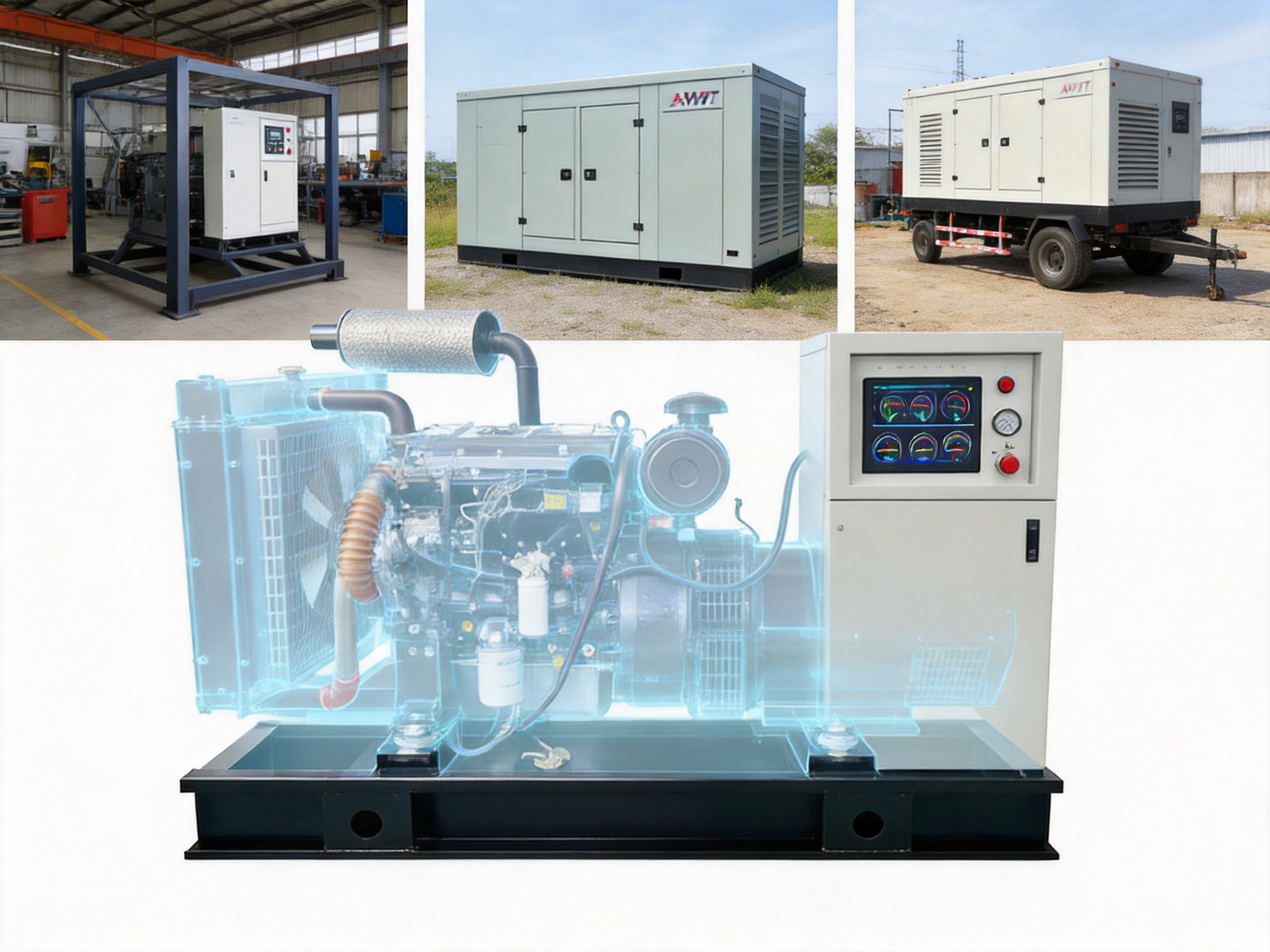
The same generating core can be adapted to different site conditions through several structural options. Selecting the correct structure improves safety, noise performance, mobility, weather resistance, and maintenance convenience.
Silent-Type Generator Sets
The silent version uses an acoustic canopy to reduce engine and exhaust noise. For this product range, the stated noise level can be as low as 75dB(A), depending on the measurement conditions, distance, load, canopy design, and site environment. Silent units are suitable for residential communities, schools, clinics, offices, shops, and other locations where sound must be controlled.
Noise management depends on more than the canopy alone. The exhaust muffler, vibration isolators, cooling-air openings, fan selection, enclosure panels, and installation position all influence the final sound level. Where a project has a stricter limit, the required performance should be reviewed during the design stage.
Open-Type Generator Sets
Open-type sets are installed on a base frame without an acoustic canopy. They are suitable for dedicated generator rooms, workshops, industrial facilities, and locations where the building already provides weather and sound protection. Open sets usually provide straightforward access to the engine and alternator, which can be useful for frequent inspection and maintenance.
Trailer-Type Generator Sets
Trailer units are designed for movement between work locations. They can support construction projects, road maintenance, agricultural irrigation, field operations, temporary events, and emergency response. The trailer structure should be selected with attention to axle capacity, braking, lighting, towing requirements, cable management, and local transport regulations.
Container-Type Generator Sets
Containerized structures provide weather protection and can accommodate fuel systems, control panels, ventilation equipment, and additional accessories. They are suitable for outdoor installation, longer unattended operation, temporary power stations, and projects requiring a robust enclosure. Container design must include proper air intake, hot-air discharge, exhaust routing, service access, fire-safety considerations, and fuel management.
6. Typical Power Band Applications
| Rated Output | Typical Duty | Typical Applications | Recommended Structure |
|---|---|---|---|
| 10–30kVA | Standby and light intermittent operation | Villas, small shops, monitoring rooms, small clinics, offices | Silent or open type |
| 30–60kVA | Standby and intermittent prime operation | Restaurants, schools, offices, community facilities, service outlets | Silent, open, or trailer type |
| 60–100kVA | Standby, temporary production, and site power | Light workshops, agricultural facilities, construction sites, field operations | Silent, trailer, or container type |
Residential Backup Power
Residential applications include detached houses, villas, apartment communities, and rural homes. The generator can support lighting, refrigerators, water pumps, security systems, communication equipment, heating or cooling auxiliaries, and selected household appliances. A load-management strategy may be used when the total household demand exceeds the generator rating.
For residential installations, noise, exhaust direction, fuel storage, vibration, and automatic operation are key considerations. A silent enclosure and ATS panel can provide a convenient solution, while proper separation from windows and occupied spaces is necessary for safe operation.
Commercial Applications
Retail stores, restaurants, offices, hotels, homestays, workshops, and service outlets depend on electricity for lighting, refrigeration, payment systems, information technology, ventilation, pumps, and security. A short power interruption may cause lost sales, spoiled products, customer inconvenience, or data and equipment problems.
A properly sized generator helps businesses continue essential operations during grid failure. The selected capacity should distinguish between critical and noncritical loads. For example, a restaurant may prioritize refrigeration, lighting, payment terminals, kitchen ventilation, and emergency systems rather than attempting to power every appliance simultaneously.
Schools and Public-Service Facilities
Schools, community clinics, health centers, local administrative offices, and grassroots service stations require dependable power for lighting, communication, computers, monitoring systems, and selected medical equipment. A generator in this application must provide predictable automatic starting and stable voltage and frequency.
Noise control is also important in public-service environments. Silent units can reduce disturbance, while remote monitoring can notify facility personnel when the generator starts, stops, or experiences a fault.
Light Industrial and Agricultural Sites
Small processing factories, workshops, farms, irrigation sites, and agricultural storage facilities may require power for pumps, fans, compressors, lighting, tools, and production equipment. Motor starting can impose a short-term demand much higher than the normal running load. Generator sizing must therefore consider starting kVA, starting method, motor sequence, and the acceptable voltage dip.
The engine and cooling system should also be selected for the site environment. Agricultural and rural locations may expose equipment to dust, humidity, fluctuating temperatures, and limited service access. Effective filtration, accessible maintenance points, and a suitable enclosure help improve operational reliability.
Outdoor and Emergency Power
Construction projects, field maintenance, disaster response, temporary events, off-grid locations, and emergency rescue operations often need mobile or rapidly deployable power. Trailer or container structures can make transportation and installation easier. The generator may support lighting towers, pumps, tools, temporary offices, communications equipment, and emergency facilities.
For emergency use, battery condition, fuel availability, cable protection, grounding, weather protection, and regular test operation are essential. A generator that is not periodically inspected may fail to start when it is most needed.
7. Manufacturing Process and Quality Assurance
Product quality depends on the entire manufacturing process rather than on one individual component. Yangzhou Aiweite Electromechanical Co., Ltd. manufactures and installs diesel generator sets from 1kVA to 2,500kVA, placing the 10kVA–100kVA series within a broader production and engineering system. This wider product experience supports component selection, power-system integration, testing, and project customization.
Engineering Review and Configuration
Production begins with a review of the project requirements. The engineering team evaluates the running load, largest motor, starting method, voltage, frequency, phase arrangement, duty rating, ambient conditions, altitude, noise requirements, enclosure type, control interface, and delivery requirements. This process helps prevent an incorrect rating or unsuitable structure from being selected at the beginning of the project.
Prime and standby ratings are quoted separately. This distinction is important because an installation intended for occasional emergency operation has different requirements from one intended for repeated prime use. The engine, alternator, cooling system, and maintenance plan must reflect the declared duty.
Incoming Component Inspection
Key components are inspected before assembly. This includes the diesel engine, alternator, controller, circuit breaker, radiator, fuel system, batteries, charger, base frame, vibration mounts, exhaust components, and enclosure parts. Incoming inspection helps verify model information, physical condition, specifications, and compatibility with the approved configuration.
Component control is especially important for a universal platform because different engine brands and control systems may be used. Correct documentation, wiring information, connection points, and accessory selection are required to ensure that the final package operates as intended.
Mechanical Assembly
During assembly, the engine and alternator are mounted on a rigid base frame and aligned to reduce mechanical stress. Vibration dampers help isolate engine movement from the foundation or enclosure. The cooling assembly, fuel system, exhaust system, battery, charger, control panel, and electrical output connections are installed according to the approved design.
Attention to fastener torque, hose routing, cable protection, grounding, clearance, and service access helps improve long-term reliability. A well-assembled generator should allow technicians to inspect fluid levels, replace filters, access electrical terminals, and diagnose faults without unnecessary disassembly.
Electrical and Control Verification
The electrical system is checked for correct wiring, insulation, grounding, phase sequence, protection devices, control signals, emergency-stop operation, sensor connections, and communication interfaces. The controller is configured according to the voltage, frequency, phase arrangement, ATS requirements, and monitoring functions specified by the customer.
Where a project requires Deep Sea, SmartGen, ComAp, or another specified controller, the control logic and interface are reviewed before testing. Dry contacts, remote start functions, BMS points, SCADA connections, and communication ports can be verified as part of the factory acceptance process.
Load Testing
Before shipment, each generator set is operated under controlled conditions. Testing may include operation from zero to 110 percent of rated capacity, step-load response, continuous endurance operation, voltage and frequency stability, emergency protection, automatic start and stop, and simulated mains-failure transfer.
Load testing confirms that the engine, alternator, controller, cooling system, fuel system, and protection functions work together. It can also reveal abnormal vibration, overheating, unstable voltage, incorrect frequency, inadequate load response, or control wiring errors before delivery.
Test records, wiring diagrams, operation and maintenance manuals, and component lists are supplied with the shipment. Witness testing and third-party inspection can be arranged when required by a project, purchaser, consultant, or end user.
8. Advantages Compared with Conventional Alternatives
The 10kVA–100kVA universal diesel generator platform provides several practical advantages over less flexible alternatives.
Compared with Portable Gasoline Generators
Portable gasoline generators are often easy to move and economical for very light loads, but they may not provide the same endurance, automatic-start capability, industrial construction, or fuel efficiency required for commercial standby applications. Diesel generator sets are better suited to repeated emergency operation, automatic transfer, extended running, and critical equipment support.
Compared with Fixed Single-Brand Packages
A fixed single-brand package can simplify procurement, but it may limit engine availability, spare-parts choices, service options, and adaptation to local conditions. A universal platform allows the customer to choose among mainstream engine families based on local service support, project preference, duty requirements, and budget.
Compared with Oversized Industrial Units
An oversized generator increases purchase cost, fuel consumption, installation space, and maintenance requirements. It may also operate inefficiently when the actual load is small. A correctly selected 10kVA–100kVA set can provide a more economical solution for small and medium-sized facilities while still offering automation and industrial reliability.
Compared with Basic Manual Generator Sets
Basic manual sets require an operator to start the engine, stabilize the output, transfer the load, and monitor operating conditions. The intelligent control system and ATS compatibility of this series reduce dependence on manual intervention. Automatic protection and remote monitoring also improve the response to faults and utility failures.
Compared with Poorly Integrated Component Packages
When an engine, alternator, controller, and enclosure are assembled without adequate engineering coordination, problems may arise in cooling, voltage regulation, control communication, or service access. Factory assembly, load testing, and documentation help reduce these risks by verifying the completed package before shipment.
9. Installation and Site Preparation
Even a compact generator requires proper installation. Before delivery, the site should be reviewed for foundation strength, vibration isolation, air intake, hot-air discharge, exhaust routing, fuel supply, cable paths, grounding, maintenance clearances, and noise control.
The foundation must support the operating weight and dynamic forces of the generator. Anti-vibration mounts or an appropriately designed concrete base can help reduce vibration transmission. The unit should be level, accessible, and positioned so that technicians can reach filters, batteries, control panels, breakers, and service points.
Ventilation is essential. The engine consumes air for combustion and the radiator must reject heat. Insufficient air intake or inadequate hot-air discharge can cause high coolant temperature, reduced output, and engine shutdown. Enclosures and generator rooms should therefore be designed around the required airflow and the expected ambient temperature.
The exhaust system must be routed safely away from occupied areas, air intakes, doors, and windows. Exhaust back pressure should remain within the engine manufacturer’s permitted range. The exhaust pipe should be supported independently where necessary, and thermal insulation may be required near combustible materials.
Fuel systems should include appropriate tanks, filters, shut-off valves, flexible connections, and spill-control measures. Long standby periods can create fuel-quality problems, so fuel condition and tank cleanliness should be checked as part of the maintenance program.
Electrical installation includes cable sizing, breaker selection, phase sequence, neutral arrangement, grounding, ATS connection, and coordination with the building distribution system. These tasks should be performed by qualified electrical personnel according to applicable local regulations.
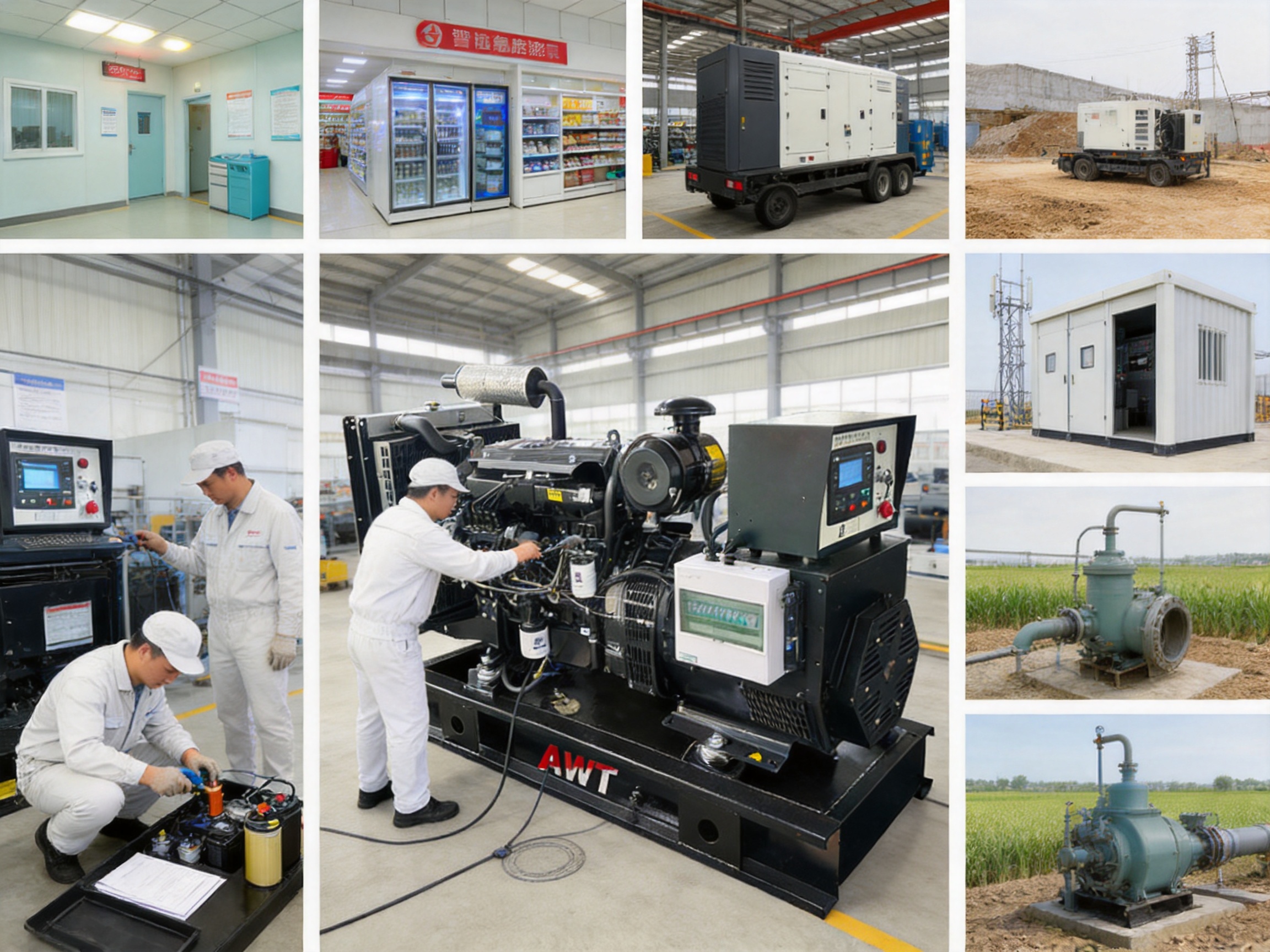
10. Maintenance and Service Support
Regular maintenance protects the investment and improves starting reliability. Even when a generator operates only during occasional outages, the engine oil, coolant, fuel system, battery, charger, belts, hoses, filters, exhaust system, and electrical connections require periodic inspection.
The first service should follow the engine manufacturer’s specified interval. Later maintenance should be based on running hours, calendar time, operating environment, and duty cycle. Dusty, humid, hot, or remote locations may require more frequent inspection than clean indoor installations.
- Check engine oil level, coolant level, fuel level, leaks, belts, hoses, and visible wiring.
- Inspect battery voltage, terminals, charger operation, and starting performance.
- Replace oil, coolant, fuel filters, and air filters according to the specified service schedule.
- Check the radiator, ventilation path, exhaust system, muffler, and enclosure openings.
- Review controller alarms, fault history, operating hours, and emergency-stop condition.
- Operate the generator periodically under a suitable load rather than relying only on no-load starting.
- Conduct an annual load test to confirm that the generator can carry its rated capacity.
Spare-parts support includes genuine engine components, alternator parts, control components, filters, electrical items, and consumables. Using correct parts helps preserve performance and avoids problems caused by unsuitable filters, lubricants, sensors, or electrical replacements.
11. Selecting the Correct Generator Capacity
Generator capacity should not be selected only by adding the nameplate ratings of all installed equipment. The calculation should identify which loads operate simultaneously, which loads are critical, the power factor of each load, and the starting characteristics of motors and transformers.
Running kW and apparent power in kVA should be considered separately. A generator rated at 100kVA and a power factor of 0.8 provides approximately 80kW of active power at that power factor. The actual available output depends on the operating conditions and the final alternator specification.
Motor starting can temporarily increase demand several times above the motor’s normal running power. Pumps, compressors, fans, refrigeration equipment, and workshop machinery may therefore require a larger generator than their running wattage suggests. Starting sequence, soft starters, variable-frequency drives, and load-shedding controls can reduce the required generator size.
Site altitude and ambient temperature may also affect output. High altitude reduces air density, while high ambient temperature reduces cooling margin. The final quotation should therefore be based on the actual installation conditions, not only on the standard laboratory rating.
12. Company Manufacturing Strength
Founded in 2008, Yangzhou Aiweite Electromechanical Co., Ltd. specializes in the manufacture and installation of diesel generator sets from 1kVA to 2,500kVA. This broad capacity range demonstrates experience across compact standby units, commercial packages, industrial generator sets, and larger power systems.
The company combines product manufacturing with installation and project support. This enables the team to consider not only the generator itself but also the practical requirements of foundation preparation, ventilation, exhaust, fuel supply, electrical connection, control integration, testing, and commissioning.
Continuous investment in manufacturing equipment, engineering capability, and quality management supports consistent production. The company serves international customers and provides assistance before, during, and after each project. Its foreign-trade business, established in 2022, supports broader international project coordination and customer communication.
The manufacturing philosophy emphasizes stable performance, durability, efficiency, environmental responsibility, and long-term customer support. By combining mainstream components with controlled assembly and factory testing, the company can supply generator sets adapted to different markets and operating conditions.
For customers, the practical benefit is a single source for configuration, production, testing, documentation, delivery coordination, installation support, and spare-parts assistance. This can reduce the communication gaps that often occur when the engine supplier, alternator assembler, control-panel provider, and installation contractor are unrelated organizations.
13. Information Required for a Technical Proposal
A firm configuration and quotation require accurate project information. The following details allow the generator supplier to recommend a suitable rating and structure.
| Required Information | Purpose |
|---|---|
| Running load list | Determines the continuous and simultaneous operating demand. |
| Largest motor and starting kVA | Checks starting performance and acceptable voltage dip. |
| Voltage, frequency, phase, and neutral arrangement | Defines alternator winding and electrical connections. |
| Standby, prime, or continuous duty | Determines engine rating, cooling margin, and maintenance planning. |
| Indoor or outdoor installation | Determines enclosure, ventilation, exhaust, and weather-protection requirements. |
| Ambient temperature and altitude | Identifies possible derating and cooling requirements. |
| Noise limit | Determines canopy and exhaust silencer requirements. |
| ATS and remote-monitoring requirements | Defines controller, panel, communication, and transfer functions. |
| Destination and inspection requirements | Determines documentation, packing, labels, and acceptance procedures. |
14. Frequently Asked Questions
What does the 10kVA–100kVA range mean?
The range identifies the apparent power capacity of the generator alternator. The actual usable kW output depends on the power factor, operating conditions, alternator design, and declared standby or prime rating. The appropriate model should be selected after reviewing the real load profile.
Can these generator sets operate automatically during a power failure?
Yes. With an intelligent controller and ATS panel, the generator can detect utility failure, start automatically, transfer the load, monitor operating conditions, and return to standby after utility power is restored. Battery condition, fuel supply, and correct installation remain important responsibilities at the site.
Which engine brand is best for this power range?
There is no single best engine for every project. The most suitable choice depends on local service coverage, spare-parts availability, fuel quality, operating duty, customer preference, and budget. Mainstream engine families can be evaluated against these factors before the final configuration is approved.
Are these units suitable for sensitive electronic equipment?
The brushless alternator and intelligent control system provide stable voltage and frequency output suitable for many household, office, communication, monitoring, and small precision loads. Sensitive equipment may also require a UPS, surge protection, voltage regulation, or a dedicated power-quality assessment.
What is the difference between standby and prime power?
Standby power is normally used during utility outages and for limited emergency operation. Prime power is intended for more frequent or extended operation. The engine rating, cooling margin, maintenance schedule, and fuel strategy must correspond to the declared duty.
How quiet is the silent version?
The silent version is specified at up to 75dB(A) under stated measurement conditions. Actual sound levels depend on load, measurement distance, installation surface, canopy design, exhaust silencer, surrounding structures, and ambient noise. Projects with strict acoustic limits should confirm the required performance before production.
Can the generator be connected to a building management system?
Yes. Dry contacts, communication ports, remote-start interfaces, and optional monitoring functions can support integration with BMS, SCADA, or other building-control systems. The required protocol and point list should be agreed during configuration.
Can the generator be used outdoors?
Yes. Silent, trailer, and container structures can be configured for outdoor applications. Outdoor installations still require correct drainage, ventilation, exhaust routing, grounding, fuel protection, service access, and weather considerations.
What testing is completed before shipment?
Testing may include mechanical inspection, electrical safety checks, no-load and load operation, operation up to 110 percent of rated capacity, step-load response, endurance operation, voltage and frequency stability, automatic-start verification, and emergency protection testing. Test records are supplied with the generator set.
What maintenance does a standby generator require?
Maintenance includes regular battery and charger checks, fluid inspections, filter replacement, coolant and oil service, fuel-system inspection, controller review, periodic loaded operation, and an annual load test. Maintenance intervals should follow the engine manual and be adjusted for local conditions.
15. Conclusion
The 10kVA–100kVA universal diesel generator set range provides a practical and adaptable solution for facilities that need dependable backup or temporary power without the size and cost of a large industrial installation. Its main strengths include compact construction, low operating cost, flexible engine selection, brushless full-copper alternators, intelligent control, automatic transfer compatibility, multiple structure options, and straightforward maintenance.
The platform is suitable for homes, shops, offices, restaurants, schools, clinics, public facilities, small workshops, farms, communication rooms, construction sites, and emergency operations. Its universal configuration approach enables the generator to be matched to actual load requirements, site conditions, noise limits, control systems, and local service resources.
Manufacturing quality is supported by engineering review, component inspection, controlled assembly, electrical verification, load testing, documentation, and after-sales support. The combination of a broad 1kVA–2,500kVA product program and project-oriented manufacturing experience allows Yangzhou Aiweite Electromechanical Co., Ltd. to supply compact generator sets while also supporting larger and more complex power requirements.
For the best result, customers should provide a complete load list, motor-starting information, electrical standard, duty requirement, installation conditions, noise limit, control requirements, and documentation needs. With these details, the final generator can be configured for reliable starting, stable output, safe operation, efficient maintenance, and long service life.
References
ISO 8528, Reciprocating Internal Combustion Engine Driven Alternating Current Generating Sets.
GB/T 2828, Sampling Procedures and Tables for Lot-by-Lot Inspection.
Diesel Engine Manufacturer Operation and Maintenance Manuals.
Alternator Manufacturer Technical Data and Installation Guidelines.
Automatic Transfer Switch Manufacturer Application and Commissioning Manuals.
Electrical Installation and Grounding Practices for Low-Voltage Generator Systems.
Generator Set Factory Acceptance Testing and Load-Bank Testing Procedures.