English
 Français
 Español
Perkins Powered Diesel Generator Sets for Reliable Industrial and Emergency Power
Oct 10, 2026
Content
- 1 Why Reliable Generator Selection Matters
- 2 Product Overview
- 3 Key Advantages of the Generator Sets
- 4 Engineering Design of the Complete Generator Set
- 5 Manufacturing Strengths of Yangzhou Aiweite
- 6 Comparison with Less Integrated Generator Solutions
- 7 Applications Across Multiple Industries
- 8 Standby, Prime, and Continuous Power Selection
- 9 Installation and Maintenance Recommendations
- 10 How to Choose the Correct Configuration
- 11 Customer Value and Lifecycle Benefits
- 12 Frequently Asked Questions
- 12.1 What power range is available?
- 12.2 Are these generator sets suitable for standby and prime power?
- 12.3 What type of engine is used?
- 12.4 What is the benefit of a brushless synchronous alternator?
- 12.5 Can the generator set be used outdoors?
- 12.6 Can the generator sets operate in difficult environments?
- 12.7 Can multiple generator sets operate in parallel?
- 12.8 What applications are suitable for these generator sets?
- 12.9 How should the generator be sized?
- 12.10 What control functions may be available?
- 12.11 Why is professional installation important?
- 12.12 What support does Yangzhou Aiweite provide?
- 13 Conclusion
- 14 References
- 15 Product: Perkins Powered Diesel Generator Sets
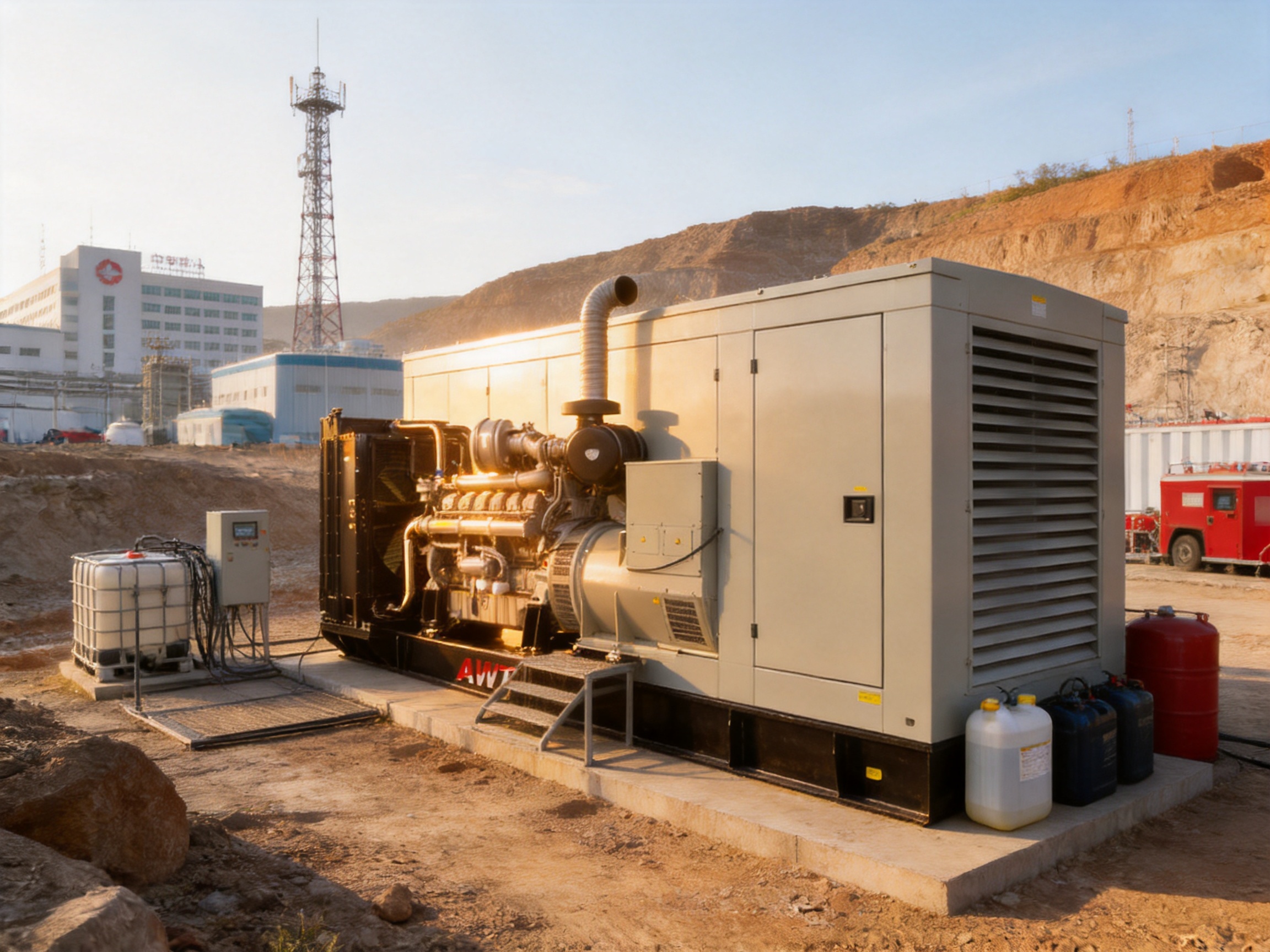
Reliable electrical power is essential wherever interruption can affect safety, productivity, data integrity, communication, or business continuity. Hospitals require stable electricity for life-support systems and medical equipment. Data centers need dependable power for servers, cooling systems, security infrastructure, and network operations. Industrial plants depend on continuous energy to protect production schedules and prevent equipment damage. Construction sites, mines, marine facilities, telecommunications stations, and emergency-response organizations all face similar requirements: they need generating equipment that can start quickly, operate efficiently, withstand demanding conditions, and remain serviceable over many years.
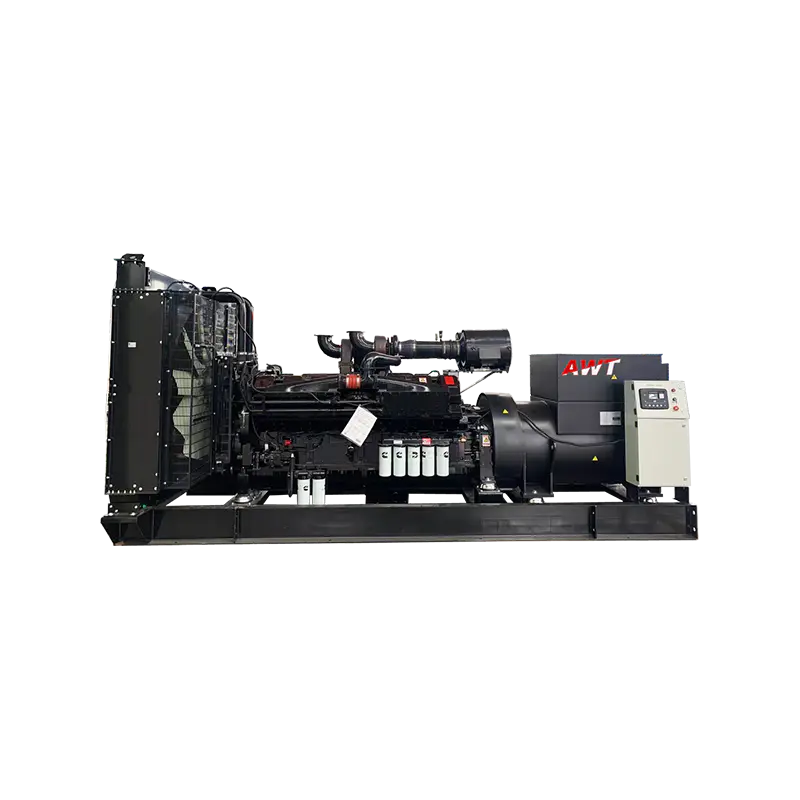
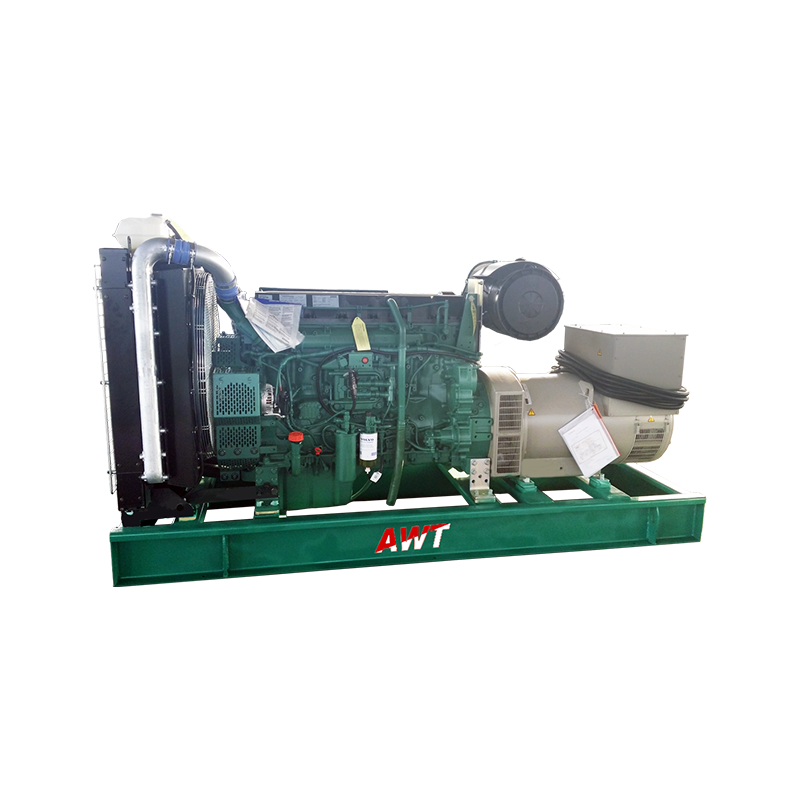
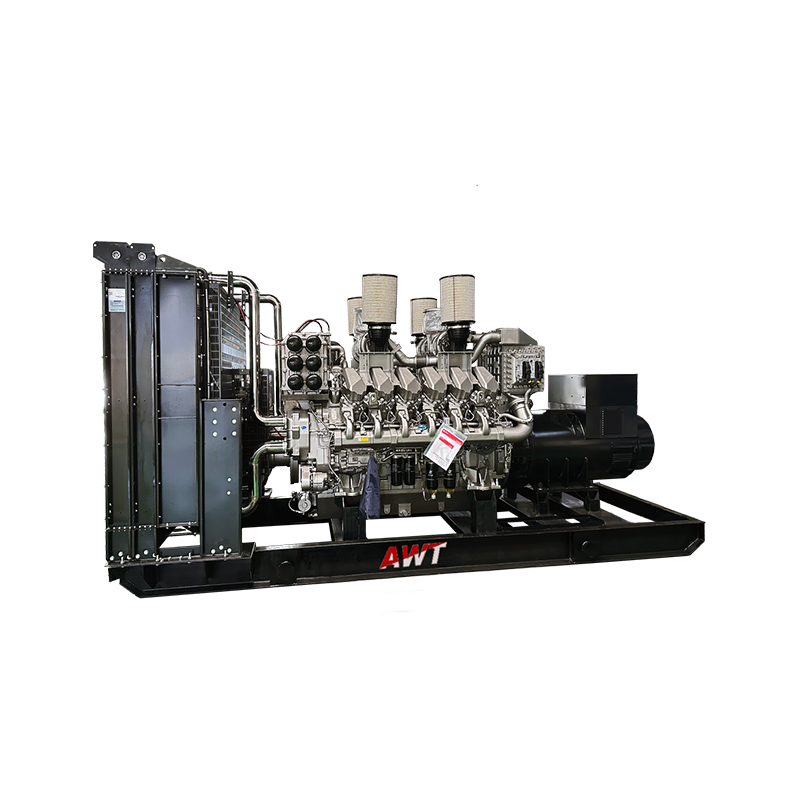
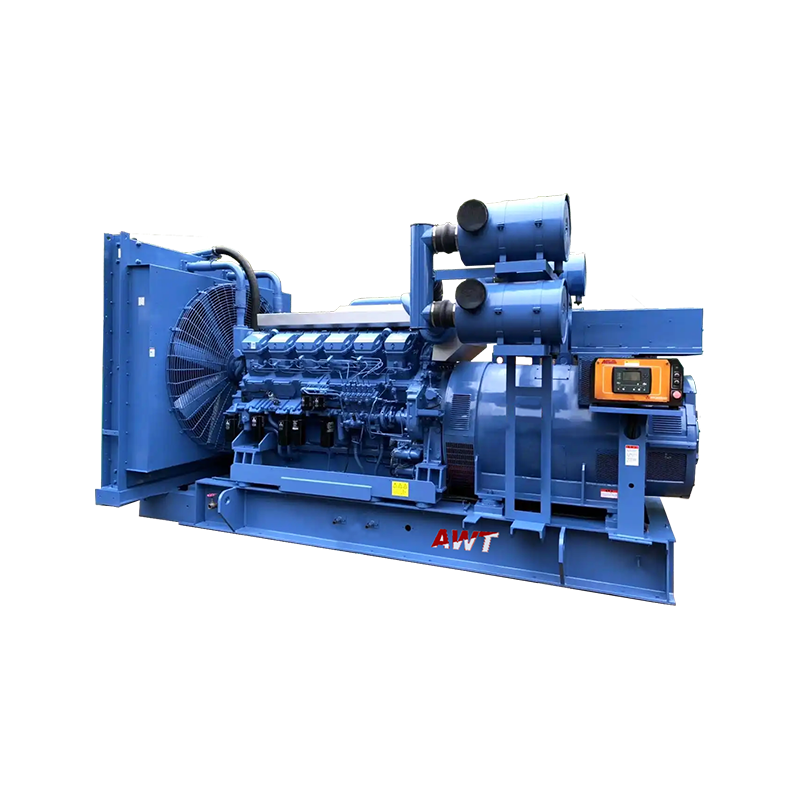
Perkins Powered Diesel Generator Sets are designed to meet these requirements through the integration of original Perkins diesel engines, high-quality brushless synchronous alternators, and intelligent control systems. The series covers a power range from 8 kW to 3,400 kW and can be configured for standby, prime, or continuous power operation. Designed in accordance with ISO 8528 and GB/T 2820 standards, these generator sets provide a dependable solution for commercial, industrial, infrastructure, and emergency applications.
Yangzhou Aiweite Electromechanical Co., Ltd. manufactures and supplies these generator sets with a focus on engineering reliability, controlled production, application-specific configuration, and long-term customer support. Founded in 2008, the company specializes in the manufacture and installation of diesel generator sets and provides power solutions for customers in different markets. Its production philosophy combines advanced manufacturing equipment, strict quality management, technical innovation, and practical project experience.
Why Reliable Generator Selection Matters
A diesel generator is not simply an engine connected to an alternator. It is a complete power system that must coordinate mechanical, electrical, control, cooling, fuel, exhaust, and protection functions. A generator may have sufficient rated power yet still fail to meet the actual needs of a project if it has poor transient response, inadequate cooling, limited protection, excessive fuel consumption, or unsuitable environmental performance.
Correct selection therefore requires consideration of the load profile, starting requirements, operating duration, ambient conditions, installation environment, maintenance access, noise restrictions, fuel availability, and required service life. A high-quality generator set should deliver stable voltage and frequency, respond effectively to sudden load changes, protect connected equipment, and maintain predictable performance under repeated operating cycles.
The Perkins Powered Diesel Generator Sets address these needs through a coordinated package rather than through a single component. The engine provides the mechanical energy, the alternator converts that energy into electricity, the controller manages operation and monitoring, and the supporting systems maintain safe and efficient performance. When these elements are correctly matched, the complete generator set can provide better reliability than a package assembled from incompatible or inconsistent components.
Product Overview
The product series uses original Perkins diesel engines selected for professional power-generation applications. Perkins engines have a long history in industrial power technology and have been used in a wide range of operating environments. Their established engineering platform helps provide dependable starting, stable output, efficient combustion, and service support appropriate for power-generation equipment.
Each generator set is paired with a high-quality brushless synchronous alternator. The brushless design reduces the need for certain wear-prone electrical contact components and supports stable electrical output with reduced routine maintenance requirements. The alternator is selected and matched according to the engine output, generator rating, operating mode, voltage requirements, and project application.
An intelligent control system completes the package. The control panel can monitor essential operating parameters, display alarm information, manage starting and stopping functions, and provide protection against abnormal operating conditions. Depending on the configuration, the control system may support automatic mains failure operation, remote monitoring, load management, synchronization, and parallel operation.
The generator sets are available for standby power, prime power, and continuous power applications. Standby units are intended to operate when the normal utility supply fails. Prime-power units are designed for variable loads and extended operation where the utility supply is unavailable or unreliable. Continuous-power units are intended for stable, long-duration operation at a consistent load profile. Selecting the correct operating classification is important because it influences the generator rating, duty cycle, maintenance plan, and expected service life.
The series is suitable for applications ranging from smaller commercial facilities to large industrial and infrastructure projects. With the stated range from 8 kW to 3,400 kW, the product family can support individual equipment loads, building-level backup systems, remote power stations, and larger engineered power plants. Multiple sets can also be considered for projects requiring redundancy, flexible capacity, staged expansion, or enhanced maintenance continuity.
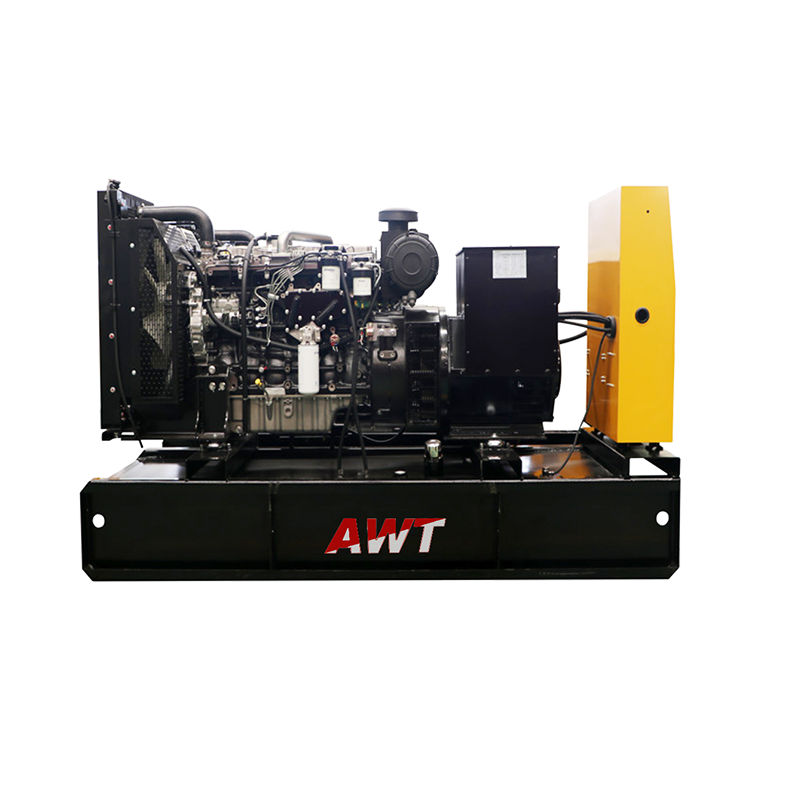
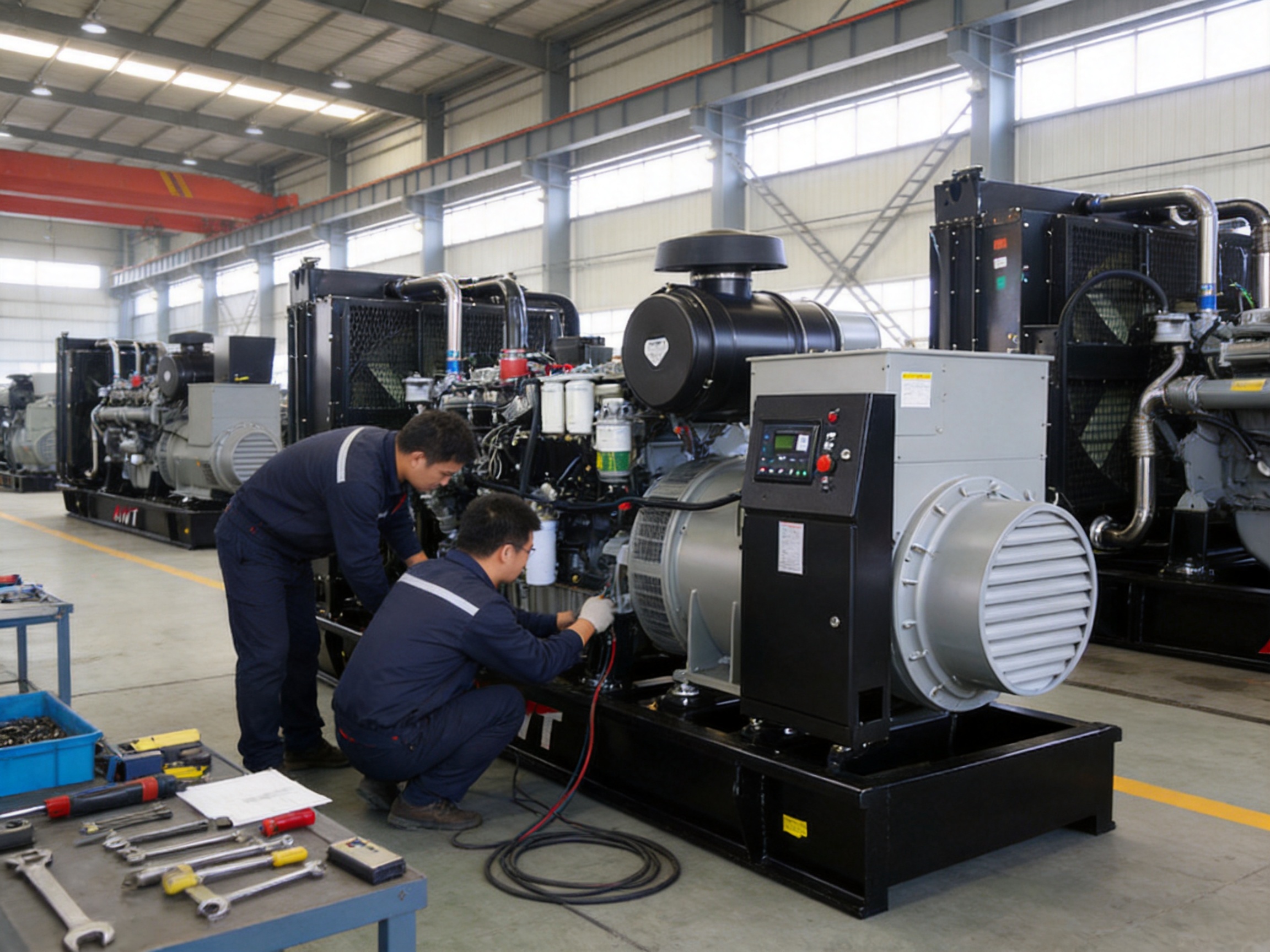
Perkins Powered Diesel Generator Sets
Key Advantages of the Generator Sets
Original Perkins Engine Technology
The engine is the foundation of a diesel generator’s performance. Original Perkins engines provide a well-established power platform for users seeking dependable starting, efficient fuel use, and consistent operation. The engines are designed for professional applications rather than occasional light-duty use, making them appropriate for facilities that require repeated automatic starts or extended operating periods.
A proven engine platform can also simplify service planning. Operators and maintenance teams benefit from established maintenance procedures, recognizable service requirements, and a broad understanding of diesel power technology. This is particularly valuable for international projects where equipment may be installed in locations with different technical resources and operating conditions.
Engine performance also affects the quality of the electrical output. A diesel engine with stable speed control can help the alternator maintain a consistent frequency. This is important for motors, pumps, compressors, control systems, information technology equipment, and other loads that may be sensitive to frequency fluctuations. The correct engine-alternator combination supports reliable operation during both steady-state running and sudden load changes.
Efficient Fuel Consumption
Fuel consumption is one of the most important factors in the lifetime cost of a diesel generator. The purchase price is only one part of the total cost of ownership. Fuel, maintenance, installation, transportation, testing, and downtime can represent a much larger expense over the operating life of the equipment.
The Perkins engine platform and carefully matched generator configuration are intended to support efficient fuel use. Efficient combustion helps reduce fuel expenditure during long operating periods, while appropriate sizing prevents the generator from running continuously at an unsuitable load. A properly selected generator should be capable of handling the expected load without excessive oversizing, because a significantly oversized generator may operate inefficiently at low load.
Fuel efficiency is particularly valuable for remote sites, telecommunications stations, mines, construction projects, marine facilities, and emergency installations where fuel transportation can be difficult or expensive. Lower fuel consumption can extend the operating time between refueling intervals and reduce the logistical burden placed on site personnel.
Low Noise Performance
Noise control is essential in hospitals, hotels, office buildings, residential areas, schools, data centers, and other locations where generator operation must not create unnecessary disturbance. The generator set can be configured with appropriate acoustic treatments, enclosure designs, exhaust systems, and installation measures to reduce perceived noise.
Low noise performance is not achieved by one component alone. It depends on engine design, enclosure construction, vibration isolation, exhaust silencing, cooling airflow management, and correct installation. Aiweite can evaluate project requirements and provide configurations intended to balance acoustic performance, cooling capacity, accessibility, and weather protection.
For indoor installations, the design of the engine room is also important. Ventilation openings, exhaust routing, foundation construction, and sound-absorbing materials can influence the overall noise level. For outdoor installations, sound-attenuated enclosures can help protect the equipment from weather while reducing noise emissions to the surrounding area.
High Reliability and Stable Operation
Reliability is the central advantage of a generator used for critical power. A unit must start when required, reach stable operating conditions quickly, carry the intended load, and continue running without unnecessary shutdowns. Reliability depends on the quality of the engine, alternator, control panel, wiring, cooling system, fuel system, lubrication system, and assembly process.
The use of original engines and high-quality alternators provides a strong foundation. Intelligent controls add another layer of protection by monitoring operating conditions and providing alarms or automatic shutdown functions when critical parameters move outside safe limits. These protective functions can help prevent avoidable damage caused by low oil pressure, excessive coolant temperature, overspeed, overcurrent, voltage abnormalities, or other faults.
Reliability is also influenced by manufacturing consistency. A generator set assembled according to controlled procedures is more likely to deliver predictable performance than one produced without documented inspection and testing. Quality management should cover incoming components, mechanical assembly, electrical connections, controller configuration, insulation checks, load testing, and final inspection.
Strong Environmental Adaptability
Generator sets may operate in hot, cold, humid, dusty, corrosive, high-altitude, coastal, or remote environments. These conditions can affect engine cooling, battery performance, air filtration, fuel quality, electrical insulation, and mechanical durability. A generator intended for a demanding environment must be configured according to the actual site conditions rather than treated as a standard product in every location.
The product series can be adapted for different project environments through suitable cooling arrangements, air filtration, enclosure protection, battery systems, heaters, fuel systems, exhaust components, and control settings. For coastal or marine-related applications, corrosion protection and appropriate material selection may be required. For dusty mines or construction sites, air filtration and service access become especially important.
At high altitude, reduced air density can affect engine performance and cooling capacity. At high ambient temperatures, the radiator and ventilation system may require additional consideration. In cold climates, engine heaters, battery heating, fuel treatment, and cold-start measures can improve starting reliability. A professional supplier should evaluate these conditions during the quotation and engineering stages.
Flexible Power Applications
The broad power range allows the product family to support different types of projects. Smaller units may serve commercial buildings, workshops, communications installations, and local emergency systems. Medium-capacity units can supply factories, offices, schools, hospitals, and construction sites. Larger configurations can be used in industrial plants, mines, infrastructure projects, large commercial facilities, and engineered power stations.
The range also supports different operating strategies. A facility may install one generator for emergency backup, several generators for redundancy, or a synchronized group for scalable power production. Parallel operation can allow units to share the load and can make it possible to maintain one generator while the others continue supplying electricity.
Engineering Design of the Complete Generator Set
Diesel Engine System
The diesel engine converts the chemical energy of fuel into mechanical power. For dependable generator operation, the engine must provide stable speed, adequate torque response, effective cooling, and reliable lubrication. The engine is selected according to the required electrical output, duty rating, load characteristics, and environmental conditions.
Engine selection should also consider the type of connected load. Motor starting, transformer energization, welding equipment, compressors, pumps, and other inductive loads can create temporary demand significantly higher than their normal running power. The generator must have sufficient capacity and transient performance to handle these events without excessive voltage or frequency deviation.
Brushless Synchronous Alternator
The alternator converts mechanical power into electrical power. A brushless synchronous alternator is designed to produce stable electricity while reducing the maintenance associated with brushes and slip rings. The alternator must be matched to the engine so that the complete set operates efficiently across the expected load range.
Important alternator characteristics include rated voltage, frequency, phase configuration, insulation class, temperature rise, protection level, voltage regulation, short-circuit performance, and compatibility with the control system. The correct configuration depends on the local electrical standard and the requirements of the connected equipment.
Stable voltage is important for sensitive loads and electronic systems. Good voltage regulation can reduce the risk of equipment malfunction caused by excessive fluctuations. For larger facilities, the alternator may also need to support synchronization, load sharing, automatic voltage regulation, and fault protection.
Intelligent Control System
The control system provides the operator interface and coordinates the generator’s operating sequence. It may display engine speed, coolant temperature, oil pressure, battery voltage, running hours, output voltage, current, frequency, power, and alarm status. Clear information helps operators identify developing problems and plan maintenance before a minor issue becomes a major failure.
Automatic control functions can include remote starting, automatic transfer operation, emergency shutdown, programmable delay settings, preheating control, battery charging, and communication with building-management or energy-management systems. For critical facilities, remote monitoring can provide access to operating data without requiring personnel to remain beside the generator.
Protection functions are equally important. The controller should be configured to respond appropriately to conditions such as low oil pressure, high coolant temperature, overspeed, overcrank, low battery voltage, overvoltage, undervoltage, overfrequency, underfrequency, overload, and emergency-stop activation. Protection settings must be coordinated with the generator rating and the electrical system.
Cooling, Fuel, and Exhaust Systems
The cooling system removes heat generated during combustion and electrical operation. Radiator capacity, fan performance, airflow, coolant circulation, and ventilation design must be considered together. Insufficient airflow can cause overheating even when the radiator itself is correctly sized. The installation environment therefore has a direct effect on generator performance.
The fuel system must provide clean fuel at the required pressure and flow rate. Storage tanks, day tanks, fuel filters, pipes, valves, ventilation, leak protection, and refueling arrangements should be designed according to the installation and applicable regulations. Clean fuel is essential for protecting injectors and supporting stable engine operation.
The exhaust system removes combustion gases and reduces noise. It must be correctly sized to prevent excessive back pressure. Exhaust routing should protect personnel and equipment from heat and fumes. Indoor installations require careful attention to ventilation, insulation, discharge location, and compliance with local safety requirements.
Manufacturing Strengths of Yangzhou Aiweite
Experienced Industry Focus
Yangzhou Aiweite Electromechanical Co., Ltd. was founded in 2008 and specializes in the manufacture and installation of diesel generator sets. Its focused product direction allows the company to concentrate technical resources on generator engineering, assembly, testing, installation, and service rather than treating power equipment as a secondary product category.
The company’s experience includes generator sets for commercial, industrial, infrastructure, communication, emergency, and other applications. This application exposure helps the engineering team understand that different users require different solutions. A hospital backup system, a mining generator, a data-center installation, and a construction-site unit may all have different requirements for redundancy, enclosure design, noise, automation, fuel storage, and maintenance.
Advanced Manufacturing Equipment
Modern manufacturing equipment supports repeatable assembly and helps improve production consistency. Generator-set production involves base-frame fabrication, engine and alternator installation, coupling, radiator assembly, exhaust integration, control-panel wiring, enclosure construction, painting, inspection, and testing. Each stage requires suitable tools and controlled procedures.
Advanced equipment can improve dimensional accuracy during frame production, support more consistent welding and fabrication, and reduce variation during assembly. Accurate alignment between the engine and alternator is especially important because misalignment may lead to vibration, coupling stress, bearing wear, and premature failure.
Electrical assembly also requires careful workmanship. Cable selection, terminal tightening, grounding, insulation, phase identification, controller wiring, and protection-device installation must be completed according to the approved design. A well-organized production process reduces wiring errors and makes later troubleshooting easier.
Strict Quality Management
Quality management begins before assembly. Incoming engines, alternators, controllers, batteries, radiators, circuit breakers, cables, filters, silencers, and other components should be checked against the purchase specification and project requirements. Traceability and documentation help ensure that the final generator set contains the correct parts.
During assembly, inspection should verify mechanical fastening, alignment, fluid connections, cable routing, grounding, safety labeling, and enclosure integrity. Before delivery, the generator set should undergo functional checks and performance testing appropriate to its rating and application. Testing may include starting and stopping, operating stability, voltage and frequency verification, alarm simulation, emergency shutdown, no-load checks, and load testing.
Quality management is not limited to finding defective products. Its greater purpose is to prevent defects through standardized work, trained personnel, clear technical documents, calibrated instruments, and documented inspection points. This approach improves confidence in every generator set delivered to a customer.
Project-Based Customization
Diesel generator projects rarely have identical requirements. Customers may specify a particular voltage, frequency, phase arrangement, fuel tank capacity, enclosure type, transfer system, controller, communication protocol, sound level, ambient temperature, or installation method. Aiweite’s OEM and ODM capabilities allow the basic generator platform to be adapted to project needs.
Customization may include open-type units for dedicated generator rooms, silent-type units for noise-sensitive environments, weatherproof enclosures for outdoor use, trailer-mounted units for mobile applications, containerized power plants for large projects, or parallel systems for higher capacity and redundancy.
Engineering customization should preserve the balance between performance, safety, serviceability, and cost. For example, adding acoustic material may reduce noise but must not obstruct cooling airflow. Increasing fuel storage may extend runtime but also requires structural, safety, and regulatory consideration. A professional manufacturer evaluates the complete system rather than adding components without assessing their interaction.
Installation and After-Sales Support
Generator performance depends heavily on installation quality. Even a well-built generator can experience problems if it is placed on an inadequate foundation, connected with undersized cables, supplied with restricted ventilation, or fitted with an improperly designed exhaust system. Installation planning should include access, lifting, vibration isolation, airflow, fuel management, exhaust discharge, electrical protection, grounding, and maintenance clearance.
Aiweite provides manufacturing and installation capabilities, allowing customers to coordinate equipment supply with project implementation. Technical support before delivery can help confirm load requirements, operating mode, site conditions, and configuration. Support during installation can help ensure correct connection and commissioning. After delivery, maintenance guidance and spare-parts support can help preserve performance throughout the equipment’s service life.
Comparison with Less Integrated Generator Solutions
Some low-cost generator products are assembled from mismatched engines, alternators, controllers, and supporting components. Although the initial quotation may appear attractive, the total cost can increase because of unstable performance, difficult troubleshooting, higher fuel consumption, limited documentation, poor spare-parts availability, or frequent downtime.
A complete generator package built around an original engine and a properly matched alternator provides several practical advantages. The components are selected to work together, the control system can be configured for the engine and alternator, and testing can evaluate the performance of the complete set. This reduces the risk that individual components perform well in isolation but poorly when combined.
| Evaluation Factor | Integrated Perkins Powered Generator Set | Inconsistent Low-Cost Assembly |
| Engine and alternator matching | Engine, alternator, and control system are selected as a coordinated package | Components may be selected primarily by price or availability |
| Operating stability | Designed for stable voltage, frequency, and load response | Performance may vary under changing or motor-heavy loads |
| Control and protection | Intelligent monitoring, alarms, and protective shutdown functions | Basic or poorly configured controls may provide limited information |
| Fuel economy | Professional engine platform and application-based sizing support efficient operation | Oversizing, poor calibration, or inefficient components may increase fuel use |
| Environmental adaptability | Configuration can consider temperature, altitude, dust, humidity, and outdoor use | Standard equipment may not be suitable for demanding conditions |
| Serviceability | Documented configuration and established engine technology support maintenance | Unknown components may create service and spare-parts difficulties |
| Project support | Manufacturing, installation, testing, and technical support are available | Support may be limited to equipment shipment |
The comparison does not mean that every alternative product is unsuitable. Generator selection should always be based on verified specifications, application requirements, lifecycle cost, and supplier capability. However, for critical power applications, an integrated solution from an experienced manufacturer generally offers greater predictability and lower operational risk.
Applications Across Multiple Industries
Hospitals and Healthcare Facilities
Hospitals require backup power for operating rooms, intensive-care equipment, diagnostic systems, refrigeration, ventilation, elevators, lighting, communications, and security. The generator should be capable of automatic starting and rapid transfer, while the electrical system should prioritize essential loads. High reliability, testing discipline, low noise, and clear alarm monitoring are important considerations.
Healthcare facilities may also require redundant generator sets or multiple power paths. A properly engineered system can separate critical, life-safety, and nonessential loads so that available generator capacity is used efficiently during an outage.
Data Centers
Data centers depend on uninterrupted electrical power for servers, networking equipment, cooling systems, fire protection, access control, and monitoring. Generator sets are often integrated with uninterruptible power supplies, automatic transfer switches, and sophisticated distribution systems.
Stable voltage and frequency, rapid starting, synchronization, remote monitoring, and maintenance planning are particularly important. Depending on the facility design, multiple generator sets may operate in parallel to provide redundancy and allow maintenance without shutting down the entire power system.
Commercial Buildings
Office buildings, shopping centers, hotels, and mixed-use developments use generators to maintain emergency lighting, elevators, security systems, fire pumps, communications, heating, ventilation, air conditioning, and selected tenant loads. Noise and appearance may be important because the equipment may be installed near occupied areas.
Silent or weatherproof enclosures, automatic mains failure systems, remote alarms, and careful exhaust routing can help the generator meet the practical requirements of commercial properties.
Industrial Plants
Industrial facilities may use generators as emergency backup, prime power, or continuous power sources. Loads may include motors, pumps, compressors, production lines, process controls, welding equipment, and material-handling systems. These loads can create significant starting currents and rapid changes in demand.
Industrial projects benefit from load analysis, correct generator sizing, strong protection coordination, and the possible use of synchronized generator groups. Reliable operation can reduce production losses and help protect expensive machinery from uncontrolled shutdowns.
Telecommunications Stations
Telecommunications infrastructure requires dependable power because service interruptions can affect large numbers of users and critical communications. Many stations are located in remote areas where utility power may be unstable and maintenance access may be limited.
Fuel efficiency, automatic starting, remote monitoring, compact installation, battery management, and environmental protection are important for these sites. A well-configured generator can provide extended autonomous operation and reduce the need for frequent site visits.
Mines and Remote Projects
Mines, quarries, oil-field projects, and remote construction sites often operate far from reliable utility networks. Generators may serve as the primary power source for pumps, ventilation, lighting, workshops, processing equipment, and worker facilities.
Dust, vibration, high ambient temperatures, difficult transportation, and long operating hours can place additional demands on the equipment. Robust filtration, suitable enclosure design, accessible maintenance points, and fuel planning are essential for dependable operation.
Marine and Offshore Projects
Marine and offshore environments require careful consideration of humidity, salt exposure, vibration, limited space, access restrictions, and corrosion. Generator systems may supply vessel services, offshore platforms, emergency systems, navigation equipment, pumps, and accommodation facilities.
Project-specific engineering should address corrosion protection, mounting, ventilation, exhaust routing, fire safety, control integration, and applicable marine requirements. The generator should be selected and configured according to the vessel or platform’s operating profile.
Emergency Rescue and Disaster Response
Emergency-response organizations require power that can be deployed quickly and operated under uncertain conditions. Generator sets may be used at temporary medical stations, disaster-relief centers, rescue command posts, shelters, water-pumping locations, and damaged infrastructure sites.
Mobility, simple operation, rapid starting, fuel flexibility, weather protection, and reliable output are important. Depending on the mission, trailer-mounted, containerized, or compact silent configurations may be appropriate.
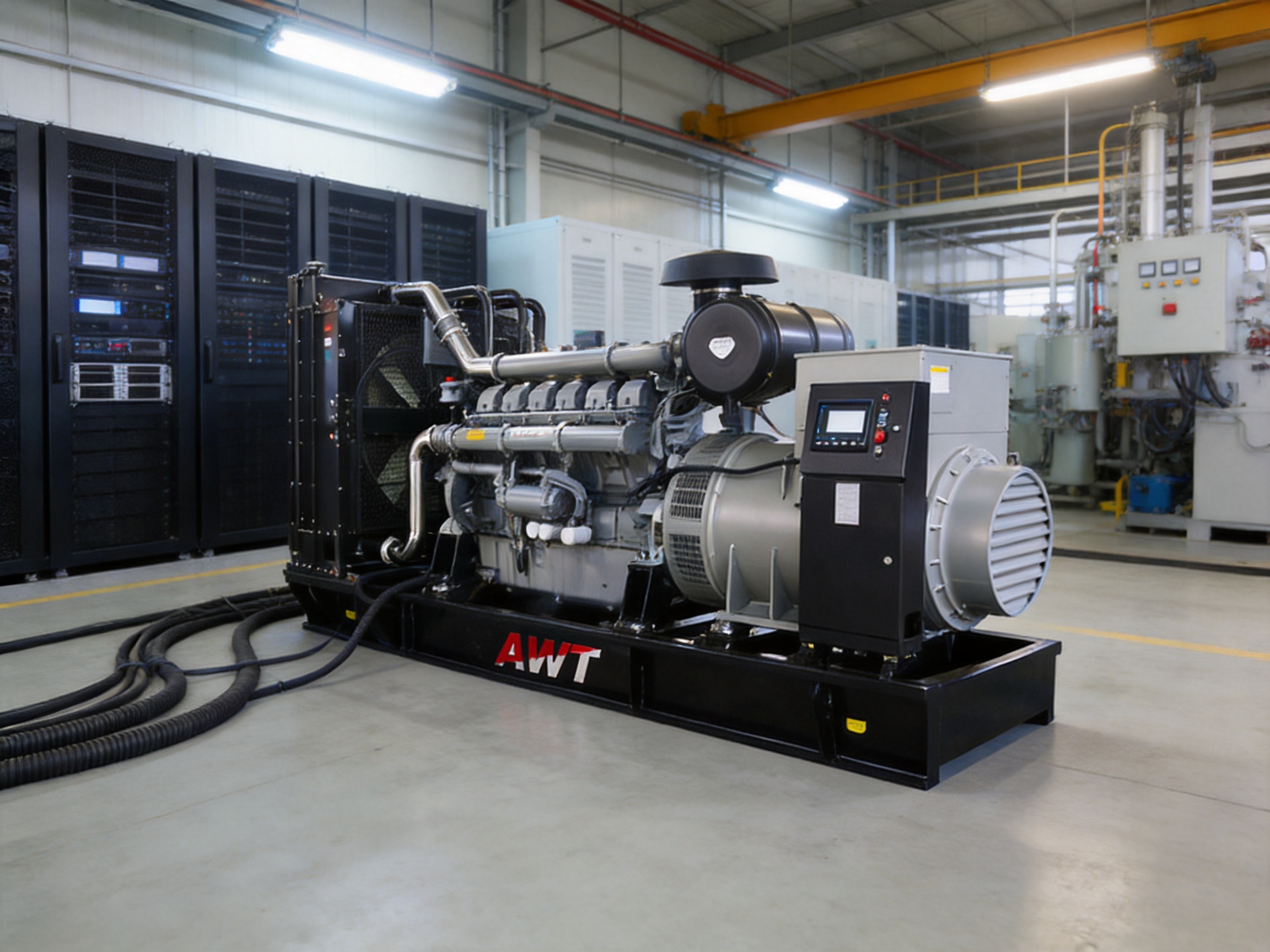
Standby, Prime, and Continuous Power Selection
Standby Power
Standby generator sets operate when the primary utility supply fails. They are commonly used in commercial buildings, hospitals, offices, data centers, schools, and residential developments. Standby systems may operate for short or extended periods during an outage, but the expected duty cycle is generally different from that of a prime-power installation.
When selecting a standby generator, the customer should identify essential loads, automatic transfer requirements, starting sequence, expected outage duration, fuel storage, and testing frequency. The generator should not be selected solely by adding the running wattage of connected equipment. Starting currents, future loads, and required reserve capacity should also be considered.
Prime Power
Prime-power generator sets serve as the main power source where utility power is unavailable, unreliable, or not economically practical. They may operate for variable durations and under changing load conditions. Construction sites, remote facilities, mines, agricultural projects, and temporary power installations often use prime-power systems.
Prime applications require careful attention to load management and maintenance intervals. The generator should be operated within the appropriate rating and should not be subjected to prolonged conditions outside its design parameters. Load banks or supplementary loads may be required in some installations to maintain suitable operating conditions.
Continuous Power
Continuous-power generator sets operate for long periods at a stable load. They may be used in isolated power systems, industrial processes, remote communities, or facilities with a consistent energy demand. These applications require disciplined maintenance, dependable cooling, reliable fuel supply, and suitable engine loading.
Continuous operation also makes fuel economy particularly significant. A small improvement in fuel consumption can produce substantial savings over thousands of operating hours. Proper ventilation, lubrication, filtration, and scheduled inspection are essential for preserving long-term performance.
Installation and Maintenance Recommendations
Before installation, the project team should confirm the generator rating, voltage, frequency, phase arrangement, operating mode, load profile, transfer equipment, and site conditions. The foundation should support the total equipment weight and minimize vibration. Adequate clearance should be provided for inspection, filter replacement, belt service, battery access, and major repairs.
Ventilation must provide enough fresh air for combustion and remove heat from the engine room. The air path should be designed to avoid recirculation of hot air. Radiator discharge should not be directed toward the engine intake or another generator’s intake. In hot climates, the ventilation design may need additional capacity.
Electrical installation should include correctly sized cables, suitable circuit protection, grounding, neutral arrangements, emergency-stop circuits, and coordination with the building distribution system. Automatic transfer equipment must be compatible with the generator controller and the facility’s operating sequence.
Fuel systems should be kept clean and inspected for leaks, water contamination, and blocked filters. Fuel should be stored and handled according to applicable safety requirements. Batteries should be maintained at the correct charge level, and terminals should be clean and secure. Coolant concentration, oil level, air filters, exhaust connections, and belts should be checked according to the maintenance schedule.
Routine testing is necessary even when the utility supply is stable. Automatic-start tests, visual inspections, battery checks, alarm tests, and periodic load operation can reveal problems before an actual emergency occurs. Critical facilities may require formal maintenance contracts, regular load-bank testing, and documented test records.
How to Choose the Correct Configuration
The first step is to calculate the actual electrical load. List all equipment, identify running power, determine motor-starting requirements, and separate essential from nonessential loads. Consider future expansion and avoid selecting a generator that is too small for the highest expected demand.
The second step is to define the operating mode. A facility that only requires backup during utility outages may need a standby unit. A remote site without reliable utility power may require prime or continuous power. The selected rating must match the intended duty cycle.
The third step is to evaluate the site. Important factors include ambient temperature, altitude, humidity, dust, salt exposure, available space, indoor or outdoor location, transportation access, noise restrictions, and exhaust-discharge limitations.
The fourth step is to select control and integration features. Automatic mains failure, remote monitoring, synchronization, parallel operation, load sharing, emergency shutdown, and communication interfaces may be necessary depending on the project.
The final step is to evaluate the supplier. Customers should consider engine authenticity, alternator quality, manufacturing capability, testing procedures, documentation, installation support, spare parts, warranty terms, and after-sales service. A generator is a long-term infrastructure investment, so supplier reliability is as important as the initial technical specification.
| Selection Question | Why It Matters | Recommended Consideration |
| What is the maximum connected load? | Determines the minimum generator capacity | Include running load, starting current, future expansion, and reserve margin |
| How will the generator be used? | Defines the correct rating and maintenance plan | Select standby, prime, or continuous operation according to actual duty |
| Where will it be installed? | Influences cooling, enclosure, noise, and corrosion protection | Assess temperature, altitude, dust, humidity, salt, and available space |
| How quickly must power be restored? | Determines automatic-start and transfer requirements | Consider automatic mains failure, transfer delay, and load sequence |
| Are multiple units required? | Supports redundancy, expansion, and maintenance continuity | Evaluate synchronization, load sharing, and parallel operation |
| What support is available? | Affects lifecycle reliability and downtime | Confirm commissioning, training, spare parts, service, and documentation |
Customer Value and Lifecycle Benefits
The value of a generator set should be measured over its complete lifecycle rather than by purchase price alone. Efficient fuel use can reduce operating expense. Reliable starting can reduce the risk of downtime. Intelligent monitoring can help detect faults early. Accessible components can shorten maintenance time. A supported engine platform can simplify service and spare-parts planning.
The generator’s environmental impact also matters. Efficient operation reduces fuel consumption and associated emissions for a given amount of delivered power. Correct sizing prevents unnecessary fuel use caused by chronic low-load operation. Proper maintenance helps preserve combustion efficiency and prevents avoidable smoke, noise, and performance deterioration.
For businesses, reliable backup power protects revenue, equipment, customer service, and reputation. For public facilities, it protects safety and continuity of essential services. For remote projects, it supports productivity and reduces the cost of interruptions. These benefits can exceed the initial equipment cost many times over the generator’s service life.
Frequently Asked Questions
What power range is available?
The Perkins Powered Diesel Generator Sets described in this product series cover a power range from 8 kW to 3,400 kW. The appropriate model depends on the required load, operating mode, voltage, frequency, environmental conditions, and installation design.
Are these generator sets suitable for standby and prime power?
Yes. The series can be configured for standby, prime, and continuous power operation. The rating and configuration should be selected according to the expected operating hours, load pattern, and duty cycle.
What type of engine is used?
The generator sets use original Perkins diesel engines. The engines are selected for professional power-generation applications and are matched with the alternator and control system to create a coordinated power package.
What is the benefit of a brushless synchronous alternator?
A brushless synchronous alternator supports stable electrical output while reducing the maintenance associated with certain brush-based components. It must still be correctly sized, protected, and maintained as part of the complete generator system.
Can the generator set be used outdoors?
Yes, outdoor configurations can be supplied with suitable weatherproof or sound-attenuated enclosures. Outdoor installation still requires proper attention to foundation, ventilation, exhaust discharge, fuel storage, electrical protection, drainage, and maintenance access.
Can the generator sets operate in difficult environments?
They can be configured for different environmental conditions, including hot, cold, humid, dusty, coastal, remote, and outdoor locations. The final configuration should consider altitude, ambient temperature, air quality, corrosion risk, cooling requirements, and local operating conditions.
Can multiple generator sets operate in parallel?
Multiple units may be configured for synchronized operation, load sharing, redundancy, or capacity expansion when the project requires it. Parallel operation requires compatible controllers, protection systems, switchgear, communication, and a properly engineered distribution system.
What applications are suitable for these generator sets?
Typical applications include hospitals, data centers, commercial buildings, industrial plants, telecommunication stations, mines, marine and offshore projects, construction sites, remote facilities, and emergency rescue operations.
How should the generator be sized?
Sizing should consider running load, motor-starting current, transient response, future expansion, power factor, harmonics, operating mode, and required reserve capacity. A professional supplier should review the load list and application before confirming the model.
What control functions may be available?
Depending on the selected configuration, the control system may provide automatic starting and stopping, automatic mains failure operation, operating-data display, alarm records, emergency shutdown, remote monitoring, synchronization, and load-sharing functions.
Why is professional installation important?
Installation affects cooling, vibration, exhaust safety, electrical stability, fuel reliability, noise, and maintenance access. Correct installation helps the generator deliver the performance for which it was designed and reduces the risk of premature failure.
What support does Yangzhou Aiweite provide?
Yangzhou Aiweite provides diesel generator manufacturing and installation services, along with project-oriented technical support. The company focuses on stable, durable, efficient, and environmentally responsible power solutions and supports customers before, during, and after each project.
Conclusion
Perkins Powered Diesel Generator Sets provide a dependable solution for organizations that require stable power under normal, emergency, remote, or demanding operating conditions. Their principal strengths include original Perkins diesel engines, high-quality brushless synchronous alternators, intelligent control systems, a broad power range, efficient fuel use, low noise potential, high reliability, and adaptability to different environments.
The product’s value is strengthened by the manufacturing and engineering capabilities of Yangzhou Aiweite Electromechanical Co., Ltd. Since 2008, the company has focused on diesel generator manufacture and installation, supported by advanced equipment, quality management, project customization, and customer service. Its ability to integrate engines, alternators, controls, enclosures, fuel systems, exhaust systems, and installation requirements enables customers to receive a more complete power solution.
For the best result, generator selection should begin with a detailed evaluation of load requirements, operating mode, site conditions, noise limits, environmental factors, maintenance access, and future expansion. When the equipment is correctly selected, professionally installed, regularly tested, and properly maintained, these generator sets can provide durable and efficient power for critical facilities, industrial projects, infrastructure systems, and emergency applications.
References
ISO 8528, Reciprocating Internal Combustion Engine Driven Alternating Current Generating Sets.
GB/T 2820, Reciprocating Internal Combustion Engine Driven Alternating Current Generating Sets.
Perkins Industrial Power Generation Engine Technical Documentation.
Diesel Generator Set Application and Installation Engineering Practices.
Electrical Power System Protection and Generator Integration Principles.
Industrial Engine Maintenance and Preventive Service Guidelines.
Yangzhou Aiweite Electromechanical Co., Ltd. Product and Company Information.