English
 Français
 Español
Silent Type Diesel Generator Sets: Low-Noise, All-Weather Power for Demanding Applications
Nov 25, 2026
Content
- 1 What Is a Silent Type Diesel Generator Set?
- 2 Main Advantages Over Conventional Open-Type Units
- 3 Acoustic Engineering of the Enclosure
- 4 Power, Engine and Electrical Configuration
- 5 Controls, Automation and System Integration
- 6 Manufacturing Process and Quality Strengths
- 7 Application Scenarios
- 8 Installation Requirements and Maintenance Access
- 9 Limitations and How to Manage Them
- 10 Why Factory Configuration Matters
- 11 Selection Guide for Buyers
- 12 Frequently Asked Questions
- 12.1 What noise level can a silent diesel generator achieve?
- 12.2 Are silent generators suitable for outdoor installation?
- 12.3 What power range is available?
- 12.4 Which engine brands can be used?
- 12.5 Can the generator work with an automatic transfer switch?
- 12.6 Is remote monitoring available?
- 12.7 Can several silent generators operate in parallel?
- 12.8 How often should an enclosed generator be maintained?
- 12.9 Does the canopy make maintenance difficult?
- 12.10 Can the generator be customized for OEM or ODM projects?
- 13 Conclusion
- 14 References
- 15 Product: Silent Type Diesel Generator Sets
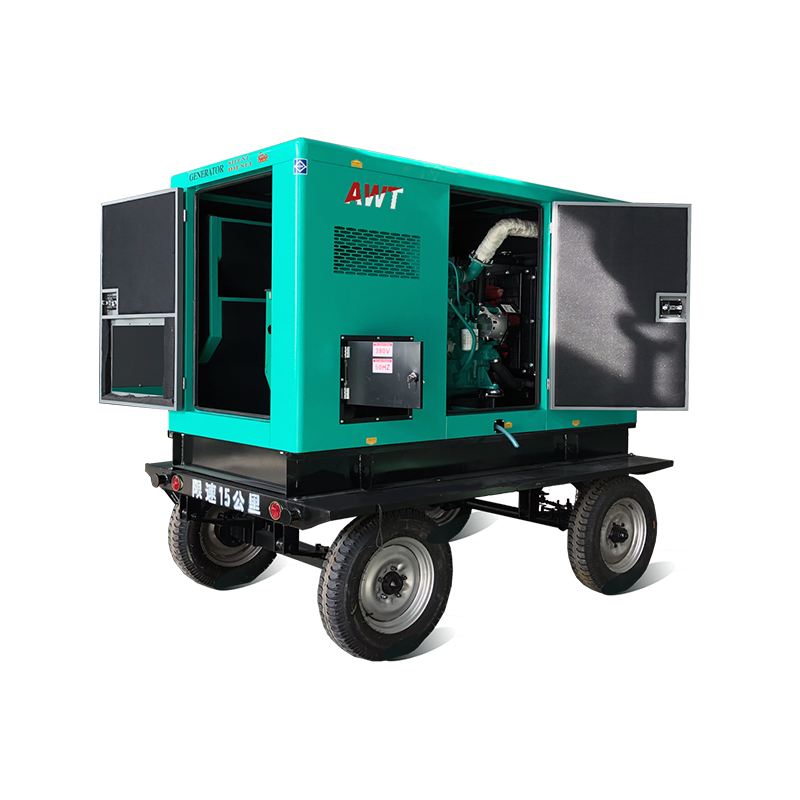
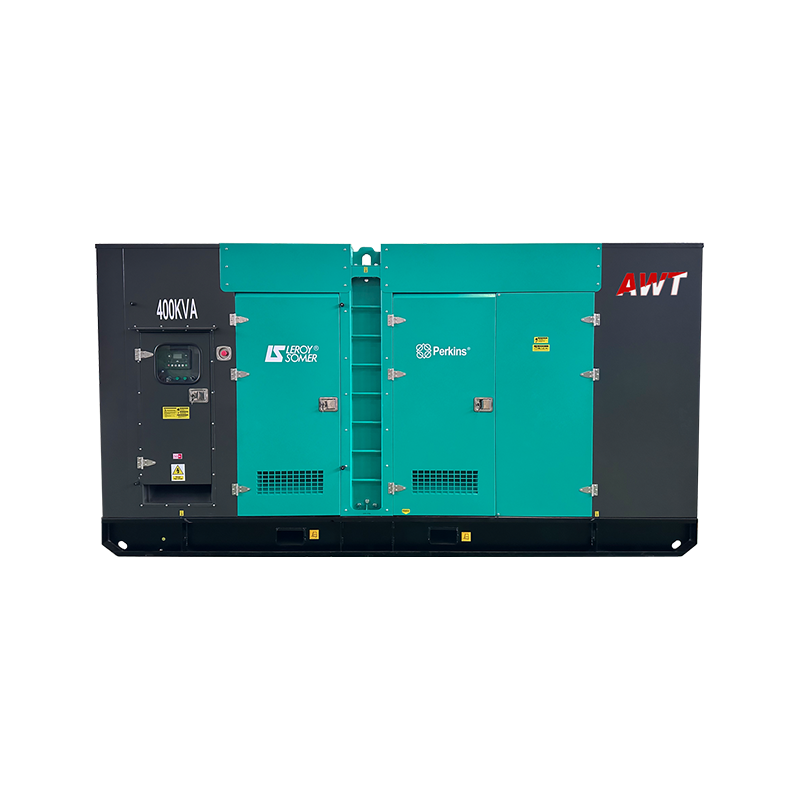
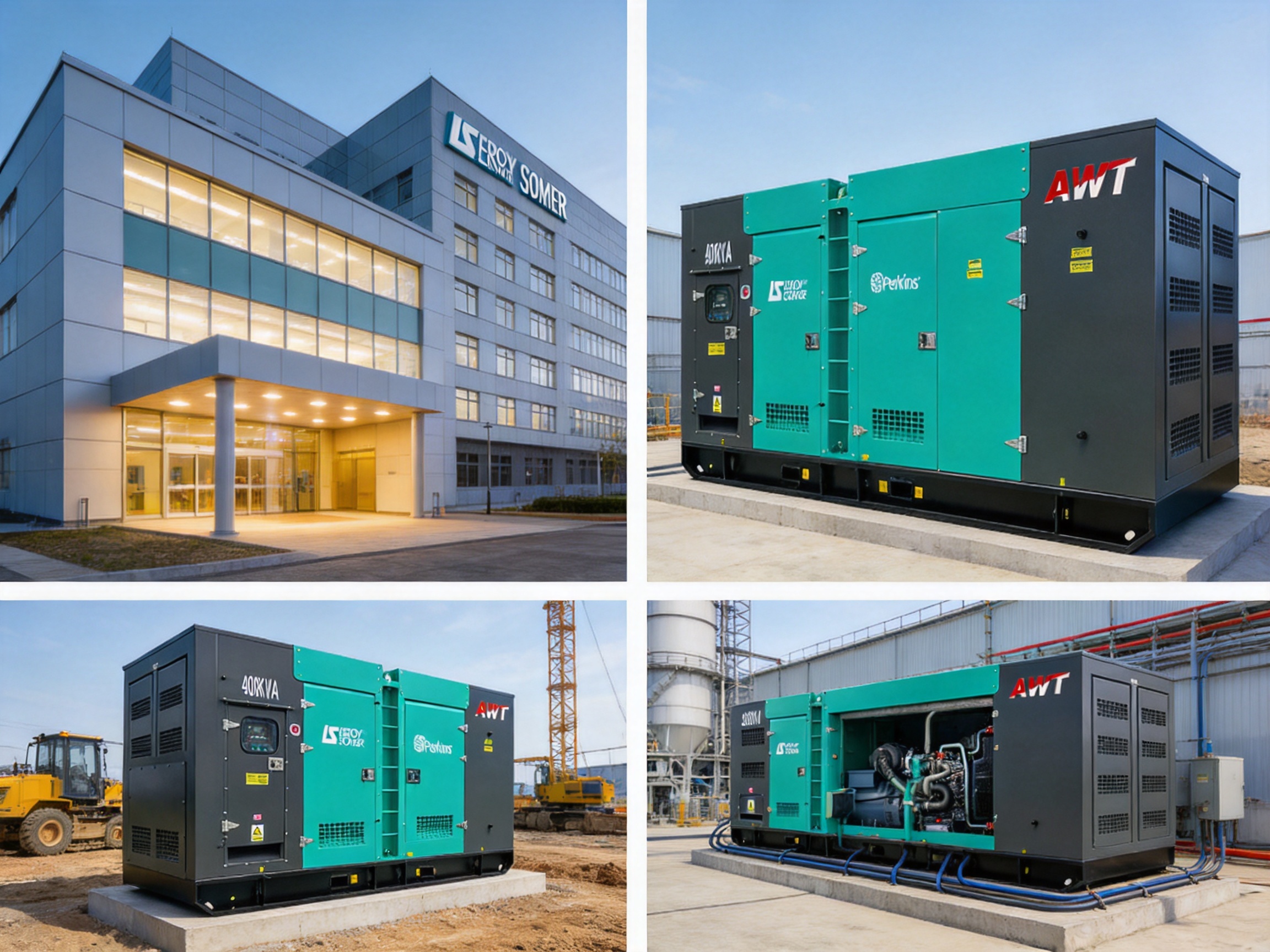
Silent type diesel generator sets are enclosed power-generation systems designed to deliver dependable electricity while controlling operating noise, protecting internal components from weather, and maintaining convenient access to essential controls and service points. Compared with conventional open-type generator sets, silent units combine the engine, alternator, exhaust system, cooling path, control panel and acoustic enclosure into a coordinated package. This integrated design makes them particularly suitable for locations where power reliability, environmental protection and sound control must be considered together.
Modern sites increasingly require backup power without accepting excessive noise, visual disorder or exposure to rain, dust and sunlight. Residential communities, hospitals, hotels, offices, schools, commercial centers, construction sites and public facilities may all require an emergency or prime power source close to occupied areas. A silent diesel generator set addresses these needs through a fully sealed soundproof canopy, built-in muffler, multilayer sound-absorbing materials and carefully designed air intake and exhaust passages.
Yangzhou Aiweite Electromechanical Co., Ltd. manufactures silent type diesel generator sets for applications from 10 kVA to 2,500 kVA. The company also supports generator configurations from 1 kVA to 2,500 kVA across its broader product program. Its enclosed generator sets are developed in accordance with ISO 8528 industrial standards and can be configured with mainstream diesel engine brands, multiple alternator options, automatic transfer systems, remote monitoring and parallel operation controls.
The objective is not simply to place a metal enclosure around an open generator. A high-quality silent generator must balance acoustic performance with heat dissipation, combustion air supply, exhaust discharge, electrical safety, maintenance access and long-term reliability. The design and manufacturing process must therefore treat the canopy and the generator as one engineered system.
Silent Type Diesel Generator Sets
What Is a Silent Type Diesel Generator Set?
A silent type diesel generator set is an enclosed diesel-powered electrical generating unit fitted with a soundproof canopy. The diesel engine converts fuel energy into mechanical power, the alternator converts mechanical power into electricity, and the control system monitors and protects the complete assembly. The canopy surrounds the equipment and incorporates acoustic insulation, air channels, exhaust routing, access doors, lifting points and weather-resistant features.
The term “silent” does not mean that the generator produces no sound. Diesel engines, cooling fans, alternators and exhaust systems naturally create mechanical and combustion noise. Instead, the term describes a generator designed to reduce operating noise to a practical low level. Aiweite’s silent generator range uses multilayer sound absorption and integrated mufflers to achieve noise levels within approximately 75 dB(A) at one meter, depending on the generator rating, canopy configuration, operating load and test conditions.
Noise performance must always be evaluated in relation to the actual installation. A generator positioned beside a residential building may require a different acoustic configuration from a generator installed inside an industrial compound. Wall reflection, exhaust orientation, ventilation openings, ground conditions, load level and measurement location all affect the final sound pressure level. For this reason, the canopy, muffler, air path and site layout should be assessed as part of the same project.
The enclosed structure also improves environmental adaptability. The canopy helps protect the engine, alternator and control equipment from rain, dust, sunlight and accidental contact. This makes the unit suitable for outdoor fixed installations and temporary worksites where constructing a separate shelter would be inconvenient or expensive.
Main Advantages Over Conventional Open-Type Units
Lower Operating Noise
The most visible advantage of a silent generator is reduced sound output. Open-type generator sets expose the engine, alternator and exhaust system directly to the surrounding environment. Although an open set can be installed inside a dedicated machine room, it generally requires additional acoustic treatment to meet noise restrictions.
A silent generator integrates sound control into the product itself. The canopy uses sound-absorbing materials, controlled air openings and an exhaust muffler to reduce engine and fan noise before it reaches the surrounding area. The result is a more suitable power source for communities, hospitals, hotels, offices, schools and commercial properties.
Lower noise also improves the working environment for operators and maintenance personnel. During testing, inspection or extended operation, reduced sound exposure can make communication easier and improve the overall usability of the installation. For standby generators that may start at night, acoustic control is especially important because background noise is lower and nearby occupants are more sensitive to equipment operation.
Improved Protection Against Weather and Dust
Open generator sets require a suitable machine room, roof or temporary shelter when installed outdoors. Without protection, rain, dust, ultraviolet radiation and airborne contaminants can accelerate corrosion, reduce filter life and affect electrical components. A properly manufactured silent canopy provides an additional layer of protection around the complete generating system.
The enclosed design supports outdoor operation in many environments while helping to prevent direct exposure to rainfall and sunlight. Doors, panels and service openings are designed to close around the equipment, and the air intake and discharge routes are arranged to maintain cooling while limiting the entry of unwanted particles.
Weather protection does not eliminate the need for correct installation. Drainage, foundation design, fuel storage, exhaust termination, cable routing and regular inspection remain important. Nevertheless, the integrated canopy can significantly reduce the amount of additional site infrastructure required.
Neater Installation and Better Space Organization
An open generator may require separate acoustic panels, exhaust arrangements, protective fencing and weather coverings. These additions can create a visually complex installation and increase the amount of site coordination required. A silent generator combines many of these functions into one standardized enclosure.
The compact external form is suitable for commercial properties, urban facilities, public buildings and temporary projects where appearance and orderly installation matter. The enclosure also helps identify the location of the generator, protect operators from hot surfaces and restrict unauthorized access to internal components.
Flexible Use in Urban and Public Environments
Noise restrictions are increasingly important in urban development, healthcare, education, hospitality and residential projects. A silent diesel generator can be located closer to the load than an exposed generator, subject to local regulations and proper ventilation. Shorter cable runs may reduce voltage drop and simplify distribution planning.
For public facilities, the generator must provide more than basic electrical output. It should start reliably during a mains failure, accept connected loads without excessive voltage or frequency fluctuation, operate safely for the required duration and return to standby condition after the utility supply is restored. Silent generator sets can be configured with automatic mains failure controls and automatic transfer switches to perform these functions without continuous operator attendance.
Adaptability Across Power Ratings
The silent canopy platform covers a broad output range from 10 kVA to 2,500 kVA. Smaller models can serve villas, retail stores, clinics, offices and small commercial buildings. Medium-capacity models are suitable for hotels, schools, factories, telecom facilities and construction projects. High-capacity units can support hospitals, data-related facilities, industrial plants, infrastructure projects and large commercial sites.
A broad power range allows customers to standardize equipment across multiple locations. The same control philosophy, documentation method and service approach can be used for different generator ratings, while engine and alternator selection can be matched to each individual load profile.
Acoustic Engineering of the Enclosure
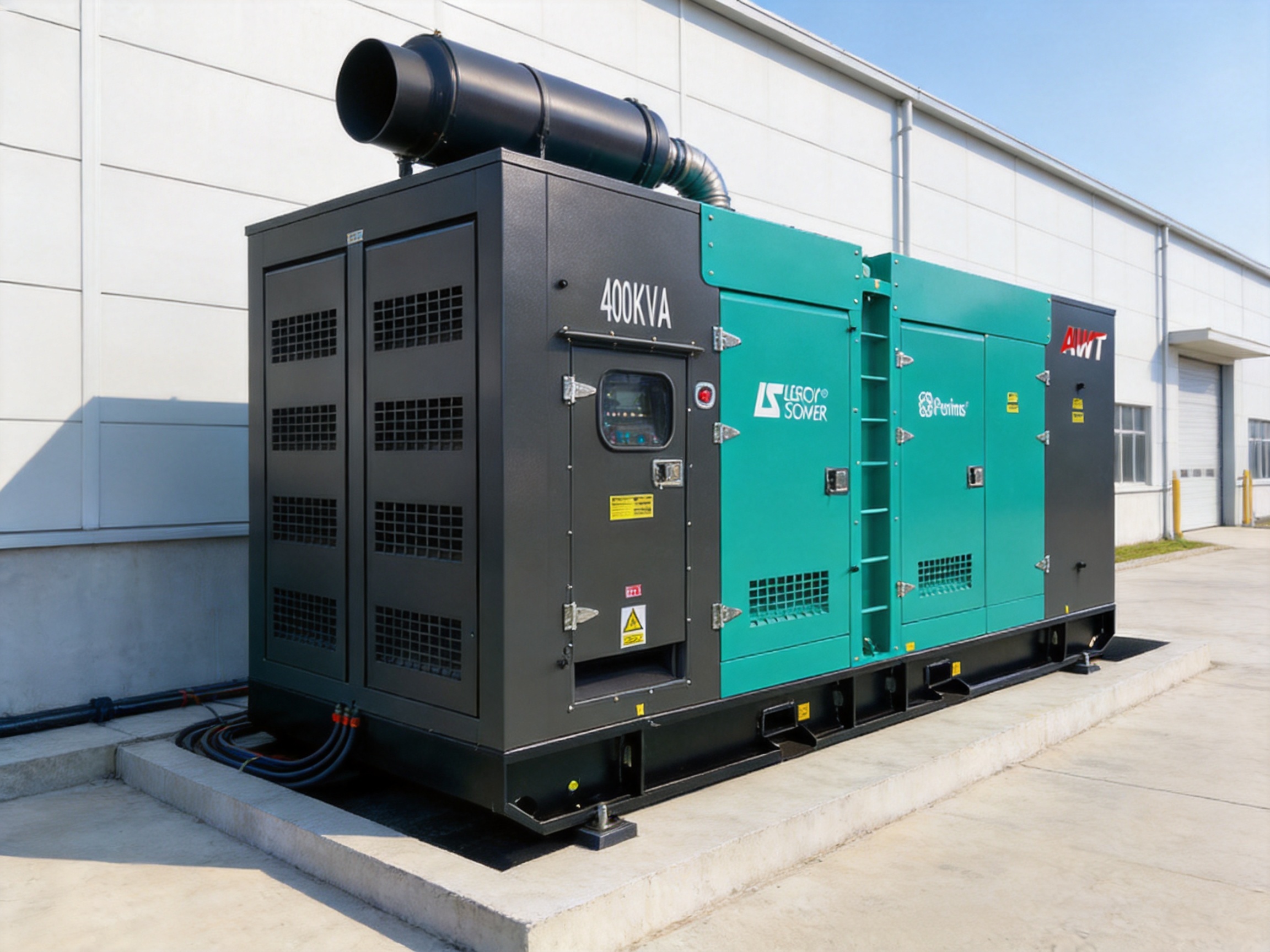
Noise reduction begins with identifying the main sources of sound. In a diesel generator, these include combustion inside the cylinders, mechanical movement of the engine, alternator electromagnetic noise, cooling fan turbulence, vibration transmitted through the base frame and exhaust gas pulsation. A canopy must address these sources without restricting the airflow needed for engine cooling.
Aiweite’s silent generator design uses multiple layers of sound-absorbing material within the canopy. These materials reduce the reflection and transmission of sound through the enclosure panels. The internal layout is arranged to provide separation between noisy equipment and ventilation openings, while the exhaust system is fitted with an appropriate muffler to reduce exhaust noise.
Ventilation openings require particular attention. If an air inlet or outlet is left completely open, sound can travel directly from the engine compartment to the outside. If the opening is made too restrictive, the engine may operate at an elevated temperature. Acoustic louvers, air channels and carefully sized openings help balance these two requirements.
Vibration control is another part of acoustic performance. Engine mounts and the generator base must limit the transmission of mechanical vibration to the foundation. Correct leveling, suitable anti-vibration mounts and proper foundation preparation help prevent secondary noise caused by resonance or loose components.
The final acoustic result depends on the complete system rather than a single material. Canopy thickness, insulation density, muffler selection, fan design, engine speed, load level, installation clearance and surrounding structures all influence noise. Consequently, noise targets should be agreed during the specification stage and verified under defined test conditions.
Power, Engine and Electrical Configuration
Silent diesel generator sets can be configured for standby, prime or continuous power duty. Standby units operate during utility interruptions and are normally selected for emergency applications. Prime-power units operate for extended periods where the utility supply is unavailable or unreliable. Continuous-duty units are selected for stable, long-duration operation at an essentially constant load.
The correct duty rating must be based on the actual operating profile. Important factors include average load, maximum load, motor starting requirements, load step size, power factor, operating hours, altitude, ambient temperature and the required future capacity. Selecting a generator only by the sum of connected loads may result in poor starting performance or inefficient operation.
| Configuration Item | Available or Typical Options | Primary Selection Considerations |
|---|---|---|
| Power output | 10 kVA to 2,500 kVA | Connected load, starting current, duty rating and future expansion |
| Operating mode | Standby, prime or continuous | Expected operating hours, utility reliability and load pattern |
| Engine selection | Mainstream international and domestic engine brands | Fuel economy, service network, spare parts and load response |
| Frequency | 50 Hz or 60 Hz | Local grid standard and connected equipment requirements |
| Voltage | Customer-specified global voltage standards | Distribution system, phase arrangement and site regulations |
| Controller | Deep Sea, SmartGen, ComAp or specified alternatives | AMF, ATS, remote monitoring and parallel control requirements |
| Acoustic package | Standard or enhanced canopy and muffler configurations | Distance to occupied buildings and permitted noise level |
The manufacturer supports engines from brands such as Cummins, Perkins, Volvo, MTU, Weichai, Yuchai, Baudouin, SDEC and Mitsubishi, subject to project requirements and availability. Engine selection should be based on the destination market, local technical support, fuel quality, service intervals and parts logistics rather than brand name alone.
Alternator selection is equally important. The alternator must be compatible with the engine output and control system, provide stable voltage under changing loads and meet the electrical requirements of the installation. For sensitive equipment, the specification may need to address voltage regulation, transient response, harmonic performance and frequency stability.
Controls, Automation and System Integration
A silent generator is often part of an automatic power system rather than an independently operated machine. An automatic mains failure controller detects utility interruption, starts the engine, confirms stable generator output and commands the transfer switch to connect the emergency load. When utility power returns, the system transfers the load back and allows the generator to cool down before stopping.
Deep Sea, SmartGen and ComAp controllers are common control options for the product range. Customer-specified platforms can also be considered when a project requires consistency with an existing fleet or building management system. The controller can display electrical measurements, engine parameters, alarms, operating hours and maintenance information.
Remote monitoring is useful for unmanned facilities and distributed installations. Depending on the selected interface, operators may receive information about generator status, mains availability, fuel level, coolant temperature, oil pressure, battery condition, alarms and running hours. Remote access does not replace physical maintenance, but it helps maintenance teams identify problems sooner and plan service visits more efficiently.
Parallel operation can be used when a single generator is not sufficient or when redundancy is required. Multiple units can share load under a coordinated control system, allowing capacity to increase as demand grows. Parallel systems require careful consideration of synchronization, protection settings, load sharing, busbar design, cable sizing and operating procedures.
Manufacturing Process and Quality Strengths
Engineering Before Assembly
Reliable production begins with engineering review. Before assembly, the manufacturer confirms the required power, engine, alternator, voltage, frequency, control system, canopy dimensions and application conditions. The air intake, hot-air discharge, exhaust route and service access are reviewed together to prevent conflicts after production.
This approach is especially important for silent units because the enclosure affects cooling, maintenance and noise. A canopy designed without reference to the engine’s heat output or fan airflow can cause overheating. A canopy designed without service access can increase maintenance time. An enclosure designed without acoustic consideration may provide weather protection but fail to meet the customer’s noise expectations.
Component Inspection
Incoming inspection is applied to key components before they enter production. Engine identification, alternator specifications, control panels, electrical components, structural materials, insulation materials, exhaust parts and fasteners are checked against the approved configuration.
Verification at this stage helps prevent mismatched components from reaching final assembly. It also supports traceability and ensures that the delivered generator corresponds to the agreed technical specification. For projects with specific inspection requirements, documentation can be prepared to support customer review and acceptance.
Canopy Fabrication
The canopy is fabricated to provide structural strength, service access, acoustic performance and weather resistance. Panels and doors must be accurately fitted so that gaps do not reduce sound control or permit unnecessary water and dust entry. Hinges, locks, lifting points and ventilation components must be positioned for safe and practical use.
Internal sound-absorbing materials are installed according to the acoustic design. Their placement must not obstruct maintenance points, air passages, electrical wiring or hot surfaces. The muffler and exhaust components are routed to limit heat transfer to the enclosure while maintaining suitable exhaust back pressure.
Mechanical and Electrical Assembly
The engine, alternator and base frame are assembled with attention to alignment, mounting stability and vibration control. Fuel lines, cooling connections, exhaust components and battery systems are installed in accordance with the selected configuration. The control panel is wired and tested to confirm correct connections between sensors, engine controls, protection devices and output terminals.
Electrical assembly includes output breaker installation, emergency stop functions, grounding provisions, control wiring and interface terminals. Where ATS, remote monitoring or parallel operation is specified, the relevant signals and communication connections are incorporated before testing.
Process Verification and Testing
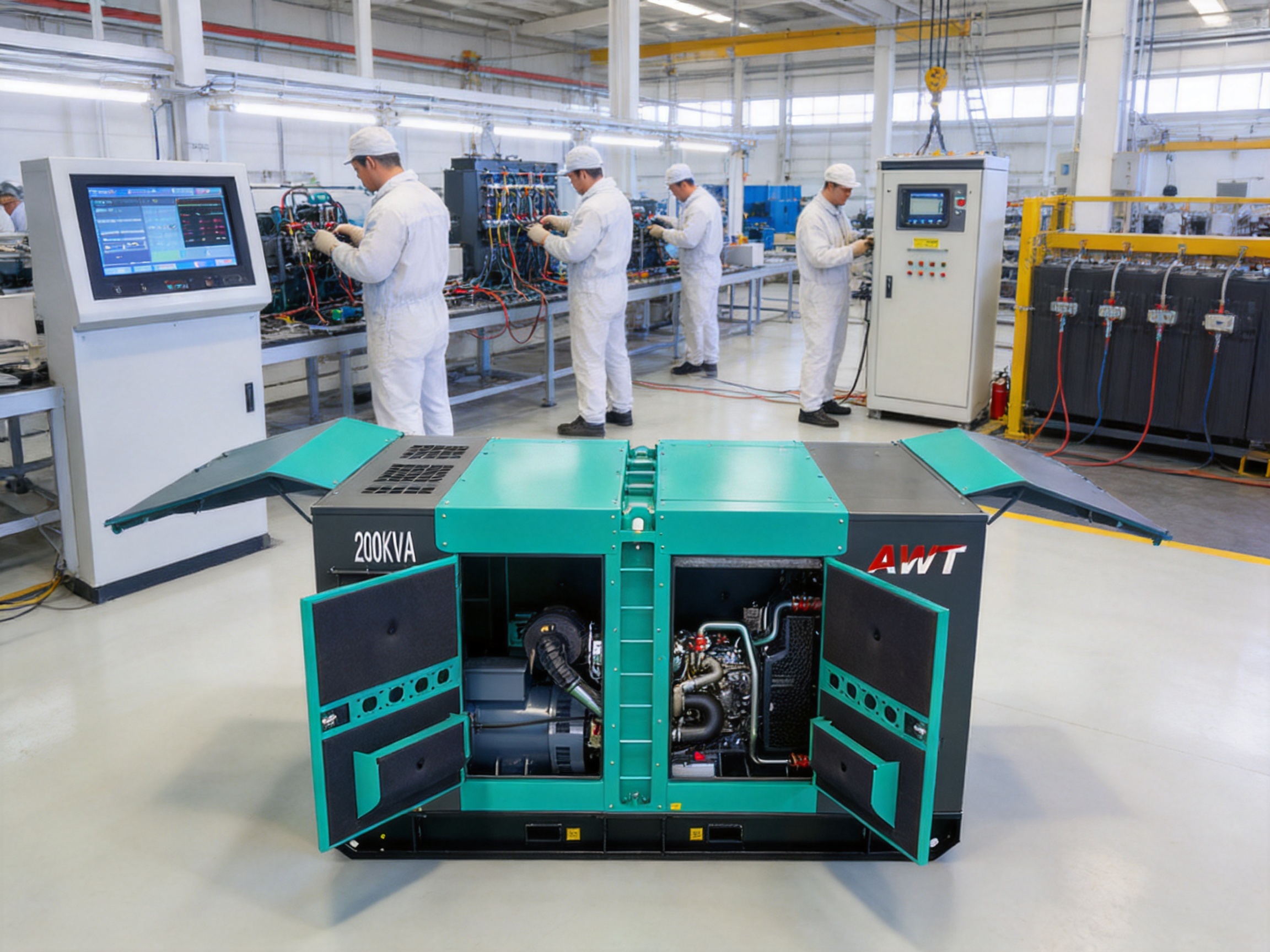
Quality control continues throughout assembly rather than being limited to a final visual inspection. Mechanical fitting, electrical safety, wiring accuracy, fastener condition, panel alignment, door operation and component identification are checked during production.
Before shipment, each generator can undergo load testing from 0% to 110% of rated capacity, step-load response testing, continuous operation endurance testing, voltage and frequency stability checks and emergency protection verification. These tests help confirm that the engine and alternator perform correctly under realistic operating conditions.
Testing also provides an opportunity to verify alarms and shutdown functions. Low oil pressure, high coolant temperature, overspeed, emergency stop, overcurrent and other protection functions must respond correctly. The control system should display the relevant fault information and place the generator in a safe condition when required.
Yangzhou Aiweite Electromechanical Co., Ltd. maintains ISO 9001 quality management and ISO 14001 environmental management certifications, while its generator sets are manufactured in accordance with ISO 8528 industrial standards. These systems support consistent production, environmental responsibility, documentation control and continual improvement.
Application Scenarios
Residential Communities and Villas
Residential areas need backup power that does not create excessive disturbance. Silent generator sets are suitable for apartment communities, villas, residential compounds and property management facilities. The enclosure helps control noise during routine testing and emergency operation, while the weatherproof structure supports outdoor installation where a dedicated generator room is unavailable.
For residential projects, the exhaust outlet should be directed away from windows, balconies and air intake points. The generator should also be positioned so that hot air discharge does not return into the canopy or affect nearby pedestrians. Noise measurement should be based on the nearest occupied building rather than only the distance from the generator.
Hotels, Offices and Commercial Buildings
Hotels, shopping centers, offices and business parks depend on continuous operation and a quiet customer environment. A silent unit can be installed in a service yard, plant area or designated outdoor station while keeping the visual and acoustic impact under control.
Commercial applications often require automatic transfer, remote alarm reporting and scheduled testing. The generator may supply emergency lighting, elevators, fire pumps, security systems, communication equipment, refrigeration, server rooms or selected tenant loads. Load priority and starting sequence should be defined before the generator is selected.
Hospitals and Medical Facilities
Medical facilities place strict demands on standby power. Essential services may include operating rooms, intensive care areas, medical equipment, emergency lighting, ventilation systems, elevators and communication networks. The generator must start reliably, accept changing loads and maintain stable electrical parameters.
Low noise is also beneficial in hospitals because patients, medical staff and visitors may be affected by equipment operation. Acoustic performance should be assessed together with ventilation, fire safety, fuel storage and emergency operating procedures. For critical healthcare projects, the generator package may require additional redundancy, testing and documentation.
Schools, Libraries and Government Facilities
Schools, libraries and government buildings often operate in areas with strict environmental expectations. A silent enclosure helps reduce disruption to classrooms, offices, meetings and public services. The generator can support emergency lighting, information systems, security equipment, heating or cooling controls and other priority loads.
Construction and Municipal Projects
Urban construction, road renovation and temporary infrastructure projects frequently need portable or semi-permanent power. A silent generator can provide electricity for tools, lighting, pumps, site offices and temporary facilities while helping the project comply with local noise requirements.
Because the canopy offers weather protection, temporary sites may not need a separate generator shelter. However, the unit must still be placed on a stable and level surface with appropriate clearance for air discharge, fueling, maintenance and emergency access. Trailer-type or container-type products may be more suitable where frequent movement or very high capacity is required.
Industrial and Infrastructure Applications
Factories, warehouses, telecommunication sites and infrastructure facilities may use silent generators as emergency, prime or continuous power sources. In these applications, the product can be integrated with automatic transfer panels, distribution boards, remote monitoring systems and multiple-generator configurations.
Industrial loads may include motors, pumps, compressors, welding equipment and variable-speed drives. Their starting characteristics can be more demanding than those of lighting or office equipment. The generator should therefore be selected using a detailed load schedule and, where necessary, a defined load-sequencing strategy.
Installation Requirements and Maintenance Access
A silent generator requires a properly prepared foundation. The surface should be level, strong enough for the operating weight and capable of limiting vibration. The foundation design should account for fuel systems, cable trenches, drainage, exhaust support and access around the canopy.
Clearance is essential even when the generator is enclosed. Air intake and hot-air discharge must remain unobstructed. If the discharged hot air is drawn back into the intake, engine and alternator temperatures may rise. The installation should also prevent exhaust gases from entering buildings, air-conditioning systems or occupied areas.
Fuel supply must be planned according to operating duration and local safety regulations. Fuel tanks, supply lines, filtration, ventilation and spill protection should be coordinated with the generator package. Electrical cables must be sized for the rated current and installed with proper protection, grounding and separation from hot exhaust components.
The enclosed canopy provides service doors for inspection and maintenance. However, maintenance access is generally less open than on a conventional open-type generator. The installation should therefore leave adequate working space on the service side and around the control panel. Operators need clear access to oil filters, fuel filters, air filters, batteries, coolant connections and circuit breakers.
Routine maintenance normally includes checking engine oil, coolant level, battery condition, belts, hoses, fuel quality, air filters, exhaust components, electrical terminals and alarm history. The generator should be started and tested periodically, even when no utility failure has occurred. Scheduled load testing is valuable because a generator that starts without load may not perform correctly when the full emergency load is connected.
Limitations and How to Manage Them
Silent generator sets provide significant benefits, but they also involve certain trade-offs. The canopy, acoustic materials, muffler and additional fabrication increase the initial cost compared with a basic open-type generator. The final price also depends on engine brand, alternator, controller, power rating, fuel tank, transport requirements and optional monitoring functions.
The enclosed structure can make maintenance access less immediate. Doors and panels must be opened before technicians can inspect internal components. This limitation can be managed by selecting a canopy with well-positioned access doors, maintaining a clear service area and following a preventive maintenance schedule.
A silent generator can occupy more floor area than an open unit of the same rating. The enclosure adds width, length and height, while ventilation clearances must also be considered. Early layout planning is therefore important, especially in urban sites or compact plant rooms.
Acoustic performance can also be affected by the surrounding environment. Hard walls may reflect sound, nearby buildings may amplify certain frequencies and improper exhaust placement may transmit noise toward sensitive areas. A project-specific acoustic review is recommended when the generator is close to residential buildings, hospitals or other noise-sensitive receptors.
Why Factory Configuration Matters
Factory-built configuration offers important advantages over assembling unrelated components at the installation site. The engine, alternator, canopy, controller, muffler and wiring can be tested together before delivery. This reduces the risk of compatibility problems and shortens commissioning time.
Factory assembly also supports more consistent quality. Canopy dimensions, acoustic insulation, cable routing, panel labeling and control logic can be standardized across multiple units. For fleet operators, this consistency makes training, spare-parts management and maintenance planning easier.
Aiweite completes assembly, wiring and load testing at its Yangzhou facility before shipment. The company also provides installation guidance, technical troubleshooting support and genuine replacement parts, including engine components, alternator parts, electrical and control components, filters and consumables.
For OEM and ODM projects, the factory can customize the power rating, engine brand, voltage, frequency, controller, acoustic design, operating mode, external appearance and documentation package. This allows distributors, contractors and equipment brands to specify a generator that matches their own market and project requirements.
Selection Guide for Buyers
The first step is to define the load. Buyers should identify the total running power, the largest motor or transformer, starting method, power factor, expected load growth and required operating mode. If the generator will power variable loads, the maximum step change should be considered rather than only the average demand.
The electrical interface should then be confirmed. Required information includes voltage, frequency, number of phases, neutral arrangement, short-circuit requirements, transfer method, remote monitoring protocol and whether parallel operation is needed.
Site conditions are equally important. The buyer should provide the installation location, indoor or outdoor status, ambient temperature, altitude, footprint, access route, noise limit, fuel arrangement and distance to occupied buildings. These details influence engine selection, cooling design, canopy dimensions and acoustic configuration.
Engine choice should be based on the local service network and total ownership cost. A familiar engine brand with available parts and trained technicians may be more valuable than a lower initial purchase price. Fuel consumption, service intervals, warranty conditions and expected operating hours should all be reviewed.
Finally, the project should define documentation and acceptance requirements. These may include factory test reports, wiring diagrams, operation manuals, spare-parts lists, inspection records, certificates, packaging requirements and delivery terms. Clear requirements reduce misunderstandings and simplify final acceptance.
Frequently Asked Questions
What noise level can a silent diesel generator achieve?
Aiweite’s silent generator sets use multilayer sound absorption and integrated mufflers to control operating noise to approximately 75 dB(A) or below at one meter under specified conditions. The final result depends on power rating, engine speed, canopy design, operating load, measurement method and the surrounding environment. A project-specific target should be confirmed before production.
Are silent generators suitable for outdoor installation?
Yes. The fully enclosed canopy provides dustproof, rainproof and sun-resistant protection for outdoor use. The generator still requires a stable foundation, proper drainage, adequate clearance and correctly designed exhaust and airflow paths.
What power range is available?
The silent type range covers approximately 10 kVA to 2,500 kVA. Smaller and larger configurations may be available within the company’s broader generator program. The correct rating depends on the load profile, starting requirements, duty mode and site conditions.
Which engine brands can be used?
The platform is compatible with mainstream engine brands, including Cummins, Perkins, Volvo, MTU, Weichai, Yuchai, Baudouin, SDEC and Mitsubishi, subject to the project configuration. Engine selection should consider service coverage, spare-parts availability, fuel economy and the required operating duty.
Can the generator work with an automatic transfer switch?
Yes. Automatic mains failure and automatic transfer functions can be integrated into the control system. The generator can detect a utility interruption, start automatically, stabilize its output and transfer the selected load when the system is configured correctly.
Is remote monitoring available?
Remote monitoring can be included according to the selected controller and communication requirements. Typical monitored information includes generator status, voltage, frequency, engine parameters, alarms, running hours and mains availability.
Can several silent generators operate in parallel?
Yes. Multi-unit parallel operation is available for capacity expansion, load sharing and redundancy. The system requires compatible controllers, synchronization equipment, suitable protection settings, correctly designed busbars and an engineered operating sequence.
How often should an enclosed generator be maintained?
Maintenance intervals depend on the engine, operating hours, fuel quality and duty mode. Regular inspections should include oil, coolant, filters, batteries, belts, hoses, terminals, exhaust components and alarm history. The generator should also be started and periodically tested under load according to the operating plan.
Does the canopy make maintenance difficult?
The canopy requires doors or panels to be opened for inspection and servicing, so access is less immediate than on an open-type generator. Properly positioned service doors and adequate installation clearance make routine maintenance practical. The additional protection and noise control generally outweigh this limitation in sensitive environments.
Can the generator be customized for OEM or ODM projects?
Yes. The manufacturer supports customization of power rating, engine, alternator, voltage, frequency, controller, acoustic treatment, external appearance, operating mode and project documentation. OEM and ODM production can be organized around the customer’s technical specification and target market.
Conclusion
Silent type diesel generator sets provide a practical solution when reliable power must coexist with low noise, weather resistance and professional installation appearance. Their value comes from the integration of several functions: acoustic insulation, exhaust silencing, environmental protection, cooling, automatic control and serviceability.
Compared with conventional open-type units, silent generators are better suited to residential, commercial, medical, public and temporary urban applications where noise and weather exposure are important concerns. Their broad 10 kVA to 2,500 kVA range, compatibility with mainstream engine brands and support for ATS, remote monitoring and parallel operation allow them to serve both small facilities and large infrastructure projects.
The performance of an enclosed generator depends on more than its external canopy. Engineering review, component inspection, accurate assembly, correct airflow design, electrical testing, load testing and final documentation all contribute to dependable operation. A manufacturer with an established factory process can provide better configuration control and more consistent results than an installation assembled from unrelated components.
With ISO 8528-oriented production, ISO 9001 and ISO 14001 management certifications, factory load testing, OEM and ODM capability, technical support and genuine replacement parts, Yangzhou Aiweite Electromechanical Co., Ltd. offers a complete manufacturing approach for customers seeking quiet, durable and adaptable diesel power systems.
References
ISO 8528, Reciprocating Internal Combustion Engine Driven Alternating Current Generating Sets.
ISO 9001, Quality Management Systems — Requirements.
ISO 14001, Environmental Management Systems — Requirements with Guidance for Use.
International Electrotechnical Commission standards relating to low-voltage generator assemblies and electrical safety.
Manufacturer technical data for silent type diesel generator sets, enclosed canopy systems and control configurations.
Manufacturer quality-control procedures for generator assembly, electrical testing, load testing and acceptance inspection.