English
 Français
 Español
High-Performance Diesel Generator Sets for Reliable Industrial and Critical Power
Oct 30, 2026
Content
- 1 Introduction
- 2 What Makes a Modern Diesel Generator Set Competitive?
- 3 Genuine Volvo Penta Industrial Diesel Engines
- 4 High-Quality Full-Copper Brushless Alternators
- 5 Intelligent Control and Power Management
- 6 Configurations for Different Installation Environments
- 7 Power Range and Application Selection
- 8 Representative Model Specifications
- 9 Advanced Manufacturing and Integration Process
- 10 Quality Management and Standards
- 11 Environmental Adaptability
- 12 Noise, Vibration and Operator Comfort
- 13 Installation and Commissioning
- 14 Maintenance and After-Sales Support
- 15 How to Specify the Correct Volvo-Powered Generator Set
- 16 Applications Across Critical Industries
- 17 Frequently Asked Questions
- 17.1 What power range is available?
- 17.2 Are the engines genuine Volvo Penta engines?
- 17.3 Can the generator operate in very cold weather?
- 17.4 What is the difference between prime and standby power?
- 17.5 Can the genset be supplied with an automatic transfer switch?
- 17.6 Can several units operate in parallel?
- 17.7 Are silent and containerized versions available?
- 17.8 Can the generator be monitored remotely?
- 17.9 What tests are completed before shipment?
- 17.10 What information is needed for a quotation?
- 17.11 Does the company provide spare parts and technical support?
- 18 Conclusion
- 19 References
- 20 Product: Volvo Powered Diesel Generator Sets
Introduction
Reliable electricity is essential for modern infrastructure. Hospitals, data centers, factories, commercial buildings, municipal facilities and remote industrial sites all require dependable power, whether as emergency backup, prime power or continuous-duty generation. When grid power is unstable or unavailable, a diesel generator set must start quickly, accept changing loads, maintain stable voltage and frequency, and continue operating under demanding environmental conditions.
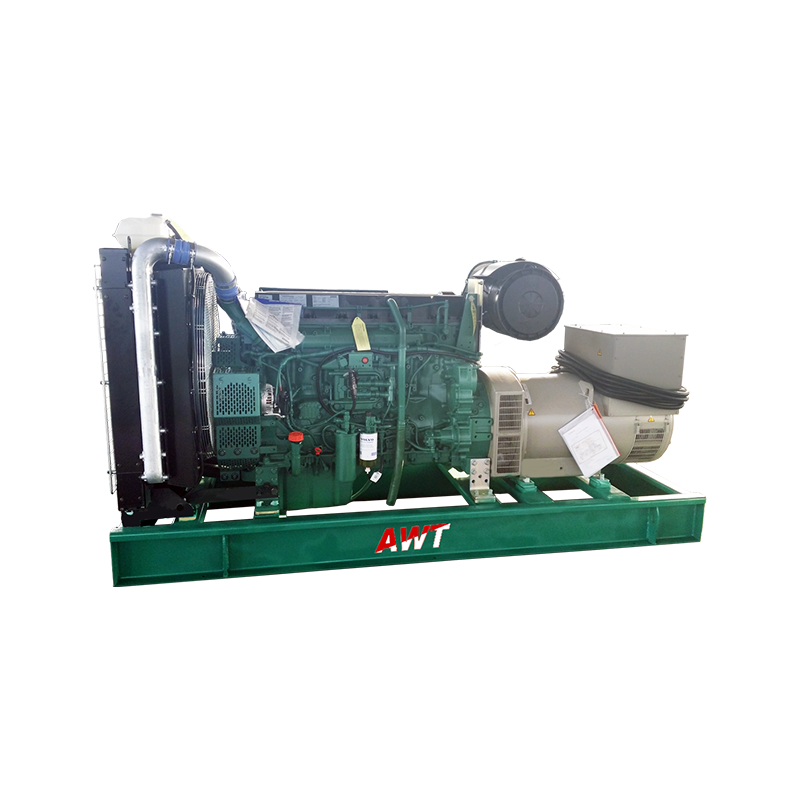
Volvo-powered diesel generator sets are designed for these requirements. They combine genuine Volvo Penta industrial diesel engines with full-copper brushless alternators, intelligent control systems and application-specific auxiliary equipment. The resulting power systems cover a broad range of output requirements, from compact commercial backup units to large multi-unit industrial installations.
Yangzhou Aiweite Electromechanical Co., Ltd. manufactures and integrates diesel generator sets for customers in commercial, industrial and infrastructure markets. Founded in 2008, the company combines engine and alternator integration, electrical control engineering, factory testing, installation guidance and after-sales support in one supply chain. Its generator sets are developed for practical field performance rather than for engine supply alone.
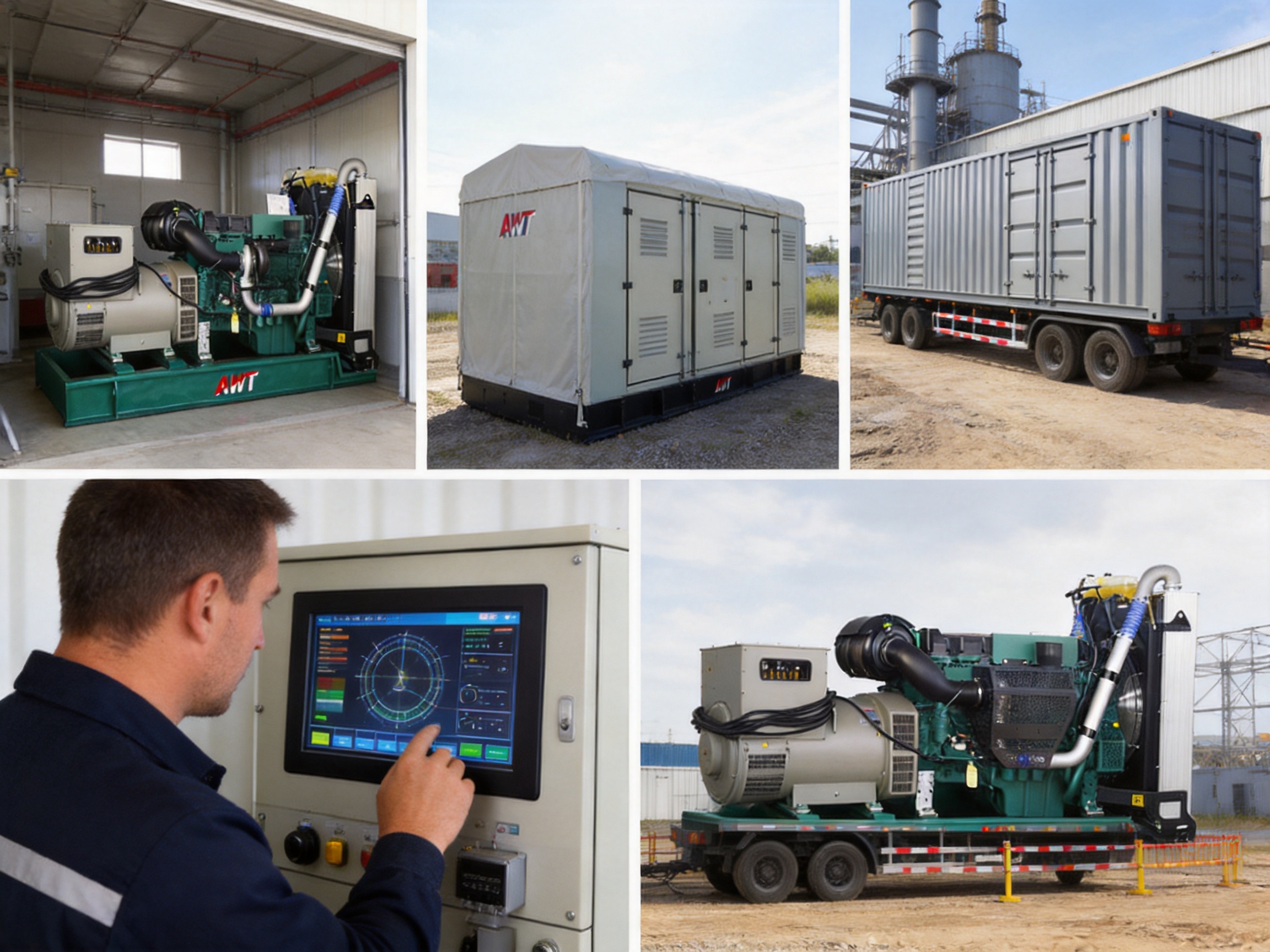
The product range includes open-frame, silent-canopy, mobile trailer and containerized configurations. Depending on the project, units can be configured for 50 Hz or 60 Hz operation, standby or prime duty, automatic transfer, remote monitoring, multi-unit synchronization and demanding environmental conditions such as extreme cold, high altitude, humidity, dust and coastal corrosion.
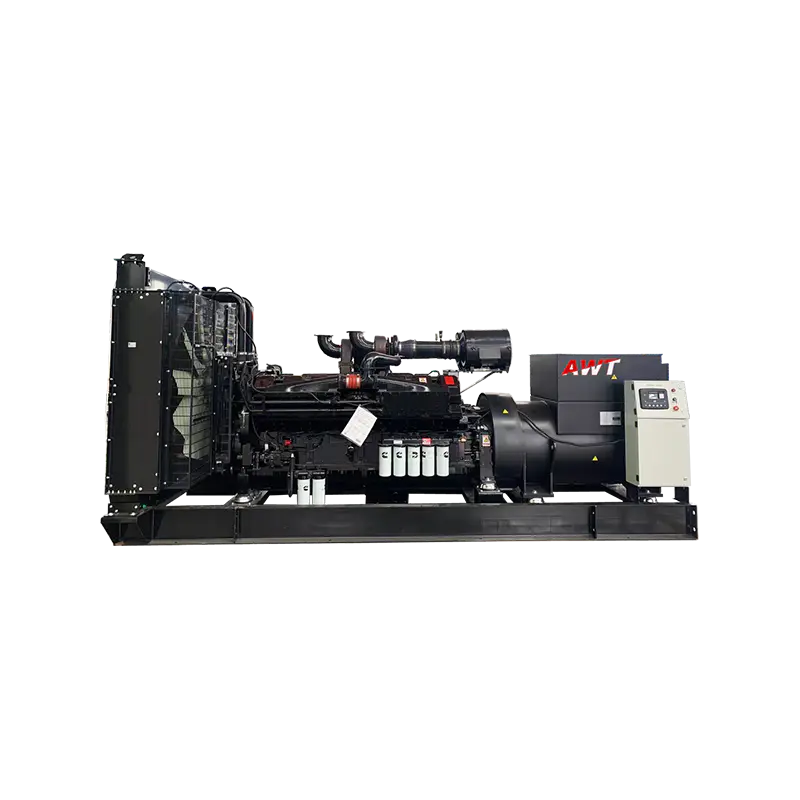
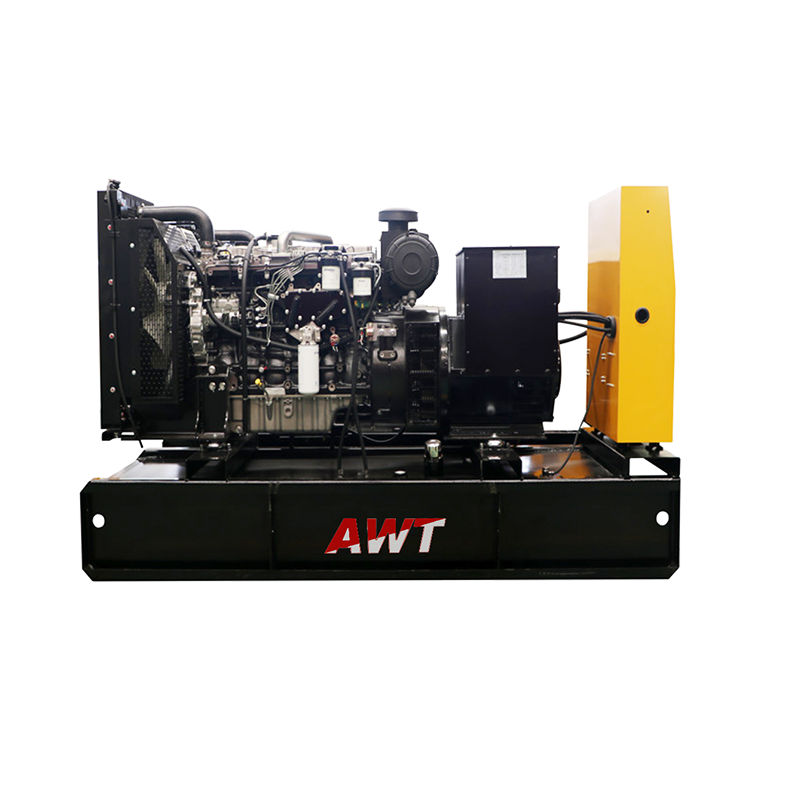
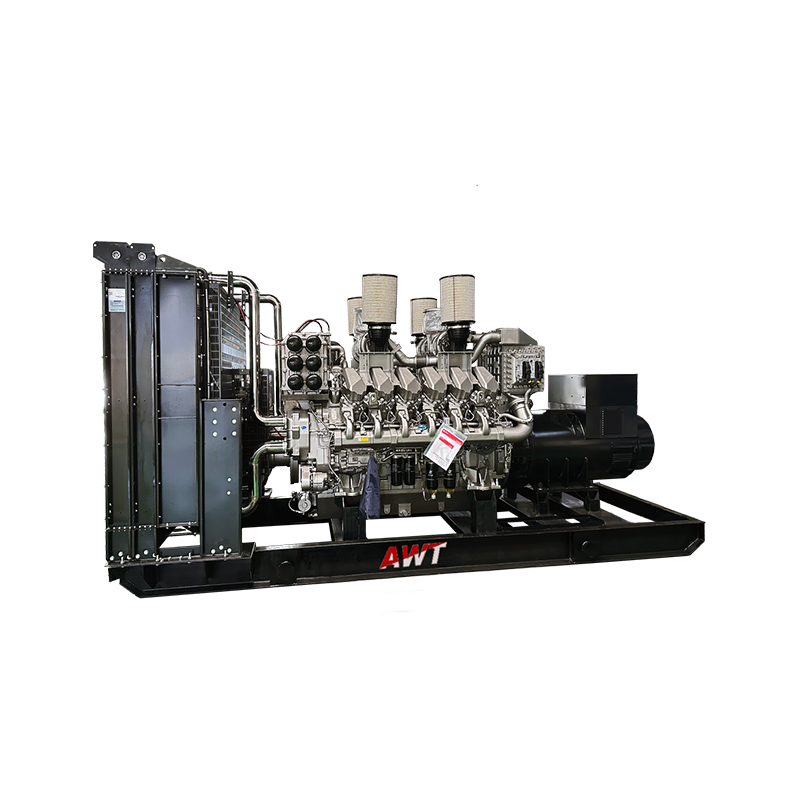
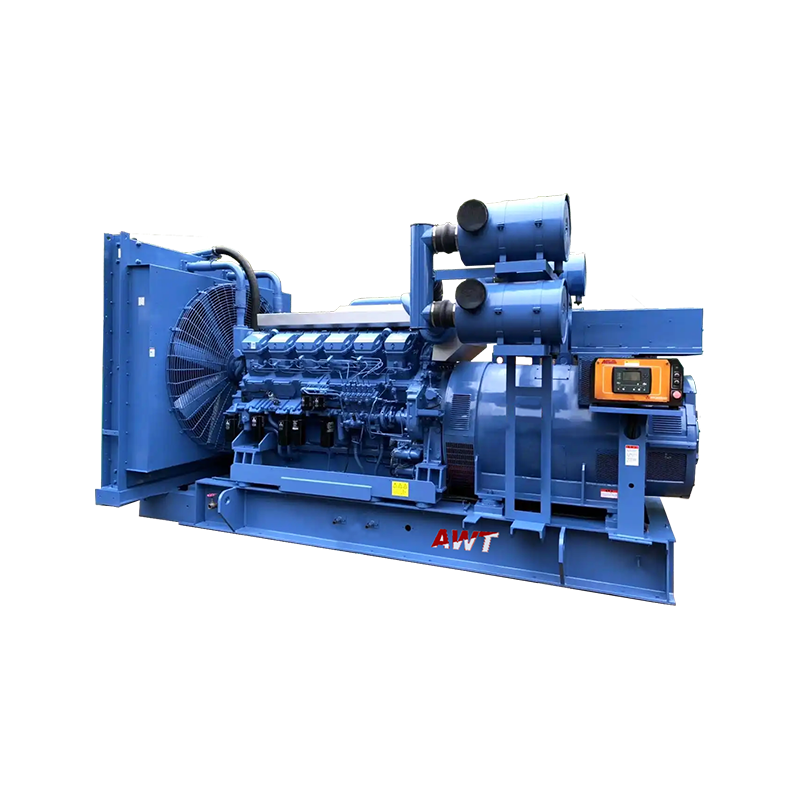
Volvo Powered Diesel Generator Sets
What Makes a Modern Diesel Generator Set Competitive?
A generator set should not be judged only by its rated kilowatt output. A complete power solution must be evaluated according to starting performance, load acceptance, fuel consumption, acoustic performance, serviceability, control functions, environmental adaptability, component quality and lifecycle cost.
Many low-cost generator sets use an engine and alternator that are individually acceptable but poorly matched. Inadequate alternator capacity, undersized cables, basic controllers, weak vibration isolation or insufficient cooling can reduce the performance of the complete unit. A professionally engineered genset, by contrast, treats the engine, alternator, controller, cooling system, fuel system and enclosure as a coordinated system.
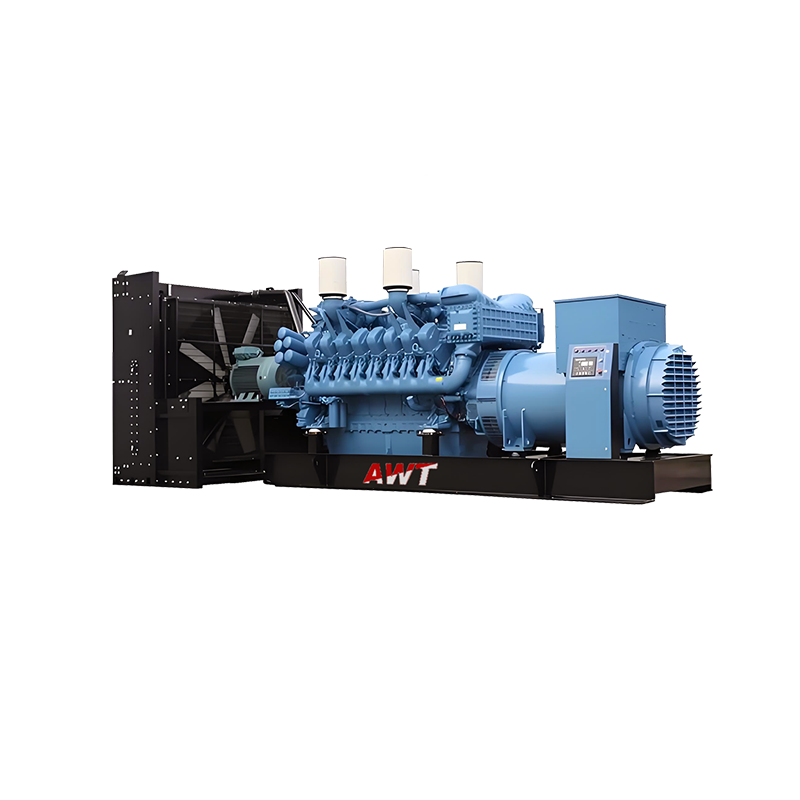
The main competitive strengths of the Volvo-powered range are its industrial-grade engine platform, high-quality electrical output, cold-start capability, efficient fuel use, low vibration, flexible configuration and comprehensive testing. These qualities are particularly valuable where the generator must support sensitive loads or operate for long periods without constant supervision.
Compared with basic standby generators, these units provide more complete automation and monitoring functions. Compared with improvised industrial assemblies, they offer more consistent integration, documented testing and easier maintenance planning. Compared with many conventional high-output generator sets, the Volvo platform provides a compact design, strong fuel economy and broad adaptability to difficult operating environments.
Advantages Over Basic Generator Configurations
Basic generator sets may use mechanical governors, limited fault protection and manual starting procedures. Such equipment can be suitable for simple applications, but it may not respond quickly enough to modern power-management requirements. The Volvo-powered range uses electronic fuel injection and intelligent electronic control to improve speed regulation, load response and operating visibility.
Another important advantage is the use of full-copper brushless alternators. Copper windings provide efficient conductivity and support stable electrical performance. Brushless construction reduces routine maintenance and eliminates the need to replace brushes during normal operation. Class H insulation gives the alternator greater thermal resistance, while IP22 to IP23 protection supports use in properly designed indoor or protected outdoor installations.
The complete system can also be supplied with automatic transfer switches, remote communication, cloud monitoring and paralleling functions. These options allow the generator to operate as part of a broader power-management system rather than as an isolated engine-driven machine.
Genuine Volvo Penta Industrial Diesel Engines
The engine is the primary energy source of a diesel generator set. Its combustion stability, cooling performance, fuel system and mechanical structure directly affect the generator’s reliability. Genuine Volvo Penta industrial diesel engines are selected for their established performance in industrial power applications and their suitability for long-duration operation.
The engine platform uses electronic fuel injection and turbocharged intercooling. Electronic injection precisely controls the quantity and timing of fuel delivered to the cylinders. This supports efficient combustion, stable engine speed and improved response when the electrical load changes. Turbocharged intercooling increases the amount of oxygen available for combustion while helping control intake-air temperature.
These technologies contribute to strong power density and efficient operation. They also help the engine respond more smoothly when motors, pumps, compressors or other high-inrush equipment are connected. For facilities with non-linear loads or substantial motor-starting demand, proper engine sizing and load analysis remain essential, but the electronic engine platform provides a strong foundation.
Cold-Start and Low-Temperature Capability
Low-temperature performance is a major consideration in northern regions, high-altitude sites and seasonal outdoor installations. Cold conditions can increase oil viscosity, reduce battery performance, restrict fuel flow and make combustion more difficult. A generator that performs well in a warm factory environment may not start reliably in a severely cold location unless it has suitable preparation.
The Volvo-powered configuration can be equipped with low-temperature preheaters and cold-start accessories. The engine design and calibration support reliable starting and continuous operation in temperatures down to approximately -40°C when the complete installation is correctly specified. The final performance depends on the selected engine, fuel, battery system, heating equipment, enclosure and site conditions.
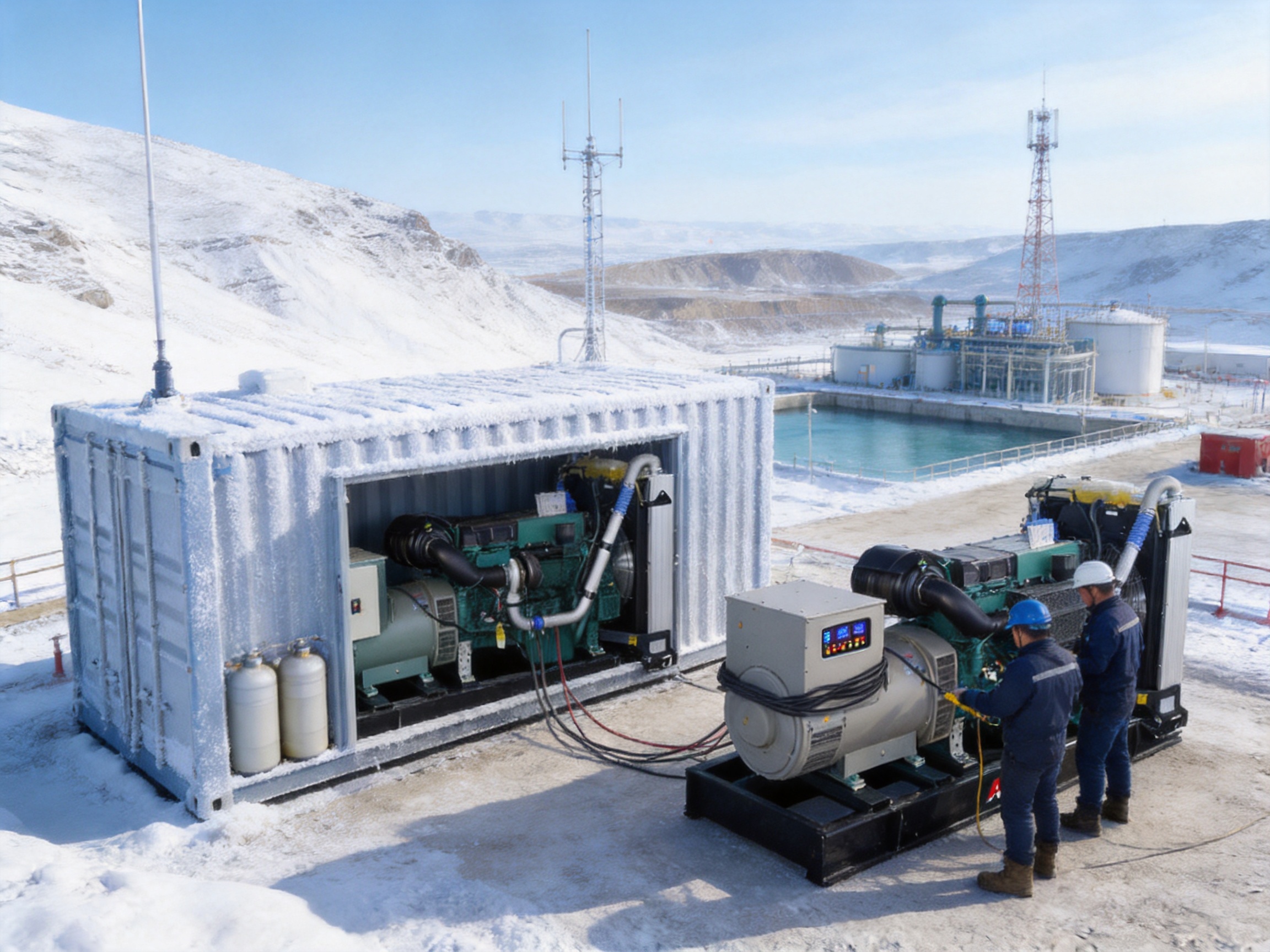
For cold-region projects, Aiweite can configure engine coolant heaters, battery heaters, intake preheating, insulated fuel systems, enlarged fuel tanks and weather-protected enclosures. These measures reduce the risk of starting failure and help the engine reach stable operating temperature more quickly.
Fuel Efficiency and Lifecycle Value
Fuel cost is one of the largest operating expenses over the service life of a generator set. Accurate electronic fuel injection helps the engine use fuel efficiently by matching injection quantity to the required load. When the genset is correctly sized and operated near its efficient working range, this can reduce fuel consumption and operating cost.
Lifecycle value also depends on maintenance intervals, spare-parts availability, technician familiarity and system durability. Genuine Volvo Penta engines are supported by standardized service procedures and a broad international parts network. Aiweite complements this platform with filters, consumables, engine components, alternator parts and controller-related spares.
Fuel economy should always be evaluated together with actual duty conditions. A generator running continuously at a high load has different consumption characteristics from one used for occasional emergency backup. During the quotation stage, Aiweite can review expected load profiles and recommend an appropriate engine rating, fuel-tank size and maintenance plan.
High-Quality Full-Copper Brushless Alternators
The alternator converts mechanical energy from the diesel engine into electrical energy. Its winding material, insulation system, voltage regulator, protection arrangement and cooling design influence the quality of the output supplied to the load.
The generator sets use maintenance-free brushless synchronous alternators with full-copper windings. The copper construction supports efficient current conduction and stable thermal performance. Brushless excitation reduces mechanical wear and simplifies routine service. This is particularly useful for installations that need long intervals between planned maintenance visits.
Class H insulation is designed for high-temperature operation and provides a substantial thermal margin when the alternator is correctly loaded and ventilated. IP22 to IP23 protection is available according to the selected configuration and installation requirements. The alternator can be matched to the engine output, voltage, frequency and application-specific short-circuit or motor-starting requirements.
Stable Voltage and Frequency
Sensitive loads such as medical equipment, information-technology systems, communication equipment, control systems and automated production machinery require stable electrical power. Excessive voltage variation, frequency instability or waveform distortion can cause nuisance trips, equipment malfunction or premature component wear.
The alternator and controller are configured to support high-quality output and ISO G3 performance requirements where specified. Automatic voltage regulation helps maintain voltage as the load changes, while electronic engine governing supports stable frequency. The final power quality depends on the generator configuration, load type, cable installation, grounding system and operating conditions.
For facilities with large motors, variable-frequency drives or non-linear electronic loads, Aiweite can review the load characteristics before selecting the alternator. Additional considerations may include oversizing the alternator, using a suitable excitation system, separating sensitive loads, adding harmonic mitigation or configuring multiple generators for controlled load sharing.
Intelligent Control and Power Management
A modern generator set must provide more than start and stop functions. Its controller should monitor engine parameters, electrical output, alarms, protection events and operating hours. It should also provide clear information to operators and enable automatic operation when the utility supply fails.
The standard intelligent control system uses a Chinese-English LCD interface and supports a broad range of monitoring and protection functions. Typical parameters include engine speed, coolant temperature, oil pressure, battery voltage, fuel level, generator voltage, current, frequency, power factor, active power and accumulated running hours.
Protection functions can include overspeed, low oil pressure, high coolant temperature, overvoltage, undervoltage, overfrequency, underfrequency, overload, short circuit, emergency stop and charging-system failure. The exact functions depend on the controller and project requirements.
Automatic Transfer and Unattended Operation
When connected to an automatic transfer switch, the generator can monitor the utility supply and start automatically when the main power fails. After the generator reaches stable voltage and frequency, the transfer switch moves the designated loads to generator power. When utility power returns and remains stable for the programmed period, the load transfers back and the generator performs a cooldown cycle before stopping.
This sequence is important for hospitals, communication sites, commercial buildings, data centers and unmanned facilities. It reduces dependence on manual intervention and shortens the time between grid failure and backup-power availability.
Remote Monitoring and Cloud Management
Optional 4G communication and cloud-management functions allow authorized personnel to review operating data remotely. Depending on the selected system, users may receive alarms, check running status, view historical data, monitor fuel level and review maintenance information.
Remote monitoring is especially useful for distributed equipment, remote construction sites, telecommunications facilities and facilities without full-time operators. It can help maintenance teams identify abnormal trends before a failure occurs. Remote access should be combined with appropriate cybersecurity controls, user permissions and site communication policies.
Multi-Unit Parallel Operation
For large facilities, using several generator sets in parallel can provide scalability, redundancy and improved part-load efficiency. A paralleling system synchronizes the generators and distributes load according to programmed settings. If one unit is unavailable, the remaining units may continue supplying essential loads, subject to the available capacity.
Aiweite can supply paralleling cabinets and integrate generator controllers with site power-management systems. Parallel operation requires careful engineering of protection, synchronization, load sharing, short-circuit levels, busbar arrangements, exhaust systems, fuel systems and ventilation. The design should be completed according to the facility’s electrical drawings and operating philosophy.
Configurations for Different Installation Environments
A generator set must be designed for its physical environment as well as its electrical duty. Aiweite supplies several structural configurations to meet different installation requirements.
Open-Frame Generator Sets
Open-frame units expose the engine, alternator and control panel for easy inspection and maintenance. They are usually installed inside dedicated generator rooms, industrial buildings or protected plant areas. This configuration is often economical and provides convenient access for service technicians.
Open-frame installation requires the customer or project contractor to provide suitable ventilation, exhaust routing, acoustic treatment, fuel storage, weather protection and safety controls. The foundation must support the equipment weight and minimize vibration transmission to the building.
Silent Canopy Generator Sets
Silent-canopy models include an acoustic enclosure designed to reduce operating noise and provide protection from weather. The enclosure typically incorporates ventilation openings, a radiator air path, service doors, exhaust silencing and lifting points.
The silent version can achieve noise levels of approximately 75 dB(A) under specified test conditions and measurement distances. Actual site noise depends on load, measurement position, enclosure design, surrounding structures, ground reflection and local regulations. Silent units are suitable for commercial buildings, residential communities, hotels, schools, hospitals and urban construction sites where noise control is important.
Trailer-Mounted Generator Sets
Mobile trailer units are designed for temporary power, construction projects, emergency response, rental fleets and infrastructure maintenance. They can be relocated between sites when fitted with the appropriate chassis, braking system, lighting, coupling and safety equipment.
A trailer-mounted system may include an integrated fuel tank, weather canopy, distribution panel, cable storage and lifting or towing accessories. The road regulations of the destination country must be considered before production, including axle loading, dimensions, lighting, braking and registration requirements.
Containerized Power Stations
Containerized units integrate the generator, alternator, control system, fuel system, cooling system, exhaust system and auxiliary equipment into a modular enclosure. This approach can reduce on-site installation work and provide a protected, relocatable power station.
Containerized systems are suitable for large industrial parks, data centers, remote mines, ports, infrastructure projects and multi-unit power plants. The container can be customized with access doors, ventilation louvers, fire protection, acoustic treatment, external fuel connections, cable entry points and maintenance platforms.
Power Range and Application Selection
The product range covers small and medium commercial backup applications as well as large industrial and infrastructure projects. The supplied output may be specified in kilowatts or kilovolt-amperes. Prime power, standby power and continuous power ratings must be clearly distinguished before selection.
| Typical Power Band | Common Applications | Recommended Features |
|---|---|---|
| 20–100 kW | Commercial offices, retail facilities, communities and emergency backup | Silent canopy or open frame, ATS, battery charger and remote monitoring |
| 100–700 kW | Hospitals, hotels, municipal projects, factories and commercial complexes | Silent or containerized configuration, ATS, paralleling capability and remote monitoring |
| 700–2,500 kW | Large industrial facilities, infrastructure projects and critical power systems | Containerized or plant-room installation, multiple units, synchronizing system and expanded fuel storage |
| Above 2,500 kW | Large power plants, data centers and high-capacity industrial projects | Engineered multi-unit or customized power station with coordinated protection and load management |
The published Volvo-powered portfolio is described as covering approximately 20 kW to 4,500 kW through standard and engineered configurations. Aiweite’s company manufacturing experience includes generator sets from 1 kVA to 2,500 kVA. For projects above the standard factory range, the solution may involve multiple synchronized units, a customized system design or coordinated power-station engineering.
Standby Power
Standby power is used when the utility supply fails. The generator may operate for several hours or longer depending on the fuel system and emergency conditions, but it is generally not intended to carry the facility’s full load continuously without planned maintenance.
Standby applications include offices, retail buildings, schools, communication stations and residential developments. An automatic transfer switch, emergency lighting interface, battery charger and remote alarm system are common options.
Prime Power
Prime power is used where the generator is the primary source of electricity or where the utility supply is unreliable. The load may vary over time, and the genset must be selected according to the expected average load, peak load, operating hours and maintenance schedule.
Prime applications include construction sites, rural facilities, temporary infrastructure, mines, agricultural operations and remote industrial locations. Correct load management is essential to prevent prolonged underloading or excessive operation near the maximum rating.
Continuous Power
Continuous-duty generator sets operate for extended periods at a relatively constant load. This duty requires careful attention to cooling, lubrication, fuel quality, exhaust systems, maintenance intervals and spare-parts planning.
Continuous power projects may use several units in parallel. This arrangement can provide operating flexibility, allow maintenance without a complete shutdown and improve efficiency when demand varies throughout the day.
Representative Model Specifications
The following table presents a selection of models from the standard Volvo series. Actual availability, emissions configuration, dimensions, weights and ratings should be confirmed during the quotation stage because specifications vary by frequency, emission standard, alternator and enclosure.
| Model | Prime Power | Standby Power | Engine Model | Typical Open-Type Dimensions |
|---|---|---|---|---|
| AWT-V107 | 78 kW / 98 kVA | 86 kW / 107 kVA | TAD580VE | 2,000 × 1,000 × 1,500 mm |
| AWT-V201 | 146 kW / 183 kVA | 161 kW / 201 kVA | TAD840GE-B | 2,500 × 1,000 × 1,800 mm |
| AWT-V325 | 236 kW / 295 kVA | 260 kW / 325 kVA | TAD843GE | 2,650 × 1,100 × 1,500 mm |
| AWT-V451 | 328 kW / 410 kVA | 361 kW / 451 kVA | TAD1345GE-B | 3,200 × 1,250 × 1,800 mm |
| AWT-V583 | 424 kW / 530 kVA | 466 kW / 583 kVA | TAD1642GE-B | 3,300 × 1,250 × 2,000 mm |
| AWT-V649 | 472 kW / 590 kVA | 519 kW / 649 kVA | TWD1644GE | 3,350 × 1,350 × 2,000 mm |
| AWT-V748 | 544 kW / 680 kVA | 598 kW / 748 kVA | TWD1744GE | 3,500 × 1,400 × 2,100 mm |
| AWT-V792 | 576 kW / 720 kVA | 634 kW / 792 kVA | TWD1744GE | 3,500 × 1,400 × 2,100 mm |
Prime and standby values are not interchangeable. When selecting a unit, customers should provide the intended operating mode, expected running hours, minimum load, maximum load and motor-starting requirements. Aiweite can then confirm the appropriate engine rating, alternator size and control strategy.
Advanced Manufacturing and Integration Process
The reliability of a generator set depends on how accurately its components are assembled and tested. Aiweite’s manufacturing process is organized around component inspection, mechanical assembly, electrical integration, configuration review and complete-unit testing.
Component Inspection
Incoming inspection verifies the identity, condition and basic compliance of major components. Engine model, alternator rating, controller type, radiator assembly, fuel system, exhaust components and enclosure parts are checked against the production documentation.
Inspection helps prevent incorrect model combinations and identifies transport damage or component defects before assembly. For projects with special requirements, customers may receive component records, serial-number information and inspection documentation as part of the delivery package.
Mechanical Assembly
The engine and alternator are mounted on a rigid integrated base frame. Flexible or suitable coupling arrangements transfer mechanical power while maintaining alignment. High-efficiency vibration dampers help reduce the transmission of engine vibration to the foundation.
The cooling system, fuel lines, exhaust components, battery system and muffler are installed according to the intended configuration. Attention is given to service access, lifting points, cable routing and connection locations. For silent or containerized models, ventilation and maintenance clearances are considered during enclosure assembly.
Electrical Integration
The alternator output is connected to the control panel and required protection devices. The wiring system is arranged for safe maintenance and clear identification. The controller is configured for the required voltage, frequency, phase arrangement, start mode, alarm functions and operating duty.
Where specified, the system may include ATS control, remote communication, cloud monitoring, paralleling functions, load sharing and connection to an external power-management system. Electrical settings are verified before the unit enters the final test stage.
Factory Testing
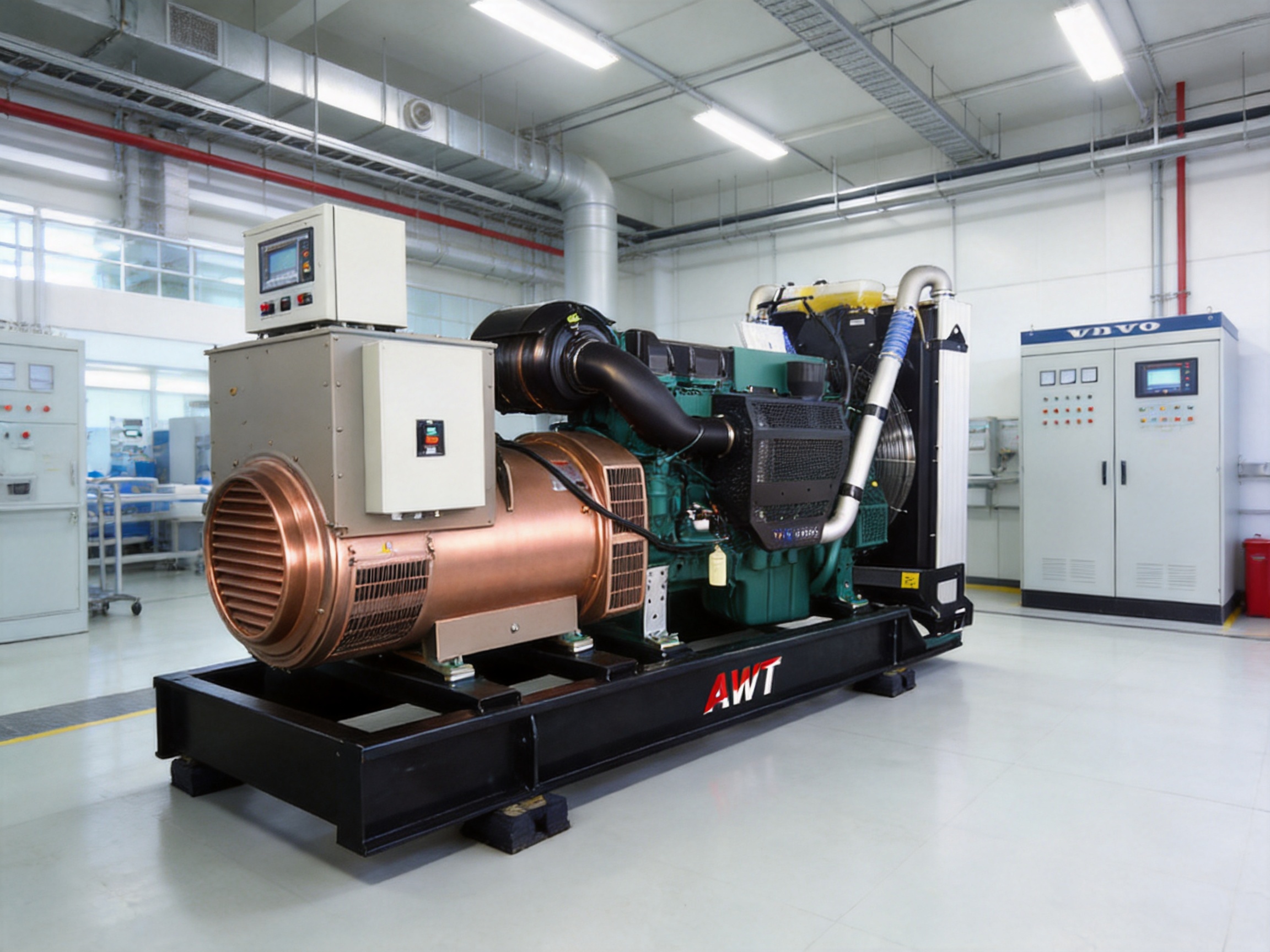
Before shipment, generator sets undergo structured testing using calibrated equipment. Testing may include no-load operation, staged loading, full-load operation, step-load response, continuous endurance operation, voltage and frequency stability, alarm verification and emergency shutdown protection.
The described testing range can extend from 0% to 110% of rated capacity where appropriate for the selected unit and test procedure. Load testing verifies the interaction between the engine, alternator, regulator and controller. It can reveal issues that would not be detected during a simple no-load start test.
Test reports and inspection records can be supplied with delivery documentation. These records support commissioning, acceptance procedures and future maintenance planning.
Quality Management and Standards
The generator sets are designed with reference to ISO 8528 and applicable national requirements such as GB/T 2828. The precise standards applied to an individual project depend on the destination market, emissions requirements, electrical code, noise limits and customer specifications.
Aiweite’s quality management system is identified as compliant with ISO 9001 and ISO 14001. ISO 9001 supports controlled manufacturing and process management, while ISO 14001 relates to environmental management practices. Certification does not replace product testing, but it provides a framework for documented procedures and continual improvement.
Emission compliance must be confirmed according to the engine model and destination. Available configurations may include China National III or IV non-road emission requirements and European environmental regulations where applicable. Stage II, Stage IIIA and Stage IIIB or Tier classifications shown in the product information should be matched to the actual project jurisdiction and equipment use.
Environmental Adaptability
Generator sets installed in harsh environments need more than a standard engine and enclosure. Temperature, altitude, humidity, dust, salt spray and fuel quality can all affect performance.
High-Altitude Operation
At high altitude, air density decreases and the engine receives less oxygen for combustion. This can reduce available power and increase thermal stress. High-altitude projects should include the site elevation in the quotation data so that derating, engine selection, radiator capacity and exhaust design can be reviewed.
Hot and Humid Conditions
High ambient temperature reduces the cooling margin of the radiator and alternator. Humidity can contribute to condensation, insulation deterioration and corrosion if the generator room is poorly ventilated. High-temperature radiator options, improved airflow, anti-condensation measures and suitable enclosure ventilation can be specified where necessary.
Dusty and Industrial Sites
Dust can block radiator fins, restrict air filters and accelerate wear in the engine. Triple filtration and appropriately selected air-intake systems help protect the engine. Regular filter inspection and cleaning remain essential, especially at construction sites, quarries and agricultural facilities.
Coastal and Corrosive Environments
Salt spray can corrode metal components, electrical terminals, radiator surfaces and enclosure panels. Anti-corrosion coatings, stainless or treated hardware, protected electrical connections and enhanced enclosure finishes can improve service life. The site’s exposure level should be identified before production.
Noise, Vibration and Operator Comfort
Noise and vibration affect both the surrounding community and the people responsible for operating and maintaining the generator. Excessive vibration can also accelerate fatigue in connections, supports and exhaust components.
The generator sets use vibration dampers, a rigid base frame and a professional low-noise muffler. Silent enclosures add acoustic attenuation and weather protection. The final noise level depends on engine speed, load, enclosure construction, exhaust silencer performance, foundation design and the measurement method.
For hospitals, hotels, offices and residential developments, the generator room should be designed with acoustic walls, duct silencers, flexible exhaust connections and vibration-isolated foundations where required. A silent canopy can reduce noise at the equipment boundary, but it should not be treated as a substitute for a complete acoustic design.
Installation and Commissioning
Correct installation is essential to achieve the advertised performance of a generator set. Before delivery, the customer should prepare a foundation capable of supporting the equipment and isolating vibration. The room or container location should provide sufficient access for maintenance, lifting and component replacement.
Ventilation must supply enough air for engine combustion and radiator cooling while allowing hot air to leave the room. Exhaust piping should be correctly supported and routed away from occupied areas. Excessive back pressure can reduce engine performance, so the exhaust design should follow the engine manufacturer’s requirements.
The fuel system should include suitable storage, filtration, isolation valves, flexible connections and spill-control measures. Fuel quality and storage duration should be managed to prevent contamination, water accumulation and biological growth.
Electrical installation includes output cables, grounding, protection devices, automatic transfer equipment, emergency stops and load connections. The distribution system must be checked for phase sequence, voltage, frequency, neutral configuration and compatibility with the facility’s existing electrical equipment.
During commissioning, the system is started, warmed, tested under load and checked for alarms or abnormal readings. ATS operation, remote monitoring, emergency shutdown and load-transfer sequences should be tested before the generator is placed into service.
Maintenance and After-Sales Support
Planned maintenance helps preserve reliability and fuel efficiency. Typical service activities include engine-oil replacement, filter replacement, coolant inspection, battery testing, belt inspection, fuel-system checks, radiator cleaning, exhaust inspection and alternator-terminal inspection.
The maintenance schedule should follow the engine documentation and be adjusted for actual operating conditions. Dusty environments, frequent short runs, low-load operation and poor fuel quality may require more frequent attention.
Regular load-bank or on-site load testing is useful for standby generators that rarely operate under real load. It verifies that the engine can reach the required temperature and that the alternator, protection system and transfer equipment remain functional.
Aiweite provides installation guidance, commissioning support, technical troubleshooting and spare-parts supply. Available parts may include genuine engine components, filters, consumables, alternator parts, controller components and batteries. Long-term support is especially important for projects that operate in remote areas or depend on continuous power availability.
How to Specify the Correct Volvo-Powered Generator Set
Customers should provide complete project information before requesting a quotation. The required electrical rating is only one part of the selection process.
The first requirement is the duty classification. The customer should state whether the generator will be used for standby, prime or continuous power. The expected operating hours and load factor should also be provided.
The second requirement is the load profile. This should identify motors, pumps, compressors, elevators, heating systems, variable-frequency drives, medical equipment, data-processing systems and other sensitive or high-inrush loads. Motor-starting methods and starting sequence can significantly affect generator sizing.
The third requirement is the electrical configuration. Important information includes voltage, frequency, phase, neutral arrangement, power factor, short-circuit requirements and the intended connection to the site distribution system.
The fourth requirement is the environmental condition. Customers should provide altitude, minimum and maximum ambient temperature, humidity, dust exposure, coastal exposure and indoor or outdoor installation details.
The fifth requirement is the structural configuration. The customer should choose between open frame, silent canopy, trailer-mounted or containerized construction. Available space, noise restrictions, transport limitations and maintenance access should be considered.
The sixth requirement is the control and communication system. The project may require ATS operation, remote monitoring, cloud management, multi-unit parallel operation, load sharing, synchronization or integration with a building-management system.
Finally, the customer should provide the delivery location, applicable emission regulations, required documents, project schedule and after-sales expectations. With this information, the engineering team can prepare a suitable configuration, dimensional drawing, electrical arrangement and commercial quotation.
Applications Across Critical Industries
Data Centers
Data centers require rapid transfer, high availability, stable voltage and frequency, coordinated paralleling and comprehensive monitoring. Volvo-powered generator sets can be integrated with ATS systems, synchronization panels and redundant power architectures. Containerized or plant-room configurations can support large installations.
Hospitals
Hospitals depend on backup power for operating rooms, intensive-care areas, medical imaging, communications, ventilation and life-support equipment. The generator system must be correctly sized for sensitive loads and tested regularly. Automatic starting, transfer sequencing, remote alarms and clear maintenance procedures are important features.
Commercial Buildings and Hotels
Hotels, offices, shopping centers and commercial complexes need backup power for lighting, elevators, security systems, fire protection, refrigeration and essential building services. Silent enclosures and low-vibration installation help reduce disturbance to occupants and neighbors.
Industrial Plants
Factories may use generator sets for emergency backup, prime power, peak support or isolated production. Motors and process equipment can create significant starting loads. Load studies, sequential starting and parallel operation may be necessary to maintain stable production.
Municipal and Infrastructure Projects
Water-treatment plants, pumping stations, transportation facilities, public works and emergency-response projects often operate in locations where power continuity is essential. Trailer-mounted and containerized generator sets can be rapidly deployed and adapted to temporary or permanent use.
Cold-Region and Remote Facilities
Remote sites and cold-region installations benefit from cold-start equipment, weather-protected enclosures, enlarged fuel storage and remote monitoring. These features reduce the need for constant on-site supervision and improve readiness during severe weather.
Frequently Asked Questions
What power range is available?
The Volvo-powered portfolio covers approximately 20 kW to 4,500 kW through standard and engineered configurations. Aiweite’s stated manufacturing experience covers generator sets from 1 kVA to 2,500 kVA. Larger requirements can be addressed through customized systems or multiple synchronized units.
Are the engines genuine Volvo Penta engines?
Yes. The product range is based on genuine Volvo Penta industrial diesel engines. Engine documentation and serial-number information can be provided for verification and service records.
Can the generator operate in very cold weather?
With the correct engine configuration and cold-start accessories, the system can be prepared for operation in temperatures down to approximately -40°C. Preheaters, battery systems, fuel arrangements, enclosure insulation and installation practices must all be selected for the actual site.
What is the difference between prime and standby power?
Standby power is intended for emergency operation when the utility supply fails. Prime power is intended for regular or primary operation where the generator may run for extended periods. Prime and standby ratings are different and should not be used interchangeably.
Can the genset be supplied with an automatic transfer switch?
Yes. An ATS can monitor the utility supply, start the generator automatically, transfer the load after voltage and frequency stabilize, and return the load to the utility when normal power is restored.
Can several units operate in parallel?
Yes. Multi-unit parallel operation can be configured with synchronizing controls, load sharing, paralleling cabinets and coordinated protection. The design must be based on the facility’s load profile and electrical distribution system.
Are silent and containerized versions available?
Yes. Open-frame, silent-canopy, trailer-mounted and containerized configurations are available. The appropriate type depends on noise requirements, weather exposure, mobility, transport restrictions and installation space.
Can the generator be monitored remotely?
Optional 4G communication and cloud-management functions can provide remote status, alarm and operating-data access. The final communication method depends on the project network and cybersecurity requirements.
What tests are completed before shipment?
Testing may include staged loading, full-load operation, step-load response, endurance operation, voltage and frequency stability, alarm verification and emergency protection checks. Testing can extend from 0% to 110% of rated capacity where suitable for the selected model and procedure.
What information is needed for a quotation?
The supplier needs the required power, duty type, voltage, frequency, phase, load profile, motor-starting requirements, site altitude, temperature range, enclosure preference, emission standard, fuel capacity, monitoring requirements, delivery location and expected schedule.
Does the company provide spare parts and technical support?
Yes. Aiweite provides installation guidance, commissioning assistance, technical troubleshooting and spare-parts support for engines, alternators, controllers, filters and consumables.
Conclusion
A diesel generator set is a complete power system rather than a simple combination of an engine and an alternator. Reliable performance depends on component quality, correct sizing, careful integration, factory testing, suitable environmental protection and disciplined maintenance.
Volvo-powered diesel generator sets provide a strong solution for customers seeking stable output, efficient operation, low vibration, cold-start capability and flexible deployment. Genuine Volvo Penta engines, full-copper brushless alternators, intelligent controllers and modular auxiliary systems support applications ranging from commercial emergency backup to industrial prime power.
Yangzhou Aiweite Electromechanical Co., Ltd. adds value through factory assembly, inspection, load testing, customization, installation guidance and long-term technical support. Its experience in diesel generator manufacturing and international project service allows customers to obtain a coordinated solution instead of purchasing unrelated components from different suppliers.
For the best result, generator selection should begin with a detailed assessment of the electrical load, environmental conditions, operating duty and installation requirements. When these factors are correctly evaluated, a Volvo-powered genset can provide dependable power for critical facilities, industrial operations, remote sites and infrastructure projects over a long service life.
References
1. ISO 8528, Reciprocating Internal Combustion Engine Driven Alternating Current Generating Sets.
2. GB/T 2828, Sampling Procedures and Tables for Lot-by-Lot Inspection.
3. Volvo Penta Industrial Diesel Engine Technical Documentation.
4. Alternating Current Generator and Alternator Manufacturer Technical Manuals.
5. China National Non-Road Diesel Engine Emission Standards and Implementation Guidance.
6. European Non-Road Mobile Machinery Emission Regulations.
7. Generator Set Installation, Operation and Maintenance Manuals.
8. Yangzhou Aiweite Electromechanical Co., Ltd. Product Specifications and Factory Testing Procedures.