English
 Français
 Español
10kVA–100kVA Universal Diesel Generator Sets for Reliable Standby and Temporary Power
Nov 03, 2026
Content
- 1 Overview of the 10kVA–100kVA Generator Series
- 2 Key Product Advantages
- 3 Core Technical Configuration
- 4 Power Ratings and Typical Applications
- 5 Structure Options for Different Sites
- 6 Manufacturing Process and Quality Control
- 7 How the Product Compares with Basic Generator Packages
- 8 Installation Requirements
- 9 Maintenance and Service Support
- 10 Configuration Information Required for a Quotation
- 11 Frequently Asked Questions
- 11.1 What is the difference between kVA and kW?
- 11.2 Can the generator operate automatically during a power failure?
- 11.3 Which engine brand is best for this power range?
- 11.4 Can the generator supply motors and pumps?
- 11.5 Is the silent generator completely noiseless?
- 11.6 Can the unit be installed outdoors?
- 11.7 How often should the generator be tested?
- 11.8 Can the controller connect to a building management system?
- 11.9 What documents are supplied with the generator?
- 11.10 What makes the universal design beneficial?
- 12 Conclusion
- 13 References
- 14 Product: 10kVA – 100kVA Universal Diesel Generator Sets
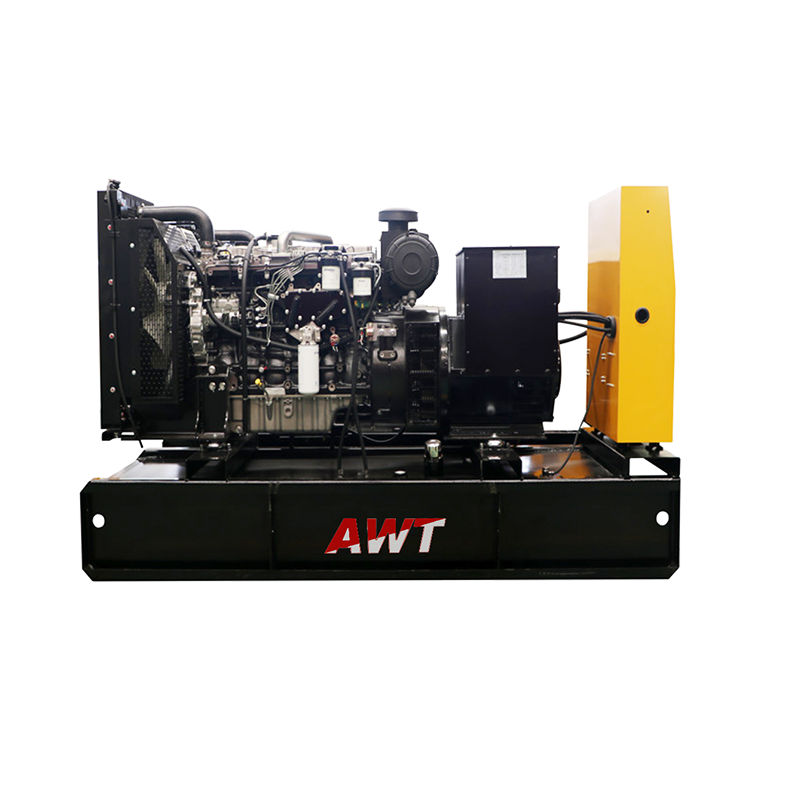
Reliable electrical power is essential for homes, businesses, public facilities, workshops, communication systems, and outdoor operations. Even a short power interruption can stop production, interrupt commercial activity, affect medical services, damage sensitive equipment, or compromise security and communication systems. For these applications, a properly selected diesel generator set provides an effective source of standby, emergency, and intermittent power.
The 10kVA–100kVA universal diesel generator set series is designed for customers who require compact dimensions, dependable starting, economical operation, flexible engine selection, and straightforward maintenance. It combines mainstream industrial diesel engines, full-copper brushless alternators, intelligent control technology, optimized cooling, and practical structural options in one adaptable platform.
Manufactured by Yangzhou Aiweite Electromechanical Co., Ltd., the series is positioned as a flexible solution for residential, commercial, light industrial, public service, agricultural, construction, and emergency applications. The company manufactures and installs diesel generator sets from 1kVA to 2,500kVA, allowing customers to obtain a small-power generator from the same technical and manufacturing organization that supplies larger industrial power systems.
Unlike a basic engine-and-alternator package, these generator sets are configured around the actual application. Voltage, frequency, phase arrangement, duty rating, starting requirements, enclosure type, control interface, noise limit, and site conditions are reviewed before production. This approach helps the final generator match the electrical load and operating environment instead of relying on a one-size-fits-all specification.
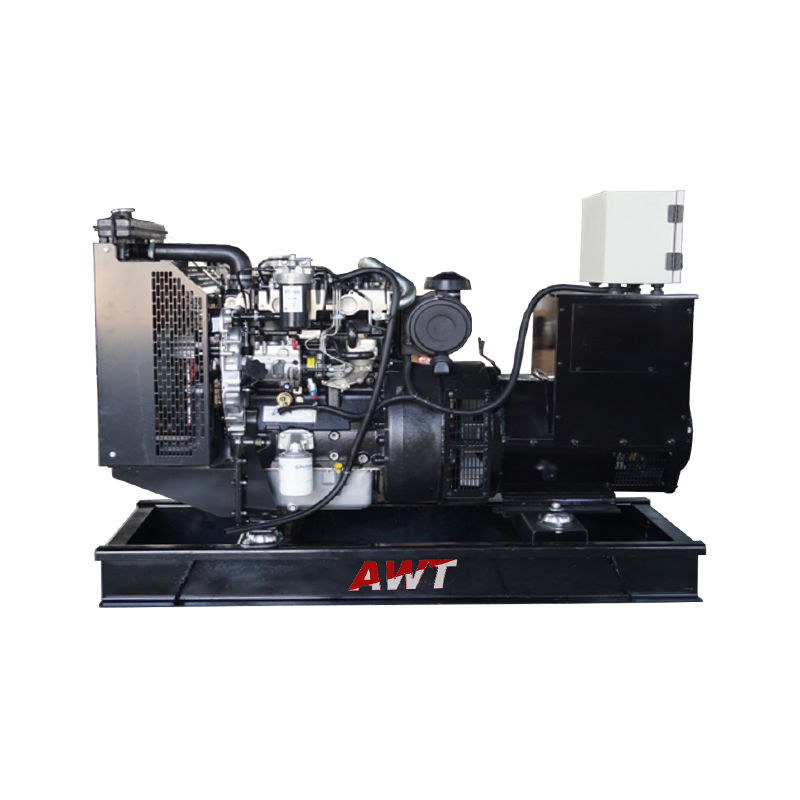
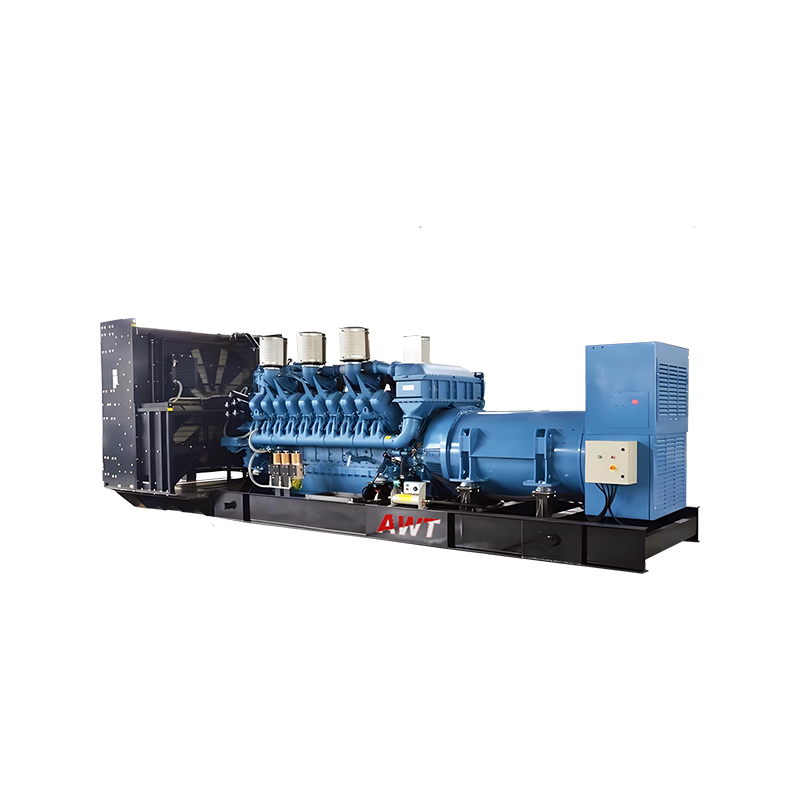
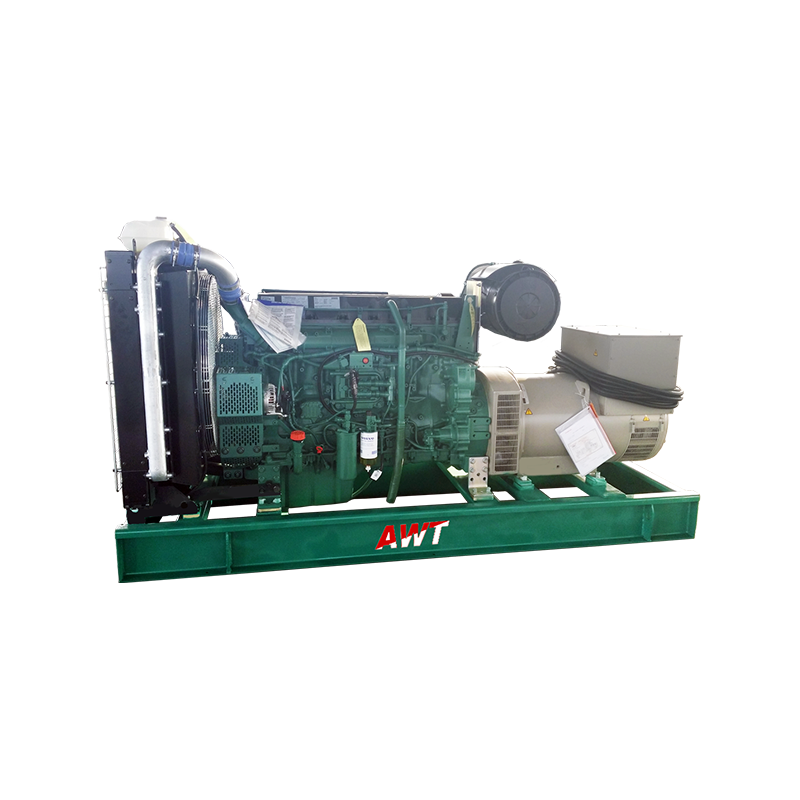
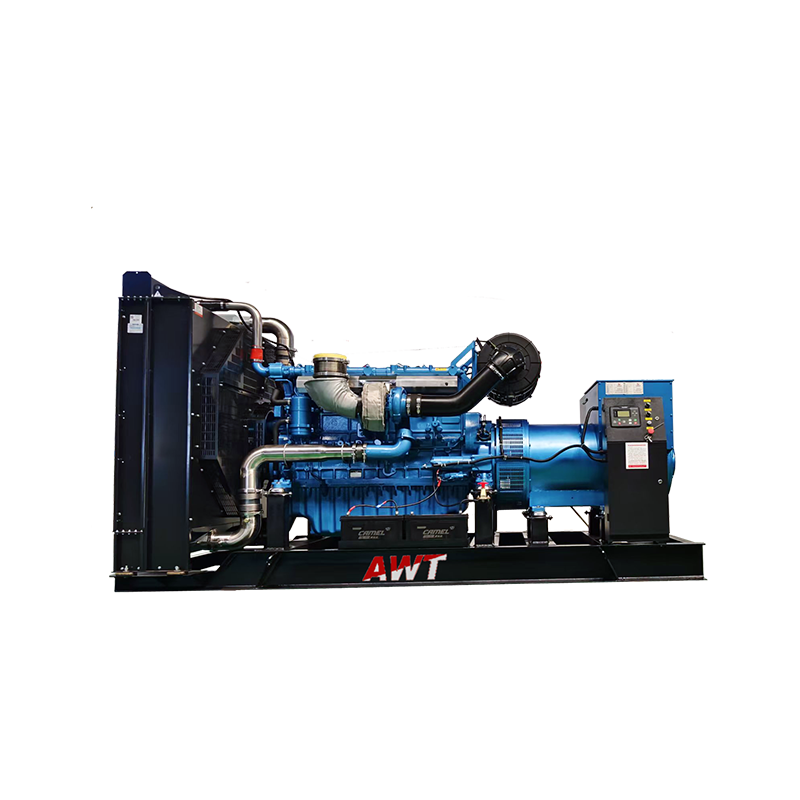
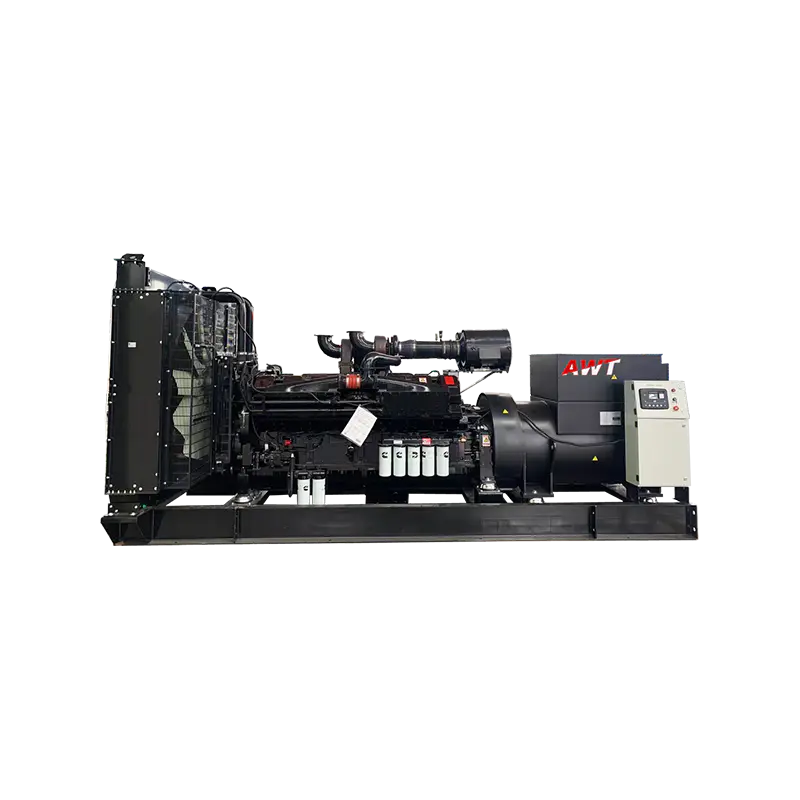
10kVA – 100kVA Universal Diesel Generator Sets
Overview of the 10kVA–100kVA Generator Series
The 10kVA–100kVA range occupies an important position between portable generators and large industrial power plants. Portable gasoline or small diesel generators may be insufficient for commercial loads, while larger generator sets can occupy unnecessary space and increase fuel, installation, and maintenance costs. This series is developed for applications that need more capacity and control than a portable unit but do not require a large high-voltage power system.
The generator sets comply with ISO 8528 and GB/T 2828 requirements. ISO 8528 provides a framework for reciprocating internal combustion engine-driven alternating-current generating sets, including performance and rating considerations. GB/T 2828 is associated with sampling procedures and acceptance quality control. Compliance with applicable standards supports consistent production, testing, and performance evaluation.
Units in this range can be supplied for standby, prime, or intermittent operation. Standby units are intended to operate when the utility supply fails. Prime-power units may operate for longer periods where the main grid is unavailable or unreliable. Intermittent applications include construction sites, agricultural operations, temporary events, field maintenance, and emergency response.
The platform supports both 50Hz and 60Hz applications, as well as destination-specific voltage requirements. Single-phase and three-phase configurations can be provided according to the load characteristics. Control systems may include automatic mains failure operation, automatic transfer switch integration, remote start contacts, communication ports, and building management system interfaces.
Key Product Advantages
Compact and Space-Efficient Design
Small installation areas are common in residential buildings, retail stores, clinics, offices, workshops, and communication rooms. The 10kVA–100kVA series is developed with a compact overall structure that makes efficient use of available floor space. The integrated base frame, optimized component layout, and practical service access simplify installation in equipment rooms and other restricted areas.
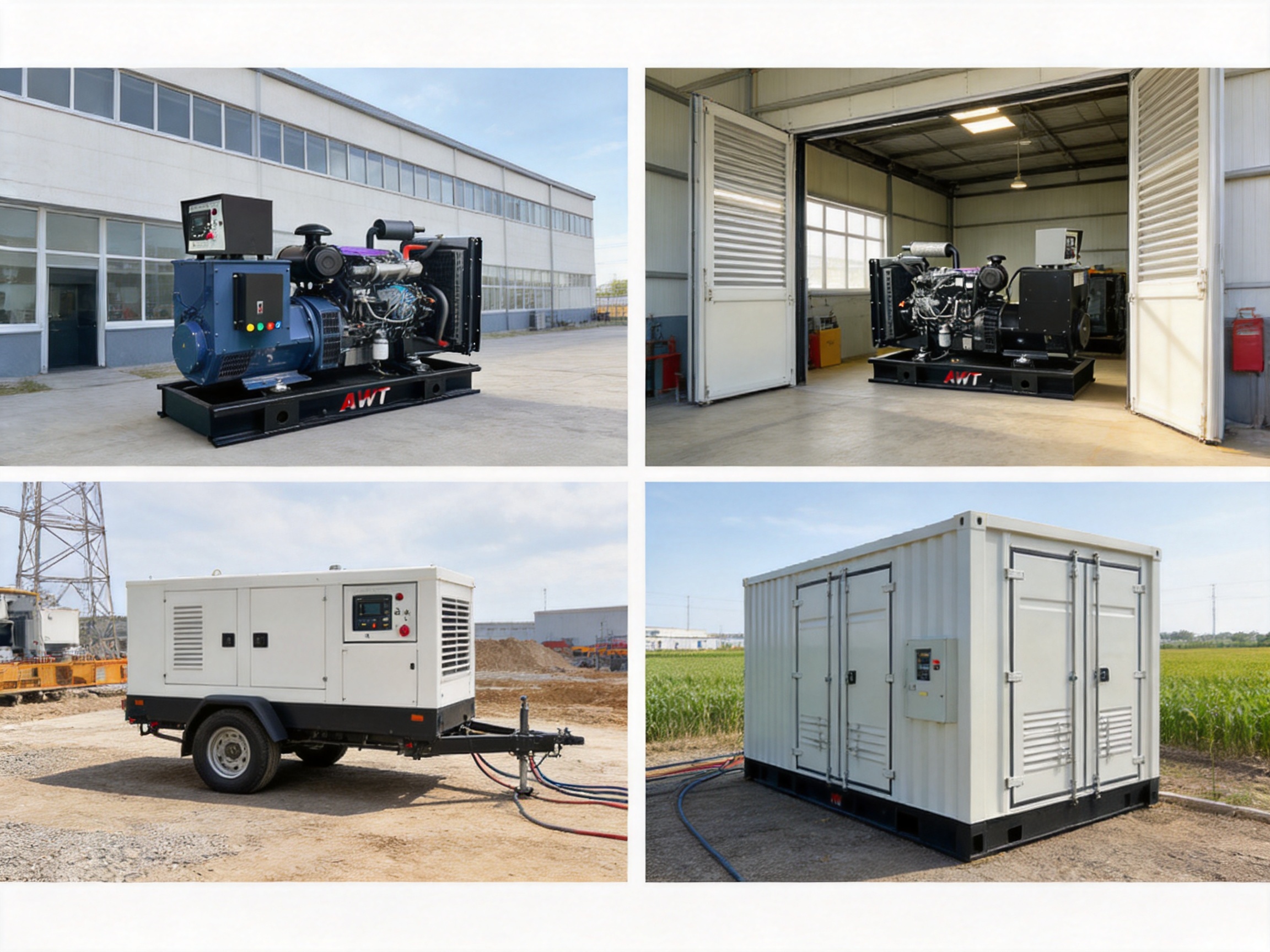
Depending on the selected configuration, the generator can be installed as an open type, silent type, trailer type, or container type. This provides more flexibility than a fixed enclosure design. An open unit may be suitable for a dedicated plant room, while a silent unit may be better for a residential or commercial environment. A trailer-mounted configuration supports mobile work, and a containerized unit is appropriate for outdoor operation and extended unattended service.
Flexible Engine Selection
The universal platform is compatible with mainstream diesel engine brands. This is a significant advantage for customers who have specific requirements related to service availability, spare-parts supply, fuel quality, project specifications, or existing fleet standardization. Available engine platforms across the company’s product range include Cummins, Perkins, Weichai, Yuchai, Volvo, Baudouin, MTU, SDEC, and Mitsubishi, subject to the required output and project configuration.
A universal configuration allows the technical team to select an engine according to the actual duty cycle instead of forcing every customer to use the same engine family. For a remote standby installation, the availability of local filters and service technicians may be the most important consideration. For a construction site with frequent load steps, transient response and cooling capacity may receive greater emphasis. For an agricultural application, fuel tolerance and ease of field maintenance may be prioritized.
Stable Electrical Output
The series uses brushless, full-copper alternators with Class H insulation and IP22–IP23 protection. The brushless structure reduces routine maintenance because it avoids the regular replacement and cleaning associated with conventional brush-type arrangements. Full-copper windings support efficient electrical performance and reliable heat transfer when the alternator is correctly sized for the application.
Stable voltage and frequency are especially important for household appliances, computers, office equipment, communication devices, monitoring systems, small medical equipment, and control circuits. The alternator is selected to match the engine output and the intended voltage and frequency. For applications involving motors, pumps, compressors, or other nonlinear loads, the load profile and starting current are reviewed during configuration.
Intelligent Control and Automatic Operation
The standard intelligent LCD controller provides clear access to operating information and alarm conditions. It can support automatic start and stop, automatic transfer switch operation, real-time monitoring, and protective shutdown functions. Remote monitoring and cloud-based management can also be incorporated when the application requires unattended operation or centralized supervision.
Typical monitored values include voltage, current, frequency, power factor, fuel level, coolant temperature, oil pressure, running hours, and battery condition. Protective functions may include low oil pressure, high coolant temperature, overspeed, underspeed, overvoltage, undervoltage, overload, emergency stop, and charging-system faults.
The controller can be supplied with Deep Sea, SmartGen, ComAp, or another specified control platform, depending on the project requirements. Dry contacts and communication ports allow integration with building management systems, SCADA platforms, security systems, and remote operation panels.
Low Operating and Maintenance Costs
Diesel engines are well suited to standby and intermittent power because they provide strong low-speed torque, efficient fuel consumption, and dependable performance under variable loads. The units in this series are designed with simple service access, visible fluid levels, accessible filters, and a controller that records operating and fault information.
Low fuel consumption is only one part of operating cost. Maintenance intervals, spare-parts availability, service labor, downtime, installation space, and noise-control requirements also affect the total cost of ownership. The universal design helps customers choose a suitable engine platform with an appropriate local support network. The compact layout can reduce room preparation and installation complexity, while the brushless alternator reduces routine electrical maintenance.
Adaptability to Difficult Environments
Generator sets may be installed in humid, dusty, hot, cold, or variable-temperature environments. The selected engine package, air filtration, cooling system, enclosure, and derating requirements must therefore be evaluated together. The series uses turbocharged and intercooled industrial diesel engines, precision fuel injection, triple filtration, optimized cooling, and vibration-control components.
For outdoor applications, the structure may include weatherproof protection, additional corrosion control, an external fuel arrangement, and a trailer or container design. For indoor installations, ventilation, exhaust routing, service clearance, and sound control are reviewed during the preparation of the site drawing.
Core Technical Configuration
Industrial Diesel Engine
The engine is the primary source of mechanical power, so its selection directly affects starting performance, fuel consumption, load acceptance, emissions, maintenance, and service life. The 10kVA–100kVA series uses mainstream small-bore industrial diesel engines with turbocharged intercooling and precision fuel injection where appropriate.
Turbocharging improves the engine’s ability to deliver power from a compact displacement. Intercooling helps manage intake-air temperature and supports stable combustion under load. Precision fuel injection contributes to controlled combustion, efficient fuel use, and responsive operation. The engine package is selected according to the generator rating, duty cycle, ambient conditions, altitude, and expected load pattern.
Fast starting is important for emergency backup. When connected to an automatic transfer system, the generator may need to start and reach stable voltage and frequency within a short period after utility failure. Battery capacity, starter performance, fuel-system condition, ambient temperature, and controller settings all influence starting reliability.
Full-Copper Brushless Alternator
The alternator converts mechanical power from the diesel engine into electrical power. In this series, the alternator uses full-copper windings, brushless construction, Class H insulation, and IP22–IP23 protection. These features are appropriate for small and medium standby applications where stable output and limited maintenance are important.
Class H insulation provides a high thermal insulation class for the winding system. IP22–IP23 protection helps protect internal components against solid objects and water ingress within the stated protection conditions. The exact protection level and enclosure arrangement should be confirmed against the installation environment.
Voltage regulation is selected according to the application and control system. For sensitive loads, the project may require closer attention to voltage stability, waveform quality, harmonic distortion, motor starting, and load-step response. The technical team can review these factors before selecting the final alternator size and excitation arrangement.
Cooling and Filtration System
Reliable heat removal is necessary for continuous performance. The integrated cooling system is designed to support stable engine temperature under rated load. Radiator capacity, fan arrangement, airflow direction, ambient temperature, altitude, enclosure design, and exhaust routing all influence actual cooling performance.
Triple filtration helps protect the engine from contaminants in the incoming air, fuel, and lubricating system. Filter replacement remains essential even when the engine is operated for limited hours because dust, moisture, fuel contamination, and aging lubricants can affect reliability during an emergency start.
Vibration and Noise Control
Vibration can affect the generator foundation, electrical connections, exhaust system, enclosure, and nearby equipment. Lightweight dampers and a suitable base frame help reduce the transmission of mechanical vibration. The foundation or mounting arrangement is selected according to the unit weight, operating speed, site structure, and installation requirements.
For locations near homes, schools, clinics, offices, and commercial buildings, the silent version uses an acoustic canopy and low-noise muffler. The stated noise level for the silent version is up to 75dB(A), subject to measurement conditions, distance, ambient noise, load, installation arrangement, and site acoustics. Where a stricter limit is required, additional acoustic treatment and careful placement may be necessary.
Power Ratings and Typical Applications
The output rating should be chosen from a complete load assessment rather than from the largest connected appliance alone. The assessment should include running kW, apparent power in kVA, power factor, motor starting current, non-linear loads, future expansion, acceptable voltage dip, and whether the generator will operate in standby or prime service.
| Rated Output | Typical Duty | Typical Applications | Recommended Structure |
|---|---|---|---|
| 10kVA–30kVA | Standby, single-phase, or three-phase operation | Homes, villas, shops, monitoring rooms, small clinics, and offices | Open or silent type |
| 30kVA–60kVA | Standby with intermittent prime operation | Restaurants, schools, offices, community facilities, and service outlets | Silent, open, or trailer type |
| 60kVA–100kVA | Standby, temporary production, and site power | Light workshops, agricultural sites, field construction, and temporary events | Silent, trailer, or container type |
Residential Backup Power
Residential users typically need power for lighting, refrigerators, communication equipment, water pumps, security systems, heating or cooling controls, and selected household appliances. A correctly sized generator can maintain essential services during grid outages without requiring the homeowner to operate the unit manually.
An automatic transfer switch can detect utility failure, send a start signal to the generator, transfer the selected circuits, and return the load to the utility when normal power is restored. The essential-load panel should be designed so that the generator is not overloaded by unnecessary circuits.
Commercial Facilities
Shops, restaurants, offices, hotels, homestays, and service outlets can lose revenue when a power interruption stops point-of-sale systems, refrigeration, lighting, ventilation, access control, or communications. A compact silent generator can be installed in a service yard, equipment room, rooftop, or other suitable location, subject to ventilation and exhaust requirements.
Commercial users may also need remote alarms, fuel-level monitoring, scheduled test runs, and automatic weekly or monthly exercising. These functions can be integrated into the control system to reduce dependence on manual inspection.
Schools and Public Service Facilities
Schools, community clinics, health centers, grassroots service stations, and public offices require dependable power for lighting, communication, monitoring, information technology, refrigeration, and selected medical equipment. The low-noise configuration is useful where the generator is located close to classrooms, consultation rooms, residential buildings, or public areas.
Medical equipment must always be reviewed by a qualified electrical engineer. Some devices may require a UPS, voltage conditioning, isolation transformer, or dedicated power-quality solution in addition to a generator.
Light Industrial and Agricultural Sites
Small processing factories, workshops, farms, irrigation sites, and agricultural facilities often operate in areas where utility power is limited or unstable. The generator can supply pumps, lighting, control panels, ventilation equipment, small machines, and temporary production loads.
Motor starting is a key consideration in these applications. Pumps, compressors, fans, and machine tools may require several times their running current during startup. The generator must have sufficient engine reserve, alternator capacity, and transient response to start the largest motor without excessive voltage or frequency reduction.
Outdoor and Emergency Power
Construction sites, maintenance teams, disaster-response operations, temporary events, field camps, and off-grid projects often require power that can be moved between locations. Trailer-mounted units provide mobility, while containerized units offer stronger weather protection and additional space for fuel and control equipment.
The installation must include safe grounding, fuel handling, exhaust discharge, weather protection, cable protection, and access control. Emergency use does not remove the need for safe operation. Operators should follow the manual and local electrical, fuel, noise, and emissions requirements.
Communication and Weak-Current Systems
Small communication stations, monitoring rooms, network equipment rooms, and security systems may consume relatively little active power but require high availability. A generator in this range can support these systems during extended grid failure, especially when combined with batteries or an uninterruptible power supply.
Because electronic equipment can be sensitive to voltage fluctuations and frequency changes, the design should consider starting loads, battery chargers, power-factor correction, harmonic currents, and the sequence in which equipment is connected after transfer.
Structure Options for Different Sites
Silent Type
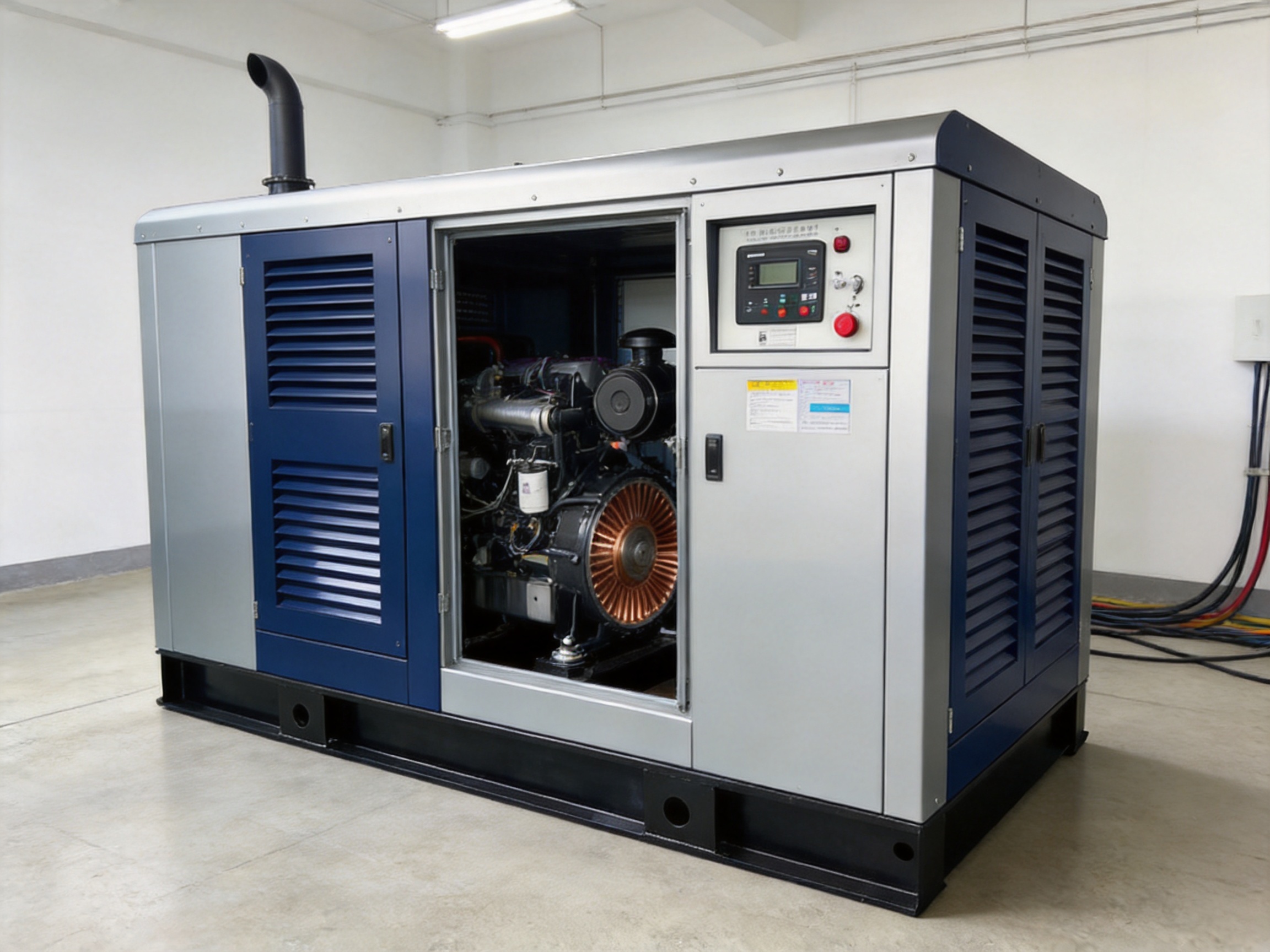
The silent type uses an enclosed canopy, acoustic materials, vibration control, and a low-noise exhaust system. It is suitable for residential communities, schools, clinics, shops, offices, and other locations where sound must be managed. The canopy also provides a degree of protection from weather and unauthorized access.
Even a silent generator requires adequate cooling-air intake, hot-air discharge, exhaust ventilation, and service access. Placing the unit in a confined room without suitable airflow can cause overheating and reduced output.
Open Type
The open type is installed on a base frame and is suitable for dedicated generator rooms, industrial workshops, plant rooms, and locations where the building itself provides acoustic and weather protection. It is generally straightforward to inspect and service because the engine and alternator are exposed.
An open unit may be a cost-effective choice where the site already includes a suitable foundation, ventilation system, exhaust arrangement, fuel system, and fire-safety provisions.
Trailer Type
The trailer type is intended for mobile power requirements. It can support construction, agricultural irrigation, outdoor events, road maintenance, emergency work, and temporary utility service. The trailer must be matched to the generator weight, axle load, towing method, braking system, road regulations, and site terrain.
Before movement, cables, doors, fuel lines, batteries, exhaust components, and loose accessories should be secured. After arrival, the unit should be positioned on stable ground and grounded according to the operating instructions.
Container Type
Containerized generator sets are suitable for outdoor operation, long-term projects, and installations requiring a weatherproof enclosure. The container can accommodate ventilation equipment, control panels, fuel systems, sound attenuation, and maintenance access.
Container design must be based on the actual engine heat rejection, airflow requirement, ambient temperature, exhaust back pressure, noise target, and service arrangement. A standard shipping container may not automatically provide the cooling and maintenance conditions required by a running generator.
Manufacturing Process and Quality Control
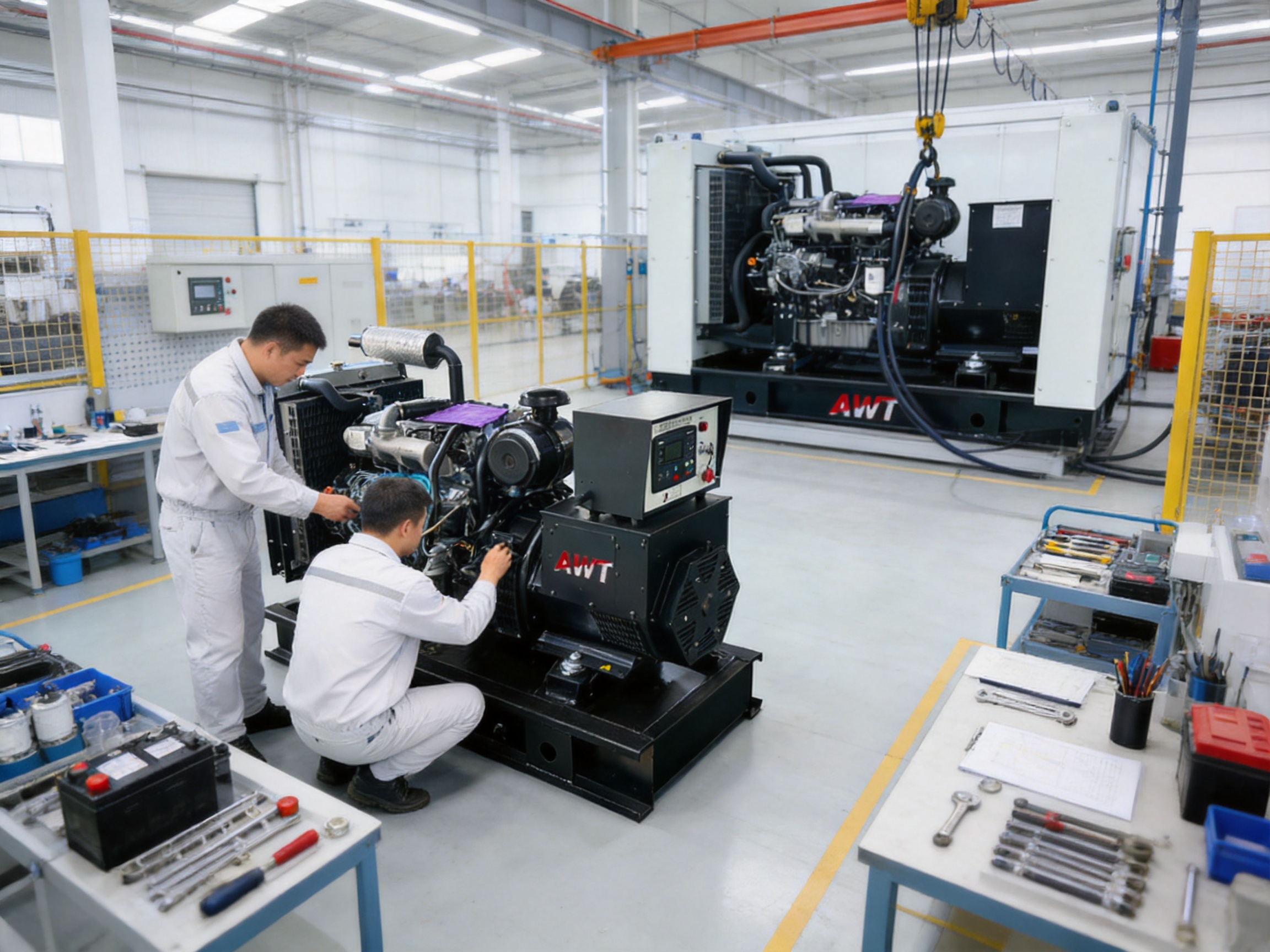
Product reliability depends not only on the engine brand or alternator specification but also on how the complete generator set is assembled, wired, tested, and documented. Yangzhou Aiweite Electromechanical Co., Ltd. uses a structured manufacturing process covering component selection, incoming inspection, mechanical assembly, electrical integration, controller programming, load testing, and final release.
Engineering Review Before Production
Each project begins with a review of the application and technical requirements. Engineers consider the load list, power factor, motor starting demand, standby or prime duty, voltage, frequency, phase arrangement, control interface, enclosure type, ambient temperature, altitude, noise requirement, fuel system, and destination standards.
This review reduces the risk of selecting a generator that appears adequate by kW but cannot handle the starting kVA or transient demand. It also ensures that the controller, ATS, circuit breaker, cables, terminals, and monitoring interface are compatible with the intended installation.
Component Inspection
Key components are inspected before assembly. This includes the engine, alternator, radiator, base frame, control panel, battery system, circuit breaker, fuel tank, exhaust components, dampers, wiring materials, and enclosure parts. Identification, dimensions, connection points, and visible condition are checked against the production requirements.
Component inspection helps prevent avoidable problems such as incorrect voltage configuration, mismatched control wiring, unsuitable mounting holes, incorrect radiator arrangement, or incompatible accessories.
Mechanical Assembly
The engine and alternator are mounted on a common base frame with suitable coupling and vibration-control components. The radiator, fan guard, exhaust system, fuel system, battery, charger, filters, and service panels are then installed according to the selected structure.
Mechanical fitting inspections verify alignment, fastening, clearances, hose routing, belt or coupling condition, exhaust support, fuel-line security, and access to maintenance points. Proper assembly helps limit vibration, leakage, overheating, and premature component wear.
Electrical Integration
The electrical assembly includes alternator connections, circuit breakers, control wiring, sensors, batteries, chargers, emergency-stop circuits, communication ports, and optional ATS interfaces. Wiring is routed and identified for easier inspection and future maintenance.
The control system is configured according to the voltage, frequency, phase, engine protection requirements, and remote-control functions. Where a customer specifies Deep Sea, SmartGen, ComAp, or another controller, the point list and communication requirements are reviewed before final programming.
Load and Performance Testing
Before shipment, each generator set undergoes testing that may include operation from zero to 110 percent of rated capacity, step-load response, continuous running endurance, voltage and frequency stability, emergency protection, and automatic start and transfer functions where included in the order.
Testing at loads above the rated output helps verify the generator’s ability to tolerate short-duration overload conditions within the applicable design and testing limits. Step-load testing evaluates the response when large loads are connected. Endurance testing helps identify abnormal temperature rise, leakage, vibration, wiring faults, or unstable control behavior.
Factory test records are issued with the shipment. The documentation package can include operation and maintenance manuals, wiring diagrams, control diagrams, component lists, test records, inspection documents, and additional project-specific materials.
How the Product Compares with Basic Generator Packages
Many low-cost generator packages are assembled primarily around a nominal kVA number. Although the price may appear attractive, such products may provide limited engine choice, basic controls, insufficient documentation, restricted service access, or inadequate consideration of motor starting and site conditions.
The 10kVA–100kVA universal series offers several practical advantages over a basic package:
- Multiple mainstream engine platforms can be considered instead of one fixed engine source.
- Brushless full-copper alternators reduce routine maintenance and provide stable electrical output.
- Intelligent control systems support automatic operation, monitoring, and protective shutdown.
- Silent, open, trailer, and container structures address different installation environments.
- Factory load testing verifies operation under realistic electrical conditions before delivery.
- Site preparation drawings help coordinate foundation, airflow, exhaust, fuel, cable, and service requirements.
- Documentation and spare-parts support improve long-term maintainability.
- The same manufacturer can supply systems across a broad 1kVA–2,500kVA product range.
These advantages do not mean that every configuration is automatically suitable for every application. Correct sizing, installation, operation, and maintenance remain essential. The value of the universal platform is that these factors can be reviewed and adjusted before the final unit is manufactured.
Installation Requirements
A generator set should be installed by qualified personnel according to local electrical and safety requirements. A compact generator still needs sufficient space for ventilation, exhaust discharge, fuel supply, electrical connection, inspection, and service access.
Foundation and Vibration Mounting
The foundation must support the total operating weight and resist vibration. Anti-vibration mounts or a suitable concrete base may be required. The floor should be level enough to prevent stress on the frame, exhaust system, fuel connections, and electrical conduits.
Cooling Air and Ventilation
Radiator air intake and hot-air discharge must be planned so that heated air does not recirculate into the radiator. The room or enclosure must provide sufficient fresh air for combustion and cooling. High ambient temperature or high altitude may require derating or additional ventilation capacity.
Exhaust System
The exhaust pipe should be supported independently where necessary and routed to a safe discharge point. Excessive back pressure can reduce engine performance and increase temperature. Exhaust outlets must be positioned to prevent gases from entering occupied spaces, air intakes, or neighboring buildings.
Fuel and Starting Systems
The standard system includes a battery and charger. Long standby periods require regular battery inspection and charging-system checks. Fuel tanks, day tanks, external supply lines, filters, shut-off valves, and fuel-return arrangements should be designed for the expected operating duration and site conditions.
Electrical Connection and Grounding
Cable size, breaker capacity, neutral arrangement, phase sequence, grounding, and transfer equipment must be matched to the generator and the site distribution system. The generator neutral may be bonded or isolated depending on the system design and local requirements. This decision should be made by a qualified electrical professional.
Maintenance and Service Support
Regular maintenance ensures that the generator will start when required. The first service should follow the engine manufacturer’s recommended interval, with later maintenance based on operating hours, standby duration, fuel quality, and environmental conditions.
- Check engine oil, coolant, fuel level, battery condition, and visible leakage.
- Inspect air, fuel, and oil filters according to the service schedule.
- Test the battery charger and starting circuit during extended standby periods.
- Inspect belts, hoses, terminals, exhaust components, dampers, and fasteners.
- Run the generator periodically under an appropriate load.
- Carry out an annual load test to confirm that the unit can still carry its rated demand.
- Review controller alarms, operating hours, voltage, frequency, and fuel information.
Aiweite supplies engine components, alternator parts, electrical and control-system components, filters, consumables, and other service items. Access to appropriate spare parts helps reduce downtime and supports consistent maintenance over the service life of the equipment.
Configuration Information Required for a Quotation
A reliable quotation requires more than a requested kVA number. The following information allows the technical team to prepare a suitable configuration, drawing package, and commercial offer.
| Required Information | Purpose |
|---|---|
| Running load list and largest motor starting kVA | Determines generator capacity, engine reserve, and acceptable voltage dip |
| Voltage, frequency, phase, and neutral arrangement | Defines alternator winding, circuit breaker, and distribution requirements |
| Standby, prime, or continuous duty | Determines engine rating, cooling margin, and service expectations |
| Indoor or outdoor installation, ambient temperature, and altitude | Supports derating, cooling, enclosure, and ventilation decisions |
| Noise limit and nearby sensitive locations | Determines whether silent construction or additional acoustic treatment is required |
| ATS, remote start, BMS, SCADA, or cloud-monitoring requirements | Matches the controller, communication ports, and control panel arrangement |
| Fuel autonomy and tank requirements | Determines the fuel tank, day tank, and external supply arrangement |
| Destination, inspection, labeling, and documentation requirements | Defines packing, certification, testing, and delivery scope |
Frequently Asked Questions
What is the difference between kVA and kW?
kVA is the apparent power rating of the alternator, while kW is the active power available to operate electrical equipment. The relationship depends on power factor. For example, a 100kVA generator operating at a power factor of 0.8 can provide approximately 80kW of active power. Both values should be considered when checking the load.
Can the generator operate automatically during a power failure?
Yes. When equipped with an intelligent controller and automatic transfer switch, the generator can detect utility failure, start automatically, stabilize voltage and frequency, transfer the selected load, and return the load to utility power when the grid is restored. Remote monitoring can be added for unattended sites.
Which engine brand is best for this power range?
There is no single best brand for every project. The decision depends on local service coverage, spare-parts availability, fuel quality, duty cycle, budget, emissions requirements, and customer preference. The universal platform allows these factors to be considered before the engine is selected.
Can the generator supply motors and pumps?
Yes, but motor starting must be included in the sizing calculation. The starting current of a pump, compressor, fan, or machine tool may be several times its running current. Soft starters, variable-frequency drives, sequential starting, or additional generator capacity may be required depending on the application.
Is the silent generator completely noiseless?
No diesel generator is completely silent. The silent version reduces engine, exhaust, cooling-fan, and structural noise through an acoustic canopy and muffler system. The stated noise level is up to 75dB(A) under specified measurement conditions. Actual site noise depends on distance, load, installation, surrounding structures, and background noise.
Can the unit be installed outdoors?
Yes. A weatherproof silent, trailer, or containerized structure can be selected for outdoor use. The installation must still provide proper grounding, fuel protection, exhaust discharge, ventilation, drainage, access control, and service clearance.
How often should the generator be tested?
Testing frequency depends on the application and local requirements. Standby generators should be exercised regularly, and an annual load test is recommended to confirm that the unit can carry its rated load. Battery condition, fuel quality, coolant, oil, and alarms should also be checked during standby periods.
Can the controller connect to a building management system?
Yes. Dry contacts, communication ports, and remote monitoring functions can be provided for BMS, SCADA, security, or facility-management systems. The protocol, point list, alarm requirements, and communication method should be agreed during configuration.
What documents are supplied with the generator?
The standard documentation package can include operation and maintenance manuals, wiring diagrams, control diagrams, component lists, factory test records, and installation information. Customs, inspection, project handover, and customer-specific documents can be prepared when required.
What makes the universal design beneficial?
The universal design allows the generator to be configured around the project rather than around a single fixed engine package. Customers can consider engine service networks, alternator requirements, control preferences, enclosure type, fuel conditions, noise limits, and site restrictions before production. This improves flexibility and can reduce long-term operating risk.
Conclusion
The 10kVA–100kVA universal diesel generator set series provides a practical balance between compact size, stable electrical output, flexible configuration, low operating cost, and dependable automatic operation. It is suitable for homes, commercial facilities, schools, clinics, light industrial sites, agricultural operations, communication rooms, construction projects, and emergency power applications.
Its main strengths include compatibility with mainstream diesel engine brands, brushless full-copper alternators, Class H insulation, intelligent LCD control, automatic transfer capability, optimized cooling, triple filtration, low-noise construction, and multiple structure options. These features are supported by engineering review, controlled assembly, factory load testing, documentation, and after-sales spare-parts support.
Yangzhou Aiweite Electromechanical Co., Ltd. combines manufacturing experience, a product range from 1kVA to 2,500kVA, flexible OEM and ODM capability, and project-oriented technical support. By reviewing the load profile, site conditions, duty cycle, control requirements, and local service considerations, the company can provide a generator configuration that is more closely matched to the real application.
For customers seeking dependable standby or temporary power in the 10kVA–100kVA range, the most important step is not simply choosing a nominal output. It is selecting the correct engine, alternator, control system, structure, installation arrangement, and maintenance plan as one complete power solution.
References
ISO 8528, Reciprocating Internal Combustion Engine Driven Alternating-Current Generating Sets.
GB/T 2828, Sampling Procedures and Tables for Inspection by Attributes.
International Electrotechnical Commission, rotating electrical machine insulation and protection classification guidance.
Diesel engine manufacturer operation, maintenance, and service documentation.
Alternator manufacturer technical manuals and application guidelines.
Generator set installation, electrical protection, grounding, ventilation, and exhaust safety practices.