English
 Français
 Español
Container Type Diesel Generator Sets for Reliable Outdoor Power
Oct 24, 2026
Content
- 1 What Is a Container Type Diesel Generator Set?
- 2 Product Range and Configuration Flexibility
- 3 Advantages Over Conventional Outdoor Generator Solutions
- 4 Engineering Design of the Container Enclosure
- 5 Diesel Engine and Alternator Integration
- 6 Cooling, Ventilation, and Thermal Performance
- 7 Fuel System and Operating Endurance
- 8 Control, Protection, and Remote Monitoring
- 9 Advanced Manufacturing Process
- 10 Quality Management and International Project Support
- 11 Application Scenarios
- 12 Installation Requirements
- 13 Operation and Maintenance
- 14 Limitations and Design Considerations
- 15 How to Select the Correct Container Generator
- 16 Why Factory Integration Creates Competitive Value
- 17 Recommended Project Workflow
- 18 Frequently Asked Questions
- 18.1 What power range is available for container type diesel generator sets?
- 18.2 Can the generator be supplied with a specific engine brand?
- 18.3 Are container generator sets suitable for continuous operation?
- 18.4 Can the units operate in hot, cold, dusty, or coastal environments?
- 18.5 How quiet is a containerized generator?
- 18.6 Can several container gensets operate in parallel?
- 18.7 What foundation is required?
- 18.8 Does the container include a fuel tank?
- 18.9 How is the generator tested before delivery?
- 18.10 What information is needed for a quotation?
- 18.11 Is installation support available?
- 18.12 How can service life be maximized?
- 19 Conclusion
- 20 References
- 21 Product: Container Type Diesel Generator Sets
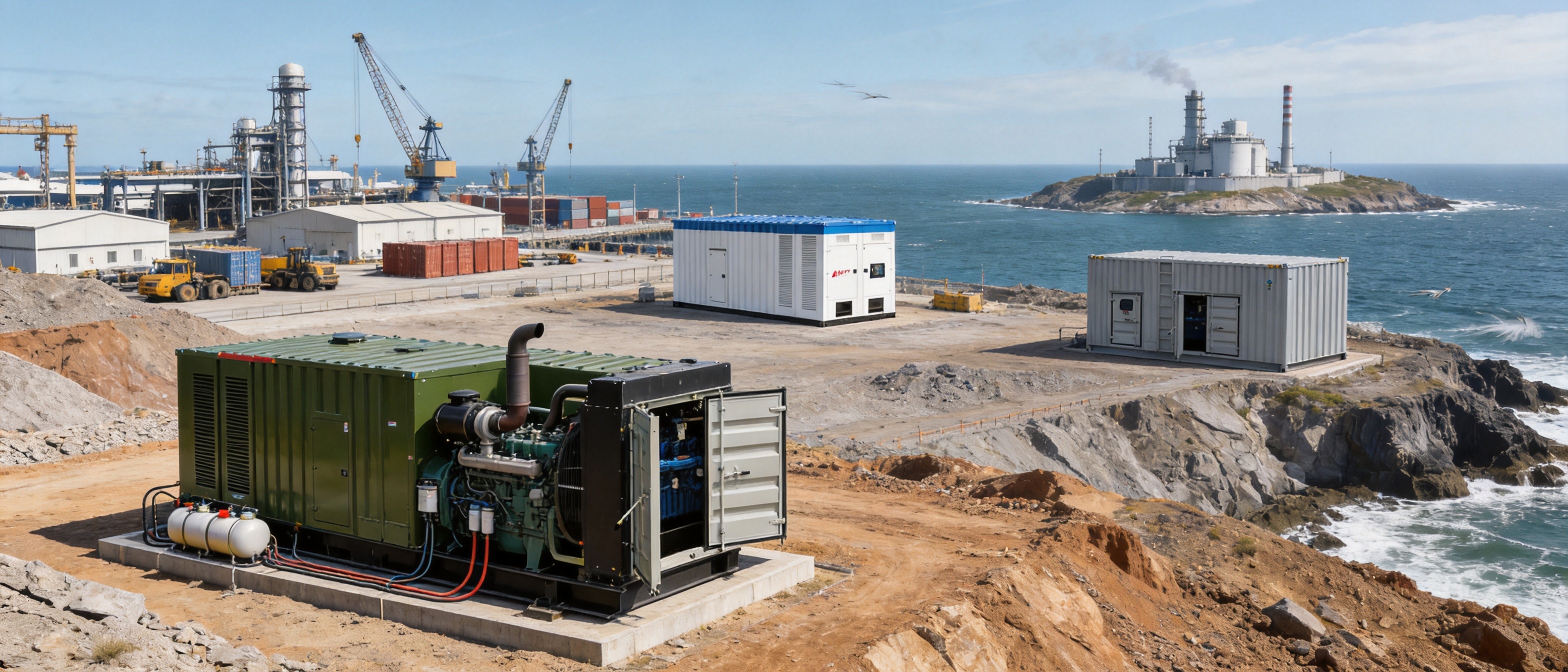
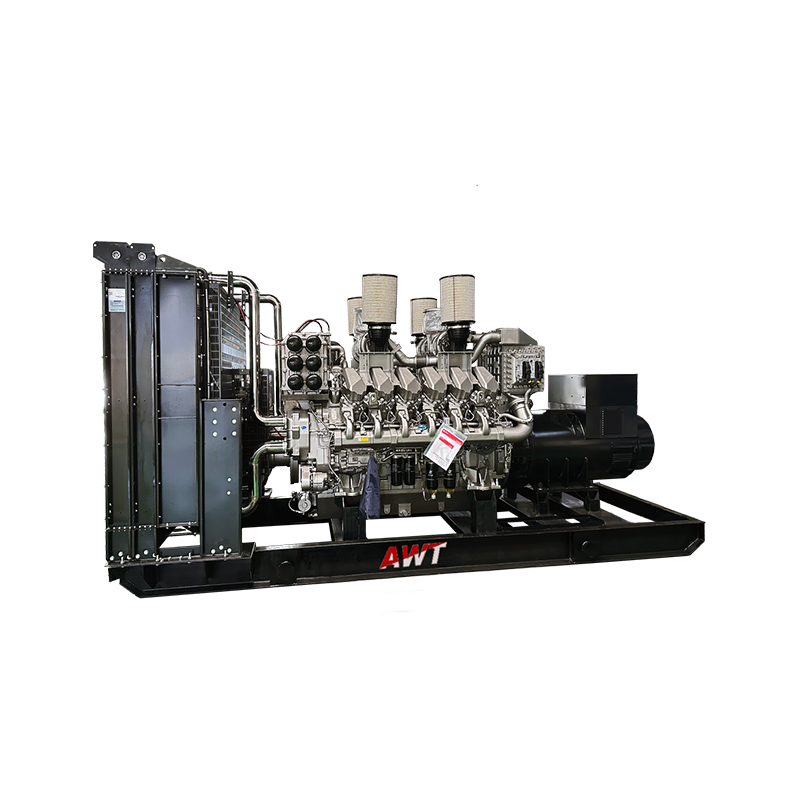
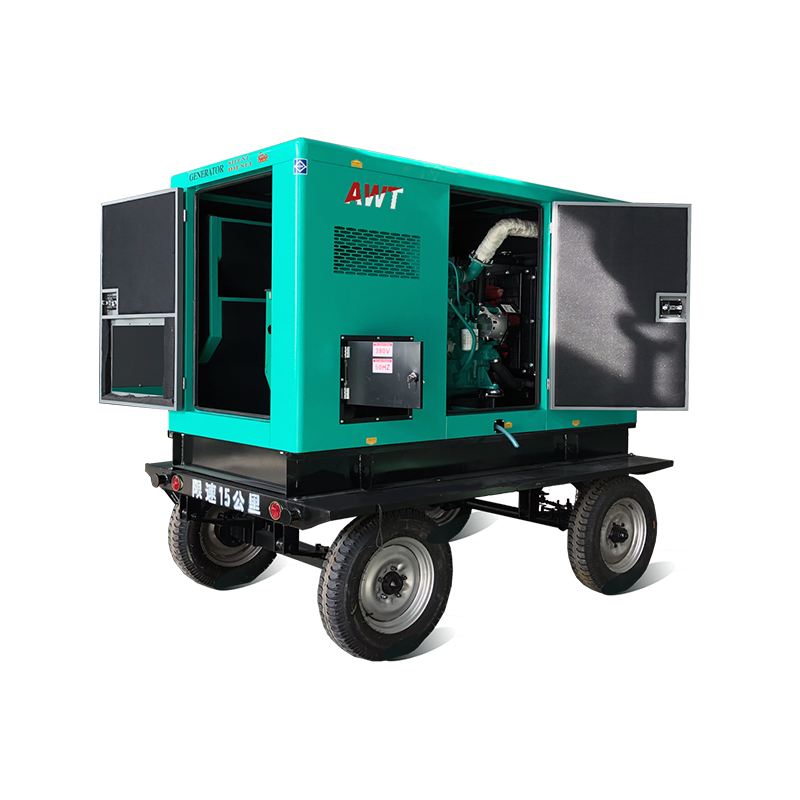
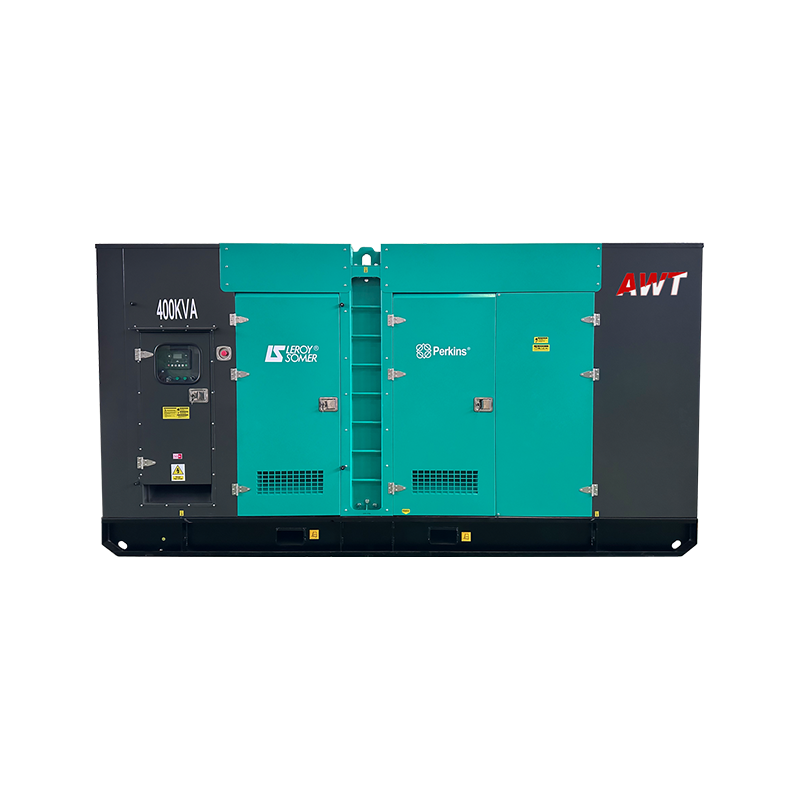
Container type diesel generator sets are engineered power systems that combine a diesel engine, alternator, fuel system, cooling equipment, control panel, exhaust treatment, acoustic materials, and protective enclosure within a standard container shell. Unlike conventional open-type generator sets, these systems are designed to operate as complete outdoor power stations with reduced installation work and improved protection against weather, dust, noise, and unauthorized access.
Built in accordance with ISO 8528 industrial generator standards, containerized gensets are suitable for standby, prime, and continuous power applications. They are widely used in industrial parks, municipal projects, construction sites, data centers, ports, mining operations, oilfields, logistics facilities, islands, and remote off-grid bases. Their factory-integrated structure allows a project owner to transport, position, connect, test, and commission the equipment with fewer site-based construction activities.
Yangzhou Aiweite Electromechanical Co., Ltd. manufactures container type diesel generator sets across a power range of 10 kVA to 2500 kVA. The company combines heavy-duty generator platforms with standard 20-foot or 40-foot container shells and configures each system according to the required engine brand, alternator performance, control method, environmental conditions, noise limit, voltage, frequency, and operating profile.
The result is a practical power solution for projects that need dependable electricity in locations where a dedicated generator building is unavailable, expensive, or impractical. With factory assembly, documented testing, modular configuration, and service support, containerized generator sets provide a balance of mobility, durability, sound control, and long-term operating stability.
Container Type Diesel Generator Sets
What Is a Container Type Diesel Generator Set?
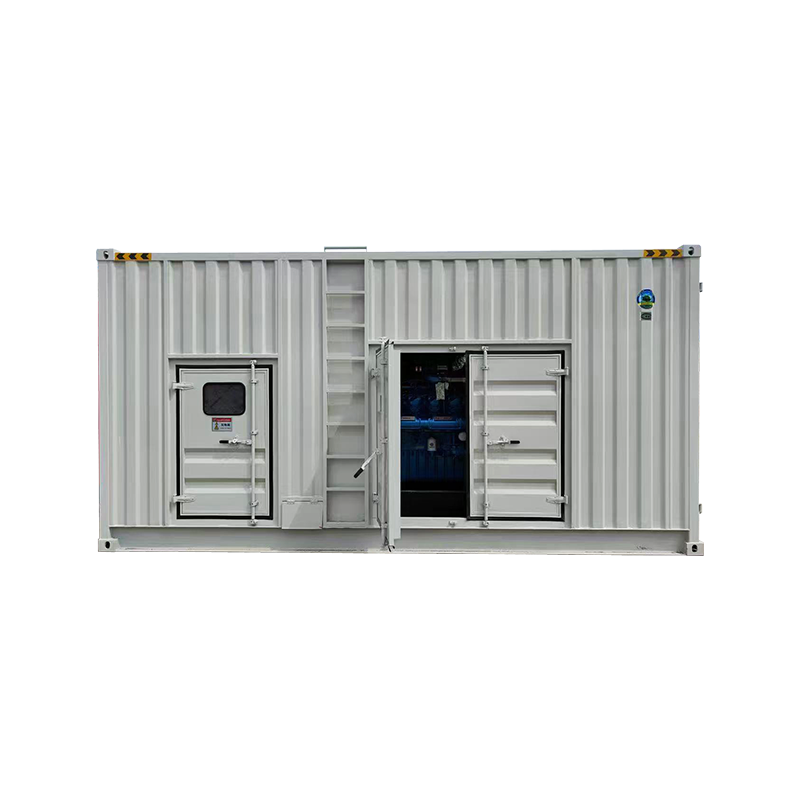
A container type diesel generator set is a complete generating system installed inside a modified ISO-standard container enclosure. The enclosure is not merely a shipping box. It is engineered with ventilation openings, acoustic treatment, access doors, cable entry points, exhaust routing, lighting, fire protection provisions, fuel connections, and maintenance access areas.
The generator assembly normally includes a diesel engine, brushless alternator, radiator, starting batteries, battery charger, control panel, circuit breaker, fuel tank or external fuel connection, exhaust silencer, flexible exhaust connection, emergency stop system, and protective monitoring devices. Depending on the project, the container can also accommodate automatic transfer switch interfaces, synchronization equipment, remote monitoring devices, additional fuel storage, fire detection, heating systems, or winterization packages.
The container structure provides a controlled operating environment for the generator. It protects internal components from direct rain, blowing dust, wind, solar exposure, salt spray, and accidental contact. At the same time, the ventilation system removes engine heat and supplies the combustion air required for stable performance.
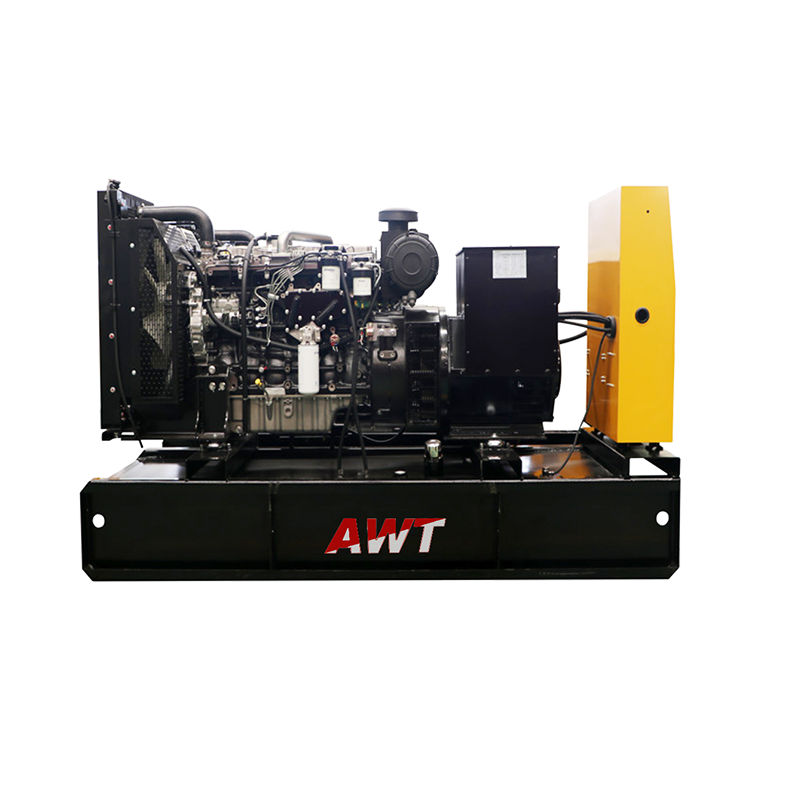
Containerized systems are especially valuable when power equipment must be installed outdoors. An open generator set may require a separate building, acoustic barrier, weather canopy, security fence, ventilation system, and fire protection arrangement. A container genset integrates many of these functions into one factory-engineered package, reducing the number of separate construction interfaces at the project site.
Product Range and Configuration Flexibility
The product range extends from 10 kVA to 2500 kVA, allowing the same general platform concept to serve small remote installations and large industrial power stations. The appropriate rating is selected according to the continuous load, starting current, motor characteristics, required standby capacity, altitude, ambient temperature, duty cycle, and future expansion plan.
Smaller containerized units can support telecommunications facilities, temporary construction services, remote workshops, agricultural installations, and small commercial buildings. Medium-capacity units are commonly applied to factories, warehouses, municipal infrastructure, hospitals, and distributed power systems. Larger units can serve industrial parks, data centers, major logistics facilities, oil and gas projects, and centralized power stations.
The use of standard 20-foot and 40-foot container dimensions simplifies transportation planning and supports integration with conventional lifting, shipping, and site handling equipment. The enclosure can be customized with thermal insulation, corrosion-resistant coatings, special doors, internal partitions, additional fuel capacity, low-noise materials, or cold-weather equipment.
| Configuration Item | Available Options | Project Benefit |
|---|---|---|
| Rated power | 10 kVA to 2500 kVA | Matches small remote loads through large industrial demand |
| Container size | Standard 20-foot or 40-foot shell | Supports transport, lifting, and modular site planning |
| Engine platform | Cummins, Perkins, Volvo, MTU, Weichai, Yuchai, Baudouin, SDEC, Mitsubishi, and other mainstream brands | Allows selection according to service network, fuel availability, and performance requirements |
| Frequency | 50 Hz or 60 Hz | Suitable for domestic and international electrical systems |
| Electrical output | Common low-voltage and selected medium-voltage configurations | Adapts to different distribution networks |
| Operating mode | Standby, prime, or continuous power | Supports emergency backup and long-term independent generation |
| Control system | Deep Sea, SmartGen, ComAp, PLC, and customized control solutions | Enables automatic start, parallel operation, and remote monitoring |
Advantages Over Conventional Outdoor Generator Solutions
Integrated Weather Protection
The principal advantage of a container type diesel generator set is its integrated enclosure. The container protects the engine and electrical equipment against rain, snow, windblown dust, direct sunlight, and many common outdoor contaminants. This protection is particularly important when the generator must operate near a construction area, quarry, port, desert site, or unpaved access road.
The enclosure can be configured with anti-corrosion paint systems and protective treatment for coastal or high-humidity applications. Where salt spray, condensation, or airborne chemicals are present, the selection of coating, fasteners, cable glands, louvers, and internal materials becomes an important part of the engineering process.
Compared with a basic open-frame generator under a simple canopy, the container structure offers a more controlled and secure installation. It reduces exposure to environmental damage and can also restrict access by unauthorized personnel.
Lower Site Construction Requirements
An open generator set often requires a weatherproof building or shelter, noise-control walls, ventilation openings, exhaust routing, lighting, fire protection, and security arrangements. These works increase civil construction time and create coordination challenges between the generator supplier, civil contractor, electrical contractor, and facility operator.
A containerized generator arrives as a highly integrated package. The site generally requires a level foundation, suitable lifting access, fuel connections, exhaust or ventilation considerations, electrical cabling, grounding, and commissioning. The exact requirements depend on the project specification, but the number of separate construction activities is normally reduced.
This advantage is significant for remote projects and temporary facilities. Where local construction resources are limited, a factory-assembled package can be installed faster and with fewer opportunities for field assembly errors.
Improved Noise Control
Diesel engines, cooling fans, exhaust systems, and alternators generate different types of sound. Container gensets address these sources through a combination of exhaust silencers, acoustic insulation, sound-absorbing panels, inlet and outlet attenuators, vibration isolation, and controlled airflow design.
The acoustic treatment can be selected according to the site noise limit. Industrial sites may require moderate sound reduction, while urban projects, hospitals, residential developments, schools, and commercial facilities may require a more advanced low-noise configuration.
A properly designed acoustic system must reduce noise without restricting the air required for combustion and cooling. Aiweite’s engineering approach treats ventilation and sound control as connected design requirements. This helps avoid the common problem in which excessive acoustic restriction causes high internal temperature, reduced engine performance, or premature component wear.
Fast Deployment and Relocation
Containerized generator sets are delivered as transportable modules. Once the foundation and connection points are prepared, the equipment can be lifted into position and connected to the site systems. This is generally faster than constructing a dedicated generator room and assembling an open generator set with separate accessories.
The standard enclosure also supports relocation when project needs change. Construction contractors, emergency response organizations, mining operators, and rental power providers can move the unit between sites using suitable transport and lifting equipment.
Although the container is transportable, the generator should not be treated as a lightweight portable appliance. Large units require proper route planning, crane capacity verification, foundation design, cable protection, fuel logistics, and compliance with local transport regulations.
Enhanced Security and Equipment Protection
Container walls, lockable access doors, protected control panels, and controlled cable entries provide a stronger physical barrier than an exposed generator. This is useful at unmanned substations, remote pumping stations, temporary construction compounds, and off-grid facilities where equipment may be exposed to unauthorized access or accidental impact.
The enclosure also helps keep internal components cleaner. Reduced contamination can improve the service interval of filters, electrical connections, control equipment, and radiator surfaces, although scheduled inspection remains essential in every environment.
Engineering Design of the Container Enclosure
The container is designed around the generator’s operating requirements rather than used as an unmodified standard box. Openings are positioned to support a planned airflow path from the air inlet to the radiator discharge. Internal clearances are reserved for inspection, filter replacement, belt adjustment, battery access, and control panel operation.
Large service doors or removable panels can be provided for major maintenance. Smaller access doors may be installed for daily checks and routine operation. The layout must balance compactness with serviceability because an excessively crowded container can increase maintenance time and create safety risks.
The steel shell is reinforced where necessary to support lifting forces and equipment loads. Lifting points are engineered according to the total operating weight, which may include fuel, coolant, batteries, silencers, and optional auxiliary systems. The final lifting arrangement should be reviewed before transportation and installation.
Internal surfaces may be treated with insulation and sound-absorbing materials. The materials must be selected to withstand vibration, temperature variation, oil mist, and normal service conditions. Where fire protection is specified, the internal design can include fire detection, alarm devices, emergency shutdown, and connection points for an external suppression system.
Cable entry points are arranged to prevent unnecessary water ingress and to simplify connection to the facility distribution board. Depending on the project, cable routing may be through the bottom, side, or end of the container. The location should be confirmed before foundation construction because it affects trench design and equipment orientation.
Diesel Engine and Alternator Integration
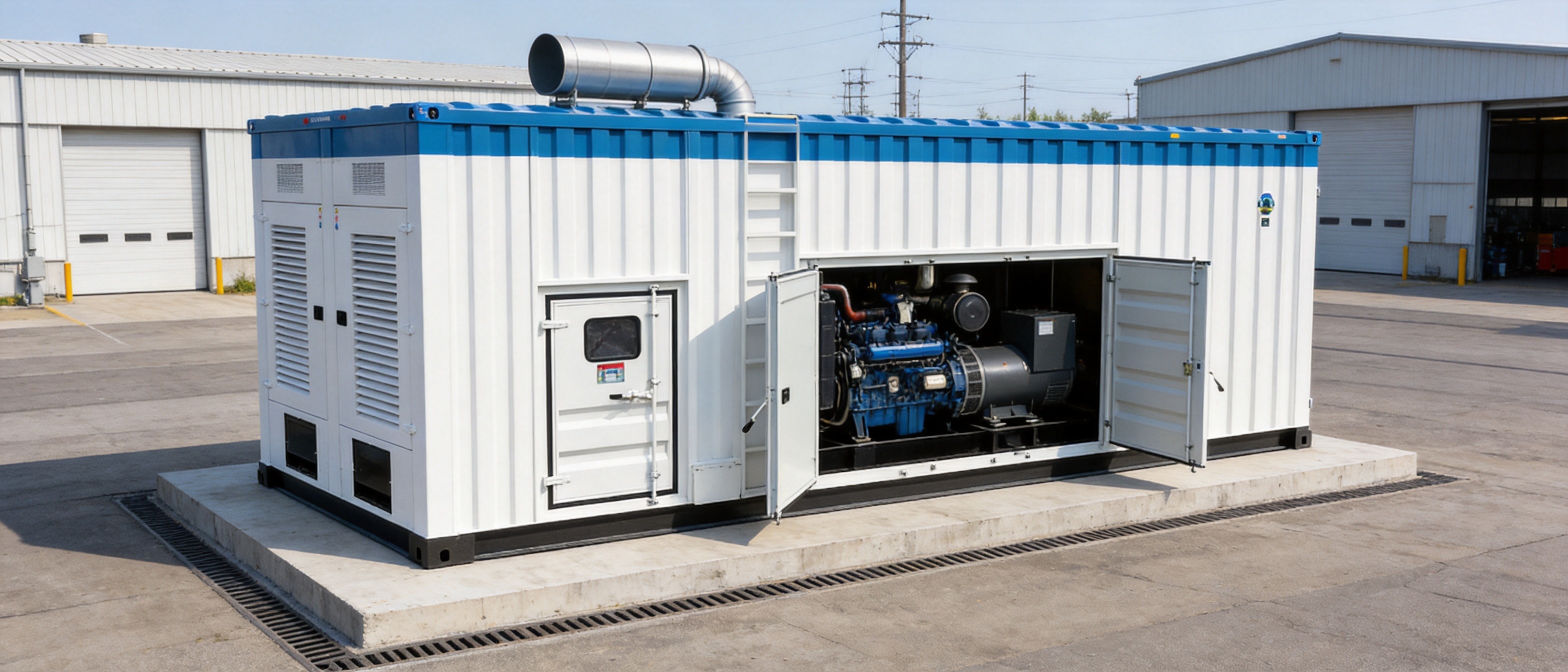
The engine and alternator are selected as a matched generating package. Engine selection considers rated output, fuel consumption, transient response, service availability, emissions requirements, operating altitude, ambient temperature, and expected load profile. A generator intended for emergency standby service may be configured differently from one designed for continuous prime power.
Mainstream engine brands such as Cummins, Perkins, Volvo, MTU, Weichai, Yuchai, Baudouin, SDEC, and Mitsubishi can be integrated according to project requirements. Customers may select a preferred brand because of existing maintenance capability, regional spare-part availability, fuel quality, fleet standardization, or operator familiarity.
The alternator must provide stable voltage and frequency under changing loads. Important characteristics include automatic voltage regulation, insulation class, protection level, short-circuit capability, winding design, excitation system, and compatibility with the intended control panel. For facilities with large motors, transformers, pumps, or variable loads, transient performance and motor-starting capability should be evaluated during the quotation stage.
Mechanical and electrical compatibility is verified during assembly. The engine flywheel, adapter housing, coupling, mounting arrangement, alternator frame, and vibration isolators must work together as one system. Accurate alignment helps reduce vibration, bearing stress, coupling wear, and unnecessary noise.
Cooling, Ventilation, and Thermal Performance
Heat management is one of the most important technical aspects of a containerized generator. The engine produces heat through combustion, the radiator releases coolant heat, the alternator generates electrical losses, and the exhaust system adds additional thermal energy. If this heat is not removed effectively, the generator may experience high coolant temperature, derating, reduced service life, or shutdown.
The container ventilation system is designed around the radiator airflow, combustion-air demand, fan capacity, pressure loss, and site ambient conditions. Air intake louvers admit fresh air, while the radiator discharge directs heated air outside the enclosure. Flexible connections and air ducts help control vibration and prevent hot discharge air from recirculating into the intake.
High-temperature and high-altitude locations may require an upgraded radiator, larger air openings, modified fan selection, engine derating calculations, or additional cooling equipment. Cold climates may require jacket-water heaters, battery heaters, insulation, or controlled ventilation during startup.
The engineering process should consider the worst expected operating conditions rather than only standard laboratory conditions. Desert dust, coastal humidity, blocked louvers, high solar radiation, and frequent load changes can all affect thermal performance. Factory testing and site commissioning provide opportunities to verify the cooling arrangement before full operation.
Fuel System and Operating Endurance
Containerized generator sets can be equipped with an integrated base fuel tank or connected to an external bulk fuel system. The correct arrangement depends on the required autonomy, power rating, site regulations, available space, and refueling method.
An integrated tank provides a compact solution for short-term standby operation or smaller installations. Larger projects may require a separate day tank, bulk storage tank, automatic fuel transfer pump, level sensors, filtration, leak detection, and emergency shutoff valves. Fuel lines should be protected against mechanical damage and installed in accordance with applicable safety requirements.
Fuel quality has a direct effect on engine reliability. Water, sediment, microbial contamination, and long-term storage degradation can obstruct filters and damage injection components. The operating plan should include fuel inspection, tank cleaning, filter replacement, and periodic fuel turnover where the generator is used mainly for standby service.
The required fuel autonomy should be calculated from the rated load, expected load profile, engine fuel consumption, reserve requirement, and refueling access. A project that requires uninterrupted operation for several days will need a more extensive fuel system than a facility using the generator for short emergency events.
Control, Protection, and Remote Monitoring
The control system is the operating interface between the generator and the user. It displays voltage, frequency, current, power, engine speed, coolant temperature, oil pressure, fuel level, battery voltage, running hours, alarms, and shutdown conditions. It also manages automatic starting, stopping, transfer signals, and emergency shutdown functions.
Control platforms such as Deep Sea, SmartGen, ComAp, and customized PLC systems can be installed according to the project requirement. The choice depends on the required communication protocol, synchronization function, remote access, user interface, data logging, and integration with the facility management system.
Protective functions may include low oil pressure shutdown, high coolant temperature shutdown, overspeed protection, overcurrent protection, short-circuit protection, under-voltage and over-voltage alarms, under-frequency and over-frequency alarms, emergency stop, battery charging failure, and fuel-level warnings.
For multiple generator installations, synchronization controls allow two or more units to operate in parallel. The system can share load between units, start or stop generators according to demand, and maintain supply during maintenance or partial equipment failure. Parallel operation must be engineered as a complete electrical system, including switchgear, protection coordination, grounding, cable sizing, and load-sharing logic.
Remote monitoring can transmit operating data through a secure communication connection to a control room or cloud platform. This is particularly useful for unmanned sites, geographically distributed facilities, and service teams responsible for many generators. Remote monitoring does not replace physical inspection, but it can identify abnormal conditions early and improve maintenance planning.
Advanced Manufacturing Process
The performance of a container genset depends not only on the engine and alternator but also on the quality of integration. Aiweite’s manufacturing process is organized around component inspection, structural fabrication, mechanical assembly, electrical installation, functional testing, and final documentation.
Engineering Review and Project Configuration
Production begins with a technical review of the customer’s requirements. Engineers examine the rated power, duty classification, voltage, frequency, phase, load characteristics, engine preference, environmental conditions, noise target, container size, fuel autonomy, control functions, and delivery conditions.
This review prevents common configuration errors such as selecting insufficient engine capacity for a high-altitude site, using an undersized radiator in a hot climate, omitting starting-current analysis for large motors, or placing cable entries where they conflict with the foundation and distribution equipment.
For customized projects, the engineering team prepares equipment layouts, interface drawings, cable schedules, control diagrams, foundation information, lifting details, and operating requirements. This documentation supports coordination among the generator supplier, civil contractor, electrical installer, and end user.
Container Preparation and Structural Fabrication
The container shell is inspected for dimensional accuracy, structural condition, door operation, and suitability for modification. Openings for ventilation, exhaust, cable entry, fuel connections, and emergency systems are then prepared according to the approved layout.
Structural reinforcements are added where needed. Welding quality, door alignment, lifting points, and sealing surfaces are checked during fabrication. The enclosure is cleaned and prepared before coating so that the paint system can provide reliable protection against moisture and corrosion.
For coastal, tropical, desert, or chemically aggressive environments, the coating specification can be upgraded. Additional attention may be given to fasteners, hinges, drainage, louvers, cable glands, and internal surfaces because corrosion often begins at small interfaces rather than large flat panels.
Acoustic and Thermal Treatment
Acoustic materials are installed according to the required noise reduction. Panels and attenuators are positioned around the engine, exhaust, air inlet, and radiator discharge without blocking required airflow. The objective is to reduce sound while maintaining acceptable temperature and pressure loss.
Thermal insulation may be added to exhaust components and hot surfaces. This protects personnel, reduces heat radiation into the container, and lowers the risk of damage to cables or nearby components. Insulation must be securely fixed and kept away from moving parts and combustible materials.
Mechanical Assembly
The generator set is positioned on engineered mounting points with vibration isolators. The engine and alternator are aligned, and connections for fuel, coolant, exhaust, batteries, control signals, and electrical output are installed.
Mechanical assembly includes radiator placement, fan and guard inspection, exhaust silencer installation, flexible joints, fuel piping, drain points, lifting accessories, and service clearances. Each connection is checked for correct tightening, accessibility, and potential vibration movement.
Electrical Installation
The electrical installation includes the alternator output cables, circuit breaker, control panel, battery charger, starting system, sensors, emergency stop circuit, grounding connections, and auxiliary power supply. Wiring is routed and secured to reduce vibration damage and electromagnetic interference.
Control circuits are labeled for future maintenance. Cable glands and entry points are selected to provide mechanical retention and environmental protection. Where remote communication or synchronization is required, the relevant communication cables and termination points are installed and tested as part of the factory process.
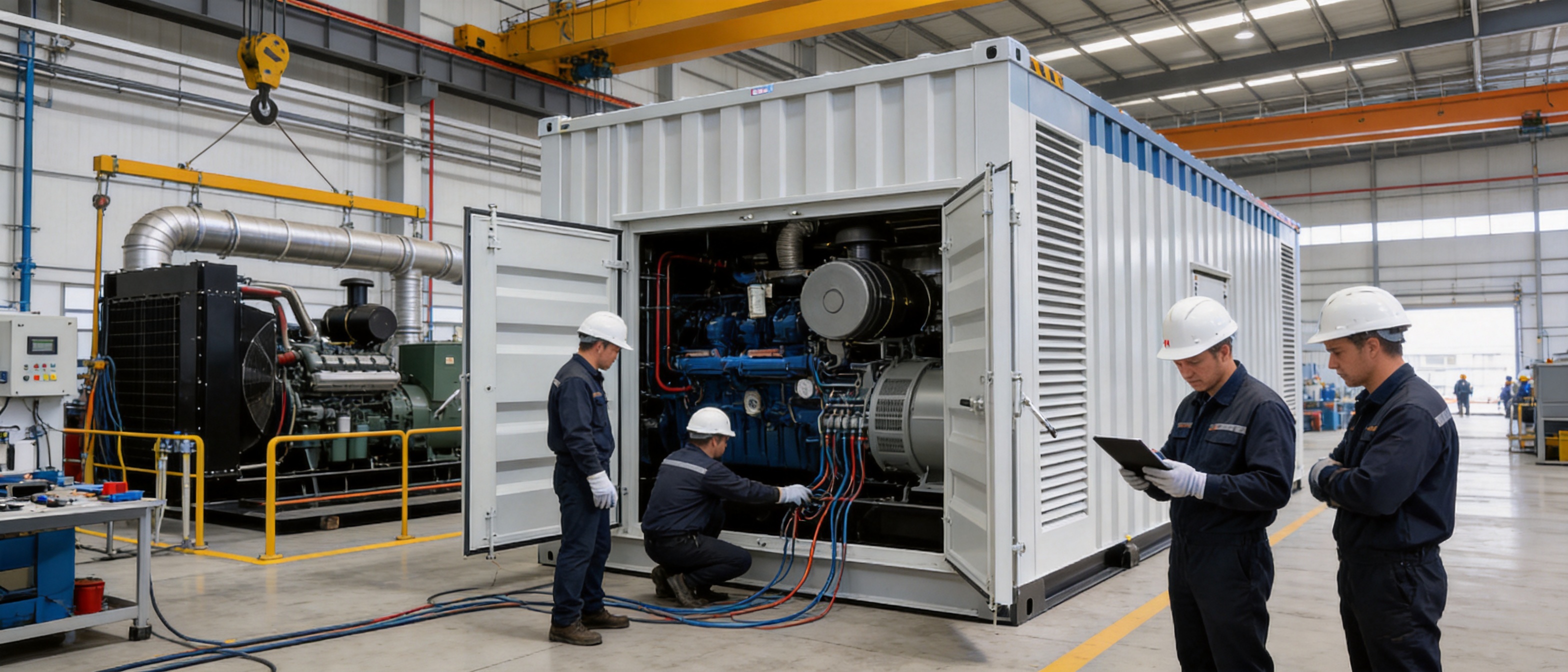
Inspection and Factory Testing
Quality control begins with incoming inspection of engines, alternators, controllers, breakers, radiators, batteries, cables, structural materials, and accessory components. Items are checked against technical specifications and purchase requirements before entering production.
During assembly, technicians verify dimensional accuracy, fastening, alignment, wiring, insulation, grounding, fluid connections, and safety labeling. Before shipment, the generator is started and operated under controlled test conditions. Testing can include no-load operation, load operation, voltage and frequency stability, step-load response, emergency shutdown, alarm functions, battery charging, control communication, and protective device operation.
Aiweite’s standard factory testing program can verify operation from zero to 110 percent of the rated capacity, subject to the specific test arrangement and project requirements. Full-load and overload checks help reveal problems that may not appear during a brief no-load startup.
Quality Management and International Project Support
Aiweite was founded in 2008 and specializes in the manufacture and installation of diesel generator sets from 1 kVA to 2500 kVA. Its quality management approach is based on controlled manufacturing, documented inspection, testing, and technical communication throughout the project cycle.
The company aligns its quality system with ISO 9001 and ISO 14001 principles and designs products to meet applicable international standards. ISO 8528 is used as an important reference for generator set performance and classification. The exact certifications and documentation required for a project should be confirmed during engineering review because requirements vary by country, industry, voltage level, and application.
For international projects, technical support includes configuration assistance, interface documentation, packing and shipping coordination, installation guidance, commissioning support, and after-sales troubleshooting. The delivery package can include test records, manuals, wiring diagrams, maintenance schedules, spare-parts recommendations, and operating instructions.
The company’s foreign trade business, launched in 2022, supports customers in overseas markets. Its manufacturing location in Yangzhou, Jiangsu Province, provides access to industrial supply chains, transportation infrastructure, and technical resources. International customers can work with the engineering team to define local voltage, frequency, documentation, environmental, and installation requirements before production begins.
Application Scenarios
Industrial Parks and Manufacturing Facilities
Industrial production lines often require stable electricity for motors, process controls, compressors, pumps, lighting, and automation equipment. A sudden outage can cause production loss, material waste, equipment damage, and safety risks.
Container gensets can provide emergency standby power or prime power for industrial parks and factories. Multiple units can be synchronized to create a scalable power station. The container format also allows the generator to be installed near the load center when no suitable generator building is available.
Municipal and Public Infrastructure
Water treatment plants, pumping stations, traffic systems, public buildings, emergency centers, and government facilities require dependable backup power. These sites may be located outdoors and may need low noise, weather resistance, automatic operation, and remote supervision.
A containerized package provides a standardized installation that can be replicated across multiple municipal locations. Common control functions and documented maintenance procedures simplify operation by centralized technical teams.
Data Centers and Commercial Facilities
Data centers, logistics parks, shopping complexes, and large commercial buildings use generators as part of a broader emergency power system. The generator must work with automatic transfer equipment, uninterruptible power supplies, switchgear, fire protection, and building management systems.
Containerized gensets are suitable where high power density, controlled noise, and outdoor installation are required. For critical facilities, the design may include redundant units, independent fuel systems, remote monitoring, load-bank testing, and strict maintenance schedules.
Ports, Offshore, and Coastal Projects
Ports and coastal facilities expose equipment to humidity, salt spray, wind, and corrosion. Container generators can be configured with enhanced coating systems, protected electrical components, corrosion-resistant hardware, and drainage provisions.
Offshore and marine-related projects require additional review of structural loading, lifting, environmental exposure, fuel arrangements, and applicable marine or project-specific standards. The containerized format remains useful because it creates a defined, transportable power module.
Mining, Oilfields, and Remote Bases
Mining sites, oilfields, pastoral facilities, islands, and remote construction bases may have no connection to a reliable utility grid. In these locations, the generator may operate as the main power source rather than emergency backup.
Prime-power applications require careful analysis of daily load variation, fuel logistics, service access, spare parts, operating hours, and standby redundancy. Container protection is valuable in dusty environments, while remote monitoring reduces the need for constant on-site technical supervision.
Construction and Temporary Power
Construction projects need electricity for cranes, welding equipment, site offices, pumps, lighting, ventilation, and temporary accommodation. The load changes as the project progresses, and the generator may eventually be moved to another site.
A container genset offers a robust temporary power package that can be delivered to the site, connected to a temporary distribution system, and relocated after completion. The equipment should be installed on a stable foundation and protected against mud, standing water, construction debris, and unauthorized access.
Installation Requirements
Before delivery, the project team should prepare a level foundation capable of supporting the operating weight of the container, generator, fuel, and accessories. The foundation should provide appropriate drainage and should not allow water to accumulate around doors, cable entries, or fuel connections.
Transport and lifting plans must consider the overall dimensions, gross weight, center of gravity, access roads, crane capacity, overhead obstructions, and final orientation. Lifting should use the designated lifting points and follow the manufacturer’s instructions.
Electrical installation requires correctly sized cables, suitable circuit protection, grounding, phase rotation verification, and coordination with the facility distribution system. Automatic transfer systems, synchronization panels, and external switchgear should be tested together with the generator.
Ventilation openings must remain unobstructed after installation. The radiator discharge should not point toward the air intake of the same generator or an adjacent unit. Where several containers operate together, spacing and airflow planning are necessary to prevent hot-air recirculation.
Fuel installation should comply with local fire and environmental regulations. External tanks, fuel lines, pumps, vents, spill containment, and emergency shutoff devices should be designed by qualified personnel. Exhaust discharge must be routed away from air intakes, occupied spaces, combustible materials, and neighboring equipment.
Operation and Maintenance
Containerized construction reduces exposure to the environment but does not eliminate maintenance requirements. Operators should inspect oil level, coolant level, fuel condition, battery condition, belts, hoses, filters, exhaust connections, radiator surfaces, doors, louvers, and alarm history according to the operating schedule.
Dusty environments may require more frequent cleaning of air filters and radiator cores. Coastal areas may require regular inspection of coating damage, fasteners, cable glands, and electrical connections. Cold climates require attention to heaters, batteries, coolant concentration, and starting performance.
Standby generators should be exercised regularly under an appropriate load. Short no-load runs may not sufficiently warm the engine or remove moisture from the exhaust system. Periodic load-bank testing can verify that the generator, alternator, cooling system, circuit breaker, and control functions perform as expected.
Routine service normally includes engine oil and filter replacement, fuel filter replacement, air filter inspection, coolant checks, battery testing, belt inspection, exhaust inspection, alternator inspection, and control system verification. Maintenance intervals should follow the engine manufacturer’s instructions and be adjusted for actual operating conditions.
Service access should be considered when positioning the container. Adequate space around doors and removable panels reduces maintenance time and allows technicians to work safely. The operator should maintain a record of running hours, service actions, alarms, fuel consumption, test results, and replaced parts.
Limitations and Design Considerations
Container type generator sets offer substantial benefits, but they are not the lowest-cost option for every application. The enclosure, acoustic system, ventilation equipment, structural modifications, shipping, lifting, and protective accessories increase the initial cost compared with a basic open generator.
The container also occupies a defined footprint. Narrow sites, rooftops, dense urban locations, and facilities with restricted lifting access may require special engineering. The foundation, transportation route, and crane operation should be evaluated before the equipment is ordered.
Maintenance can be more complex than with an open-frame generator because the engine and accessories are installed within a compact enclosure. This limitation is addressed through service doors, removable panels, planned clearances, and detailed maintenance documentation, but the operator still needs trained personnel and suitable tools.
Noise reduction and ventilation must be balanced carefully. An enclosure with inadequate airflow can cause overheating, while insufficient acoustic treatment can fail to meet the site noise limit. These requirements should be defined early so the manufacturer can size louvers, attenuators, fans, radiators, and insulation correctly.
Large container sets may require specialized transportation and lifting equipment. Delivery costs can vary according to destination, port access, road conditions, customs requirements, and the need for on-site installation support. A complete logistics review helps prevent unexpected project delays.
How to Select the Correct Container Generator
The first step is to define whether the generator will operate in standby, prime, or continuous service. Standby units operate during utility failures, while prime units may supply variable loads for extended periods. Continuous-duty units are designed for stable long-term operation at an essentially constant load.
The next step is to calculate the connected load and actual demand. The assessment should include motor starting currents, transformer energization, welding equipment, compressors, pumps, variable-frequency drives, nonlinear loads, and future expansion. Selecting a generator only from the sum of running loads may result in insufficient starting performance.
Site conditions must also be documented. Important information includes minimum and maximum temperature, altitude, humidity, dust, salt spray, rainfall, wind, seismic considerations, and available foundation space. High altitude and high temperature can reduce engine and radiator performance, requiring derating or upgraded equipment.
Electrical requirements should include voltage, frequency, phase, neutral arrangement, short-circuit requirements, grounding method, transfer system, synchronization needs, and local code requirements. If the generator will supply sensitive electronic equipment, voltage regulation, harmonic performance, and transient response should be reviewed.
The customer should also identify the required noise limit, fuel autonomy, remote monitoring platform, maintenance access, delivery location, certification documents, and commissioning schedule. Accurate information at the quotation stage improves equipment selection and reduces later modifications.
Why Factory Integration Creates Competitive Value
Factory integration gives the manufacturer control over the relationship between mechanical, electrical, acoustic, and thermal systems. When these elements are assembled independently at the project site, installation quality may vary and responsibility can become unclear. A factory-integrated package has one coordinated layout, one tested control system, and one defined set of interfaces.
Aiweite’s approach combines heavy-duty open-type generator platforms with engineered container enclosures. This allows customers to benefit from established engine and alternator technologies while receiving the additional protection and functionality of a containerized power station.
The company’s ability to work with multiple engine brands is another competitive advantage. Customers are not forced into a single engine platform when regional service coverage, fuel quality, existing fleet standards, or spare-part availability favor another brand. The enclosure, control, and auxiliary systems can be configured around the chosen engine and alternator combination.
Another advantage is the broad power range. A supplier capable of producing equipment from small ratings to 2500 kVA can support different phases of a project, from a remote temporary installation to a large centralized power station. Standardized engineering and documentation can also simplify expansion and fleet management.
Testing before shipment adds value because it moves many commissioning checks from the construction site to the factory. Defects in wiring, control settings, alarms, sensor connections, or mechanical installation can be found before delivery. This reduces the risk of extended troubleshooting during on-site startup.
Recommended Project Workflow
A successful container genset project begins with a structured technical inquiry. The customer should provide the expected load, operating mode, site conditions, electrical system, fuel requirements, acoustic limit, control functions, and delivery destination.
The manufacturer then develops a preliminary configuration, confirms the engine and alternator combination, checks thermal and acoustic requirements, prepares an enclosure layout, and identifies any special accessories. Commercial and technical proposals should clearly state the rated power, duty classification, voltage, frequency, fuel tank arrangement, control system, dimensions, weight, and included scope.
After order confirmation, engineering drawings and interface documents are reviewed. Foundation, cable entry, exhaust routing, fuel connections, lifting points, and remote communication requirements should be approved before fabrication begins.
During production, the customer may request progress updates, inspection records, or witness testing according to the contract. Before shipment, the manufacturer completes functional testing, prepares the documentation package, protects the equipment for transportation, and confirms the delivery plan.
At the site, the unit is positioned, connected, inspected, and commissioned. The final acceptance process should include startup, load application, transfer operation, alarm verification, emergency shutdown, remote monitoring confirmation, and operator training where required.
Frequently Asked Questions
What power range is available for container type diesel generator sets?
The available containerized range is from 10 kVA to 2500 kVA. The final rating depends on the required duty, load profile, ambient conditions, altitude, voltage, frequency, and starting-current requirements.
Can the generator be supplied with a specific engine brand?
Yes. The container platform can be configured with mainstream engine brands including Cummins, Perkins, Volvo, MTU, Weichai, Yuchai, Baudouin, SDEC, and Mitsubishi. Brand selection should consider local service support, fuel availability, spare parts, emissions requirements, and project standardization.
Are container generator sets suitable for continuous operation?
Yes. Units can be configured for standby, prime, or continuous power. Continuous operation requires correct sizing, suitable cooling, adequate fuel storage, planned maintenance, and a load profile within the engine and alternator rating.
Can the units operate in hot, cold, dusty, or coastal environments?
Yes. The enclosure and auxiliary systems can be configured for severe environmental conditions. High-temperature sites may require upgraded cooling and derating analysis. Cold sites may require heaters and winterization. Dusty and coastal sites may require enhanced filtration, coating, sealing, and corrosion protection.
How quiet is a containerized generator?
Noise performance depends on engine size, load, fan design, exhaust system, acoustic materials, and the specified sound limit. Multi-stage silencers, sound-absorbing panels, intake attenuators, and discharge attenuators can be selected for projects with strict noise requirements.
Can several container gensets operate in parallel?
Yes. With the correct synchronization controller, switchgear, protection system, and load-sharing arrangement, multiple units can operate in parallel. This allows capacity expansion, improved redundancy, and more efficient operation under changing loads.
What foundation is required?
The unit requires a level, stable foundation designed to support the complete operating weight. The foundation should include suitable drainage and should align with the approved cable, fuel, and exhaust interfaces. Specific foundation dimensions and loading information should be confirmed from the project drawings.
Does the container include a fuel tank?
A base fuel tank can be included, subject to the required operating autonomy and container arrangement. Larger installations may use an external bulk tank, day tank, automatic transfer pump, filtration system, and level monitoring equipment.
How is the generator tested before delivery?
Testing can include visual inspection, mechanical checks, electrical safety tests, startup and shutdown checks, voltage and frequency verification, load testing, step-load response, alarm verification, emergency stop testing, and control communication checks. The exact test scope is confirmed according to the project specification.
What information is needed for a quotation?
The manufacturer normally needs the required kVA or kW, standby or prime duty, load profile, voltage, frequency, phase, preferred engine brand, site temperature, altitude, humidity, dust and salt exposure, noise limit, fuel autonomy, control requirements, container size limitations, delivery location, certification needs, and expected schedule.
Is installation support available?
Installation guidance, interface drawings, operation manuals, commissioning assistance, and technical troubleshooting support can be provided. Complex projects may also require coordinated site support involving the customer’s civil, electrical, fuel, and facility teams.
How can service life be maximized?
Service life is improved through correct sizing, clean fuel, regular load testing, timely oil and filter changes, battery maintenance, radiator cleaning, exhaust inspection, corrosion control, proper ventilation, and accurate recording of operating hours and alarms.
Conclusion
Container type diesel generator sets provide a complete and durable approach to outdoor power generation. Their standard enclosure, integrated ventilation, acoustic treatment, weather protection, control system, and factory testing make them suitable for demanding applications where conventional open generators require extensive additional construction.
With a configuration range from 10 kVA to 2500 kVA, compatibility with major engine brands, 20-foot and 40-foot container options, and support for standby, prime, continuous, and parallel operation, these generator sets can be adapted to industrial, municipal, commercial, remote, and emergency power projects.
Yangzhou Aiweite Electromechanical Co., Ltd. strengthens this product offering through multi-brand integration, advanced assembly procedures, documented quality control, full-load testing, technical engineering, and international project support. Its manufacturing experience since 2008 allows customers to obtain more than an engine and alternator: they receive a coordinated power system designed for transport, installation, operation, maintenance, and long-term reliability.
When the project requires stable power in a harsh or exposed location, a properly engineered container genset can reduce construction complexity, shorten deployment time, protect critical equipment, control noise, and provide a scalable foundation for dependable power generation.
References
International Organization for Standardization. ISO 8528, Reciprocating Internal Combustion Engine Driven Alternating Current Generating Sets.
International Organization for Standardization. ISO 9001, Quality Management Systems—Requirements.
International Organization for Standardization. ISO 14001, Environmental Management Systems—Requirements with Guidance for Use.
International Electrotechnical Commission. IEC 60034, Rotating Electrical Machines.
International Electrotechnical Commission. IEC 60529, Degrees of Protection Provided by Enclosures.
International Organization for Standardization. ISO container dimensional and handling principles for freight and equipment transport.
Manufacturer technical materials for container type diesel generator sets, engine integration, alternator selection, factory testing, installation, and maintenance.
Engine and alternator manufacturer operation manuals, service schedules, and application guidelines.