English
 Français
 Español
1000 kVA–2500 kVA Universal Diesel Generator Sets for Mission-Critical Power
Nov 09, 2026
Content
- 1 Designed for the Most Demanding Power Applications
- 2 Universal Configuration for International Projects
- 3 Heavy-Duty Engine Technology
- 4 High-Capacity Brushless Alternators
- 5 Intelligent Control and Protection
- 6 Reinforced Auxiliary Systems
- 7 Comparison with Standard High-Power Generator Solutions
- 8 Applications in Industrial Bases and Central Power Stations
- 9 Data Centres and Communication Hubs
- 10 Commercial Buildings and Intelligent Building Clusters
- 11 Municipal, Transport and Public Infrastructure
- 12 Mining, Oilfield and Energy Projects
- 13 Island, Off-Grid and Overseas EPC Projects
- 14 Manufacturing and Engineering Strengths
- 15 Factory Testing and Pre-Delivery Validation
- 16 Installation and Commissioning Considerations
- 17 Maintenance and Lifecycle Support
- 18 Project Configuration Information
- 19 Why Choose This Product Range?
- 20 Questions and Answers
- 20.1 What applications are suitable for a 1000 kVA–2500 kVA generator set?
- 20.2 Can these generator sets operate continuously?
- 20.3 What is the difference between prime and standby power?
- 20.4 Can the generator run in parallel with other generator sets?
- 20.5 Can the generator operate in parallel with the utility grid?
- 20.6 Which engine brands are available?
- 20.7 What enclosure should be used for an outdoor installation?
- 20.8 Can the generator work in high-temperature or high-altitude environments?
- 20.9 How does the generator respond to sudden heavy loads?
- 20.10 What testing is completed before shipment?
- 20.11 Can the control system connect to a BMS or SCADA system?
- 20.12 Does the company provide OEM and ODM services?
- 20.13 What information is needed for a quotation?
- 21 Conclusion
- 22 References
- 23 Product: 1000kVA – 2500kVA Universal Diesel Generator Sets
Modern industrial facilities increasingly depend on electrical systems that must remain stable under continuous, high-intensity operating conditions. Large manufacturing plants, data centres, transport hubs, energy projects, municipal infrastructure and remote industrial sites cannot rely on a power source that is designed only for occasional emergency use. They require dependable generation equipment capable of accepting substantial load steps, operating for extended periods and maintaining consistent voltage and frequency under demanding conditions.
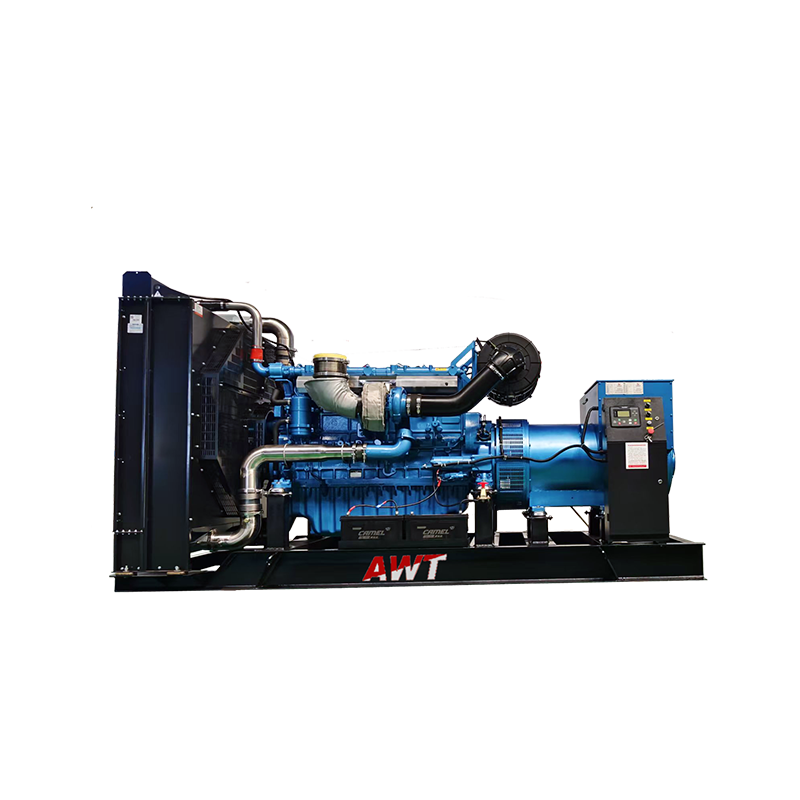
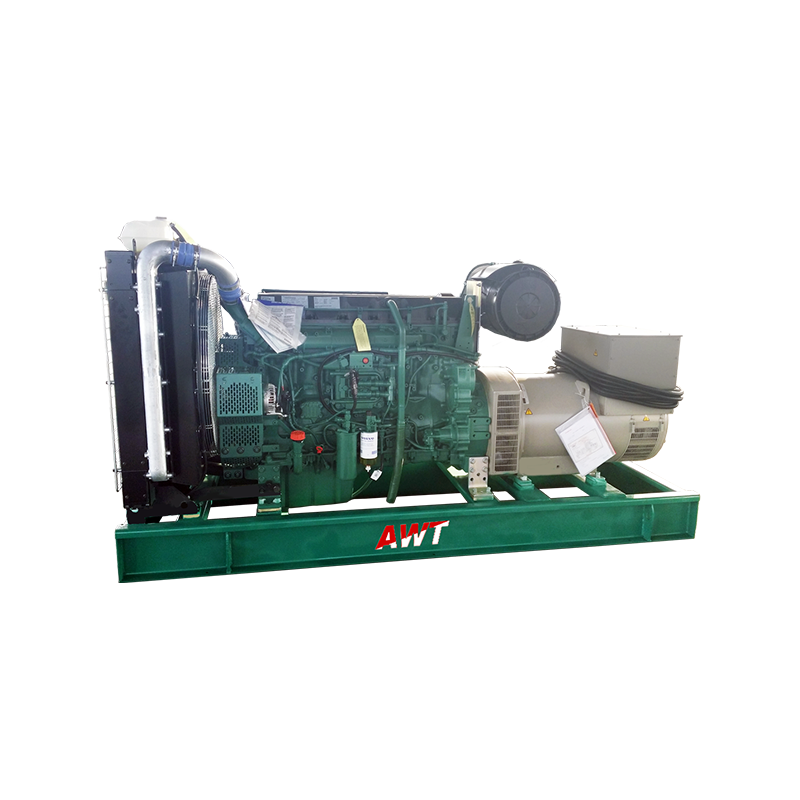
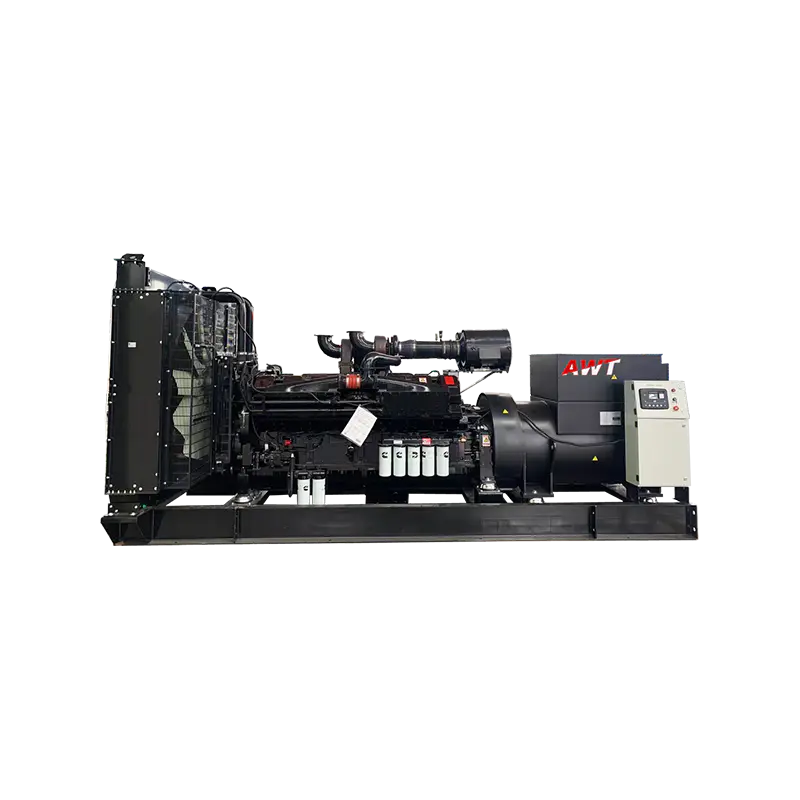
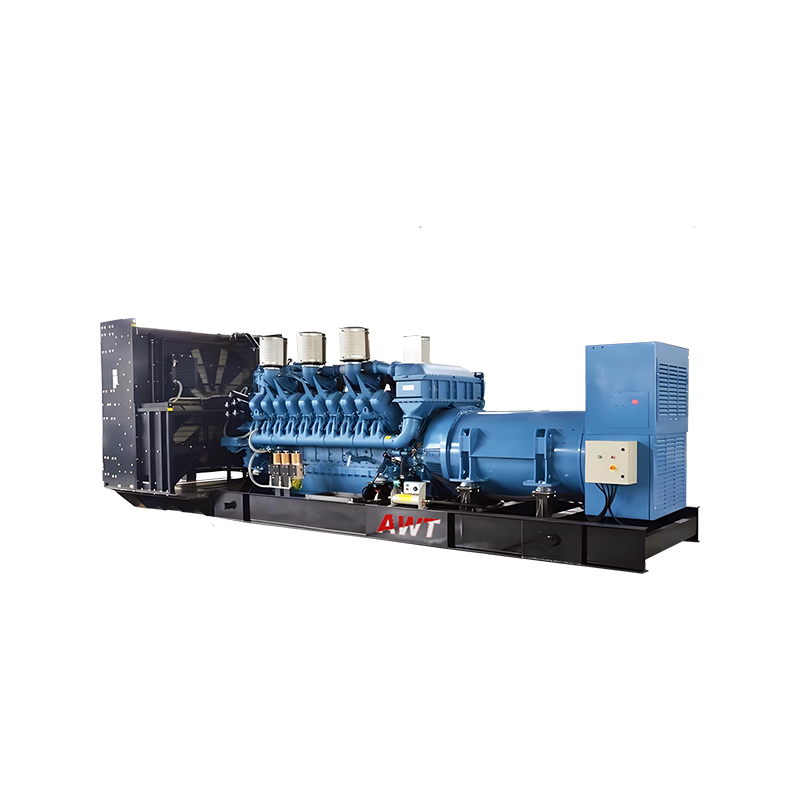
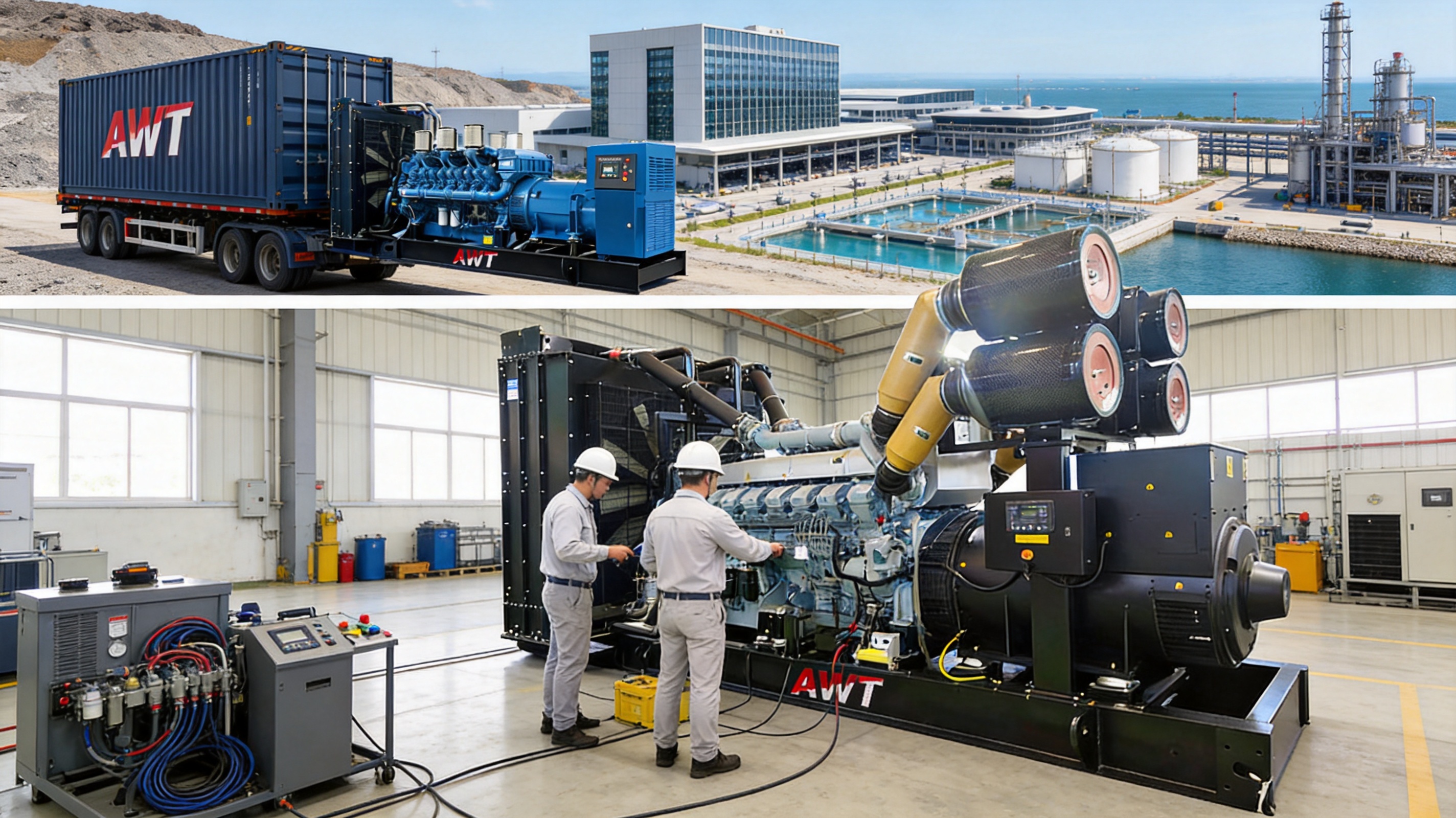
The 1000 kVA–2500 kVA Universal Diesel Generator Sets are engineered for this high-power operating range. These generator sets combine heavy-duty industrial engines, high-capacity brushless alternators, intelligent control systems and reinforced auxiliary equipment in one project-oriented power solution. They are designed for prime power, standby power and continuous-duty applications where power interruptions could cause production losses, data disruption, equipment damage or public-service failures.
Manufactured by Yangzhou Aiweite Electromechanical Co., Ltd., the series reflects the company’s experience in designing and producing diesel generator sets from 1 kVA to 2500 kVA. Since 2008, the company has developed generator solutions for different industries, installation environments and international markets. Its product range is supported by structured engineering review, controlled assembly, electrical testing, load testing and technical support before and after delivery.
Unlike a basic high-output generator assembled around a standard engine and alternator, this series is configured as a complete power system. The engine, alternator, cooling package, control platform, frame, filtration system, exhaust arrangement and enclosure are selected to work together according to the project’s duty cycle and site conditions.
1000kVA – 2500kVA Universal Diesel Generator Sets
Designed for the Most Demanding Power Applications
The 1000 kVA–2500 kVA range occupies an important position in industrial power generation. At this capacity level, a generator set is not simply a backup machine. It may serve as the principal power source for an industrial base, the emergency power foundation of a large hospital or airport, or one module in a multi-unit power station.
Facilities in this category often operate large motors, pumps, compressors, HVAC systems, server clusters, production lines and process equipment. Many of these loads have high starting currents or rapidly changing demand. A generator that performs acceptably at a steady light load may not provide the dynamic response required when several large loads start simultaneously.
These generator sets are therefore developed around several operating priorities: long-duration endurance, strong load acceptance, stable voltage and frequency, effective thermal management, reliable protection and compatibility with centralized monitoring systems. The result is a power unit suitable for installations where operational continuity is more important than the lowest initial purchase price.
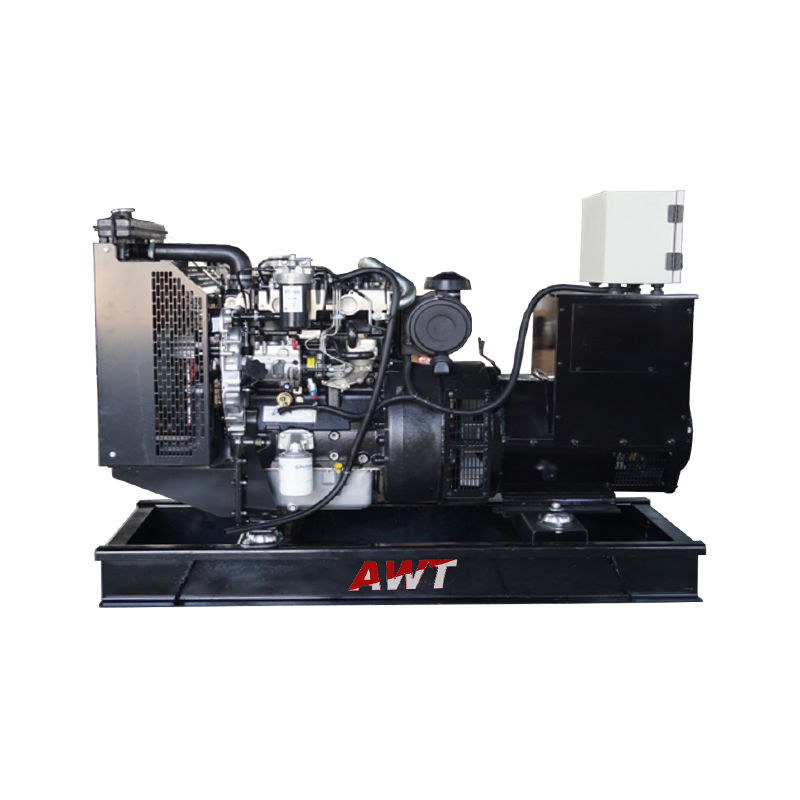
The series is also designed to accommodate different installation formats. Depending on the project, the same core power system can be supplied as an open generator set, a silent-type unit, a containerized generator or a trailer-mounted unit. This flexibility allows the equipment to be adapted to a dedicated generator room, an urban construction site, an island power project or a remote mining operation.
Universal Configuration for International Projects
The word “universal” describes the series’ ability to be configured around different engine platforms, electrical requirements, structural formats and site environments. International projects rarely have identical technical conditions. Fuel quality, local service resources, emissions requirements, ambient temperature, altitude, voltage, frequency and noise regulations can vary substantially from one destination to another.
Aiweite works with mainstream high-power engine platforms, including Cummins, Perkins, MTU, Weichai, Volvo, Baudouin, Yuchai and SDEC options. The engine selection is not made only by brand preference. It is evaluated according to the project’s fuel conditions, maintenance resources, expected service life, altitude, temperature, emissions requirements and availability of local technical support.
The alternator and control system are then matched to the selected engine and intended duty. This approach provides greater flexibility than a fixed configuration because customers can specify a preferred engine family while retaining a proven electrical and structural platform. It also supports OEM and ODM production for customers that require a customized rating, enclosure, control interface or project-specific documentation package.
Electrical parameters can be configured for 50 Hz or 60 Hz operation. Voltage, phase arrangement, cable entry, breaker configuration, automatic transfer switching, remote communication and parallel operation are confirmed during the engineering stage. This prevents the common problem of treating a generator set as an isolated product rather than as part of a complete power distribution system.
Heavy-Duty Engine Technology
The engine is the primary source of mechanical power, and its performance determines much of the generator set’s endurance, fuel consumption and response to changing loads. The 1000 kVA–2500 kVA series uses large-bore industrial engines intended for high-output operation and extended service intervals.
High-pressure common-rail fuel injection enables accurate fuel delivery across changing load conditions. Precise injection control supports efficient combustion, helps the engine respond quickly to load demand and contributes to stable operating performance. Turbocharged intercooling increases the amount of air available for combustion while helping manage intake temperature under high-output conditions.
The engine structure is selected for industrial duty rather than light commercial operation. Components are designed to tolerate high cylinder pressures, extended running hours and repeated load changes. When correctly matched to the alternator and cooling system, the engine can support prime power, standby power or continuous-duty applications according to the rating selected for the project.
High-power installations may be exposed to high temperatures, elevated altitude, dust, humidity, salt spray or inconsistent fuel quality. These conditions affect combustion, cooling, filtration and service intervals. During configuration, the engine package can be reviewed against site conditions so that derating, air filtration, radiator capacity and fuel requirements are properly considered before production.
This engineering approach gives the series an advantage over generic generator sets that use a nominal rating without adequately considering real operating conditions. A generator rated at 2000 kVA in a mild reference environment may not deliver the same practical output at high altitude or under extreme ambient temperatures. Proper project-based selection helps ensure that the delivered equipment remains suitable for its actual installation site.
High-Capacity Brushless Alternators
The alternator converts the engine’s mechanical output into electrical energy. In a high-power generator set, alternator performance has a direct effect on voltage stability, load acceptance, waveform quality and the ability to supply sensitive or inductive equipment.
The series uses large-capacity full-copper brushless alternators with Class H insulation and IP23 protection. Full-copper windings provide strong electrical conductivity and support reliable heat dissipation. Brushless construction reduces the need for routine brush replacement and simplifies maintenance over the working life of the generator set.
Class H insulation is suitable for demanding thermal conditions when the alternator is correctly loaded and cooled. The insulation system provides an additional margin for high-temperature operation and supports long-term winding reliability. IP23 protection helps protect the alternator against solid objects and vertically falling water within the intended installation conditions.
Low waveform distortion is important when the generator supplies electronic controls, variable-speed drives, data-processing equipment, medical systems or communications infrastructure. Excessive distortion may create additional heating, interfere with sensitive equipment or reduce the reliability of power electronic systems. The alternator is therefore selected to deliver clean and stable electrical output under normal and changing load conditions.
The alternator is also designed to manage inductive and shock loads. Large motors, pumps, compressors and transformers can create substantial starting demand. A correctly sized alternator with suitable excitation characteristics can recover voltage more effectively after a load step, reducing stress on connected equipment and helping prevent nuisance shutdowns.
Intelligent Control and Protection
At 1000 kVA and above, control and protection are central to safe operation. The generator set must monitor engine parameters, alternator output, temperature, oil pressure, speed, frequency, voltage and battery condition. It must also respond rapidly when an abnormal condition occurs.
The industrial intelligent control platform supports automatic start and stop, automatic transfer switching logic, real-time data recording, fault self-diagnosis and remote monitoring through 4G communication. These functions allow operators to manage the generator set locally or integrate it with a central control room, building management system or supervisory control and data acquisition platform.
Automatic start and stop functions are particularly important for standby applications. When the normal utility supply fails or falls outside acceptable limits, the control system can initiate the starting sequence and coordinate with the ATS. When the utility supply has returned and stabilized, the generator can be unloaded and stopped according to the programmed operating logic.
For prime power and multi-unit installations, the control system can support synchronization, load sharing and parallel operation. Multiple generator sets may be operated together to provide higher total capacity, improve redundancy or allow units to be started and stopped according to demand. Parallel control must be engineered around the plant’s single-line diagram, protection scheme and load profile.
Fault self-diagnosis helps shorten troubleshooting time. Instead of relying only on a general alarm, operators can review recorded operating data and identify the source of an abnormal condition. This supports planned maintenance and reduces the risk that a small issue will develop into a major failure.
Remote monitoring is useful for facilities with limited on-site personnel or geographically distributed assets. Authorized users can review operating status, alarms, running hours and selected electrical parameters from a remote location. For overseas projects, remote information can also help service teams prepare the correct parts and tools before attending a site.
Reinforced Auxiliary Systems
A large generator set depends on more than the engine and alternator. Cooling, filtration, vibration control, exhaust treatment, lubrication and structural support must all be appropriately designed. Weakness in any one of these systems can limit the performance of the complete unit.
The 1000 kVA–2500 kVA series uses a reinforced integrated base frame to support the engine, alternator and auxiliary equipment. The frame is engineered to manage the weight and vibration associated with high-output machinery. Heavy-duty vibration dampers help isolate mechanical movement and reduce the transmission of vibration to the foundation.
The cooling package uses a large-circulation industrial cooling system. High-output engines generate substantial heat, especially during continuous full-load operation. Adequate radiator capacity, airflow planning and coolant circulation are essential for maintaining engine temperature within the required range.
Cooling performance must be evaluated together with the installation environment. A generator located in a hot plant room may require a carefully designed ventilation path, while a containerized unit may need additional attention to intake and discharge airflow. At high altitude, reduced air density can affect both combustion and radiator performance. These factors are reviewed during project configuration.
Multi-stage filtration helps protect the engine from dust and other contaminants. This is particularly important for mining sites, construction projects, agricultural processing facilities and remote areas with unpaved roads. Coastal locations may also require additional attention to corrosion protection and air filtration because salt-laden air can affect metal and electrical components.
Industrial mufflers and correctly routed exhaust systems help control exhaust noise and discharge gases safely. For urban, campus or commercial installations, acoustic treatment may be combined with a silent canopy or container enclosure. Noise targets, ventilation requirements and exhaust back pressure should be confirmed during design instead of being treated as post-delivery modifications.
Comparison with Standard High-Power Generator Solutions
Customers comparing generator suppliers often find that several products carry similar kVA labels. However, the rated output alone does not describe the complete value of a generator set. The practical difference lies in how the engine, alternator, controller, auxiliary systems, testing process and after-sales support are combined.
| Evaluation Area | Universal 1000 kVA–2500 kVA Series | Basic Standard Configuration |
|---|---|---|
| Engine selection | Multiple mainstream heavy-duty engine platforms matched to project conditions | Usually limited to one fixed engine configuration |
| Duty-cycle planning | Configured for prime, standby or continuous operation | May rely on a general rating without detailed duty analysis |
| Load response | Designed for large motor starts, step loads and industrial demand changes | May require additional oversizing for demanding loads |
| Alternator design | Full-copper brushless construction, Class H insulation and industrial protection | Configuration may vary and may not be optimized for severe duty |
| Control integration | Automatic operation, ATS logic, remote monitoring and multi-unit paralleling | Often limited to local start, stop and alarm functions |
| Structural formats | Open, silent, containerized and trailer-mounted options | Usually supplied in one standard frame format |
| Environmental adaptation | Site review for altitude, temperature, dust, humidity and salt spray | Environmental adjustments may be limited |
| Factory validation | Load, step-load, endurance, stability and protection testing | Testing scope may be less comprehensive or less project-specific |
| Project support | Configuration review, documentation, commissioning guidance and spare parts support | Support may focus mainly on product delivery |
The comparison shows why a project-specific generator package can provide greater long-term value than a lower-cost unit with a similar nameplate rating. The initial purchase price is only one part of the total cost. Fuel efficiency, downtime risk, maintenance access, expansion capability and compatibility with the facility’s electrical system can have a greater effect over the equipment’s service life.
Another advantage is the ability to select the engine according to local conditions. In some markets, one engine brand may have a stronger parts network, while another may offer better compatibility with the available fuel or emissions rules. This flexibility can reduce long-term operating risk and improve the practicality of international deployment.
Applications in Industrial Bases and Central Power Stations
Large industrial bases often require power for production equipment, process systems, lighting, ventilation, water treatment and safety systems at the same time. A utility outage can interrupt production across an entire facility and may require lengthy restart procedures. In some industries, an interruption can also damage raw materials, cause process instability or create safety concerns.
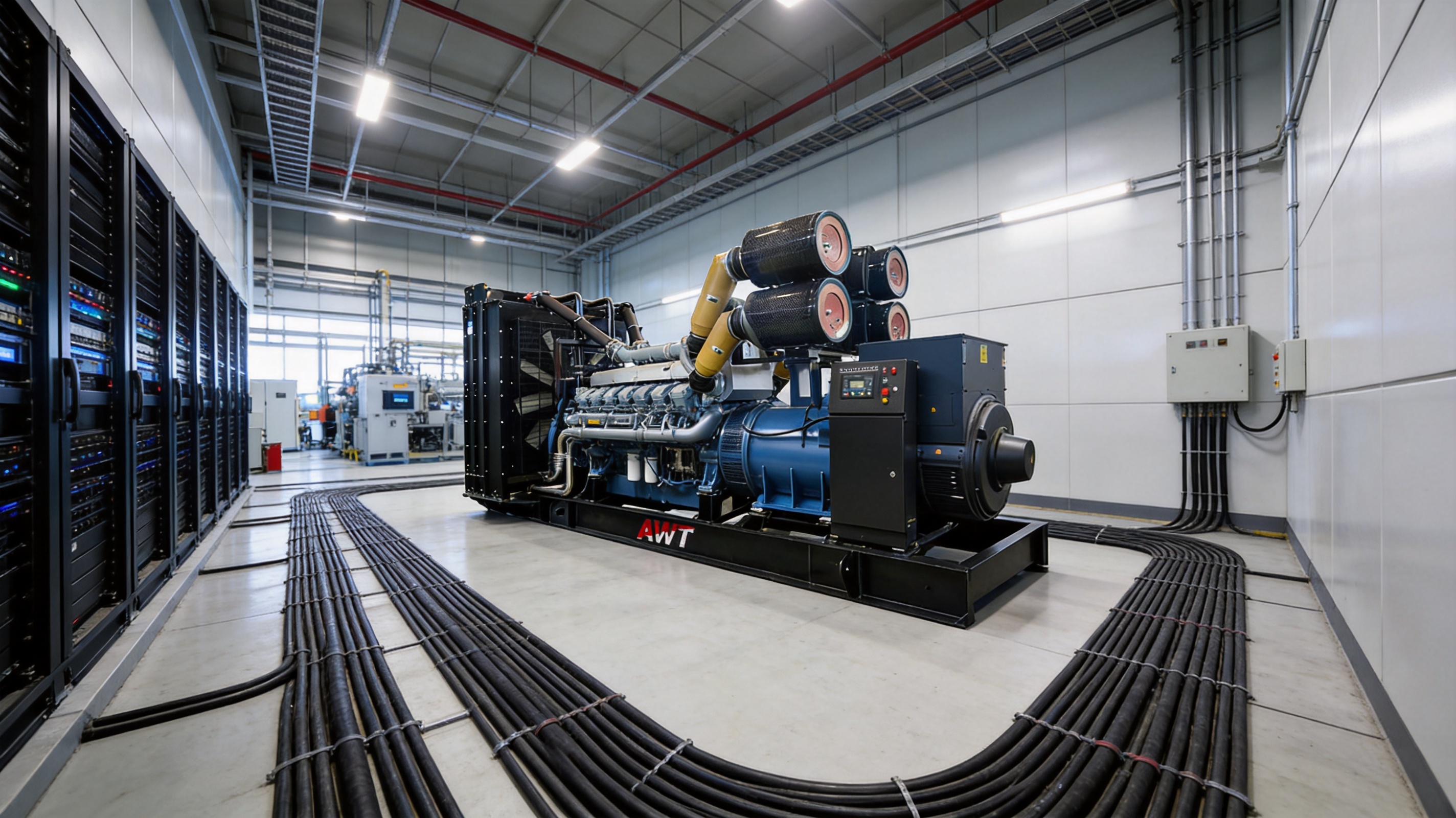
The 1000 kVA–2500 kVA generator sets can serve as prime power units for facilities with weak grid access or as standby units connected to a central emergency distribution system. Multiple sets can be synchronized when the total plant demand exceeds the capacity of a single unit or when redundancy is required.
Central power stations benefit from the control system’s ability to coordinate several generator sets. Load sharing can distribute demand across running units, while staged operation can reduce unnecessary fuel consumption during periods of lower demand. The plant can also be configured so that maintenance on one unit does not remove the entire power supply.
Data Centres and Communication Hubs
Data centres require continuous electrical power for servers, storage systems, cooling equipment, security systems and network infrastructure. Even a short interruption may affect service availability, data integrity or customer operations. Generator systems are commonly integrated with UPS equipment so that the UPS supports the load during the transition while the generator starts and assumes the required capacity.
For these applications, voltage and frequency stability are especially important. The alternator must respond to changing electronic loads without creating excessive waveform distortion. The control system must also communicate effectively with automatic transfer equipment, power management systems and facility monitoring platforms.
The generator sets can be configured as part of a larger redundant architecture. Several units may operate in parallel, allowing the facility to maintain capacity during scheduled maintenance or the unexpected removal of one generator. Final redundancy design depends on the site’s availability target, load profile and electrical distribution arrangement.
Commercial Buildings and Intelligent Building Clusters
Large hotels, exhibition centres, office complexes, shopping centres and mixed-use developments may have substantial simultaneous electrical demand. Elevators, pumps, ventilation, fire systems, security equipment, lighting and tenant loads must be coordinated during utility failure.
A silent enclosure may be appropriate where the generator is installed near occupied areas or in an urban location with noise restrictions. The enclosure must be designed with sufficient ventilation, service access and exhaust discharge capacity. A generator that is quiet but poorly ventilated may suffer reduced performance, so acoustic design and cooling design must be considered together.
Intelligent buildings may also require integration with a building management system. Generator status, alarms, fuel level, breaker position, voltage, current, frequency and running hours can be made available through the agreed communication interface. This allows facility managers to view the generator as part of the wider building infrastructure rather than as an isolated machine.
Municipal, Transport and Public Infrastructure
Airports, railway hubs, metro systems, tunnels, water treatment plants, pumping stations and emergency service facilities require dependable backup power. Their loads may include passenger systems, signalling, communications, drainage, ventilation, lighting and life-safety equipment.
In these applications, a generator failure can affect large numbers of people and may create secondary operational problems. Automatic transfer, rapid starting, stable output and clear fault protection are therefore essential. The generator must also be capable of operating in the environmental conditions associated with the location, including underground spaces, coastal regions or exposed outdoor sites.
Water supply and drainage systems often include large motors with high starting demand. The generator configuration must account for motor-starting kVA, starting method, sequence of operation and allowable voltage dip. This information is collected during the engineering review so that the generator is not selected only from the average running load.
Mining, Oilfield and Energy Projects
Mining sites, oilfields and energy development projects are frequently located far from reliable utility networks. They may require prime power for drilling equipment, crushers, conveyors, pumps, accommodation facilities, workshops and communication systems.
These locations can expose equipment to dust, vibration, high altitude, humidity, heat or sudden temperature changes. Containerized generator sets are often suitable because they simplify transportation, provide a degree of environmental protection and support rapid deployment. The container layout can include fuel systems, control equipment, ventilation, lighting and service access according to the project requirement.
For energy projects and remote industrial bases, the generator may work as part of a hybrid system that includes solar, battery storage or other generation sources. In such cases, control logic, load sharing and operating priority must be defined clearly. The generator may operate as the main supply, a backup source or a stabilizing unit when renewable generation is unavailable.
Island, Off-Grid and Overseas EPC Projects
Island and remote projects often face limited fuel logistics, difficult maintenance access and weak or nonexistent grid infrastructure. Reliability must therefore be evaluated together with serviceability, spare parts availability and transport requirements.
The series is suitable for overseas EPC projects because the configuration can be adapted to local voltage, frequency, enclosure, documentation and communication requirements. Trailer-mounted units can support temporary construction power, while containerized units are useful for longer-term remote operation. Open sets may be preferred where a dedicated power station and acoustic treatment are already available.
Before production, the customer and engineering team can confirm the destination port, packaging method, lifting points, foundation arrangement, cable entry, exhaust routing and commissioning requirements. This reduces the risk of delays caused by incomplete project information after the equipment has arrived on site.
Manufacturing and Engineering Strengths
Reliable high-power generator sets depend on manufacturing discipline as much as on component selection. A premium engine and alternator cannot compensate for poor alignment, inadequate wiring, weak structural support or incomplete testing. Aiweite’s manufacturing approach is based on integrating mechanical, electrical and control systems into one coordinated production process.
The company has manufacturing experience across a broad output range from 1 kVA to 2500 kVA. This range provides practical knowledge of small, medium and high-capacity generator applications. It also supports standardized engineering methods while allowing high-power units to be customized for project-specific requirements.
Production begins with a review of the customer’s technical data. The declared duty, load profile, site conditions, electrical interface, engine preference, enclosure format and documentation requirements are confirmed before the configuration is released. This stage is important because changes made before assembly are normally more efficient than changes made after shipment.
Incoming components are inspected before they enter the assembly process. Engine, alternator, control panel, breaker, radiator, vibration mounts, filters and structural materials must correspond to the approved configuration. Inspection records help maintain traceability and reduce the possibility of incompatible parts being installed in the same unit.
During assembly, the engine and alternator are mounted on the reinforced base frame and aligned for stable operation. Electrical wiring is arranged according to the approved circuit design, with attention to cable routing, protection, labeling and service access. Control devices and sensors are checked so that the monitoring system accurately reflects operating conditions.
Enclosure production is coordinated with the power system rather than treated as a separate cosmetic step. Air intake, hot-air discharge, exhaust routing, access doors, acoustic materials, lifting arrangements and maintenance clearances must all support the performance of the generator. For containerized units, the internal layout is planned around transport, service and ventilation requirements.
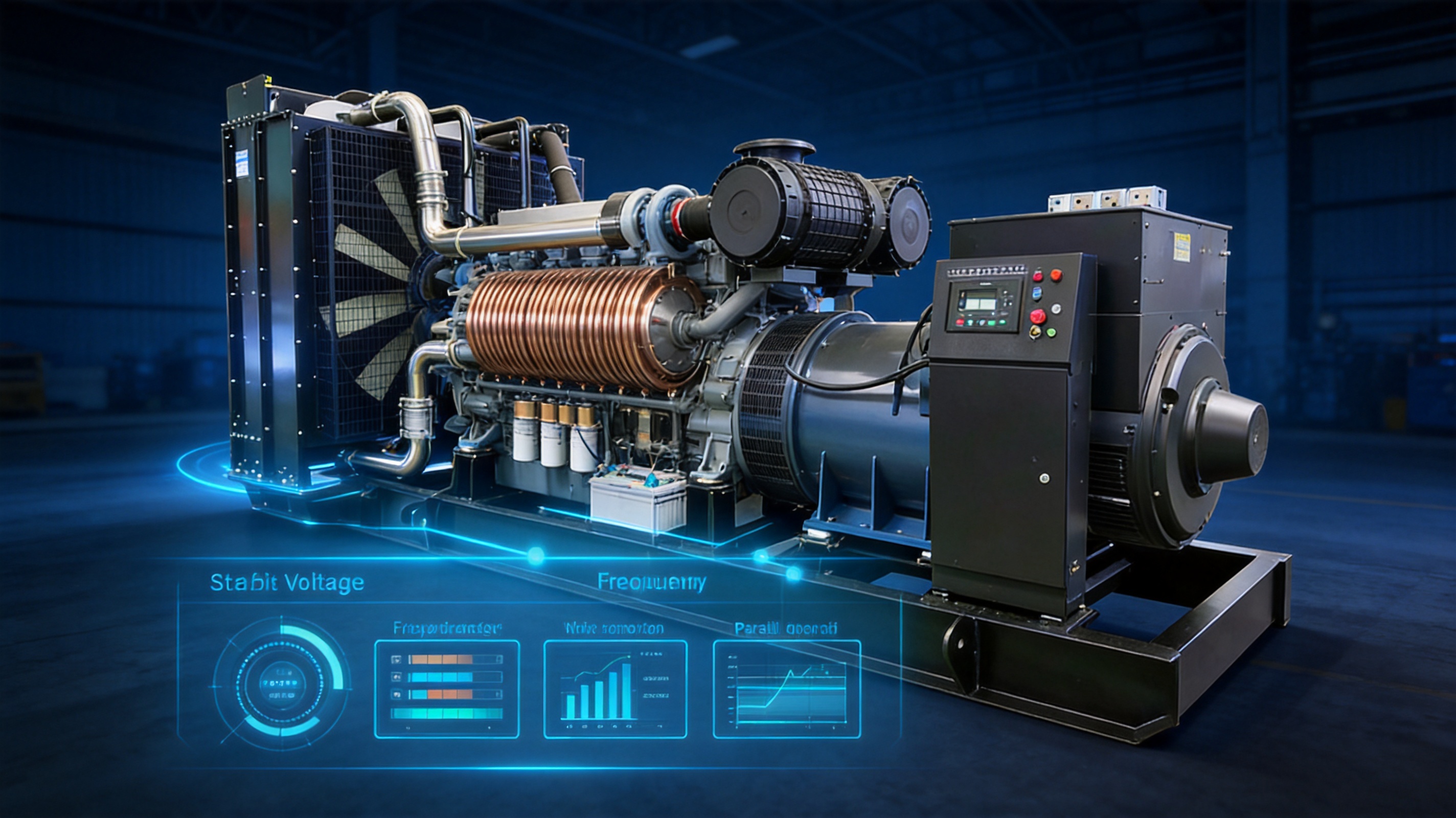
Quality management continues through mechanical inspection, electrical safety verification, control testing and final load testing. The purpose is not merely to confirm that the engine starts. The complete generator set must demonstrate that it can produce stable power, respond to changing loads and activate the required protective functions.
Factory Testing and Pre-Delivery Validation
Every high-power generator set should be tested against the conditions that matter in service. Factory testing provides a controlled opportunity to identify wiring errors, control issues, abnormal vibration, cooling problems or unstable electrical output before the unit reaches the customer’s site.
Full-load testing verifies that the generator can operate at its declared capacity. Voltage, frequency, current, temperature, oil pressure, coolant temperature and other operating parameters are observed during the test. The results establish a baseline for commissioning and future maintenance.
Step-load testing examines the response to sudden changes in demand. This is especially relevant when the generator will supply motors, pumps, compressors, data-centre cooling systems or other equipment with changing load profiles. Voltage and frequency recovery are reviewed to confirm that the generator responds within the expected operating range.
Continuous operation testing evaluates thermal stability and endurance. A generator that performs correctly for a few minutes may still develop problems during extended operation if cooling, lubrication, fuel supply or vibration control is inadequate. Endurance testing provides additional confidence for prime power and long-duration standby applications.
Emergency protection testing confirms the operation of shutdowns and alarms. Low oil pressure, high coolant temperature, overspeed, overvoltage, undervoltage, overfrequency and underfrequency protection may be checked according to the control configuration. These functions are essential for protecting the engine, alternator and connected electrical system.
Test records can be supplied with the generator set. These records help the installation team compare site commissioning results with the factory baseline. They also provide useful information for future troubleshooting and maintenance planning.
Installation and Commissioning Considerations
A generator in this power range requires careful site preparation. The foundation must support the total operating weight and dynamic forces of the unit. The installation area must provide sufficient access for delivery, inspection, maintenance and eventual component replacement.
Ventilation design must allow cool air to enter and heated air to leave without recirculation. Poor airflow can cause high coolant temperatures, reduced output or automatic shutdown. Exhaust systems must be designed to control back pressure and discharge exhaust gases safely away from occupied areas and air intakes.
Fuel storage and pipework should be sized according to the expected operating duration and local safety requirements. Fuel quality affects injector performance, filters and engine reliability. Where fuel conditions are uncertain, filtration and fuel-treatment requirements should be reviewed before commissioning.
Electrical installation includes generator output cables, circuit breakers, earthing, neutral arrangements, ATS equipment, synchronization equipment and connections to the facility distribution system. The voltage, frequency, phase sequence and protection settings must be checked before the generator is connected to the site load.
Commissioning verifies automatic start and stop, transfer operation, load-bank performance, emergency shutdowns, remote signals and communication with the customer’s monitoring platform. For parallel systems, synchronizing, load sharing, reverse power protection and interlocking must also be tested.
Maintenance and Lifecycle Support
Preventive maintenance is essential for protecting the investment in a high-power generator set. Service intervals are determined by the engine and alternator manufacturers, operating hours, load profile, fuel quality and environmental conditions.
Routine maintenance typically includes engine oil replacement, oil filter replacement, fuel filter inspection or replacement, air filter service, coolant inspection, battery testing, belt inspection, hose inspection and electrical connection checks. High-dust environments may require more frequent air filter service, while coastal environments may require closer inspection for corrosion.
Load testing should be performed periodically to confirm that the generator remains capable of accepting its expected demand. A generator that operates for long periods at very light load may also require appropriate load management to avoid poor combustion and carbon accumulation. The maintenance plan should reflect the actual operating pattern rather than relying only on calendar intervals.
Aiweite supplies genuine spare parts for engine components, alternator parts, control systems and filtration systems. Maintaining an appropriate spare parts inventory can reduce downtime, particularly for remote sites or overseas projects where delivery times may be longer.
Technical support may include configuration assistance, installation guidance, commissioning support, troubleshooting and documentation. For long-term projects, the service plan can be developed around the expected operating hours and criticality of the facility.
Project Configuration Information
Accurate generator selection begins with accurate project information. The rated power should not be selected only from the total running load. Starting currents, future expansion, duty cycle and environmental derating can significantly affect the required configuration.
| Project Information | Details to Confirm |
|---|---|
| Load profile | Running load, continuous demand, standby demand, motor-starting kVA, step loads and future expansion |
| Duty cycle | Prime, standby or continuous operation; expected annual running hours and load variation |
| Site conditions | Ambient temperature, altitude, humidity, dust, salt spray, indoor or outdoor installation |
| Electrical system | Voltage, frequency, phase, neutral arrangement, ATS, synchronization and protection requirements |
| Control integration | SCADA, BMS, remote monitoring, communication protocol and signal list |
| Engine requirements | Preferred brand, fuel quality, emissions rules, service coverage and spare parts availability |
| Structural format | Open, silent, containerized or trailer-mounted; footprint, lifting and transport requirements |
| Noise and exhaust | Permitted noise level, exhaust route, muffler arrangement and discharge location |
| Documentation | Drawings, manuals, test records, certificates, inspection plans and acceptance criteria |
Providing these details early enables the engineering team to recommend the correct power rating, engine configuration, alternator characteristics, control functions and enclosure format. It also helps identify potential installation constraints before production begins.
Why Choose This Product Range?
The main advantage of the 1000 kVA–2500 kVA Universal Diesel Generator Sets is that they are designed as adaptable industrial power systems rather than one-size-fits-all machines. The equipment can be aligned with a customer’s engine preference, duty cycle, environmental conditions, electrical standards and installation arrangement.
The series combines high-capacity components with project-level engineering. Heavy-duty engines provide the mechanical reserve needed for long operating periods. Full-copper brushless alternators support stable electrical output and inductive-load performance. Intelligent controllers provide automation, protection, data logging, remote monitoring and multi-unit coordination.
Reinforced frames, industrial cooling, multi-stage filtration, vibration isolation and heavy-duty mufflers improve suitability for challenging sites. Factory testing provides evidence that the completed unit can meet its declared operating requirements before delivery.
The company’s manufacturing experience from 1 kVA to 2500 kVA supports both standard and customized projects. Customers can order a conventional generator set or develop an OEM or ODM configuration around specific technical, structural and branding requirements. This is valuable for EPC contractors, equipment distributors, industrial users and infrastructure developers that need consistent production support across multiple projects.
Most importantly, the equipment is selected according to the consequences of power failure. Where an outage can stop a production line, interrupt a data centre, disrupt transport services or affect public infrastructure, reliability must be treated as a system requirement. The combination of correct sizing, quality components, controlled manufacturing, testing and lifecycle support helps address that requirement.
Questions and Answers
What applications are suitable for a 1000 kVA–2500 kVA generator set?
This power range is suitable for large industrial bases, central power stations, data centres, communication hubs, commercial building clusters, airports, rail and metro facilities, water infrastructure, mining projects, oilfields, energy developments, island projects and overseas EPC installations.
Can these generator sets operate continuously?
Yes. The units can be configured for prime or continuous-duty operation when the project requires long-duration power. The declared duty cycle must be confirmed before production so that the engine, alternator, cooling system and service plan are matched to the expected running hours and load profile.
What is the difference between prime and standby power?
Prime power is intended for applications where the generator operates for extended periods with varying load. Standby power is intended for emergency operation when the utility supply fails and generally has limitations on annual running hours. The rating and configuration should be selected according to the actual duty required at the site.
Can the generator run in parallel with other generator sets?
Yes. The control platform can be configured for multi-unit synchronization and load sharing. The final system requires engineering based on the plant single-line diagram, generator ratings, load sequence, protection settings and synchronization requirements.
Can the generator operate in parallel with the utility grid?
Grid-parallel operation may be available with additional protection, synchronization and interface equipment. Requirements depend on the local utility authority, site distribution system, export arrangement and applicable electrical regulations. These details should be reviewed before the system is designed.
Which engine brands are available?
Configurations may be developed around mainstream high-power engine platforms such as Cummins, Perkins, MTU, Weichai, Volvo, Baudouin, Yuchai and SDEC. Availability depends on project requirements, destination market, lead time, fuel conditions, emissions rules and local service coverage.
What enclosure should be used for an outdoor installation?
Open units may be suitable for dedicated generator rooms. Silent canopies are often used where noise control is required. Containerized units are suitable for remote or rapidly deployable projects, while trailer-mounted units are useful for mobile and temporary power applications. The correct format depends on noise, ventilation, transport, security and maintenance requirements.
Can the generator work in high-temperature or high-altitude environments?
It can be configured for demanding environmental conditions, but ambient temperature and altitude must be provided during the design stage. These conditions may require output derating, upgraded cooling, modified air filtration or other adjustments to maintain reliable performance.
How does the generator respond to sudden heavy loads?
The heavy-duty engine, high-capacity alternator and intelligent control system are selected to provide strong dynamic response. Motor-starting kVA, load-step size and load sequence should be included in the project information so that the generator can be correctly sized for the actual demand.
What testing is completed before shipment?
Testing may include full-load operation, step-load response, continuous endurance operation, voltage and frequency stability verification, emergency protection checks, automatic control verification and inspection of mechanical and electrical systems. Test documentation can be provided for commissioning and acceptance.
Can the control system connect to a BMS or SCADA system?
Yes. The control platform supports remote monitoring and can be configured around the communication protocol and signal list required by the customer’s building management or supervisory control system. The interface should be defined during engineering review.
Does the company provide OEM and ODM services?
Yes. OEM and ODM production can cover engine selection, power rating, alternator configuration, control integration, enclosure design, structural modifications, documentation and project-specific labeling. Customized units follow the same engineering, manufacturing and testing procedures as standard products.
What information is needed for a quotation?
The main information includes required kVA, duty cycle, running load, largest motor-starting load, voltage, frequency, phase, site altitude, ambient temperature, enclosure preference, noise requirement, fuel arrangement, ATS or parallel operation requirements, delivery destination and documentation requirements.
Conclusion
The 1000 kVA–2500 kVA Universal Diesel Generator Sets are developed for facilities where power continuity, load stability and long-term operating reliability are essential. Their heavy-duty engine platforms, full-copper brushless alternators, intelligent controls and reinforced auxiliary systems provide a foundation for demanding industrial and infrastructure applications.
The product range is distinguished by configuration flexibility. Customers can select the engine platform, duty rating, electrical parameters, enclosure format and control integration required for the project. Environmental conditions, load behavior and installation constraints can be reviewed before production, helping ensure that the final generator set is suited to real operating conditions rather than only a standard laboratory rating.
Supported by structured manufacturing, staged inspection, full-load testing, engineering assistance and lifecycle service, the series provides a practical solution for prime power, standby power and continuous-duty applications. For industrial bases, data centres, public infrastructure, remote energy projects and overseas EPC developments, this approach helps transform a high-capacity generator into a dependable and project-ready power system.
References
1. ISO 8528, Reciprocating Internal Combustion Engine Driven Alternating Current Generating Sets.
2. GB/T 2828, Sampling Procedures and Tables for Inspection by Attributes.
3. Industrial diesel engine manufacturer technical manuals and installation guidelines.
4. Alternator manufacturer documentation covering insulation systems, protection ratings and electrical performance.
5. International electrical installation practices for standby, prime and parallel power generation systems.
6. Generator set commissioning, load-bank testing and preventive maintenance procedures.
7. Technical information supplied by Yangzhou Aiweite Electromechanical Co., Ltd. for 1000 kVA–2500 kVA diesel generator sets.