English
 Français
 Español
Engineering Reliable Power with High-Performance Diesel Generator Sets
Oct 26, 2026
Content
- 1 Why Diesel Generator Sets Remain Essential
- 2 Product Overview
- 3 Baudouin Heavy-Duty Engine Technology
- 4 Full-Copper Brushless Alternators
- 5 Intelligent Control and Protection
- 6 Power Ratings for Different Applications
- 7 Advantages in Comparison with Generic Generator Sets
- 8 Advanced Manufacturing Processes
- 9 Quality Management and Field Verification
- 10 Environmental Adaptability
- 11 Applications Across Critical Industries
- 12 Installation and Commissioning Considerations
- 13 Maintenance and Lifecycle Value
- 14 Company Manufacturing and Service Strengths
- 15 How to Select the Right Configuration
- 16 Frequently Asked Questions
- 16.1 What is the output range of Baudouin Powered Diesel Generator Sets?
- 16.2 What standards do these generator sets follow?
- 16.3 Are the alternators brushless?
- 16.4 Are these generator sets suitable for data centers?
- 16.5 Can multiple generator sets operate in parallel?
- 16.6 What is the difference between standby and prime power?
- 16.7 How should the generator be maintained?
- 16.8 Can the generator operate in harsh environments?
- 16.9 Does the company provide installation support?
- 16.10 How can customers request technical information?
- 17 Conclusion
- 18 References
- 19 Product: Baudouin Powered Diesel Generator Sets
Reliable electrical power is essential to modern infrastructure. Data centers, industrial parks, ports, oilfields, construction sites, healthcare facilities, commercial buildings, and municipal projects all depend on stable electricity to protect equipment, maintain productivity, and support essential services. When the public grid is unavailable, unstable, or insufficient, a diesel generator set provides an independent source of power that can be deployed quickly and operated for extended periods.
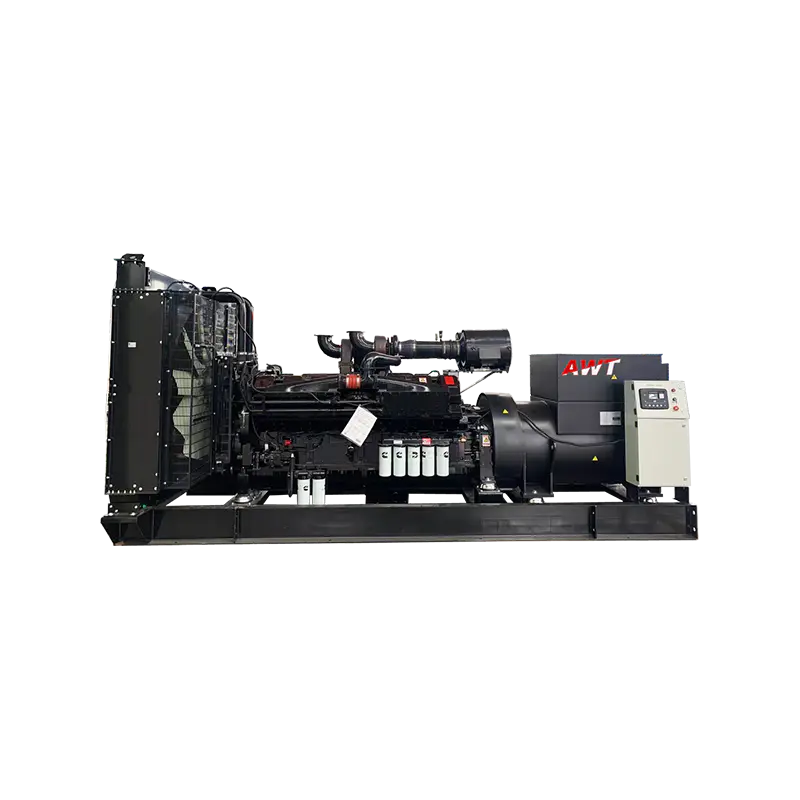
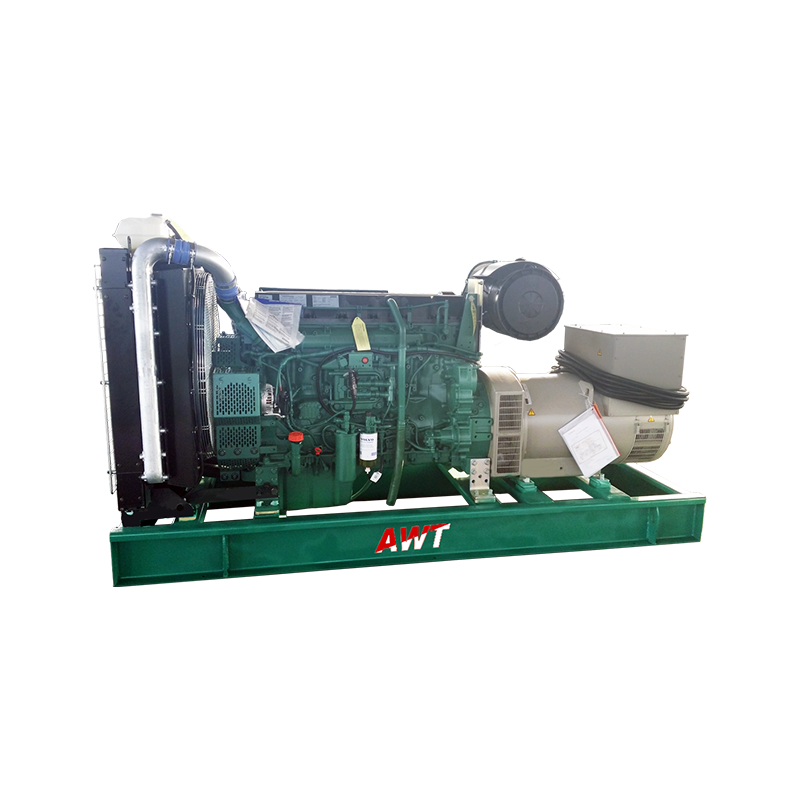
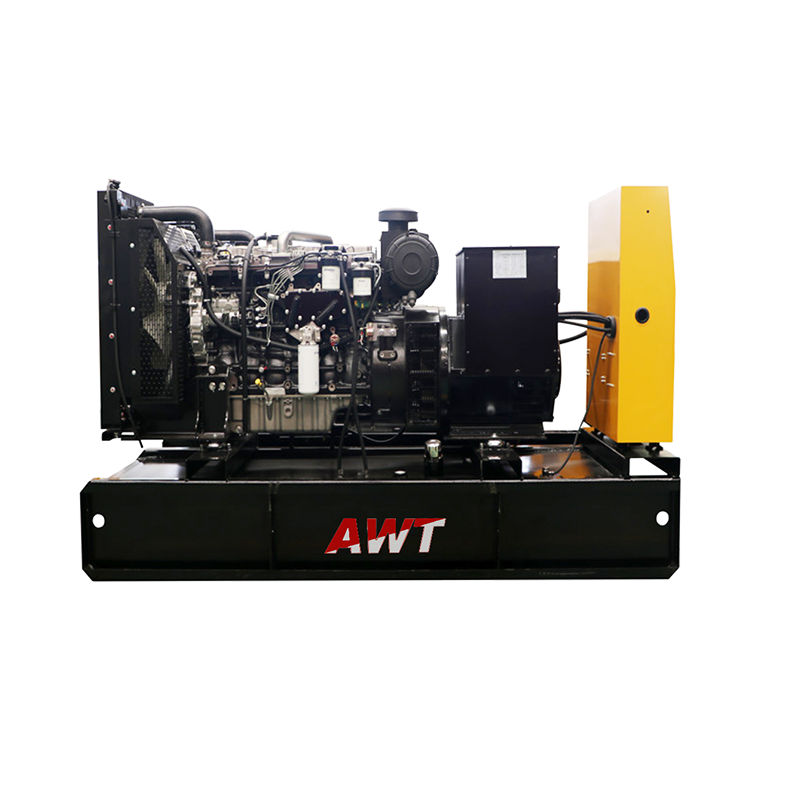
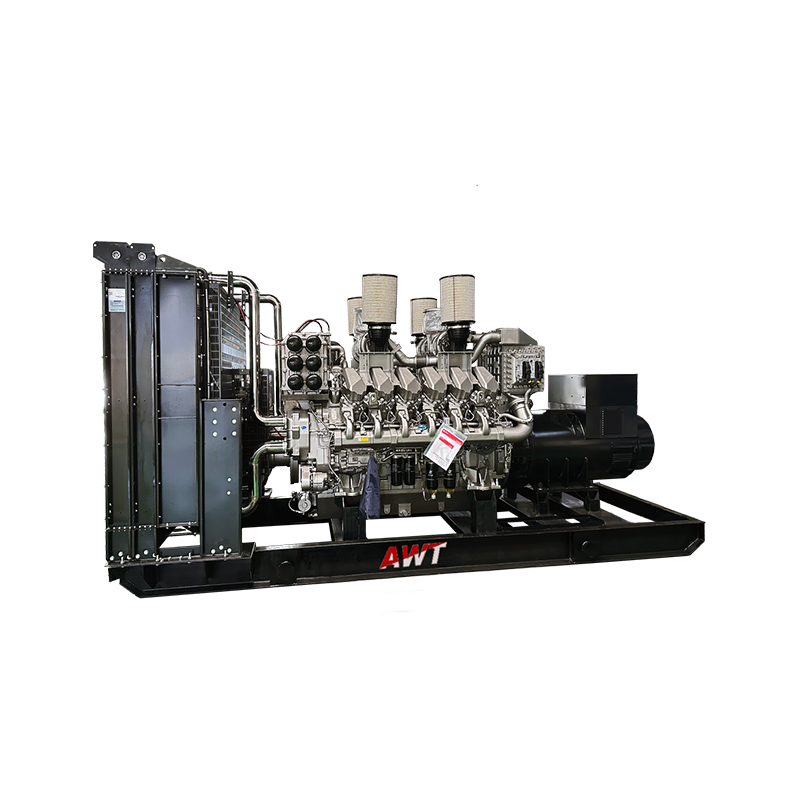
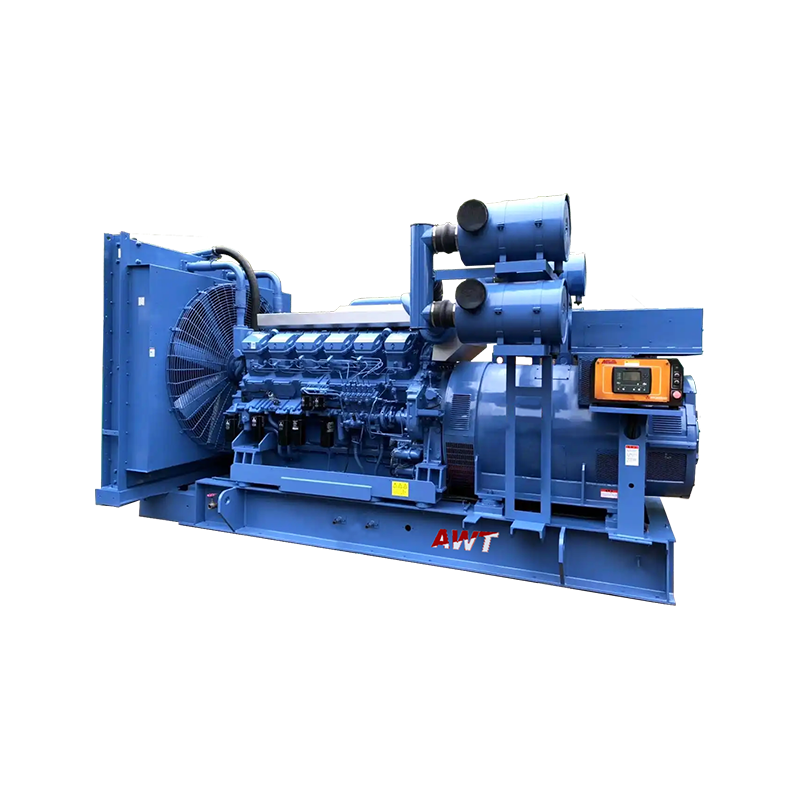
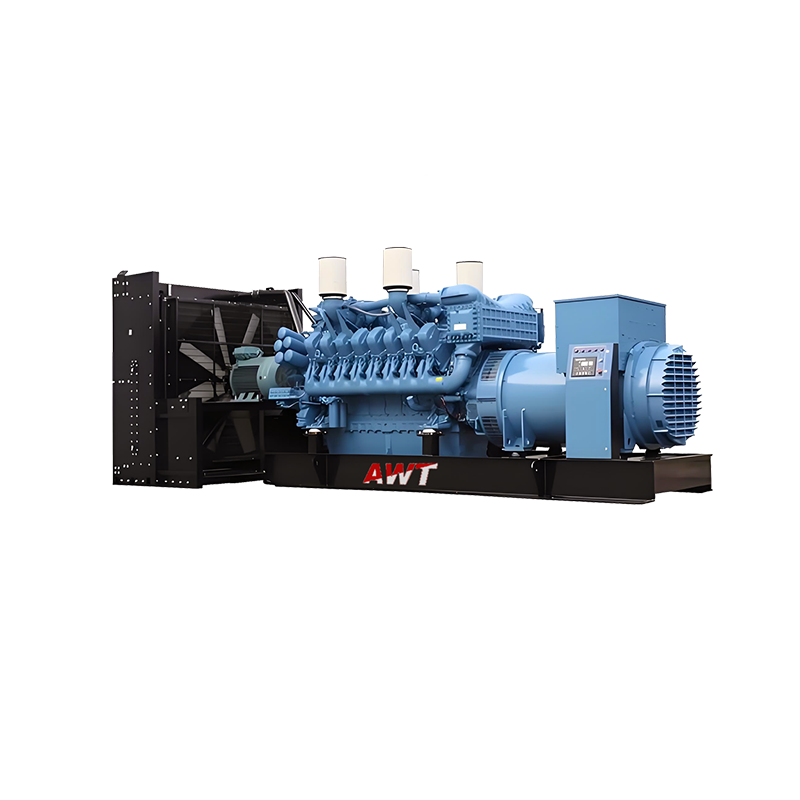
Baudouin Powered Diesel Generator Sets combine proven heavy-duty engine technology, high-precision alternators, intelligent control systems, and carefully engineered generator structures. Available across a broad output range from 15 kW to 5000 kW, these units are designed to satisfy standby, prime, and continuous power requirements. Their configuration flexibility allows users to select an appropriate solution for emergency backup, daily operation, remote power supply, or demanding industrial applications.
Manufactured and supplied by Yangzhou Aiweite Electromechanical Co., Ltd., the generator sets are supported by professional production capabilities, strict quality management, and project-oriented technical service. The company has specialized in the manufacture and installation of diesel generator sets since 2008 and has developed experience in designing practical power solutions for customers in different markets. Its product range and service approach are intended to provide dependable performance throughout the complete project lifecycle, from initial selection and system design to installation, commissioning, maintenance, and after-sales support.
Why Diesel Generator Sets Remain Essential
Renewable energy, battery storage, and grid modernization are changing the global power sector, but diesel generator sets remain important because they offer controllable, dispatchable power. A diesel generator can operate whenever fuel is available, regardless of sunlight, wind conditions, or local grid availability. This characteristic is particularly valuable for facilities where a power interruption may cause data loss, production delays, safety risks, or substantial financial damage.
In a typical generator set, the diesel engine converts the energy in fuel into mechanical rotation. The alternator then converts that mechanical energy into electrical power. A control system monitors operating conditions, starts or stops the unit when required, regulates output, and protects the engine and alternator against abnormal conditions. The base frame, cooling system, fuel system, exhaust system, sound-attenuated enclosure, and optional automatic transfer equipment complete the power-generation package.
A well-designed generator set must deliver more than its nameplate output. It should accept sudden loads without excessive voltage or frequency fluctuation, operate efficiently at different load levels, start reliably after long periods of standby, withstand challenging ambient conditions, and remain serviceable over many operating hours. These requirements explain why engine selection, alternator quality, control-system performance, manufacturing accuracy, and commissioning support are all equally important.
Product Overview
Baudouin Powered Diesel Generator Sets are engineered around authentic Baudouin heavy-duty diesel engines. The product range covers approximately 15 kW to 5000 kW, enabling the same product family to serve small commercial facilities, large industrial installations, and complex multi-unit power stations. Actual output, configuration, fuel consumption, dimensions, and operating characteristics depend on the selected engine, alternator, controller, emissions configuration, ambient conditions, and project requirements.
The generator sets are designed to comply with ISO 8528 and GB/T 2828 requirements. ISO 8528 provides a recognized framework for reciprocating internal combustion engine-driven alternating-current generating sets, including performance classifications and operating conditions. GB/T 2828 is associated with sampling procedures and acceptance practices for inspection. Compliance with applicable standards helps create a consistent basis for design, manufacturing, testing, and quality evaluation.
Each unit integrates four essential technology areas:
First, the Baudouin diesel engine provides the prime-mover performance required for dependable power generation. Heavy-duty engine construction supports long operating hours, rapid load response, and stable performance when the load changes frequently.
Second, the full-copper brushless alternator is designed for efficient electrical conversion, reliable insulation performance, and reduced routine maintenance. The brushless design eliminates the need for conventional brushes and slip-ring maintenance in the excitation system.
Third, the intelligent control system provides an operating interface, protective functions, measurement, alarm management, and automatic control options. Depending on the selected configuration, the controller can support automatic mains failure operation, remote monitoring, synchronization, load sharing, and multiple-generator control.
Fourth, the mechanical structure is developed to withstand vibration, transport, installation, and operating loads. The frame, fuel tank, coupling, cooling system, enclosure, and service access points must work together as one integrated package rather than as unrelated components.
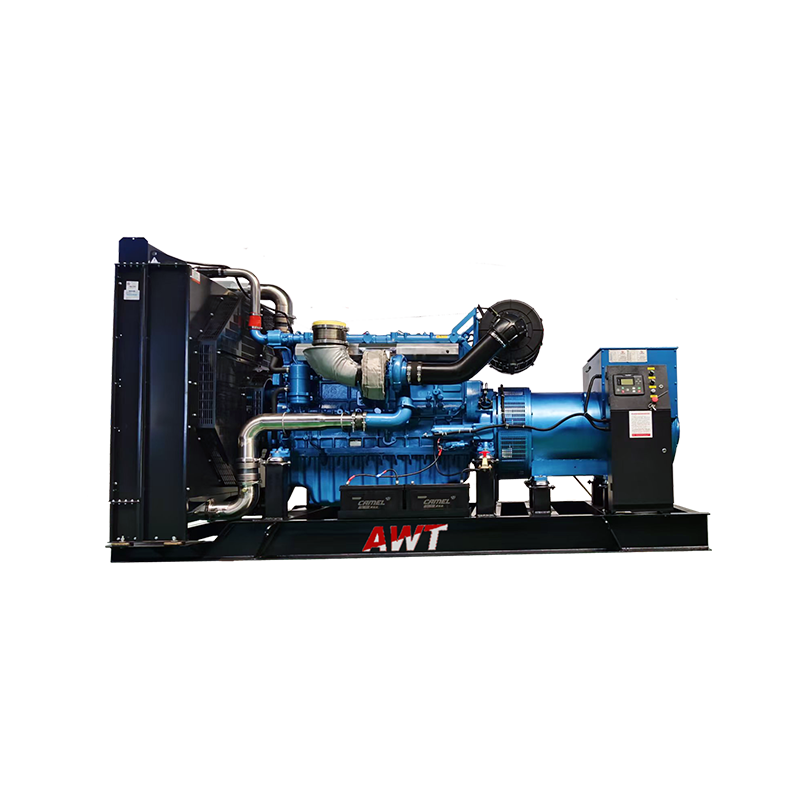
Baudouin Powered Diesel Generator Sets
Baudouin Heavy-Duty Engine Technology
The engine is the primary source of mechanical power in a diesel generator set, so its design directly affects fuel efficiency, transient performance, durability, and maintenance requirements. Baudouin engines are recognized for industrial applications that require robust construction and dependable operation. When correctly matched with the alternator and control system, they provide a strong foundation for standby and prime-power generator applications.
Heavy-duty engine construction generally includes a rigid cylinder block, durable crankshaft assembly, strengthened connecting components, efficient lubrication, and a cooling system selected for the required operating environment. These characteristics help the engine tolerate extended operating periods and repeated load changes. In applications such as construction, mining, oil and gas, and remote infrastructure, this mechanical resilience is especially important because the generator may operate far from a fully equipped service center.
Fast load response is another important engine advantage. When a large motor, pump, compressor, or production machine starts, the generator must increase fuel delivery and engine torque quickly. If the response is too slow, frequency may fall excessively and sensitive equipment may disconnect or malfunction. A well-matched Baudouin engine, alternator, and governor system can help the generator accept load changes smoothly and return to stable operating conditions rapidly.
Fuel consumption is influenced by engine design, operating load, ambient conditions, fuel quality, maintenance, and control strategy. The product’s emphasis on efficient operation is valuable for both standby and prime-power users. For facilities that operate hundreds or thousands of hours per year, even a modest improvement in fuel efficiency can produce significant savings over the equipment’s service life.
Durability also depends on correct application. A generator intended for emergency standby service should not automatically be used as a continuous prime-power unit without confirming the applicable rating and duty cycle. Selecting the correct power rating, maintaining appropriate loading, using approved lubricants and filters, and following the recommended maintenance schedule are essential to obtaining the expected engine life.
Full-Copper Brushless Alternators
The alternator is responsible for converting engine rotation into usable electrical energy. Its construction affects voltage regulation, efficiency, insulation life, short-circuit behavior, motor-starting capability, and overall power quality. Baudouin Powered Diesel Generator Sets use high-precision full-copper brushless alternators selected to complement the engine output and application requirements.
Copper windings offer excellent electrical conductivity and help reduce resistive losses when the alternator is properly designed and manufactured. Lower internal losses can contribute to efficient operation and reduced heat generation. Copper also provides a stable material platform for winding production, insulation systems, and connection processes.
The brushless excitation system reduces the number of wear components in the excitation path. Unlike a brushed arrangement, it does not require routine replacement of carbon brushes. This can simplify maintenance, reduce service interruptions, and improve long-term reliability in facilities where access to the generator is difficult or where scheduled downtime is limited.
Alternator quality is particularly important when the generator supplies sensitive electronic equipment. Data centers, communications systems, automation equipment, medical devices, and control systems require stable voltage and frequency. An appropriately sized alternator, supported by a capable automatic voltage regulator and intelligent controller, helps the generator respond to changing loads while maintaining acceptable electrical performance.
Alternator selection must also consider the nature of the load. A resistive load such as electric heating behaves differently from an inductive load such as a motor. Nonlinear loads, variable-frequency drives, uninterruptible power supplies, and switching power supplies may introduce harmonic currents. For these applications, the alternator should be specified according to the expected load profile rather than selected only by nominal kilowatt output.
Intelligent Control and Protection
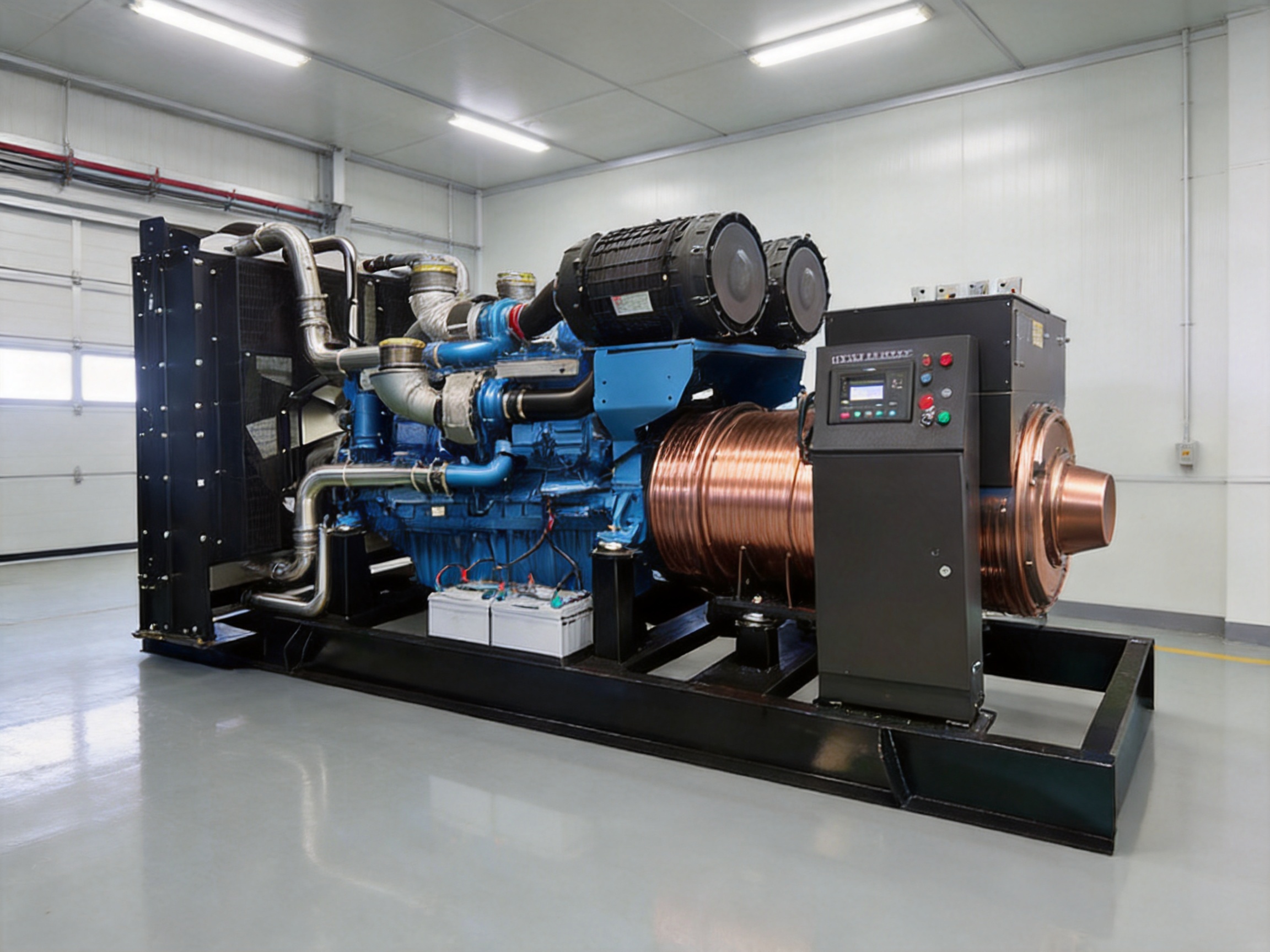
A modern generator set is a complete control platform rather than a manually operated engine. The intelligent control system displays operating data, manages starting and stopping, detects abnormal conditions, and provides protection for the engine and alternator. It may monitor parameters such as engine speed, oil pressure, coolant temperature, battery voltage, frequency, line voltage, current, power factor, running hours, and fuel level.
Protective functions can include low oil pressure shutdown, high coolant temperature shutdown, overspeed protection, overcrank protection, emergency stop, overvoltage, undervoltage, overfrequency, underfrequency, overload, reverse power, and phase-related alarms. The precise functions depend on the controller model and project configuration. These safeguards help prevent minor operating problems from developing into major equipment damage.
For standby applications, automatic mains failure control is often essential. When the utility supply fails or falls outside an acceptable range, the control system can issue a start command to the generator. After the engine reaches stable speed and voltage, an automatic transfer switch moves the load from the utility to the generator. When utility power returns and remains stable for the required period, the load transfers back and the generator performs a cooling-down cycle before stopping.
Larger installations may require synchronization and load sharing. Multiple generator sets can be coordinated so that they operate in parallel, divide the load, and start or stop according to demand. This arrangement improves redundancy and can increase efficiency when the facility load varies throughout the day. It also allows maintenance on one unit while other units continue to supply essential circuits, provided the system has been correctly designed and commissioned.
Remote monitoring can provide useful information to facility managers and maintenance teams. Operating hours, alarms, fuel status, load level, and service reminders may be viewed from a central location when compatible monitoring hardware and communication networks are installed. Remote supervision does not replace physical inspections, but it can improve response time and help identify developing problems before they cause an unexpected outage.
Power Ratings for Different Applications
The product range from 15 kW to 5000 kW supports a wide variety of operating scenarios. Choosing the correct rating requires an assessment of the connected load, starting current, power factor, expansion plans, environmental conditions, and the intended duty cycle. A generator that is too small may experience overloads and poor voltage recovery, while a generator that is substantially oversized may operate inefficiently at light load.
| Application | Typical Power Requirement | Important Selection Considerations |
|---|---|---|
| Small commercial backup | 15 kW to 150 kW | Automatic transfer, lighting, security systems, refrigeration, communications, and office equipment |
| Medium commercial and institutional facilities | 150 kW to 750 kW | Motor starting, HVAC loads, elevators, pumps, fire systems, and building-management integration |
| Industrial workshops and production sites | 500 kW to 2000 kW | Large motors, process equipment, harmonic loads, continuous operation, and future capacity expansion |
| Ports, oilfields, and remote infrastructure | 1000 kW to 5000 kW | Harsh environments, long operating periods, fuel logistics, synchronization, and service accessibility |
| Data centers and critical facilities | Project-specific | Redundancy, rapid transfer, power quality, parallel operation, testing, and strict maintenance procedures |
The table provides general application guidance rather than a substitute for an engineering load study. Some facilities may require several smaller units instead of one large generator. A modular arrangement can provide redundancy, improve partial-load efficiency, simplify transportation, and allow capacity to grow as the facility expands.
Standby power is normally intended for use during utility interruptions. Prime power is used where the generator is the main source of power and the load may vary over time. Continuous power is intended for applications with a relatively constant load and extended operating hours. These categories should be confirmed against the selected engine manufacturer’s rating definitions and the project’s operating schedule.
Advantages in Comparison with Generic Generator Sets
Many generator sets appear similar from the outside, but important differences exist in the engine, alternator, controller, assembly quality, test procedures, and technical support. A low initial purchase price may not represent the lowest total cost if the unit consumes more fuel, requires frequent repairs, responds poorly to load changes, or lacks accessible replacement parts.
One advantage of the Baudouin-powered configuration is the use of an established heavy-duty industrial engine platform. Engine heritage, component quality, and field verification can reduce the uncertainty associated with unproven designs. Buyers benefit from evaluating a product with a defined technical identity instead of receiving an unspecified engine selected primarily to meet a price target.
The integration of a full-copper brushless alternator provides another competitive advantage. Alternator quality influences efficiency and power quality, while brushless excitation reduces a routine wear item. When the alternator is properly matched to the engine and load, the complete set can provide better transient behavior than a generator assembled from incompatible or low-grade components.
The wide power range also creates procurement advantages. A contractor, industrial group, or multinational operator can source different capacities from one product family. Standardized operating logic, documentation, spare-parts planning, and maintenance practices may reduce complexity across multiple sites.
Intelligent controls and optional system integration further distinguish the equipment from basic generator sets. Modern users often require automatic operation, event logging, remote monitoring, load management, synchronization, and detailed protective functions. These capabilities support higher availability and reduce dependence on manual intervention.
Finally, the product is supported by a manufacturer with experience in generator-set production and installation. Yangzhou Aiweite Electromechanical Co., Ltd. combines equipment supply with project support, helping customers address practical issues such as generator-room layout, exhaust routing, ventilation, cable connection, fuel storage, commissioning, and maintenance planning. This project-oriented approach can be more valuable than purchasing a standalone engine-alternator package without application guidance.
Advanced Manufacturing Processes
Generator-set reliability begins with manufacturing discipline. A high-quality product requires controlled processes for component inspection, frame fabrication, engine and alternator alignment, electrical wiring, controller programming, surface treatment, assembly, and final testing. Each process affects the performance of the complete system.
Engineering and Configuration Review
Before production, technical personnel review the required output, voltage, frequency, phase arrangement, duty rating, ambient temperature, altitude, enclosure type, fuel-tank capacity, sound requirements, control functions, and installation conditions. This review helps prevent mismatches between the generator and its intended application.
Critical loads are assessed separately from nonessential loads. Starting currents, nonlinear loads, motor acceleration requirements, power factor, and step-load behavior may influence the recommended generator size. For parallel systems, the review also considers synchronization, load sharing, protection coordination, and emergency operating modes.
Frame Fabrication and Structural Assembly
The base frame must support the engine and alternator while controlling vibration and maintaining alignment. Manufacturing normally includes cutting, forming, welding, machining, inspection, and surface treatment. Weld quality and dimensional accuracy are important because distortion or weak joints can create vibration, noise, fatigue, or installation problems.
Anti-vibration mounts are selected to isolate the generating assembly from the supporting structure. The design must still allow the engine and alternator to remain correctly aligned under operating loads. For mobile or containerized applications, the structure also needs to tolerate lifting, transport, and repeated handling.
Engine and Alternator Integration
The engine and alternator are coupled as a matched set. Alignment, coupling condition, mounting stiffness, and rotational balance are checked during assembly. Poor alignment can increase bearing loads, vibration, and premature wear. Careful integration helps the mechanical power generated by the engine reach the alternator efficiently and reliably.
Auxiliary systems are then installed, including the radiator, cooling fan, exhaust components, fuel lines, starting batteries, battery charger, control panel, emergency-stop circuit, and protective devices. Cable routing is arranged to protect conductors from heat, vibration, sharp edges, and accidental damage.
Electrical Wiring and Control-System Testing
Electrical assembly requires accurate identification, secure termination, suitable cable sizing, and effective grounding. Control wiring must be separated or protected from high-current power conductors where necessary to reduce interference. Each connection should be checked against the approved schematic before the unit is energized.
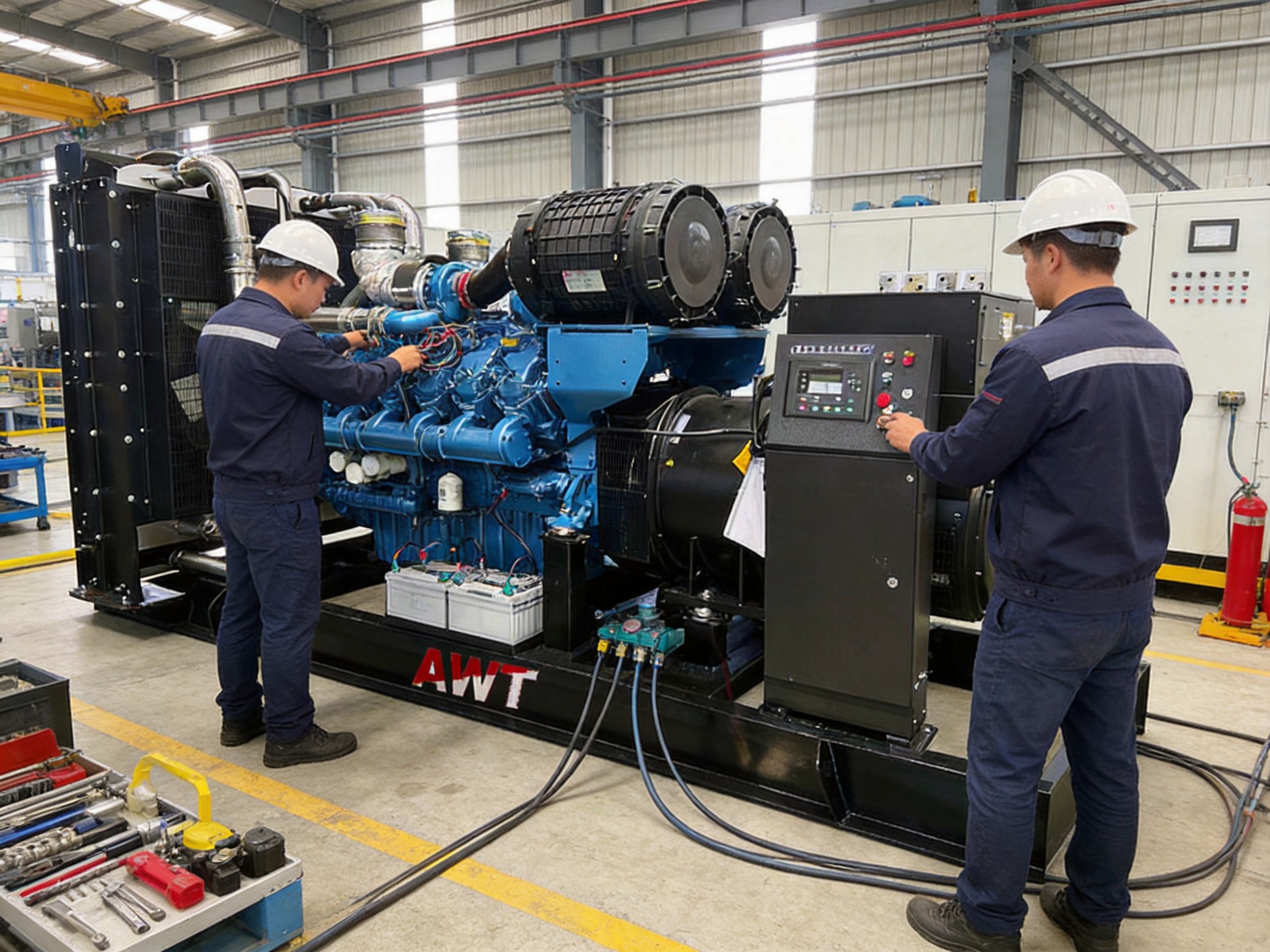
Controllers are configured according to the project’s voltage, frequency, operating mode, alarm limits, transfer logic, and communication requirements. Functional testing verifies that the display, alarms, shutdowns, emergency stop, automatic start, and remote signals operate correctly. For parallel systems, synchronization and load-sharing settings require additional testing under controlled conditions.
Inspection and Final Testing
Final quality control may include visual inspection, dimensional verification, insulation checks, no-load operation, loaded operation, voltage and frequency verification, alarm testing, emergency-stop testing, and review of fuel and coolant systems. Load-bank testing is especially valuable because it demonstrates how the generator performs under controlled electrical demand rather than only during a brief no-load start.
Test records provide traceability and help confirm that the delivered unit corresponds to the approved configuration. Documentation may include electrical diagrams, operating instructions, maintenance schedules, test reports, spare-parts recommendations, and installation guidance. Complete documentation improves commissioning efficiency and supports future servicing.
Quality Management and Field Verification
Quality management is not limited to inspecting the finished generator. It begins with supplier selection and incoming-component inspection, continues through controlled assembly, and concludes with testing and documentation. This approach reduces the risk that a hidden defect will pass through several stages before reaching the customer.
Authentic engine identification, alternator data, controller configuration, and major-component records help maintain product traceability. Traceability is important when a customer needs replacement parts, technical clarification, warranty support, or an equipment upgrade several years after commissioning.
Field verification provides another layer of confidence. A generator that performs well in a factory test must also operate correctly in its actual environment. Site conditions may include high temperature, low temperature, humidity, dust, salt air, high altitude, restricted ventilation, unstable fuel quality, or frequent load changes. Experience from diverse installations helps manufacturers improve application guidance and identify the configuration adjustments required for specific regions.
Yangzhou Aiweite’s experience in manufacturing and installing diesel generator sets supports this practical perspective. Installation activities expose the relationship between the generator and the complete facility. Problems may arise from insufficient airflow, undersized exhaust systems, incorrect cable selection, inadequate fuel storage, poor grounding, or unsuitable foundation design. Addressing these issues during project planning is more effective than correcting them after an outage.
Environmental Adaptability
Generator performance changes with environmental conditions. High ambient temperature can reduce the cooling system’s ability to reject heat. High altitude reduces air density and may affect engine power. Dust can obstruct filters and radiators, while salt-laden air can accelerate corrosion. Cold climates can make starting more difficult and increase the viscosity of lubricating oil and fuel.
The generator set should therefore be specified for the actual installation site. Options may include upgraded cooling systems, cold-start equipment, engine heaters, larger air filters, special coatings, weatherproof enclosures, acoustic enclosures, preheating systems, and fuel-treatment measures. The appropriate solution depends on the local climate and the expected duty cycle.
Noise control is also important in hospitals, residential areas, hotels, offices, and municipal installations. A sound-attenuated enclosure can reduce airborne noise, but it must be designed with sufficient ventilation and service access. Excessive restriction of airflow can cause overheating, so acoustic treatment and thermal management must be engineered together.
Environmental responsibility includes efficient fuel use, proper exhaust treatment where required, spill prevention, responsible battery management, and safe disposal of used oil and filters. Emissions requirements vary by country and application. The purchaser should confirm local regulations before selecting the engine and exhaust configuration.
Applications Across Critical Industries
Data Centers
Data centers require dependable backup power because even a short interruption can affect servers, storage systems, network equipment, and cooling infrastructure. Generator sets are commonly integrated with uninterruptible power supplies and automatic transfer systems. The generator must start quickly, accept the required load, and maintain stable voltage and frequency while the facility transitions from battery-supported power to engine-generated power.
For larger data centers, redundant generator sets may be arranged in parallel. The design can provide capacity reserve, maintenance flexibility, and fault tolerance. Careful coordination between the generator controller, switchgear, automatic transfer switches, and data-center power-management system is essential.
Industrial Parks and Manufacturing Plants
Industrial facilities often contain motors, compressors, pumps, welding equipment, variable-frequency drives, and automated production lines. These loads can create high starting currents and changing power factors. A correctly sized generator set helps maintain production continuity and reduces the risk of nuisance trips or process interruptions.
Some plants use the generator only during utility failures, while others operate it during peak-demand periods or in areas with weak grid infrastructure. The application determines whether standby, prime, or continuous rating is appropriate and whether fuel storage, synchronization, and load-management systems are needed.
Ports and Logistics Facilities
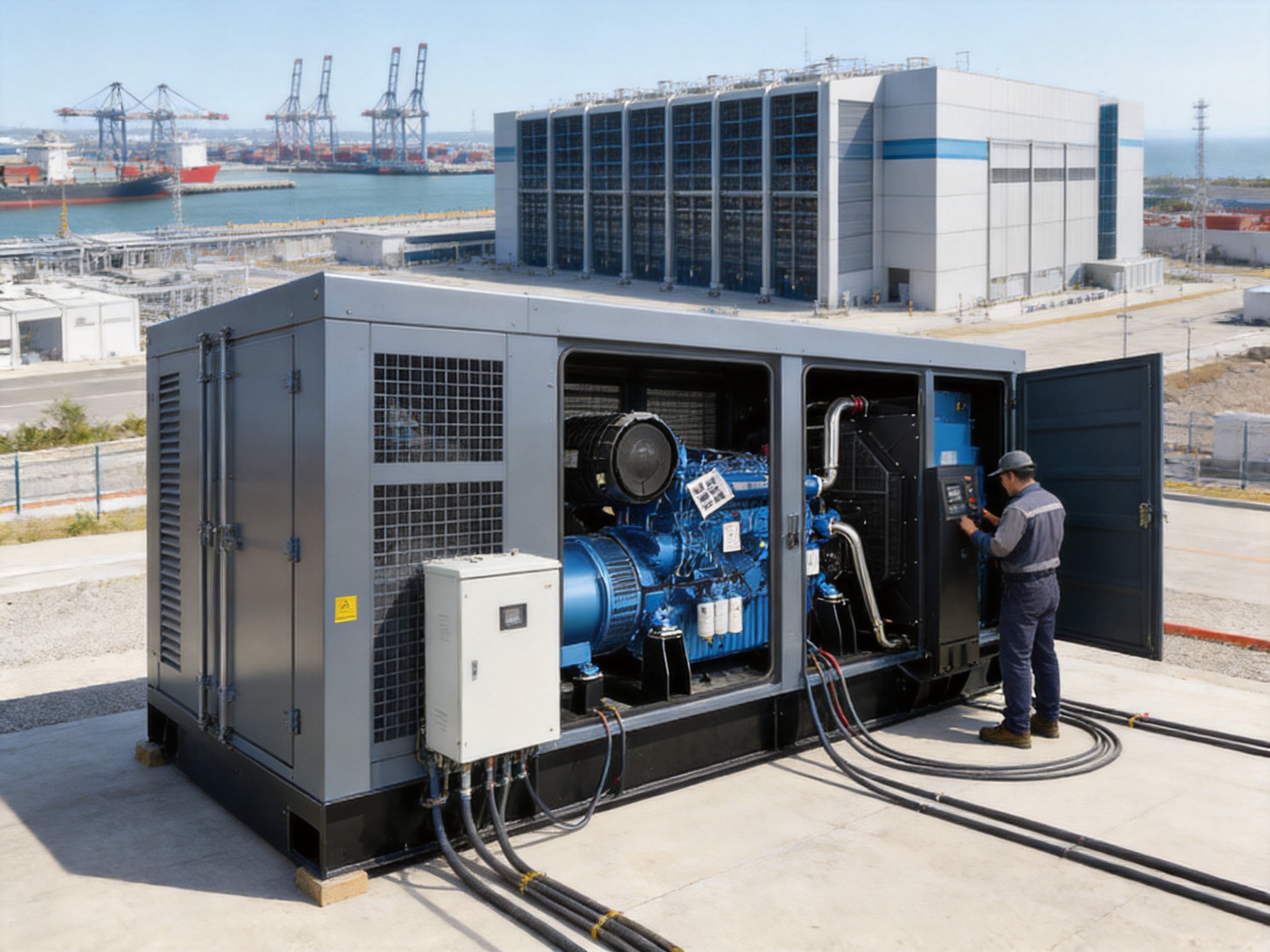
Ports depend on cranes, pumps, lighting, security systems, refrigeration, communications, and cargo-handling equipment. Power interruptions can delay vessel operations and affect temperature-sensitive goods. Generator sets used in port environments may need corrosion protection, robust enclosures, high starting capacity, and reliable operation under changing loads.
Oilfields and Remote Energy Projects
Remote oilfield sites often lack a stable utility connection. Generator sets may provide the primary source of electricity for drilling equipment, pumps, camps, workshops, lighting, and communications. Such sites place strong demands on fuel efficiency, service intervals, environmental adaptability, and ease of maintenance.
In remote locations, the cost of transporting fuel and technicians can be considerable. A durable generator with accessible service points and a well-planned spare-parts package can reduce logistical risk. Parallel operation may allow operators to match generation capacity to the active site load while keeping reserve capacity available.
Municipal and Public-Service Projects
Municipal facilities such as water-treatment plants, sewage-treatment stations, emergency shelters, traffic-control centers, and public hospitals require power continuity for safety and community services. Generator systems in these applications must be dependable, easy to test, and integrated with emergency operating procedures.
Construction Sites
Construction projects often require temporary power before the permanent utility connection is available. Generator sets may supply cranes, welding machines, pumps, lighting, tools, offices, and worker facilities. Rugged construction, transport-friendly design, and flexible output make diesel generator sets suitable for changing site conditions.
Installation and Commissioning Considerations
Correct installation is necessary to achieve the performance demonstrated in factory testing. The foundation must support the equipment and control vibration. There must be adequate clearance for maintenance, air intake, radiator discharge, exhaust routing, and fuel-system access. The generator room should be designed so that hot air does not recirculate into the radiator.
The exhaust system must be sized to limit back pressure within the engine manufacturer’s requirements. Excessive back pressure can increase exhaust temperature, reduce engine performance, and shorten component life. Exhaust piping should be properly supported and insulated where it presents a burn or heat-transfer hazard.
Fuel systems require clean storage, suitable filtration, correct pipe sizing, and protection against water contamination. Fuel tanks should provide enough operating autonomy for the application without creating unnecessary stagnation. In critical installations, fuel quality should be checked periodically and storage practices should be documented.
Electrical connections should be installed by qualified personnel. Cable size, breaker capacity, grounding, neutral arrangement, phase rotation, and short-circuit protection must match the generator and facility design. Automatic transfer equipment should be tested under simulated utility-failure conditions before the system is placed into service.
Commissioning should include no-load and load testing, verification of alarms and shutdowns, automatic start and stop sequences, transfer operation, battery-charger operation, and confirmation of remote signals where applicable. Operators should receive training on normal operation, emergency stop procedures, routine inspections, and maintenance records.
Maintenance and Lifecycle Value
Preventive maintenance protects availability and controls lifecycle cost. Routine tasks typically include checking engine oil, coolant, fuel, batteries, belts, hoses, air filters, exhaust components, radiator cleanliness, electrical connections, and signs of leakage. The exact interval depends on operating hours, duty rating, fuel quality, ambient conditions, and the engine manufacturer’s instructions.
Standby generator sets require periodic exercise even when utility power is reliable. Regular testing confirms that the engine can start, the battery remains charged, the control system functions correctly, and the generator can accept a meaningful load. Extended no-load operation should be avoided because it may contribute to incomplete combustion and carbon accumulation. Where appropriate, load-bank testing can verify real output capability.
Maintenance records should include operating hours, test dates, load levels, fluid changes, filter replacement, alarm events, and corrective actions. A clear history helps technicians identify trends and plan service before a failure occurs. It also supports warranty evaluation and asset-management decisions.
The total cost of ownership includes the purchase price, transportation, installation, fuel, maintenance, spare parts, downtime, and eventual replacement. A generator with better fuel efficiency, stronger durability, easier service access, and reliable controls may deliver greater value even if its initial cost is not the lowest available. This is particularly true for prime-power and continuous-power applications.
Company Manufacturing and Service Strengths
Yangzhou Aiweite Electromechanical Co., Ltd. was founded in 2008 and specializes in the manufacture and installation of diesel generator sets. The company’s stated product scope includes generator sets from 1 kVA to 2500 kVA, while the Baudouin-powered product family described here covers configurations up to 5000 kW subject to the selected design and project arrangement. Buyers should confirm the final rating and scope directly during technical quotation.
The company’s capabilities are based on advanced manufacturing equipment, continuous innovation, and strict quality management. Its manufacturing role is complemented by installation and project support, enabling the company to consider the practical requirements of complete power systems rather than focusing only on equipment shipment.
Aiweite serves customers in different markets and provides support before, during, and after each project. Pre-sales support may include load analysis, equipment selection, technical proposals, layout recommendations, and configuration review. During the project, support may cover production coordination, delivery preparation, installation guidance, commissioning, and operator training. After delivery, the company can assist with maintenance planning, troubleshooting, spare parts, and technical communication.
The company also began expanding its foreign-trade business in 2022. Its international focus places additional importance on clear documentation, communication, packaging, shipping coordination, and adaptation to different electrical standards and site conditions. For overseas customers, these service details can have a direct effect on project schedules and commissioning efficiency.
Its corporate principles of quality first and customer first are reflected in the need to provide stable, durable, efficient, and environmentally responsible power solutions. Integrity, responsibility, innovation, and mutual success are presented as central elements of the company culture. These principles are particularly relevant to generator projects because customers typically expect equipment to remain in service for many years rather than function only during initial acceptance testing.
How to Select the Right Configuration
A successful generator project begins with accurate technical information. The buyer should provide the required voltage, frequency, phase, maximum demand, starting loads, expected load profile, operating altitude, ambient temperature, installation location, acoustic requirements, fuel autonomy, and applicable regulations.
The load list should distinguish between continuous loads, intermittent loads, emergency loads, and loads that may be disconnected during a power shortage. Motors and transformers should be identified with their starting method and starting current. Sensitive electronics, variable-frequency drives, and uninterruptible power supplies should also be listed because they may affect alternator sizing and power-quality requirements.
The buyer should decide whether the generator will be standby, prime, or continuous rated. If the unit will operate as the primary source for long periods, fuel storage, maintenance access, ventilation, exhaust routing, and spare-parts planning become more important than they would be for occasional emergency use.
Redundancy should be considered for critical facilities. One large generator may be suitable for a simple installation, but several synchronized units may provide better availability and maintenance flexibility. The preferred arrangement depends on capital budget, floor space, load growth, required fault tolerance, and the consequences of a single-unit failure.
Finally, the project should define the required documentation and acceptance tests before production begins. Clear requirements reduce the risk of later changes and help ensure that the delivered generator set matches the customer’s operational expectations.
Frequently Asked Questions
What is the output range of Baudouin Powered Diesel Generator Sets?
The product family covers a broad range from approximately 15 kW to 5000 kW. The exact output depends on the selected engine, alternator, duty rating, frequency, voltage, environmental conditions, and configuration. A technical quotation should confirm the precise standby, prime, or continuous rating.
What standards do these generator sets follow?
The product information states that the generator sets are fully compliant with ISO 8528 and GB/T 2828 requirements. Specific project certifications, inspection procedures, and documentation should be confirmed according to the destination country and application.
Are the alternators brushless?
Yes. The generator sets use high-precision full-copper brushless alternators. Brushless excitation reduces routine brush maintenance and supports reliable electrical performance when the alternator is properly matched to the load.
Are these generator sets suitable for data centers?
They can be configured for data-center applications when the complete system is correctly engineered. Important considerations include redundancy, automatic transfer, UPS coordination, transient response, power quality, parallel operation, testing, remote monitoring, and maintenance procedures.
Can multiple generator sets operate in parallel?
Parallel operation can be available with suitable synchronization, load-sharing, switchgear, protection, and controller configurations. This requirement should be specified before production because it affects the electrical design and commissioning process.
What is the difference between standby and prime power?
Standby power is generally used as emergency backup during utility failures. Prime power is used as the main source where the utility supply is unavailable or unreliable and the generator may operate for extended periods. The appropriate rating depends on the operating schedule, load variation, and engine manufacturer’s rating definitions.
How should the generator be maintained?
Maintenance normally includes inspections of oil, coolant, fuel, batteries, filters, belts, hoses, radiator cleanliness, exhaust components, electrical connections, and protective systems. Standby units should be exercised periodically and tested under load when appropriate. The engine manufacturer’s maintenance schedule should always take priority.
Can the generator operate in harsh environments?
Yes, but the configuration must reflect the site conditions. High altitude, extreme temperatures, dust, humidity, salt air, and restricted ventilation may require special cooling, filtration, enclosure, heating, corrosion protection, or derating measures.
Does the company provide installation support?
Yangzhou Aiweite Electromechanical Co., Ltd. specializes in both the manufacture and installation of diesel generator sets. Its project support can include technical selection, installation guidance, commissioning, and after-sales assistance. The precise scope should be confirmed in the purchase agreement.
How can customers request technical information?
Customers can contact Yangzhou Aiweite Electromechanical Co., Ltd. through its sales and service channels for load analysis, configuration recommendations, quotations, installation requirements, and project support. The company’s listed email is info@awtgenerator.com, and customers should provide the intended application, required output, voltage, frequency, location, and duty cycle when making an inquiry.
Conclusion
Baudouin Powered Diesel Generator Sets provide a comprehensive solution for facilities that require dependable independent power. Their main strengths include authentic Baudouin heavy-duty engines, full-copper brushless alternators, intelligent controls, a wide output range, strong load-response capability, efficient operation, and adaptability to demanding applications.
The product’s value comes not only from individual components but also from their integration into a carefully manufactured generator system. Structural assembly, alignment, electrical wiring, controller programming, testing, documentation, installation, and maintenance support all influence real-world reliability. A technically strong engine cannot compensate for poor ventilation, incorrect sizing, weak wiring, or inadequate commissioning, which is why complete project support is essential.
Yangzhou Aiweite Electromechanical Co., Ltd. contributes manufacturing experience, installation capability, quality-management practices, and international project support. Since its establishment in 2008, the company has focused on stable, durable, efficient, and environmentally responsible power solutions. Its approach is suitable for customers seeking more than a basic generator purchase and requiring a long-term partner for planning, delivery, operation, and service.
For data centers, industrial parks, ports, oilfields, construction projects, and municipal facilities, the right generator set can protect operations, reduce downtime, and strengthen energy resilience. By evaluating the load carefully, selecting the correct rating, specifying the appropriate options, and following a disciplined maintenance program, users can obtain dependable performance throughout the generator’s service life.
References
ISO 8528, Reciprocating Internal Combustion Engine Driven Alternating Current Generating Sets, applicable parts and editions.
GB/T 2828, Sampling Procedures and Tables for Lot-by-Lot Inspection by Attributes, applicable parts and editions.
Baudouin engine technical documentation and operation-maintenance guidance for industrial diesel engines.
Alternator manufacturer technical manuals covering brushless excitation, voltage regulation, insulation, and generator-set application.
Diesel generator-set engineering practices for load calculation, transient response, ventilation, exhaust design, grounding, and commissioning.
Yangzhou Aiweite Electromechanical Co., Ltd. product information, company profile, manufacturing capabilities, and project-support materials.