English
 Français
 Español
Perkins Powered Diesel Generator Sets: Efficient, Reliable, and Application-Ready Power Solutions
Oct 08, 2026
Content
- 1 Product Overview and Operating Scope
- 2 Original Perkins Engine Technology
- 3 High-Quality Brushless Synchronous Alternators
- 4 Intelligent Control and Protection Systems
- 5 Compliance with Recognized Standards
- 6 Manufacturing Strengths and Quality Management
- 7 Competitive Advantages of the Product Series
- 8 Applications Across Critical Industries
- 9 Installation and Commissioning Considerations
- 10 Maintenance and Lifecycle Support
- 11 How to Select the Correct Generator Set
- 12 Company Capabilities and Customer Commitment
- 13 Frequently Asked Questions
- 13.1 What power range is available?
- 13.2 Are these generator sets suitable for standby and prime power?
- 13.3 What is the benefit of using an original Perkins engine?
- 13.4 Why is a brushless synchronous alternator used?
- 13.5 Can the generator supply sensitive electronic equipment?
- 13.6 How does the intelligent controller improve operation?
- 13.7 Are the generator sets suitable for outdoor installation?
- 13.8 How should generator capacity be selected?
- 13.9 What industries can use these generator sets?
- 13.10 What support is available after purchase?
- 14 Conclusion
- 15 References
- 16 Product: Perkins Powered Diesel Generator Sets
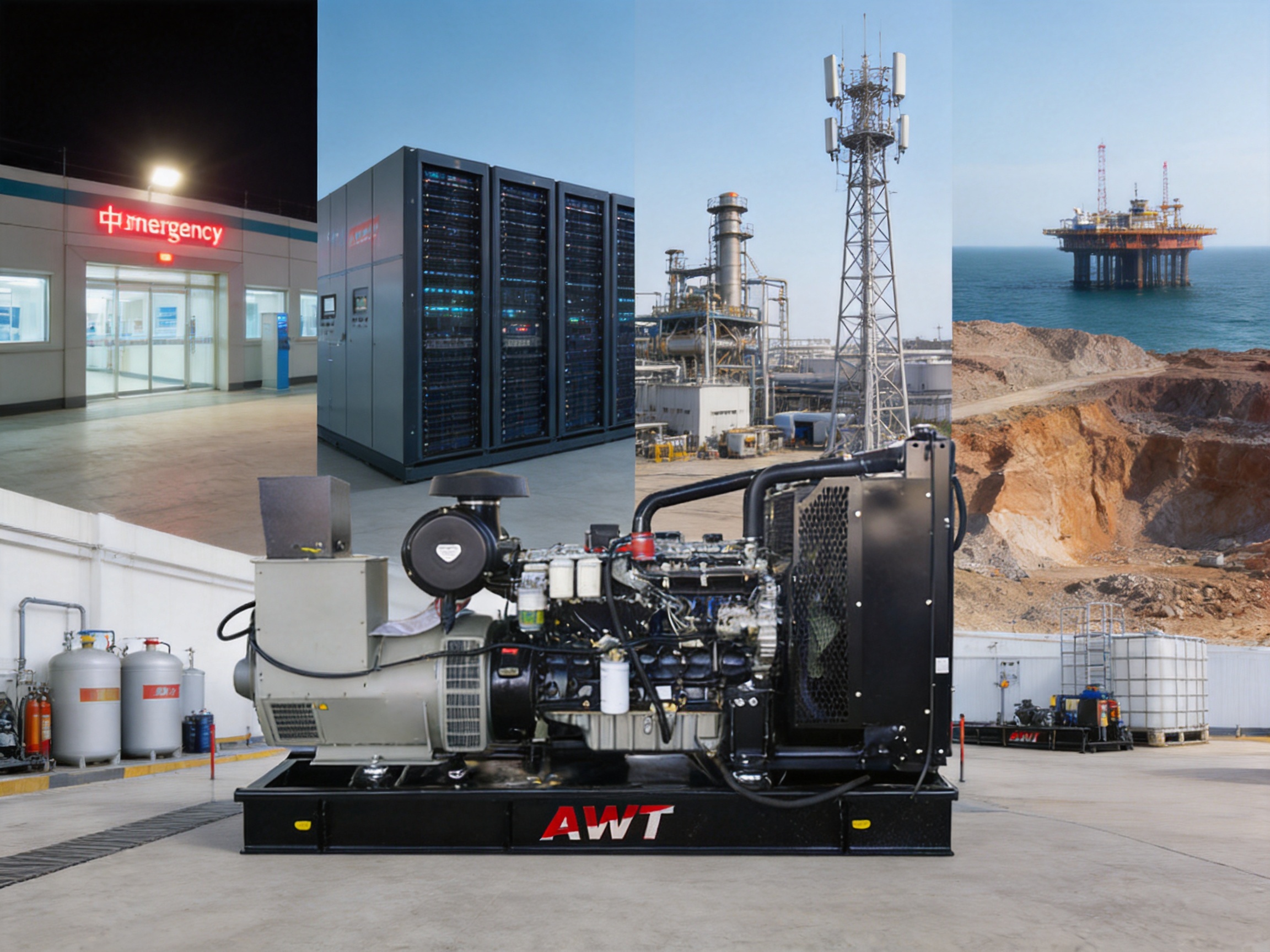
Reliable electricity is essential wherever interruption can affect safety, productivity, communication, data integrity, or business continuity. Hospitals require dependable power for life-support systems and critical medical equipment. Data centers need stable electricity to protect servers, storage systems, and network infrastructure. Industrial plants depend on continuous operation to avoid production losses, while telecommunications stations, mines, marine facilities, offshore projects, and emergency-response teams often work in locations where the public grid is unavailable or unreliable. In each of these situations, a diesel generator set must deliver more than rated output. It must start promptly, operate efficiently, withstand demanding conditions, and remain serviceable over a long working life.
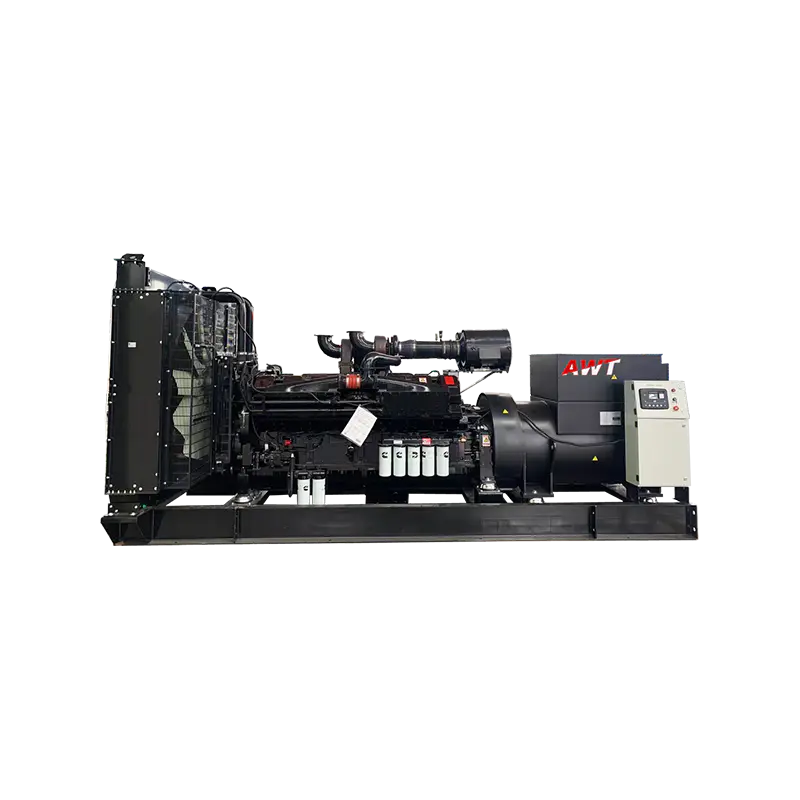
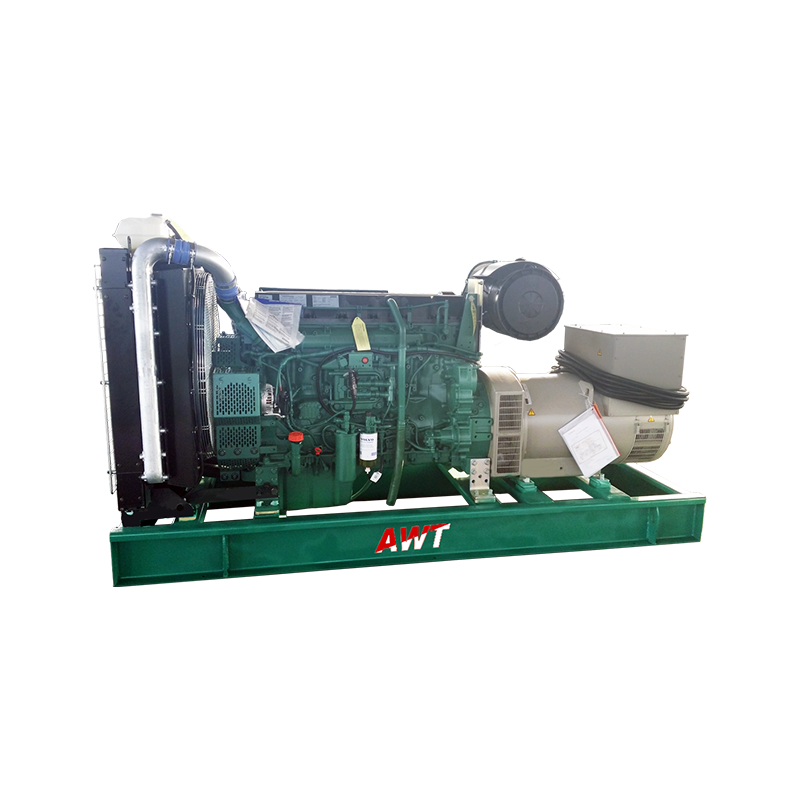
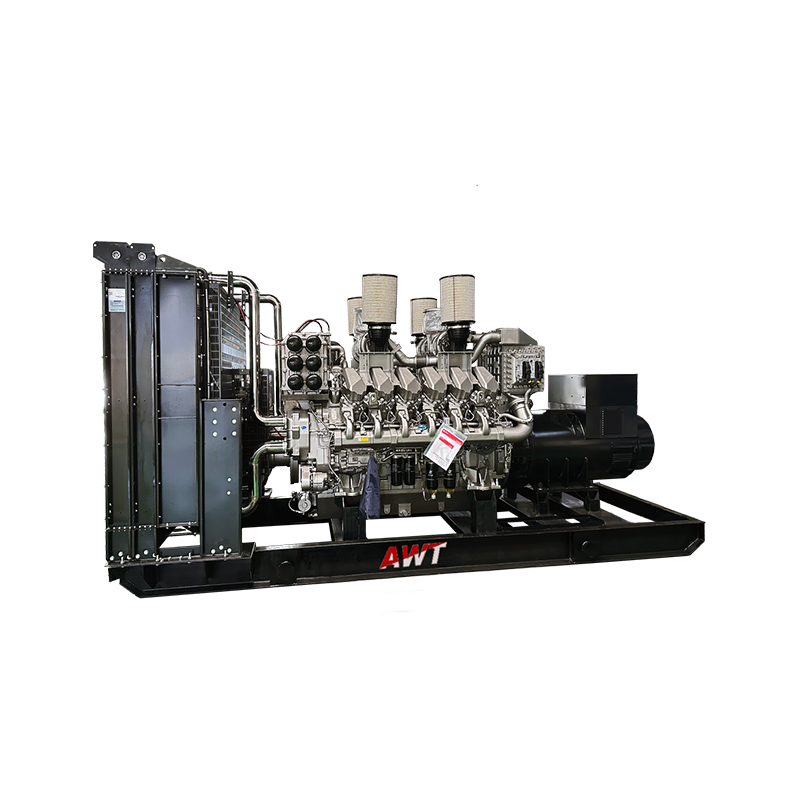
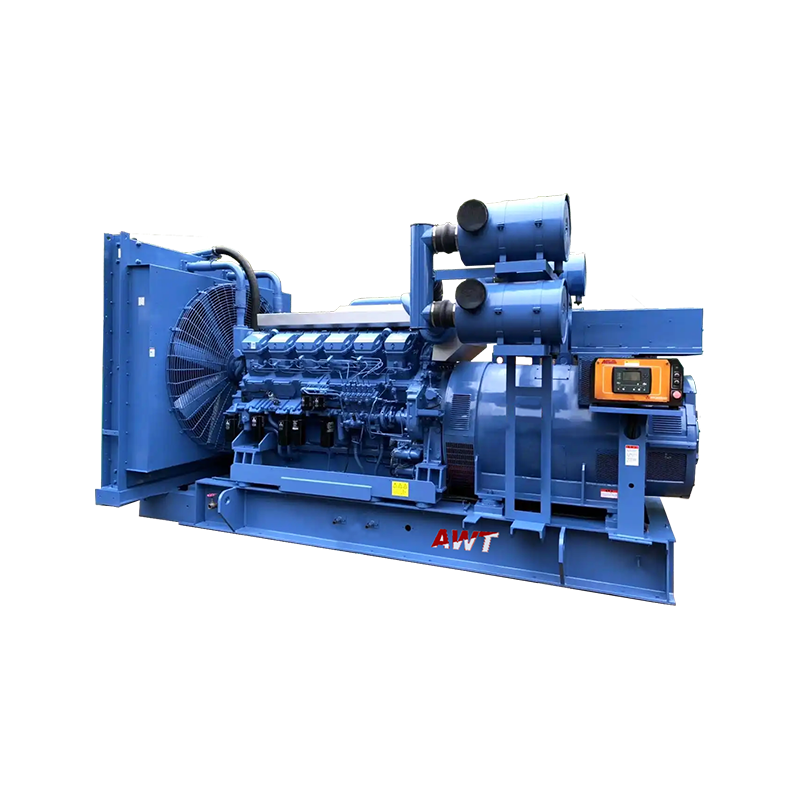
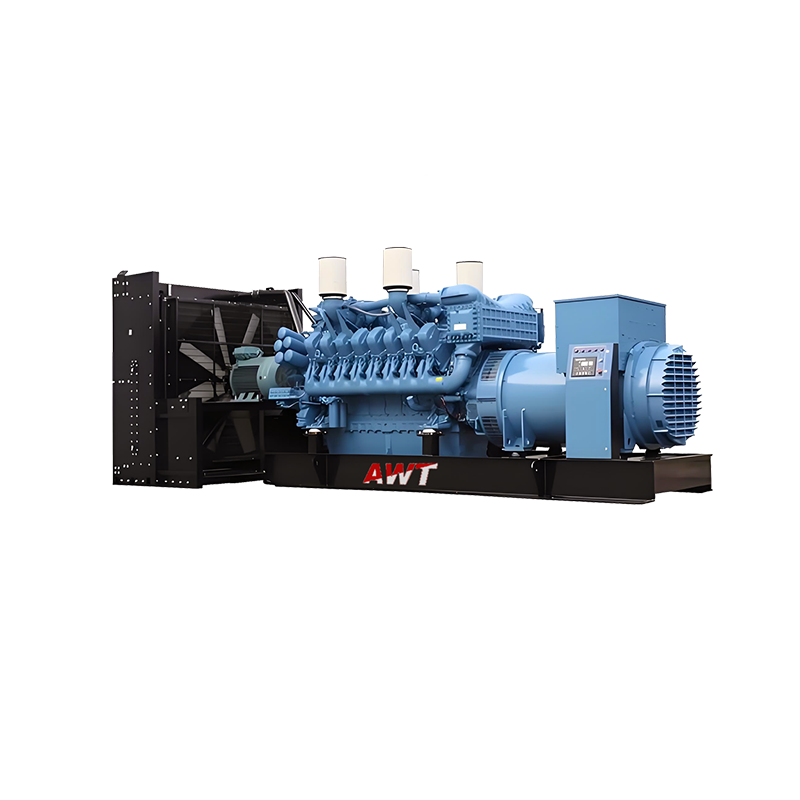
Perkins Powered Diesel Generator Sets are designed to answer these requirements through the combination of original Perkins engines, high-quality brushless synchronous alternators, and intelligent control systems. The product series covers a broad power range from 8 kW to 3,400 kW and is available for standby, prime, and continuous power applications. This range allows users to select equipment according to their actual load profile rather than adapting a project to a limited selection of standard machines.
The value of this product family lies in the coordination of its major systems. The engine supplies mechanical power, the alternator converts that power into electricity, the controller supervises operation and protection, and the complete generator set is assembled and tested as an integrated unit. This approach helps improve operating stability, fuel economy, maintainability, and application flexibility. It also gives project owners a practical solution for both emergency backup and long-duration power generation.
Product Overview and Operating Scope
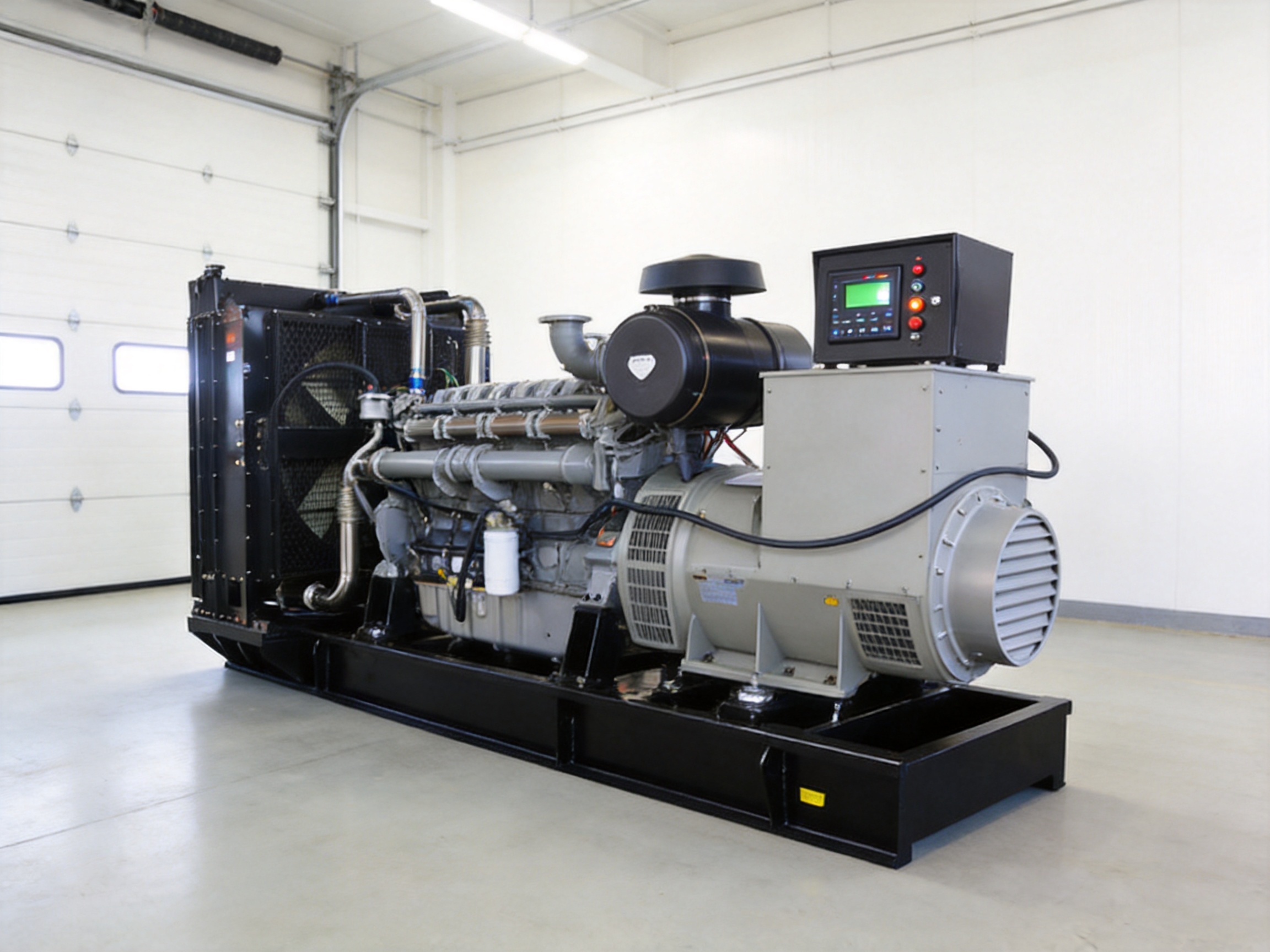
A diesel generator set is an integrated power-generation system consisting primarily of a diesel engine, an alternator, a control panel, a cooling system, a fuel system, a starting system, a base frame, and protective components. The Perkins Powered Diesel Generator Sets described in this article use original Perkins engines and high-quality brushless synchronous alternators. They are designed to comply with ISO 8528 and GB/T 2820 standards, providing a recognized technical foundation for performance, classification, and testing.
The series supports three main operating categories. Standby power is intended for emergency use when the normal utility supply fails. Prime power is used where the generator is the main source of electricity or where loads vary over time. Continuous power is suitable for applications requiring extended operation at a relatively stable load. Selecting the correct rating is essential because the operating duty affects the engine’s thermal load, maintenance intervals, fuel consumption, and expected service life.
With a stated power range from 8 kW to 3,400 kW, the series can serve small commercial facilities as well as large industrial and infrastructure projects. Smaller units may be suitable for offices, shops, clinics, telecommunications equipment, and residential or light-commercial backup. Medium-sized sets can support factories, construction sites, commercial buildings, and agricultural facilities. Higher-output configurations can be applied to data centers, large industrial plants, mines, marine projects, offshore installations, and centralized emergency-power systems.
Power selection should always be based on a detailed load assessment. The calculation should include running loads, motor-starting currents, non-linear loads, future expansion, environmental derating, and the desired level of redundancy. A properly selected generator operates more efficiently and provides greater reserve capacity than an undersized machine that remains near its maximum output.
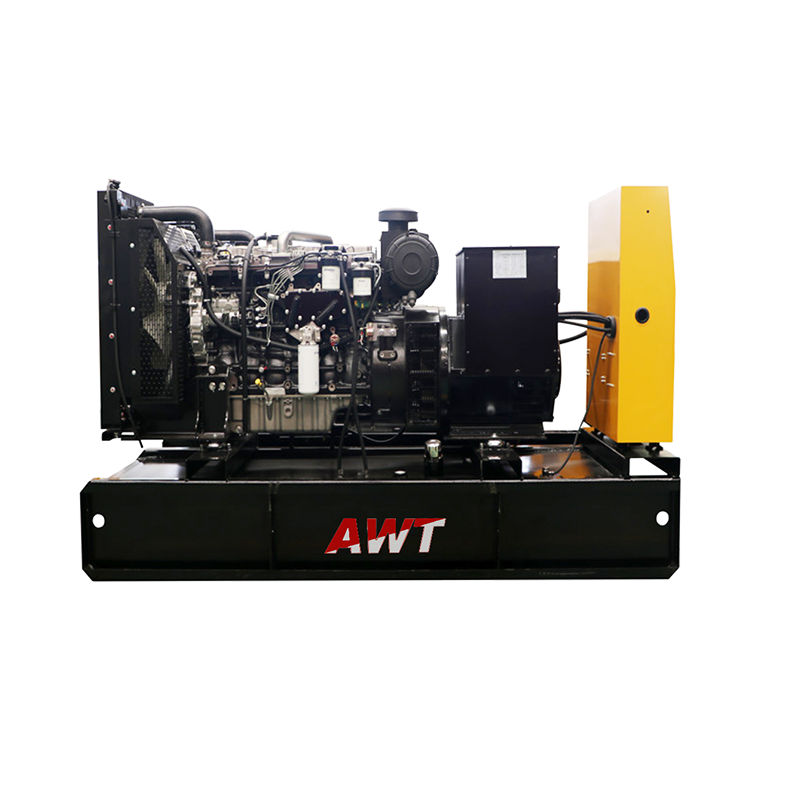
Perkins Powered Diesel Generator Sets
Original Perkins Engine Technology
The engine is the primary source of mechanical energy in a diesel generator set, so engine quality directly affects the overall performance of the system. Original Perkins engines provide the foundation for this product series. Perkins has accumulated more than a century of professional experience in power technology, and its engines have been verified in a wide range of field applications. That history is valuable for users who need predictable operation, established service practices, and dependable performance across different markets.
A key advantage of using an established engine platform is the availability of mature engineering solutions. Diesel engines must manage combustion, cooling, lubrication, fuel injection, vibration, exhaust emissions, and mechanical loads at the same time. A proven platform benefits from long-term development, extensive operating experience, and well-established maintenance knowledge. This can reduce uncertainty during equipment selection and support the preparation of maintenance schedules, spare-parts plans, and operator training.
Perkins engines are also well suited to generator applications because they are designed to deliver stable mechanical output under changing electrical loads. Generator loads may increase suddenly when motors start, pumps engage, compressors come online, or building systems switch from utility power to emergency supply. The engine must respond quickly while maintaining an acceptable frequency. Correct engine-generator matching is therefore essential for transient performance and the safe operation of connected equipment.
For project owners, the engine platform also contributes to lifecycle practicality. Service technicians can work with documented procedures, standard inspection points, and recognized replacement components. Operators can monitor oil pressure, coolant temperature, speed, battery condition, and other key parameters through the control system. These capabilities help identify abnormal conditions before they develop into more serious failures.
Stable Performance Under Variable Loads
Many generator applications do not operate at a constant load. A commercial building may experience significant changes between daytime and nighttime. A hospital may have a combination of continuous medical loads and intermittent equipment. A construction site may start high-current tools at different times, while a data center may require highly stable power for sensitive electronic equipment. The engine must therefore respond smoothly to load changes while maintaining the generator’s frequency and voltage within appropriate limits.
The integration of a Perkins engine with a properly matched alternator and intelligent control system creates a coordinated power package. The engine governor manages speed, the alternator produces electrical output, and the controller monitors the relationship between operating conditions and load demand. This integrated design is more effective than treating each component as an isolated item.
Fuel Consumption and Operating Cost
Fuel is one of the largest recurring expenses associated with diesel power generation. Low fuel consumption can reduce operating costs, simplify fuel-storage planning, and increase the available operating time between refueling operations. The actual fuel rate depends on the selected model, load percentage, ambient conditions, maintenance condition, fuel quality, and operating mode. Even so, an efficient engine platform and correct generator sizing provide a strong foundation for economical operation.
Users should avoid evaluating fuel economy only at full load. A generator may spend much of its operating life at partial load, particularly in standby or variable-load applications. A professional selection process should review the expected load curve and consider whether load banks, parallel operation, or a different unit size is required. Operating a diesel generator continuously at very low load can be inefficient and may create additional maintenance concerns. Matching the set to the application is therefore as important as the engine’s nominal efficiency.
High-Quality Brushless Synchronous Alternators
The alternator converts the engine’s mechanical energy into electrical energy. In this product series, high-quality brushless synchronous alternators are used to support dependable power output and reduced maintenance requirements. A brushless design removes the need for conventional brushes and slip-ring contact in the excitation path, reducing wear-related service points and helping improve long-term reliability.
Brushless synchronous alternators are particularly valuable in environments where equipment must operate for long periods or where access for maintenance is difficult. Marine, offshore, mining, and remote-site projects may involve challenging logistics, limited service personnel, and high downtime costs. Reducing routine wear components can make maintenance planning more straightforward and support higher equipment availability.
The alternator must be correctly matched to the engine and the intended application. Important considerations include rated voltage, frequency, phase configuration, insulation system, temperature rise, short-circuit performance, motor-starting capability, and compatibility with the control system. A generator set is not simply an engine connected to any available alternator; the two machines must be engineered as a balanced system.
Stable voltage is especially important for electronic equipment, automation systems, variable-speed drives, communication devices, and medical equipment. Sudden voltage deviations can cause nuisance trips, equipment malfunctions, or data-related problems. The alternator and voltage-regulation system must therefore work with the controller to maintain appropriate output under changing loads.
Advantages of a Brushless Configuration
The brushless design offers several practical benefits:
First, it reduces the number of mechanical contact parts subject to wear. This can lower routine maintenance requirements and reduce the likelihood of performance deterioration caused by worn brushes or contaminated contact surfaces.
Second, it is suitable for demanding operating environments where dust, moisture, vibration, or restricted access can make frequent servicing difficult. The complete generator set must still be properly enclosed, ventilated, grounded, and maintained, but the brushless excitation arrangement provides a robust foundation.
Third, it supports long-term operating consistency when paired with suitable voltage regulation and protection. The alternator’s electrical output should remain compatible with the connected load, while the control system can identify overload, under-voltage, over-voltage, and other abnormal conditions.
Intelligent Control and Protection Systems
Modern generator users expect more than a start-and-stop switch. They require clear information about operating status, alarms, protection events, service conditions, and output parameters. The intelligent control systems used with these generator sets are intended to make operation more transparent and manageable.
A generator controller typically monitors parameters such as engine speed, oil pressure, coolant temperature, battery voltage, generator voltage, frequency, current, power, and operating hours. Depending on the selected configuration, it may also support automatic mains failure operation, remote monitoring, load transfer, event recording, and communication with a building-management or power-management system. The exact functions depend on the chosen controller and project requirements.
Protection is a central role of the controller. If the system detects conditions such as low oil pressure, excessive coolant temperature, overspeed, overcurrent, short circuit, abnormal voltage, or abnormal frequency, it can issue an alarm or initiate a controlled shutdown. This protects the engine, alternator, and connected loads. Early warnings can also help maintenance personnel investigate a problem before it becomes a major failure.
For standby applications, automatic operation is especially important. When the utility supply fails, an automatic transfer system can send a start command to the generator, allow the engine to reach stable operating conditions, and transfer the load. When utility power returns and remains stable, the system can transfer the load back and allow the generator to cool down before stopping. This sequence must be commissioned correctly, and the complete installation should be tested under realistic conditions.
Compliance with Recognized Standards
The generator series complies with ISO 8528 and GB/T 2820 standards. Compliance with recognized standards gives users a clearer basis for evaluating performance, classification, testing, and application suitability. It also supports project documentation and technical communication between the manufacturer, system integrator, consultant, contractor, and end user.
ISO 8528 is associated with reciprocating internal combustion engine driven alternating current generating sets. The standard family addresses subjects such as ratings, performance characteristics, testing, and generator-set application. GB/T 2820 is a corresponding Chinese national standard series for generating sets. The applicable edition, testing scope, and project-specific requirements should be confirmed during technical procurement.
Standards compliance does not eliminate the need for correct installation. A generator set must be installed with adequate ventilation, exhaust treatment, fuel storage, fire protection, grounding, cable sizing, acoustic control, and physical clearance. Local electrical and environmental regulations may also impose additional requirements. The manufacturer, installer, and project owner should coordinate these factors before commissioning.
Manufacturing Strengths and Quality Management
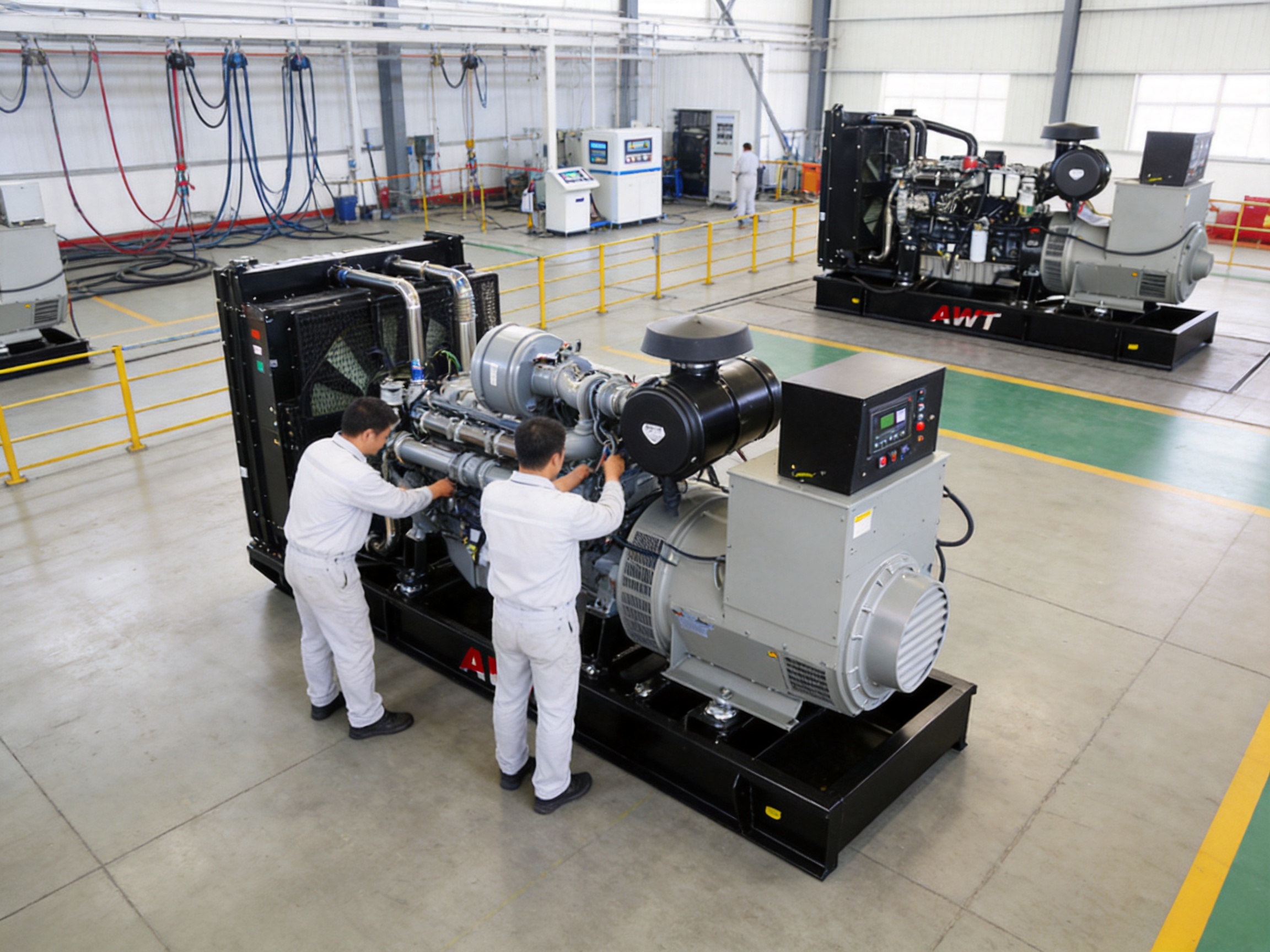
Generator reliability is determined not only by the engine and alternator but also by how the complete unit is manufactured. Yangzhou Aiweite Electromechanical Co., Ltd. was founded in 2008 and specializes in the manufacture and installation of diesel generator sets ranging from 1 kVA to 2,500 kVA. The company has built its business around stable, durable, efficient, and environmentally responsible power solutions.
The company’s manufacturing strength is based on several connected capabilities. These include product configuration, generator-set assembly, electrical integration, installation support, quality control, project communication, and after-sales service. A generator set must be treated as a complete engineered product rather than a collection of components. The quality of the frame, wiring, cooling arrangement, control-panel installation, vibration isolation, fuel connections, and protective enclosure can all influence field performance.
Advanced manufacturing equipment supports consistency during production. Although the precise equipment configuration varies according to the product model, professional generator-set manufacturing generally requires controlled procedures for frame fabrication, component installation, electrical wiring, mechanical fastening, inspection, and testing. Consistent production methods help reduce assembly variation and make it easier to reproduce approved configurations for different projects.
Strict quality management is another important strength. Quality control should begin with the review of customer requirements and continue through incoming component inspection, assembly verification, wiring checks, operational testing, final inspection, and shipment preparation. Each stage provides an opportunity to identify issues before the equipment reaches the job site.
Engineered Assembly Process
The manufacturing process begins with confirming the project’s technical requirements. These may include rated power, voltage, frequency, phase, operating mode, fuel system, enclosure type, control functions, ambient temperature, altitude, noise requirements, fuel-tank capacity, and installation environment. Reviewing these details before production helps ensure that the selected engine, alternator, controller, and auxiliary systems are compatible.
After the configuration is confirmed, the major components are positioned on a rigid base frame. The engine and alternator must be aligned correctly to reduce stress and vibration. Flexible connections, anti-vibration mounts, exhaust components, cooling assemblies, and fuel-system parts are then installed according to the selected design. Mechanical fasteners should be checked for correct tightening, while piping and hoses should be routed to avoid abrasion, excessive heat, and unnecessary bending.
Electrical assembly requires equal attention. Power cables, control wires, protective devices, sensors, battery connections, and grounding conductors must be installed in a clear and secure manner. Proper separation of power and control wiring can reduce interference and improve troubleshooting. Labels and terminal identification also help maintenance personnel work safely and efficiently.
The control panel is configured according to the required operating mode. Standby installations may require automatic mains-failure functions, while prime or continuous applications may need additional monitoring, remote control, synchronization, or load-management capabilities. The final configuration should match the site’s electrical system and the responsibilities of the operating team.
Testing Before Delivery
Testing is a critical step in professional generator manufacturing. A complete test program may include visual inspection, insulation checks, wiring verification, battery and starting tests, no-load operation, load operation, voltage and frequency checks, alarm verification, and shutdown-protection testing. The specific test scope depends on the generator model, customer requirements, and applicable standards.
Load testing is valuable because it demonstrates how the generator performs when supplying electrical demand. It can reveal issues that may not be visible during a no-load start, including unstable frequency, overheating, abnormal vibration, insufficient cooling, incorrect protection settings, or inadequate cable connections. Testing also provides an opportunity to confirm that the control panel displays accurate readings and responds correctly to simulated faults.
Final inspection should verify the overall appearance, component security, labeling, documentation, and packing condition. The equipment should be shipped with the information needed for installation and operation, including technical data, control instructions, maintenance guidance, and relevant inspection records where applicable.
Competitive Advantages of the Product Series
The competitive position of Perkins Powered Diesel Generator Sets comes from the combination of recognized engine technology, efficient alternators, intelligent controls, broad power coverage, and professional manufacturing support. Competitors may offer individual components with similar specifications, but the practical value of a generator depends on how well the complete system is matched, assembled, tested, and supported.
Broad Power Coverage
The stated range from 8 kW to 3,400 kW allows the product family to address a wide variety of applications. Customers can work with one experienced generator supplier for multiple project sizes rather than sourcing separate solutions for small, medium, and large facilities. This can simplify technical communication, spare-parts planning, documentation, and project coordination.
It is important to distinguish between the product series’ stated power coverage and the company’s general manufacturing range of 1 kVA to 2,500 kVA. Generator ratings may be expressed in kW or kVA, and the relationship depends on power factor. The final available model, rating, and configuration should always be confirmed against the project specification.
Low Noise Potential
Noise is a significant consideration in hospitals, commercial buildings, residential areas, telecommunications sites, and urban construction projects. The product series is described as offering low-noise performance. Achieving acceptable sound levels depends on the generator model, enclosure design, exhaust silencer, ventilation arrangement, mounting system, load condition, and distance from the measurement point.
For projects with strict acoustic requirements, sound attenuation should be planned as part of the complete installation. Options may include acoustic canopies, larger silencers, flexible exhaust connectors, vibration isolators, and engineered ventilation paths. The objective is to reduce radiated mechanical and exhaust noise without restricting the airflow required for engine cooling.
Low Fuel Consumption
Fuel efficiency is a key advantage in both standby and prime-power applications. Lower fuel consumption can reduce operating expenditure and fuel-delivery frequency. It may also support longer autonomous operation when fuel-storage capacity is limited, such as at remote communication stations, emergency-response locations, or offshore facilities.
Actual results depend on load profile and maintenance. Clean filters, correct lubricant levels, appropriate coolant, suitable fuel, and regular inspection all contribute to efficient operation. The generator should also be sized so that it operates within a productive load range for the majority of its service time.
High Reliability
Reliability comes from the complete system. The use of original Perkins engines provides a proven mechanical foundation. Brushless synchronous alternators reduce certain wear-related maintenance requirements. Intelligent controllers provide monitoring and protection. Professional assembly and testing help verify that the components operate together as intended.
Reliability also depends on the surrounding installation. Even a high-quality generator can perform poorly if it lacks adequate ventilation, uses undersized cables, receives contaminated fuel, or is not tested regularly. Aiweite’s manufacturing and installation capabilities allow customers to address the generator and its application as a connected project.
Environmental Adaptability
Generator sets may be required to operate in hot, cold, humid, dusty, high-altitude, marine, or offshore environments. The product series is designed for strong environmental adaptability, but the correct configuration must be selected for each location. Ambient temperature affects cooling capacity, altitude affects air density and engine output, and humidity or salt exposure affects enclosure and electrical protection requirements.
Project specifications should identify the site conditions before production. This allows the manufacturer to evaluate cooling, filtration, enclosure protection, anti-corrosion measures, fuel storage, starting batteries, and derating requirements. Advance planning is more effective than attempting to correct environmental problems after installation.
Applications Across Critical Industries
Hospitals and Healthcare Facilities
Healthcare facilities require reliable emergency power for operating rooms, intensive-care areas, medical imaging, refrigeration, lighting, ventilation, pumps, and communication systems. A generator for this environment should support automatic starting, stable output, clear alarms, and regular load testing. Depending on the facility design, multiple generator sets may be used for redundancy or staged load management.
The generator room must provide proper exhaust routing, ventilation, fire protection, fuel management, and safe access. Maintenance schedules should be coordinated with hospital operations so that testing does not interrupt critical services.
Data Centers
Data centers are sensitive to voltage and frequency disturbances and often require redundant power architectures. Generator sets may be integrated with uninterruptible power supplies, automatic transfer switches, paralleling controls, and power-management systems. The generator must start quickly and accept the required load without causing unacceptable electrical disturbances.
Data-center projects should consider the characteristics of non-linear loads, harmonic content, cooling-system demand, battery-charging systems, and future server expansion. The controller and alternator must be selected to support the facility’s electrical design, while the installation must address fuel autonomy, acoustic impact, emissions, and service access.
Commercial Buildings
Commercial buildings use standby generator sets to maintain elevators, fire-protection systems, emergency lighting, security systems, ventilation, pumps, information systems, and selected tenant loads. The required capacity depends on the building’s emergency-load schedule and the sequence in which different systems are restored.
Compact configurations may be suitable where space is limited. Sound-attenuated enclosures can help reduce disturbance in urban environments. Automatic transfer and remote monitoring allow facility managers to receive alarms and review operating status without visiting the generator room.
Industrial Plants
Industrial facilities often contain motors, compressors, pumps, furnaces, welding equipment, automation systems, and process-control devices. These loads can create high starting currents and rapid load changes. Generator selection must therefore consider motor-starting performance, voltage dip, frequency response, short-circuit characteristics, and the order in which loads are connected.
Prime-power applications may be required at sites with weak utility networks or no grid connection. In such conditions, service planning, fuel logistics, spare parts, and operator training become especially important. A durable generator set supported by a clear maintenance program can help reduce production risk.
Telecommunication Stations
Telecommunications sites often operate in remote locations and may require long periods of unattended operation. Generator sets must offer dependable starting, efficient fuel use, remote monitoring, compact installation, and protection against environmental conditions. Low fuel consumption can extend the time between refueling visits, while intelligent alarms can help maintenance teams respond quickly to abnormal conditions.
Mines, Marine, and Offshore Projects
Mines and offshore facilities may be far from electrical infrastructure and exposed to dust, vibration, humidity, salt, or restricted access. Generator systems in these environments should be selected with careful attention to enclosure protection, corrosion resistance, cooling, filtration, fuel quality, transportation, and service procedures.
Marine and offshore projects may also require specialized installation arrangements, synchronization, redundancy, and compliance with project or classification requirements. The generator supplier should review the complete technical specification before confirming the final configuration.
Emergency Rescue and Temporary Power
Emergency-response teams need equipment that can be transported, started quickly, and operated under changing conditions. Generator sets may supply shelters, medical stations, pumps, lighting, communications, and rescue equipment. Compact design, clear controls, safe connections, and straightforward maintenance are especially valuable in temporary deployments.
Installation and Commissioning Considerations
Correct installation protects the generator and ensures that its rated performance can be achieved. The foundation should support the weight of the equipment and limit vibration. Anti-vibration mounts should be correctly positioned and adjusted. Adequate clearances are required for inspection, filter replacement, belt service, battery access, and component removal.
Ventilation must provide sufficient air for combustion and cooling while preventing the recirculation of hot air. The exhaust system should be designed to control back pressure and safely discharge combustion gases away from occupied spaces. Fuel lines must be compatible with the fuel type and protected from heat, physical damage, and contamination.
Electrical installation should include correctly sized cables, suitable protection, grounding, transfer equipment, and safe isolation procedures. The generator’s voltage and frequency must match the connected system. For parallel operation, synchronization and load-sharing controls must be engineered and commissioned by qualified personnel.
Commissioning should include no-load and load tests, automatic-start tests, utility-failure simulations where applicable, emergency-stop verification, alarm checks, and transfer-system operation. Operators should receive training on normal starting, shutdown, emergency procedures, daily inspection, and alarm interpretation.
Maintenance and Lifecycle Support
Regular maintenance is necessary even when a generator operates only during occasional power failures. Standby equipment can deteriorate while unused because batteries discharge, fuel becomes contaminated, seals age, and lubricants lose condition. A planned maintenance program should include periodic visual inspection, battery testing, coolant checks, oil and filter replacement, fuel-system inspection, exhaust-system review, and operational testing under load.
Prime and continuous-power applications require maintenance based on operating hours, load conditions, and the engine manufacturer’s recommendations. Service intervals should be documented, and operating data should be reviewed for changes in oil pressure, coolant temperature, fuel consumption, vibration, starting time, and output stability.
Aiweite provides support before, during, and after projects. This project-oriented approach is important because generator ownership involves more than purchasing the machine. Customers may require assistance with model selection, technical documentation, installation coordination, commissioning, troubleshooting, and spare-parts planning. A reliable long-term supplier should remain available throughout the equipment lifecycle.
How to Select the Correct Generator Set
Start by defining the application: standby, prime, or continuous power. Next, calculate the total load and identify the largest motors, compressors, pumps, and electronic loads. Determine whether all loads must operate simultaneously or whether a priority sequence can be used. Consider future expansion so that the system does not become undersized shortly after installation.
Then specify electrical requirements, including voltage, frequency, phase, power factor, transfer arrangement, and whether synchronization or parallel operation is needed. Environmental conditions should include ambient temperature, altitude, humidity, dust, salt exposure, indoor or outdoor installation, and acoustic restrictions.
Finally, review service access, fuel autonomy, enclosure requirements, monitoring functions, installation space, and local regulations. A technically correct selection should balance initial purchase cost, fuel consumption, maintenance, availability, and expected operating life. The cheapest unit is not necessarily the most economical solution if it causes excessive fuel use, frequent service, or production interruptions.
| Selection Factor | Key Questions | Why It Matters |
|---|---|---|
| Operating Mode | Will the generator provide standby, prime, or continuous power? | The duty rating affects sizing, cooling, maintenance, and expected service life. |
| Rated Output | What are the running loads, starting loads, and future expansion requirements? | Correct sizing supports stable operation and avoids overload or inefficient low-load running. |
| Electrical System | What voltage, frequency, phase, power factor, and transfer arrangement are required? | The generator must be compatible with the facility’s distribution system. |
| Environment | Is the site hot, cold, dusty, humid, high-altitude, marine, or offshore? | Environmental conditions can affect engine output, cooling, enclosure design, and corrosion protection. |
| Noise and Emissions | Are there limits for sound, exhaust, or operating hours? | Acoustic and environmental measures may need to be incorporated before production. |
| Control Functions | Is automatic start, remote monitoring, synchronization, or load sharing required? | The controller and switchgear must be configured for the intended operating method. |
| Service Requirements | Who will operate and maintain the equipment, and how accessible is the site? | Maintenance planning, spare parts, and remote support influence total reliability. |
Company Capabilities and Customer Commitment
Yangzhou Aiweite Electromechanical Co., Ltd. was founded in 2008 and focuses on diesel generator-set manufacturing and installation. Its stated manufacturing range covers 1 kVA to 2,500 kVA, while the Perkins-powered product series covers a broader stated range according to the selected model and configuration. This breadth enables the company to address different project sizes and application requirements.
The company’s development is guided by quality, customer service, integrity, responsibility, innovation, and mutual success. Since beginning its foreign-trade business in 2022, it has expanded its global presence and continued to focus on product competitiveness and dependable power solutions. International customers often need more than equipment: they require clear specifications, responsive communication, accurate documentation, shipment coordination, installation guidance, and after-sales support. These service factors influence the success of a project as much as the generator’s nameplate rating.
Aiweite’s approach combines manufacturing with project support. Customers can discuss the required power range, application, operating mode, environmental conditions, control functions, and installation requirements before finalizing a configuration. This helps reduce the risk of selecting a generator that appears suitable on paper but lacks the necessary starting performance, protection functions, acoustic treatment, or environmental adaptation.
Frequently Asked Questions
What power range is available?
The Perkins Powered Diesel Generator Sets cover a stated power range from 8 kW to 3,400 kW. The exact model, output, voltage, frequency, and configuration should be confirmed according to the project requirements. The company’s general manufacturing range is stated as 1 kVA to 2,500 kVA, so customers should verify the applicable rating and unit configuration during technical consultation.
Are these generator sets suitable for standby and prime power?
Yes. The product series is designed for standby, prime, and continuous power operation. The correct rating depends on how frequently the generator will operate, the expected load profile, the duration of each operating cycle, and the environmental conditions.
What is the benefit of using an original Perkins engine?
An original Perkins engine provides an established power platform supported by extensive professional experience and field verification. It contributes to dependable mechanical output, service familiarity, and stable operation when correctly matched with the alternator and control system.
Why is a brushless synchronous alternator used?
A brushless synchronous alternator reduces the need for brush and slip-ring maintenance in the excitation system. It supports reliable electrical output and is well suited to applications where long operating periods or difficult service access make reduced wear-related maintenance valuable.
Can the generator supply sensitive electronic equipment?
The generator can be configured for applications involving electronic equipment, but the complete electrical design must be reviewed. Voltage regulation, frequency stability, non-linear loads, harmonic characteristics, UPS compatibility, grounding, and transfer equipment should all be considered for data centers, hospitals, communication systems, and automation facilities.
How does the intelligent controller improve operation?
The controller monitors important engine and electrical parameters, displays operating status, records or reports alarms, and provides protective shutdown functions when abnormal conditions occur. Depending on the selected configuration, it may also support automatic mains failure operation, remote monitoring, synchronization, or load management.
Are the generator sets suitable for outdoor installation?
Outdoor installation is possible when the generator is supplied with an appropriate enclosure and the site is designed for ventilation, exhaust discharge, weather protection, grounding, fuel storage, and maintenance access. The enclosure and auxiliary systems should be selected according to the local climate and environmental conditions.
How should generator capacity be selected?
Capacity should be based on running loads, motor-starting requirements, non-linear loads, power factor, future expansion, environmental derating, and the desired operating mode. A professional load assessment is recommended before final selection.
What industries can use these generator sets?
Applications include hospitals, data centers, commercial buildings, industrial plants, telecommunications stations, mines, marine and offshore projects, emergency-rescue operations, construction sites, and other facilities requiring reliable independent or backup power.
What support is available after purchase?
The company provides support before, during, and after projects. Depending on the order and project scope, this may include technical consultation, configuration assistance, installation coordination, commissioning guidance, operation information, maintenance support, and spare-parts planning.
Conclusion
Perkins Powered Diesel Generator Sets provide a comprehensive solution for users who need stable, efficient, and dependable electricity. Original Perkins engines contribute proven power technology and field experience. High-quality brushless synchronous alternators support reliable electrical output with reduced brush-related maintenance. Intelligent control systems improve monitoring, protection, automatic operation, and service visibility. Compliance with ISO 8528 and GB/T 2820 provides a recognized technical framework for product performance and testing.
The product family’s broad stated power range makes it suitable for applications ranging from smaller commercial backup systems to major industrial, infrastructure, marine, and offshore projects. Its advantages over less integrated alternatives are strengthened by professional configuration, controlled manufacturing, assembly inspection, pre-delivery testing, installation capability, and lifecycle support.
Choosing a generator set should involve more than comparing nameplate output or purchase price. The most dependable solution is one that matches the actual load, operating duty, environment, electrical system, maintenance resources, and future requirements. With careful engineering and correct installation, these generator sets can help protect critical operations, reduce downtime, improve energy reliability, and provide a durable source of power in both emergency and continuous-use applications.
References
1. ISO 8528 series, Reciprocating Internal Combustion Engine Driven Alternating Current Generating Sets.
2. GB/T 2820 series, Reciprocating Internal Combustion Engine Driven Alternating Current Generating Sets.
3. Perkins technical literature and engine application guidance.
4. Generator-set manufacturer technical specifications and operating manuals.
5. General principles of diesel generator installation, commissioning, load testing, and preventive maintenance.