English
 Français
 Español
Cummins Powered Diesel Generator Sets for Industrial & Commercial Power
Oct 14, 2026
Content
When a textile plant in East China loses utility supply for 47 minutes, the backup system must restart 1,200 kW of looms in staged load steps without letting frequency drop below 49.5 Hz. A Cummins powered diesel generator set can hold that duty when its rating, enclosure, and control settings are selected according to ISO 8528 performance classes. This guide explains how those ratings work, which enclosure fits which site, and what a buyer must verify before committing to a set for an industrial or commercial power system.
Yangzhou Aiweite Electromechanical Co., Ltd., a generator set manufacturer founded in 2008, builds Cummins powered diesel generator sets across a design range from 1 kVA to 2,500 kVA. The company pairs Cummins engines with matched alternators, control panels, and a choice of open, silent, container, or trailer configurations for factories, infrastructure projects, and emergency power supply.
Why Cummins Engines Anchor Industrial Power Systems
Cummins engines anchor industrial generator sets because the brand combines a global parts network, documented duty ratings, and a matched alternator and control package under one tested assembly. For a plant engineer or procurement manager, that means one accountable manufacturer for the complete power unit instead of a separately sourced engine and generator.
Cummins Inc., founded in 1919 by Clessie Lyle Cummins in Columbus, Indiana, states that it serves customers in approximately 190 countries through its distributor and dealer network. For a generator set OEM such as Yangzhou Aiweite Electromechanical Co., Ltd., that network shortens parts lead times at ports, mine sites, and factory campuses where a stopped generator can cost more per day than the machine itself.
"Reciprocating internal combustion engine driven alternating current generating sets - Part 1: Application, ratings and performance." This standard sets the reference conditions and duty classifications used to label every industrial generator set.
In practical terms, one engine can be labelled with different outputs for different duties. A 400 kVA standby set may be offered at 360 kVA prime and 320 kVA continuous. Procurement documents must therefore specify the duty class before asking suppliers to quote.
- Confirm local parts availability for the specific Cummins engine family before accepting a delivery timeline.
- Verify that the manufacturer can provide commissioning, warranty, and spare parts support in your region.
- Check that the engine's electronic control module matches the generator controller, automatic transfer switch, and remote monitoring protocol.
For a sector-level view of how these configurations map to real projects, the company's industries overview covers factories, infrastructure, and emergency power installations.
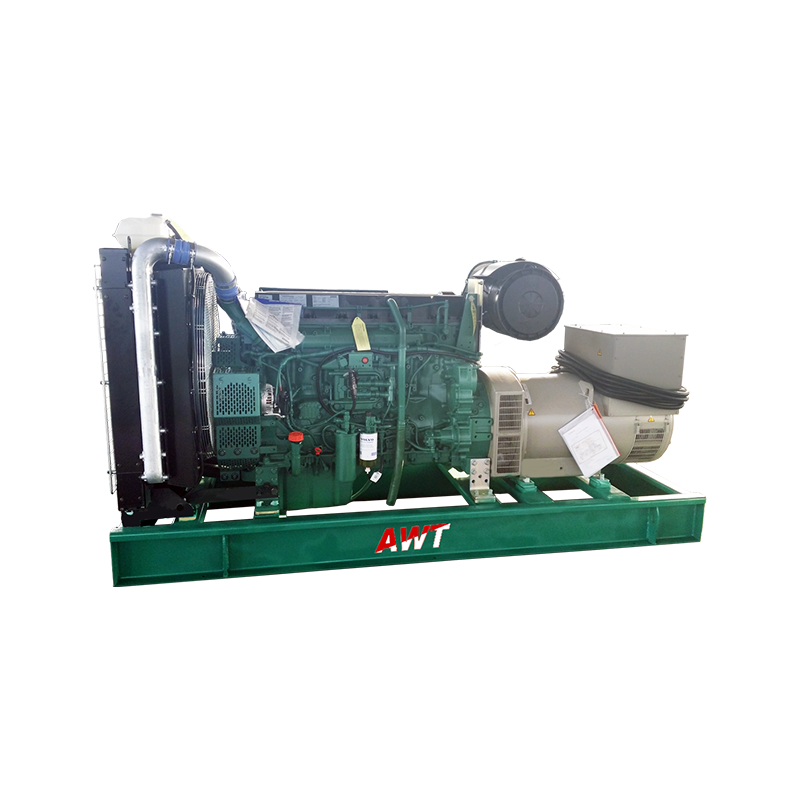
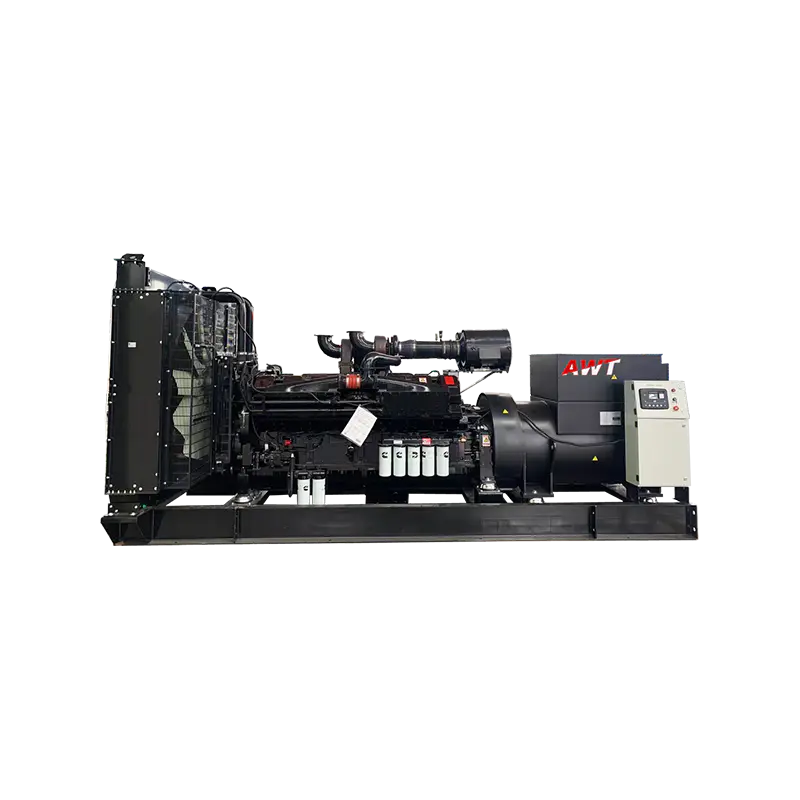 Cummins Powered Diesel Generator Sets (8–3750 kW)This series uses genuine Cummins engines and brushless alternators, covering standby, prime, and continuous duty per ISO 8528. It suits data centers, hospitals, and industrial sites needing reliable critical power.View Product →
Generator Duty Ratings: Standby, Prime, and Continuous Power
ISO 8528-1 defines three duty classes that determine the real output of a Cummins powered set: emergency standby power (ESP) permits no overload and caps average load at 70 percent, prime power (PRP) allows 10 percent overload for 1 hour in 12, and continuous power (COP) sustains 100 percent constant load.
The same engine can therefore appear with three different kVA numbers on different datasheets. In typical OEM documentation, the standby rating runs about 10 percent above the prime rating on the same machine, and a continuous rating sits below the prime figure. A buyer who compares prices on standby numbers alone can end up with an engine that cannot hold the plant load during the first week of continuous production.
| Set power band | Common Cummins series | Typical project use |
| 10-100 kVA | 4BT, 6BT | Retail backup, small workshops, building services |
| 100-400 kVA | 6CT, QSL9 | Office blocks, mid-size plants, hospitals |
| 400-1,000 kVA | QSX15, NT855, KTA19 | Infrastructure, data centers, warehouse campuses |
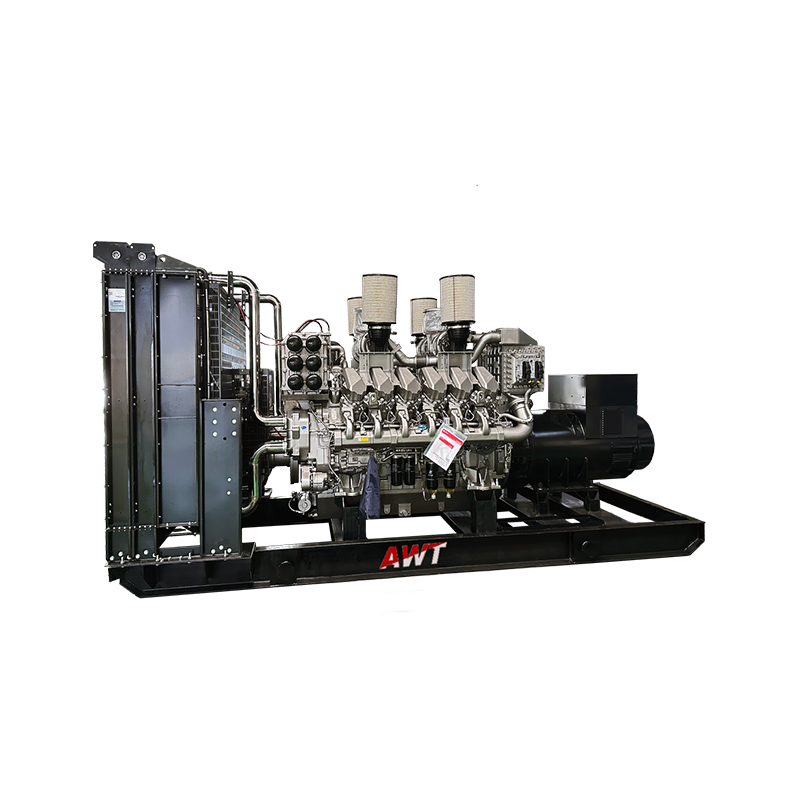
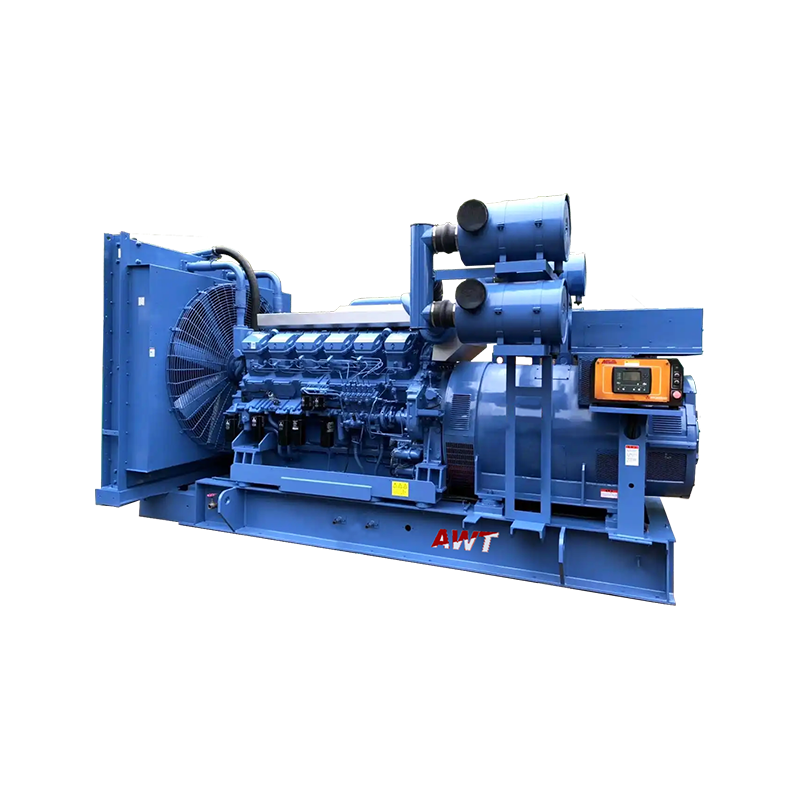
| 1,000-2,500 kVA | KTA38, KTA50, QSK60 | Large factories, mining support, utility contracts |
The series listed are typical pairings used by generator set manufacturers; certified output always depends on the alternator rating, cooling capacity, and site reference conditions.
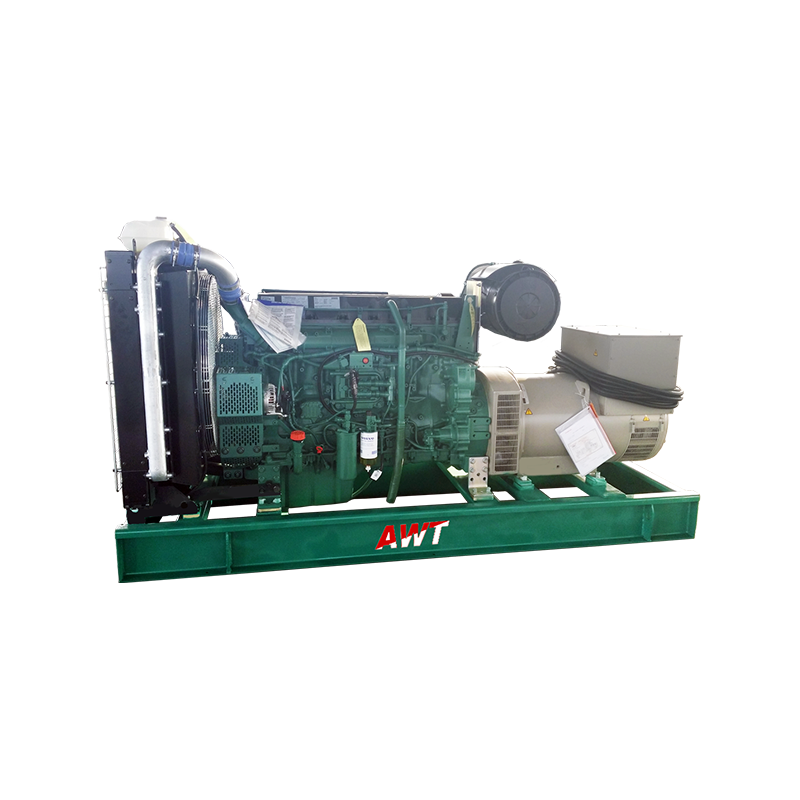 100–400 kVA Universal Diesel Generator SetsThese mid-power gensets are compatible with mainstream engine brands and optimized for prime power and fluctuating loads. They offer strong overload resistance and stable long-term operation for commercial and municipal standby projects.View Product →
Enclosure and Configuration Options for Site Constraints
The same 250 kVA Cummins powered set changes in price, footprint, and noise level depending on whether it is supplied as open, silent, container, or trailer mounted, and the enclosure choice usually decides whether the project needs a dedicated generator room or can place the set outdoors.
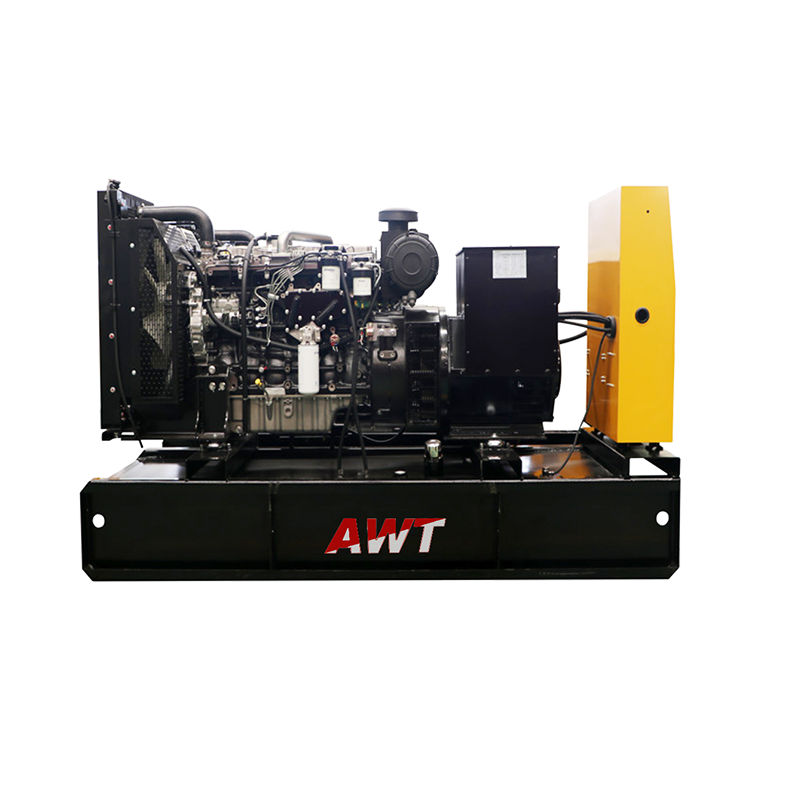
Bare set with radiator, alternator, and control panel mounted on a steel base frame.
- Lowest first cost per kVA
- Requires a generator room with supply and exhaust ventilation
- Unattended noise typically above 90 dBA at 7 m
Acoustic canopy enclosing the same engine, alternator, and controls in one weatherproof skid.
- Outdoor installation without a building
- Noise in the 70-75 dBA range at 7 m on well-sealed canopies
- Higher cost, easier transport, shorter site lead time
Container and trailer versions extend the same logic. Container sets are weatherproof, lockable, and can be lifted and trucked to a new site in one unit; trailer sets are specified when power must move between sites during construction or grid reinforcement works.
- Container type: modular weather protection for outdoor deployment where no building exists.
- Trailer type: road-mobile power for temporary projects and staged construction.
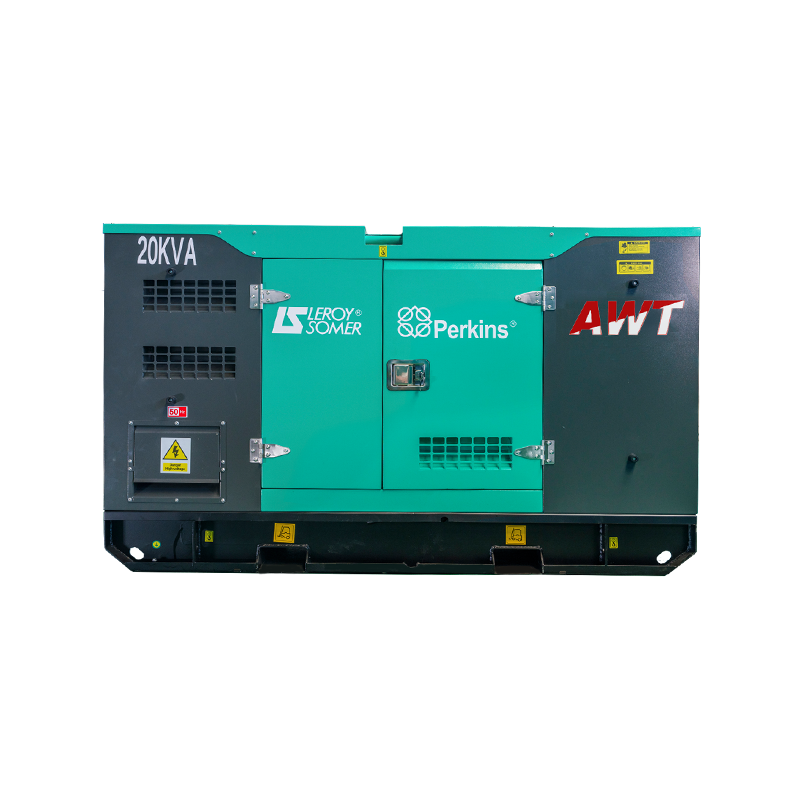 Silent Type Diesel Generator Sets (10–2500 kVA)Enclosed low-noise gensets with soundproof canopies achieve ≤75 dB(A) at 1 meter. They provide weatherproof, dustproof operation and suit noise-sensitive urban, commercial, and residential backup power applications.View Product →
Procurement Checklist for Industrial and Commercial Buyers
A defensible procurement decision for a Cummins powered generator set rests on seven inputs: duty classification, load step profile, site reference conditions, fuel quality, exhaust and ventilation, control system protocol, and manufacturer support capacity.
- Choose the duty class first. Decide whether the set runs only during outages (ESP) or supplies daily variable load (PRP) before requesting quotes.
- Record the largest single load step. A set rated for total load can still fail if a 200 kW motor starts in one step; specify a load acceptance test.
- Confirm site reference conditions. Above 1,000 m altitude or 25 °C ambient, output must be derated according to the manufacturer's published curves.
- Plan fuel quality. Water and particulates shorten injector life; install water separators and fuel polishing where the tank is refilled infrequently.
- Check exhaust back pressure and ventilation flow. Both are listed on the engine datasheet and both change the real output.
- Define the control interface. Specify the automatic transfer switch, remote monitoring protocol, and parallel capability before the panel is built.
- Verify support capacity. Confirm the manufacturer's installation team, spare parts stock, and warranty terms in writing.
Buyers who need private-label machines or custom configurations can work directly with the factory, where OEM/ODM production runs alongside branded generator sets.
Common Questions on Cummins Powered Generator Sets
Four specification points decide whether a Cummins powered set meets a project: duty class, engine sizing, site derating, and paralleling requirements. The following answers cover the questions project engineers most often raise during tenders.
What is the difference between standby and prime ratings?
Standby rating (ESP) is reserved for utility failure and permits no overload, with an average load cap of 70 percent. Prime rating (PRP) permits variable daily load and a 10 percent overload for 1 hour in every 12. On a typical datasheet, the standby figure is about 10 percent higher than the prime figure for the same engine.
Which Cummins engine is used for a 500 kVA generator set?
A 500 kVA set commonly pairs a Cummins QSX15 engine running at 1,500 rpm with an alternator rated at 400 kW at 0.8 power factor. The QSX15 family typically appears in the 400-500 kVA class for 50 Hz prime duty, with the exact output determined by the alternator and cooling package.
How does altitude affect the output of a Cummins powered set?
Engine output drops as air density falls. Under the International Electrotechnical Commission (IEC) 60034-1, an alternator is rated for continuous operation up to 1,000 m altitude and 40 °C ambient without derating; above those values, both the engine and the alternator curves must be checked and the set derated accordingly.
Can a Cummins powered set run in parallel with another generator or the grid?
Yes, when the set is fitted with an electronic governor, a synchronizer, and protection relays, and the control system supports parallel operation. Specify the paralleling requirement at the tender stage so the panel design, current transformer wiring, and protection settings are included in the price.