English
 Français
 Español
Silent Type Diesel Generator Sets: Noise Control and Enclosure Design Guide
Oct 16, 2026
Content
- 1 What Defines a Silent Type Diesel Generator Set?
- 2 Noise Sources and Their Contribution Levels
- 3 Enclosure Design Principles That Actually Reduce Noise
- 4 Cooling vs. Acoustic Performance: The Engineering Trade-Off
- 5 Application Guide: Selecting the Right Silent Set
- 6 Installation, Compliance and Maintenance That Preserve Acoustic Performance
- 7 Frequently Asked Questions
This guide covers the noise levels you can expect, the enclosure design decisions that actually reduce sound, the cooling trade-offs involved, and a practical selection and installation process for silent type diesel generator sets in real projects.
What Defines a Silent Type Diesel Generator Set?
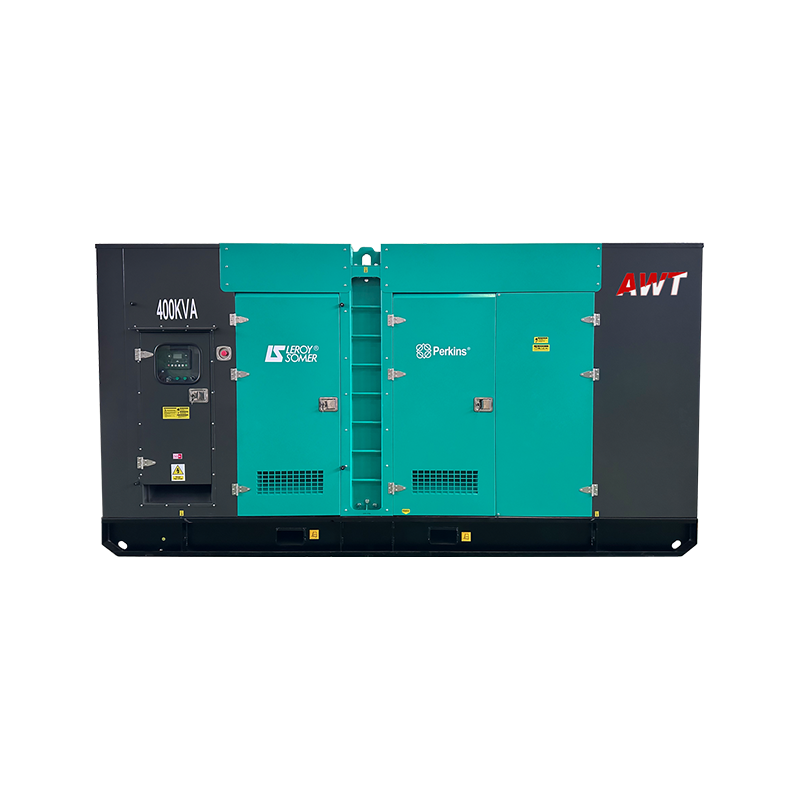
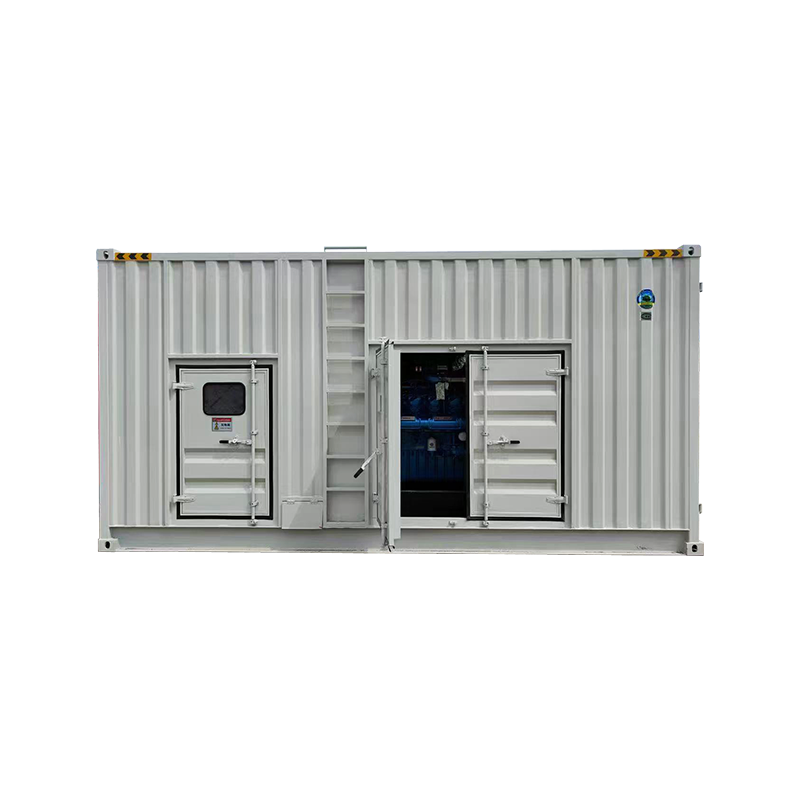
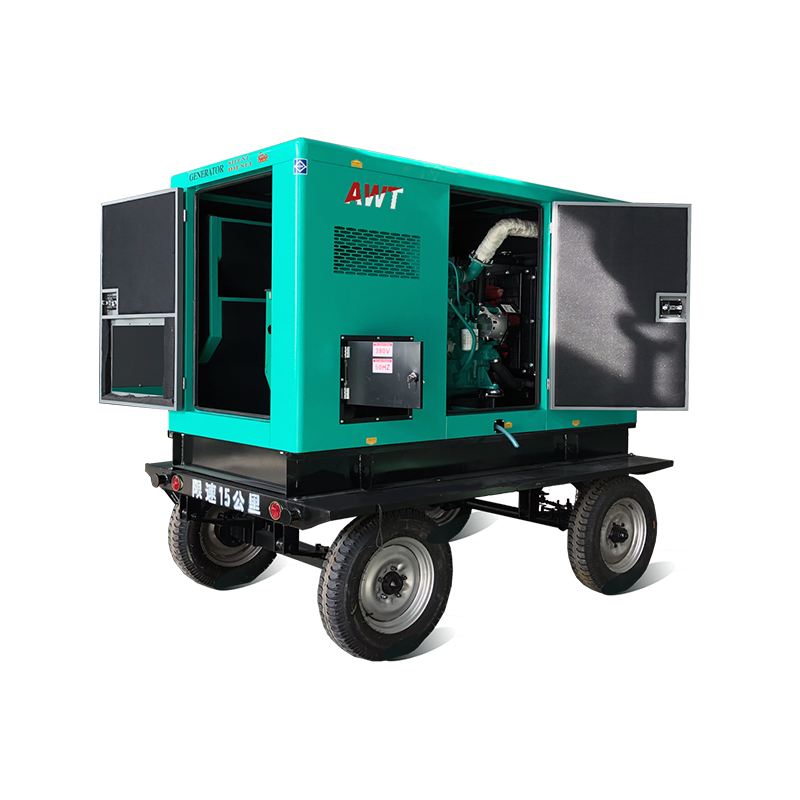
A silent type diesel generator set is a complete engine-generator package mounted on a common base frame and surrounded by a sound-attenuated enclosure designed to reduce radiated noise to a specified dB(A) value at a stated measurement distance. The term "silent" is comparative, not absolute: it distinguishes the package from an open generator set that emits untreated engine and exhaust noise.
Core definition: A silent type diesel generator set is an engine and alternator assembly integrated with acoustic enclosure panels, a residential-grade exhaust silencer, and anti-vibration mounts, rated to operate within a stated noise limit, typically 68 to 78 dB(A) at 1 m.
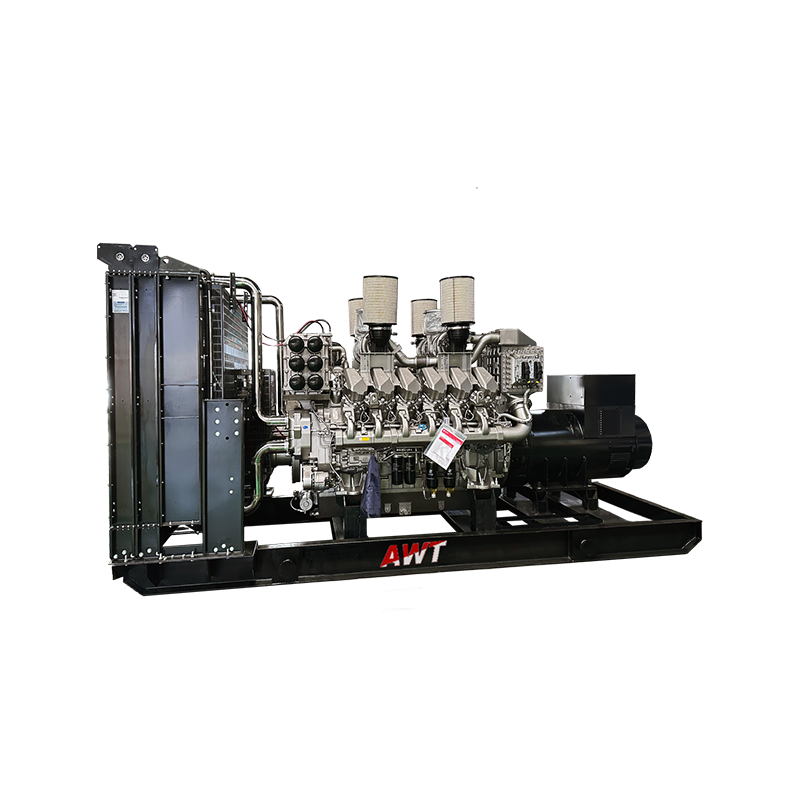
Typical open-frame stationary diesel generators produce 95 to 105 dB(A) at 1 m at full load. A well-built silent enclosure reduces that by roughly 20 to 25 dB(A), yielding 68 to 78 dB(A) at the same distance. Because each 10 dB(A) increase is perceived as roughly twice as loud, the difference between an open set and a silent set is more than a nuisance gap: it is often the difference between passing and failing a planning condition.
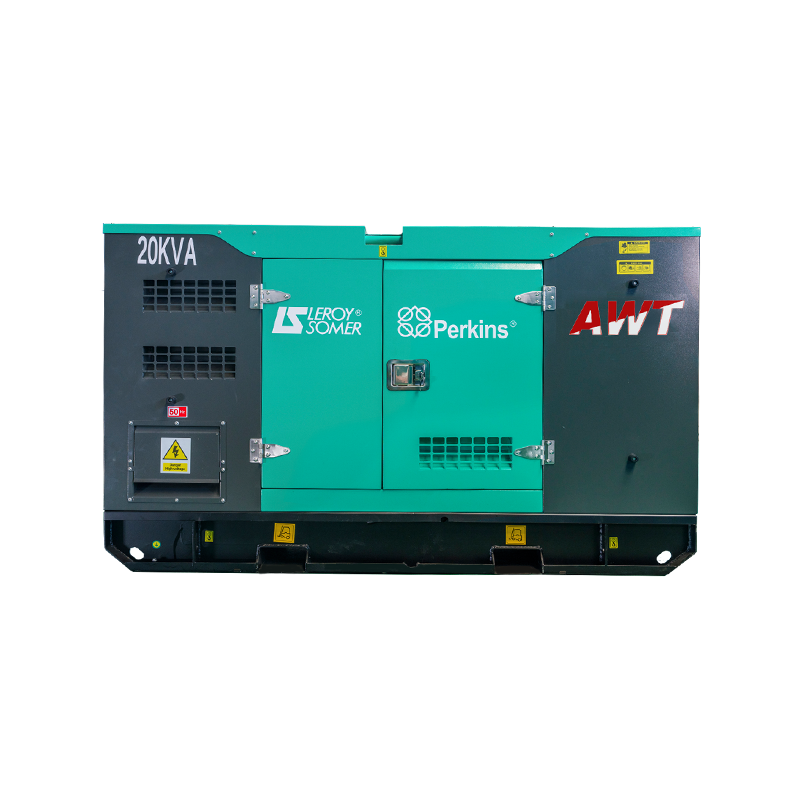 Silent Diesel Generator Sets with Soundproof EnclosuresThis section explains how enclosed gensets reduce noise by 20-25 dB(A) compared to open units. The product page details multi-layer absorption, ≤75 dB(A) at 1 m, weatherproofing, and compatibility with 10–2500 kVA for noise-sensitive sites.View Product →
Noise Sources and Their Contribution Levels
Noise from a diesel generating set comes from four main paths, and each path needs a different countermeasure. Understanding their individual contribution tells you why a single-layer cover never works and why exhaust silencing alone is insufficient.
| Noise source | Typical level at 1 m | Frequency character | Primary countermeasure |
| Exhaust outlet | 105-115 dB(A) | Low-frequency pulses | Residential-grade silencer, flexible exhaust bellows |
| Engine mechanical and combustion | 95-105 dB(A) | Broadband mid-frequency | Acoustic enclosure panels, engine hood |
| Cooling fan and radiator | 90-98 dB(A) | Low-frequency aerodynamic | Oversized low-speed fans, baffled ducting |
| Alternator and air intake | 85-92 dB(A) | High-frequency whine | Intake silencers, acoustic lagging |
Enclosure Design Principles That Actually Reduce Noise
An acoustic enclosure only works if all panels, openings, and penetrations are treated as part of a continuous noise barrier. The main design elements are consistent across manufacturers: double-wall steel cladding, mineral wool insulation, labyrinth intake and exhaust ducts, sealed doors, and resilient isolation from the base frame.
Key construction details
- Panels: 2.0 to 2.5 mm sheet steel with internal stiffening ribs, filled with 50 to 80 mm mineral wool or foam of 40 to 60 kg/m3 density.
- Air paths: acoustic intake and exhaust baffles sized so that the air velocity stays below 5 m/s, to avoid regenerating aerodynamic noise.
- Exhaust silencing: a combined reactive-absorptive silencer with 25 dB(A) insertion loss, installed on spring mounts to stop vibration transmission.
- Door and seam sealing: rubber compression gaskets on all service doors and a continuous weld or mastic seal on fixed panel joints.
How the enclosure attenuates sound
- AbsorptionMineral wool and acoustic foam convert sound energy into heat inside the canopy, reducing reflected noise before it reaches the panel wall.
- BarrierThe mass of the steel panels blocks the direct path of radiated noise; doubling panel mass adds roughly 6 dB(A) of transmission loss.
- DampingConstrained-layer damping or ribbed cladding prevents large panel surfaces from resonating and re-radiating sound.
- IsolationSpring and rubber mounts decouple the engine block from the base frame, cutting structure-borne vibration into the floor and building.
Specification check: for a 250 kVA unit, the enclosure must move roughly 12,000 m3/h of cooling air without creating a pressure drop that starves the radiator. If the baffle area is undersized, the fan speed rises, noise goes up, and engine coolant temperature climbs.
Cooling vs. Acoustic Performance: The Engineering Trade-Off
Enclosing a generator always restricts the airflow that the radiator needs, so every silent design is a compromise between cooling and noise. The measured result of that compromise is a small output derating: a sound-attenuated unit normally produces 3 to 8 percent less than the same engine in open configuration at 40 C ambient temperature.
Cooling-first layout
- Large louver areas with low pressure drop
- Radiator fan sized for 10 to 12 m/s face velocity
- Higher noise at 1 m, typically 75 to 82 dB(A)
- Best for hot climates and continuous prime power
Noise-first layout
- Deep labyrinth baffles with internal acoustic lining
- Air velocity below 5 m/s at the intake section
- Lower noise at 1 m, typically 65 to 72 dB(A)
- Requires extra derating in high-ambient sites
For standby duty of less than 500 hours per year, a 5 percent derating is usually acceptable. For continuous or prime power in a tropical climate, the same enclosure can push coolant temperature toward its limit, so the specification must confirm radiator correction factors before signing off the unit. A rule of thumb: check the alternator and radiator data at site ambient temperature, not at the ISO 8528 standard rating condition.
Application Guide: Selecting the Right Silent Set
Choose enclosure grade by the distance to the nearest noise-sensitive boundary and by local planning limits, then select power by the load profile. In practice, the decision sequence starts with the site noise restriction, not with the generator's electrical rating.
Common applications include hospitals, hotels, data centers, telecommunications sites, retail complexes, and event production, all documented in the industries served by Yangzhou Aiweite Electromechanical Co., Ltd. For a medium commercial building, the 100 to 400 kVA segment covers most standby requirements; these units are usually delivered as a single skid-mounted silenced package with integrated fuel tank and control panel.
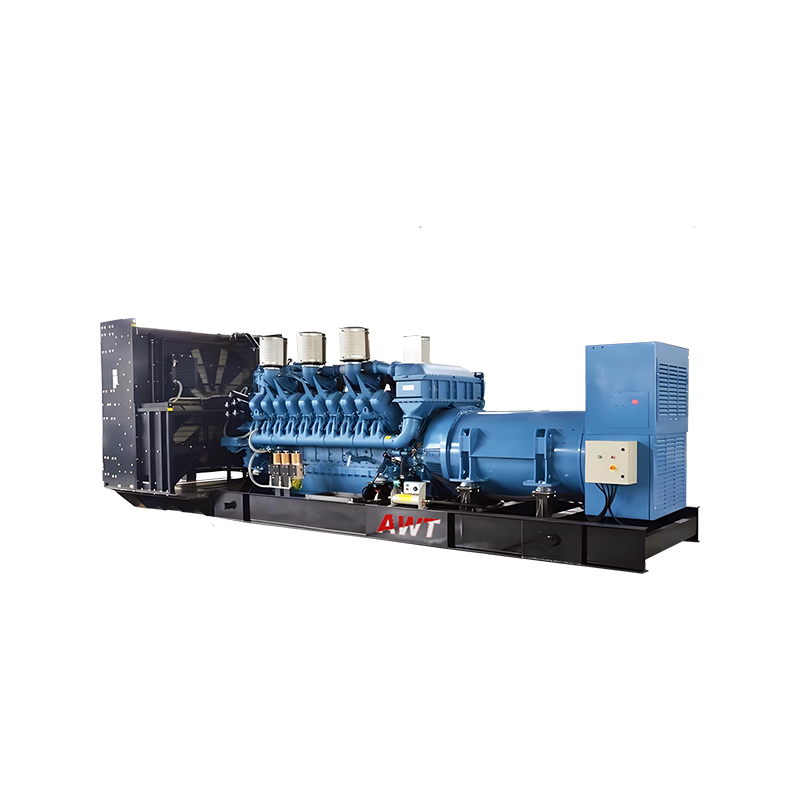
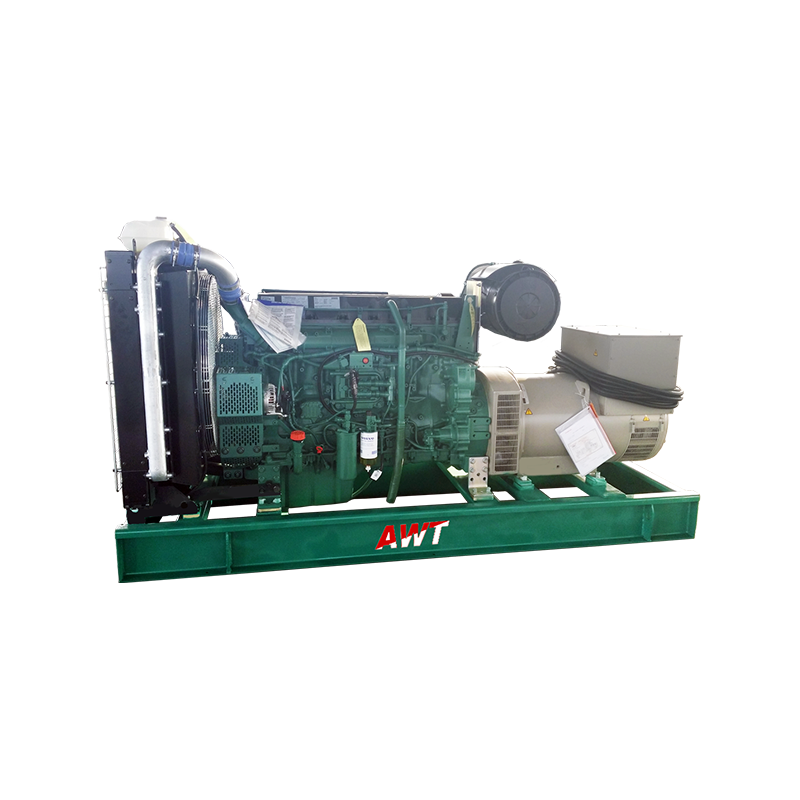 100–400 kVA Universal Diesel Generator Sets for Medium LoadsFor commercial buildings requiring 100–400 kVA standby power, this mid-power series delivers stable continuous operation with mainstream engines, brushless alternators, and intelligent control, suitable for long-duration and fluctuating load conditions.View Product →
Selection criteria to write into your specification
- Noise limit at the site boundary with the basis of measurement stated
- Standby or prime power rating, and whether derating applies at site ambient temperature
- Required runtime on the base fuel tank, which affects enclosure size and weight
- Access for acoustic service: an enclosure that cannot be opened for radiator cleaning loses its cooling margin within weeks
Installation, Compliance and Maintenance That Preserve Acoustic Performance
An enclosure's noise rating is only valid when the installation respects the acoustic design conditions. A unit rated at 68 dB(A) at 1 m will fail a boundary noise test if it is bolted directly to a concrete slab, faced toward a reflecting wall, or given less service clearance than the design assumes.
Site acceptance rule: position the generator on spring isolators, orient the exhaust and cooling outlet away from the nearest boundary, and run the boundary noise measurement at full load after commissioning. In urban sites, a 3 m high masonry wall between the set and the boundary adds another 5 to 8 dB(A) of screening attenuation.
Maintenance items that protect the acoustic rating
- Clean radiator fins and inlet filters every 250 hours or after dust exposure; clogged cores raise fan speed and noise.
- Inspect door gaskets and sealing strips annually; a 10 mm gap in a door seal can raise measured noise by 3 to 5 dB(A).
- Replace oil-soaked or degraded acoustic insulation; mineral wool saturated with oil loses most of its absorption coefficient.
- Check exhaust silencer condition and mounting; a fractured internal baffle turns the silencer into a straight pipe acoustically.
For projects with non-standard enclosure sizes, custom engine brands, or specific color and control requirements, Yangzhou Aiweite Electromechanical Co., Ltd. offers OEM and ODM configurations from 10 to 2,500 kVA. Smaller units in the 10 to 100 kVA range are common for telecom shelters and small retail backup, where a compact silent package simplifies permitting and installation.
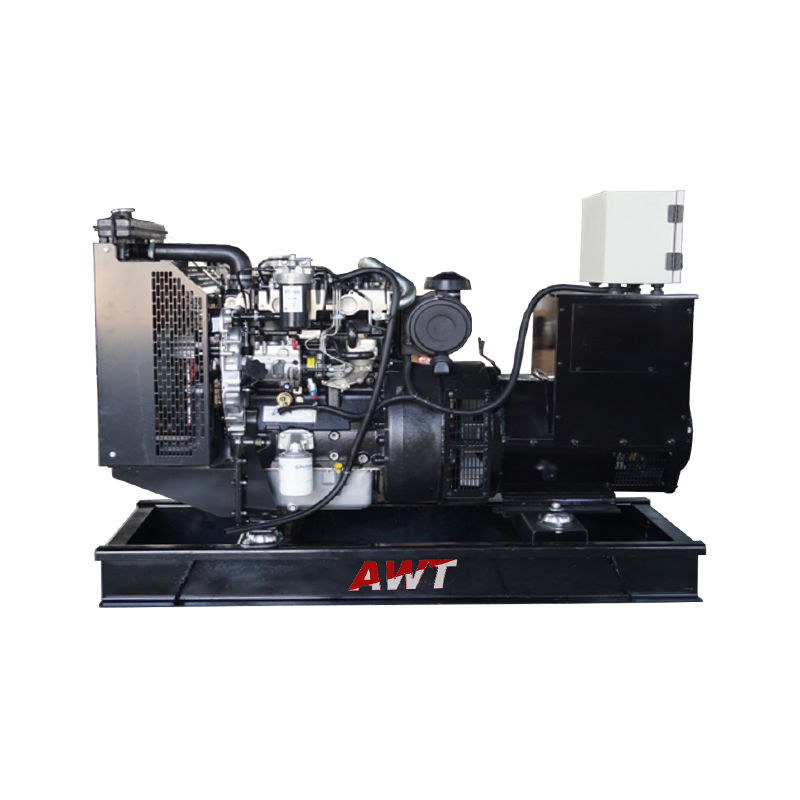
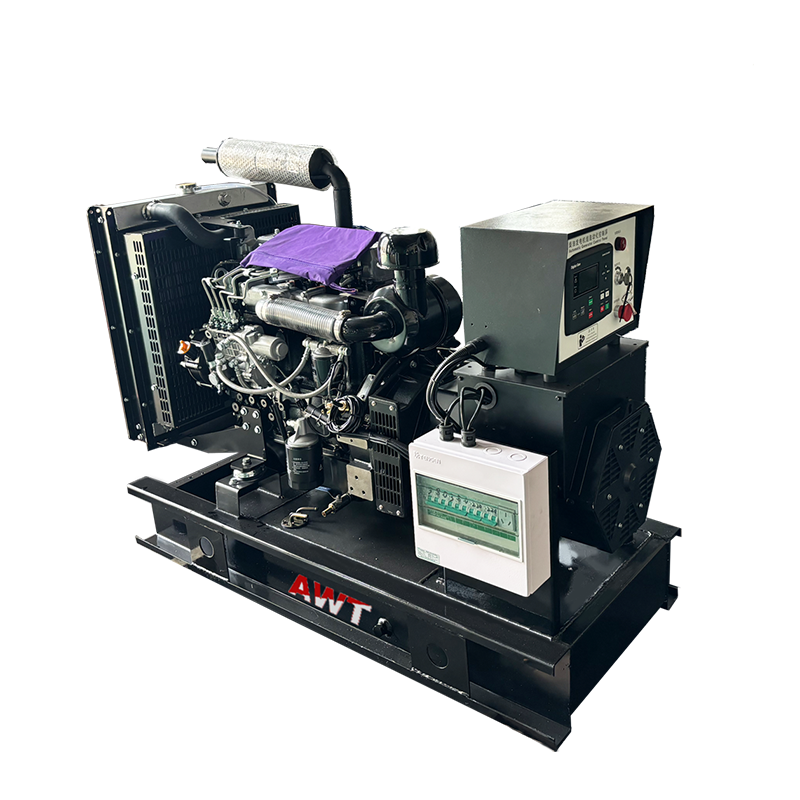 10–100 kVA Compact Diesel Generator Sets for Small BackupTargeting telecom shelters and small retail backup, these compact silent units offer low noise, small footprint, and easy maintenance. The page confirms compliance with ISO 8528, brushless alternators, and intelligent controllers for reliable emergency power.View Product →
Frequently Asked Questions
What noise level can silent type diesel generator sets achieve?
Standard silent type diesel generator sets operate at 68 to 78 dB(A) at 1 m at full load. With deeper baffles, thicker absorption, and a residential silencer, the same power class can reach 60 to 65 dB(A) at 7 m, which is the level most urban planning approvals require at the boundary.
Does the acoustic enclosure reduce generator output?
Yes, by a small margin. A sound-attenuated enclosure typically derates the set by 3 to 8 percent compared with open configuration because of reduced cooling airflow. The derating value depends on ambient temperature, radiator sizing, and the pressure drop of the intake baffle system.
Can an existing open generator be converted into a silent set?
Technically possible, but rarely recommended. Retrofitted enclosures lack the engineered airflow path, sealed joints, and certified acoustic test data of a factory-built silent set, so they usually achieve less attenuation while overheating more easily. A purpose-built silent type diesel generator set is more reliable and easier to permit.
How is generator noise measured for compliance?
Measurement follows ISO 8528-10 or equivalent national standards, using an A-weighted sound pressure level at 1 m or at a specified distance such as 7 m, at 75 or 100 percent load. The measured value must account for background noise, wind, and reflecting surfaces to verify the acoustic rating.